Imagine stepping into your garden, expecting to see vibrant blooms and lush greenery, only to find evidence of munching critters. You’re sure something is feasting on your beloved plants, but what could it be?
You might be surprised to learn that frogs, those seemingly harmless amphibians, are often spotted hopping around gardens, leading many to wonder: Do frogs eat garden plants? This question might have crossed your mind if you’ve ever noticed these little creatures nestled among your flowers and vegetables.
By understanding the dietary habits of frogs, you can discover whether they’re friend or foe in your gardening endeavors. As you read on, you’ll uncover the truth about frogs in your garden, learn how to coexist peacefully, and find out how these creatures can actually benefit your plants. Prepare to be intrigued and perhaps find a new ally in your gardening journey!

Credit: pestpointers.com
Frog Diet Basics
Frogs are fascinating creatures with unique dietary habits. Understanding what frogs eat can help you appreciate their role in the ecosystem. Many gardeners wonder if frogs eat garden plants. Let’s explore the basics of a frog’s diet to uncover the truth.
What Do Frogs Eat?
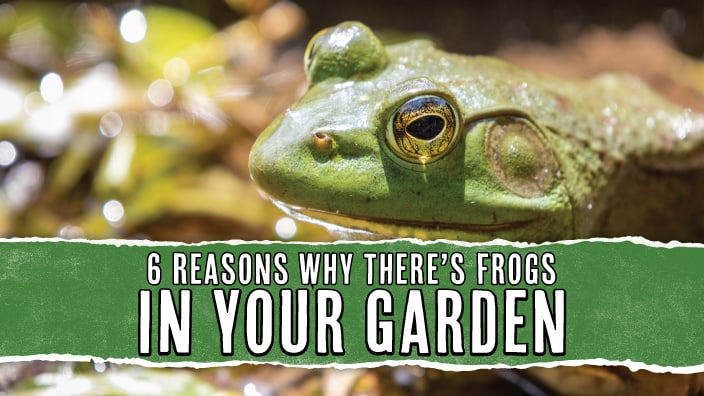
Frogs are carnivorous animals. They primarily eat insects and small animals. Their diet includes flies, mosquitoes, and ants. Frogs help control pest populations in gardens.
Do Frogs Eat Plants?
Frogs do not eat garden plants. They prefer live prey. Their diet consists of meat rather than vegetation. Frogs might hide among plants to catch insects.
Benefits Of Frogs In Gardens
Frogs contribute to pest control. They reduce the number of harmful insects. This can lead to healthier plants. Frogs also indicate a balanced ecosystem.
Encouraging Frogs In Your Garden
Provide water sources like ponds or small pools. Avoid using pesticides that might harm frogs. Create shady areas with foliage for protection. These steps can attract frogs to your garden.
Common Misconceptions
Common misconceptions about frogs often lead to unnecessary concern among gardeners. While frogs are frequently spotted hopping around garden beds, their diet is surprisingly beneficial for plant health. Let’s explore some myths and clarify the truth about these amphibian visitors.
Misconception: Frogs Feast On Plant Leaves
Many people assume that frogs munch on plant leaves due to their presence in gardens. In reality, frogs are carnivorous and prefer insects over foliage. They play a crucial role in controlling pests, which indirectly helps your plants thrive.
Misconception: All Frogs Are Harmful To Gardens
Not all frogs pose a threat to your garden. Most frogs, such as the common garden frog, contribute positively by consuming insects like aphids and beetles. Their presence can be a sign of a healthy ecosystem, so welcome them rather than worry.
Misconception: Frogs Cause Soil Erosion
The idea that frogs disturb soil structure is unfounded. Frogs are lightweight creatures that cause minimal disruption. Their occasional digging is unlikely to harm your garden’s soil, and may even help aerate it slightly.
Misconception: Frogs Compete With Pollinators
Some gardeners fear frogs might reduce pollinator numbers, impacting plant growth. On the contrary, frogs target pest insects rather than bees or butterflies, maintaining a balance that benefits pollination and plant health.
So, next time you spot a frog in your garden, consider the positive impact it’s likely having. Are you ready to embrace these helpful allies in your gardening journey?
What Frogs Actually Eat
Frogs primarily feast on insects, worms, and other small creatures. They rarely eat garden plants. Instead, their presence can help control pests naturally.
Understanding the diet of frogs can be fascinating, especially if you’re concerned about your garden plants. Frogs are often seen as beneficial creatures in gardens, largely due to their diet. Instead of munching on your beloved plants, they consume a variety of small creatures that might otherwise harm your garden. Let’s dive into the specifics of what frogs actually eat.Insects And Bugs
Frogs are voracious eaters of insects and bugs. They have a particular liking for mosquitoes, flies, and moths. Imagine a summer evening free from the buzzing of mosquitoes, thanks to the natural pest control provided by frogs. Their sticky tongues and quick reflexes make them excellent hunters, ensuring a steady diet of these common nuisances.Small Invertebrates
In addition to insects, frogs also consume small invertebrates. This includes spiders, worms, and snails. By feeding on these creatures, frogs help maintain a balanced ecosystem in your garden. If you’ve ever noticed fewer snails munching on your leafy greens, you might have a frog to thank for it.Occasional Small Animals
While not a primary food source, some larger frog species do eat small animals. This can include tiny mice or even other smaller frogs. This might sound surprising, but it highlights the adaptability and opportunistic feeding habits of frogs. However, these instances are rare and usually occur when the frog is larger and the prey is easily accessible. Have you ever considered how these dietary habits of frogs might benefit your garden? By understanding their role, you can appreciate the natural balance they bring to your backyard ecosystem. Encourage these helpful amphibians by providing a welcoming habitat, and they might just become your best garden allies.
Credit: www.facebook.com
Impact On Garden Ecosystem
Frogs are often seen hopping around gardens, raising questions about their impact on the ecosystem. These amphibians can be both beneficial and detrimental, depending on the context. While some might worry about their effect on garden plants, frogs play a crucial role in maintaining a balanced garden ecosystem.
Role In Pest Control
Frogs are natural predators of insects, which can be a boon for your garden. They feast on pests like beetles, caterpillars, and slugs that often damage plants. By keeping pest populations in check, frogs can actually help protect your garden from overfeeding insects.
Imagine walking through your garden and noticing fewer holes in leaves and healthier plant growth. This could be thanks to the frogs patrolling your garden at night. Their presence can reduce the need for chemical pesticides, making your garden a safer place for other wildlife.
Balancing The Ecosystem
Frogs contribute to the ecosystem’s balance by being both predator and prey. They help control insect populations while also serving as food for larger animals like birds and snakes. This dual role ensures that the garden’s food web remains intact.
Think about this: without frogs, could the garden ecosystem maintain its delicate balance? Their absence might lead to an overpopulation of insects, which could harm plant life. Frogs play a vital role in sustaining the natural harmony of your garden.
So, while frogs might occasionally nibble on tender shoots or leaves, their overall impact on garden plants is minimal compared to their benefits. Consider their role in pest control and ecosystem balance before deciding whether they are friends or foes to your garden. Have you noticed any changes in your garden since frogs appeared?
Why Frogs Avoid Plants
Frogs usually avoid eating garden plants. They prefer insects and small prey, which provide essential nutrients. Their diet consists mainly of bugs, making garden plants safe from their appetite.
Why Frogs Avoid Plants Have you ever caught a frog in your garden and wondered if it’s feasting on your plants? You might be relieved to know that frogs generally avoid eating plants. Their biology and instincts steer them toward other food sources.Digestive System Limitations
Frogs have a digestive system designed for a carnivorous diet. Their stomachs and intestines are built to process proteins from insects and other small creatures. Plant material doesn’t break down as easily in a frog’s digestive tract. This makes it an inefficient source of energy for them. Next time you see a frog, think about its diet. It’s probably hunting insects, not nibbling on your vegetables.Natural Preferences
Frogs are naturally inclined to seek out prey that moves. This includes insects, spiders, and small invertebrates. Imagine sitting in your garden watching a frog. It’s more likely to leap after a buzzing fly than a leaf. Frogs also rely on their keen sense of movement to identify food. Plants, being stationary, simply don’t catch their interest. So, when you spot a frog in your garden, you can appreciate its role as a pest controller rather than a plant eater. Have you noticed fewer bugs in your garden when frogs are around? That’s your garden’s small yet mighty guardian at work!Encouraging Frogs In Gardens
Frogs are beneficial for gardens as they primarily eat insects, not plants. Encouraging them helps control pests naturally. Their presence can lead to healthier plants without the need for chemicals.
Encouraging frogs in your garden can bring many benefits. Frogs are natural pest controllers. They feed on insects, slugs, and other unwanted pests. This helps maintain the balance in your garden ecosystem. Inviting frogs can enhance your garden’s health and vibrancy.Creating A Frog-friendly Environment
To attract frogs, create a suitable habitat. Add a small pond or water feature. Frogs need water to thrive. Ensure the water source has shallow edges. This allows frogs to enter and exit easily. Provide plenty of shade with plants or rocks. Frogs need cool, damp places to hide. Avoid using pesticides and chemicals. They can harm frogs and their habitats.Benefits To Garden Health
Frogs help control pest populations. They eat flies, mosquitoes, and other bugs. This reduces the need for chemical pesticides. Frogs also aid in pollination. By moving around, they help spread pollen. Healthy frog populations indicate a balanced ecosystem. Their presence shows your garden is thriving.Addressing Frog Concerns
Frogs are unlikely to eat garden plants as their diet mainly consists of insects. They can actually help control garden pests, creating a healthier garden environment.
Addressing Frog Concerns Frogs hopping around your garden can be both a delight and a dilemma. While they play a crucial role in controlling insect populations, they can sometimes be a source of concern for gardeners. Let’s explore practical ways to manage and address these frog-related issues effectively.Managing Frog Populations
To maintain a balanced frog population in your garden, it’s essential to understand their role. Frogs are natural pest controllers, feasting on insects that might otherwise harm your plants. By appreciating their contribution, you can better decide how to manage their numbers. Encourage frogs by providing a water source, like a small pond or birdbath. This not only attracts frogs but also helps in sustaining their population naturally. However, if you notice an overwhelming number of frogs, consider reducing water sources or removing debris where they might breed.Dealing With Frog-related Issues
Sometimes, frogs can become a bit too friendly, hopping into spaces where they aren’t welcome. If frogs are causing distress, such as venturing into your home, sealing entry points can be a practical solution. Check window screens and door gaps to ensure they are secured. Think about your garden’s lighting. Bright lights can attract insects, which in turn lure frogs. Opt for softer, less intrusive lighting options to reduce this chain reaction. Remember, a balanced approach ensures that you enjoy the benefits of frogs without the hassle. Are there specific frog-related issues that have you stumped? Share your experiences and solutions in the comments below!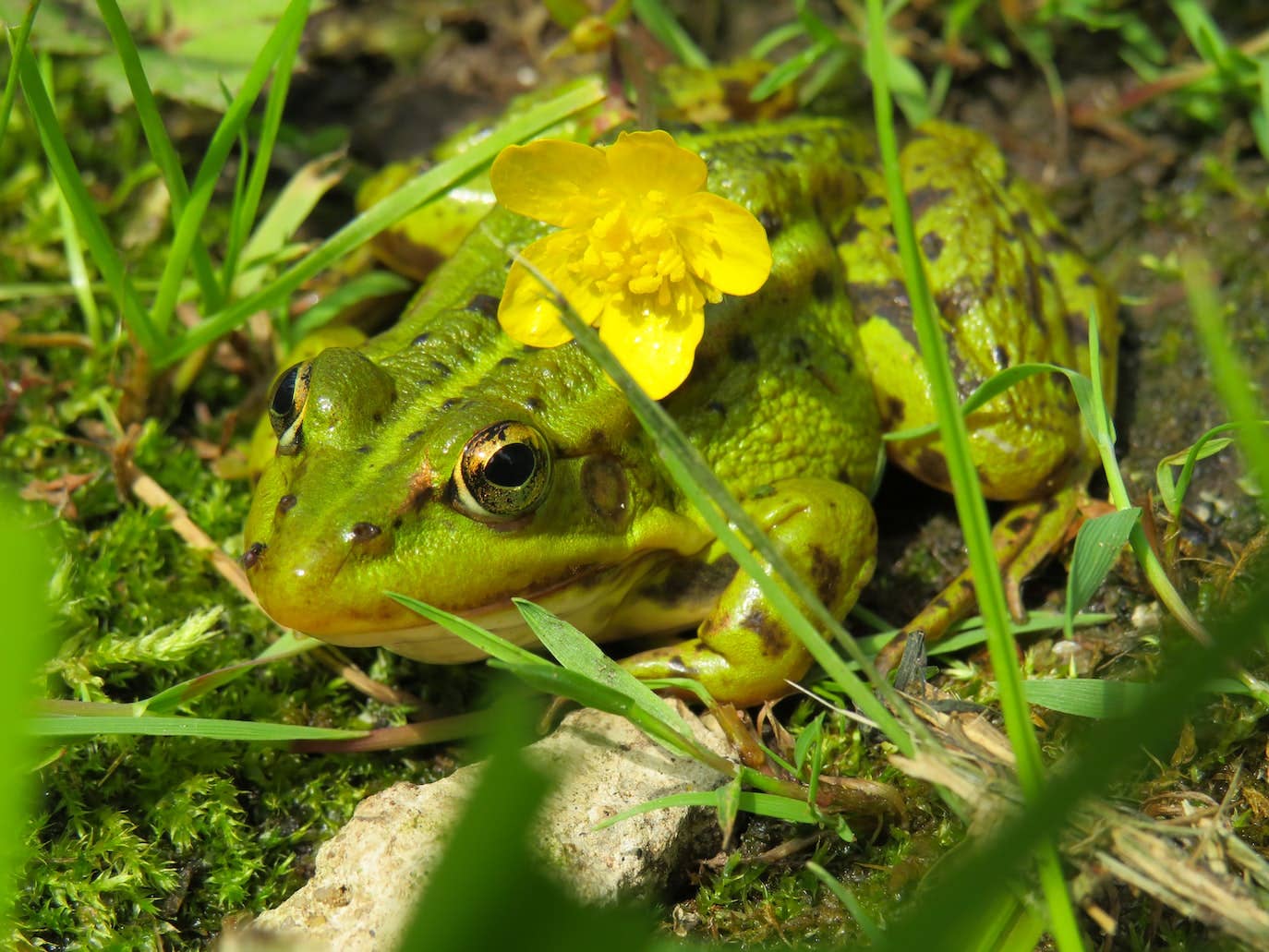
Credit: dengarden.com
Frequently Asked Questions
Do Frogs Eat Garden Plants?
Frogs primarily eat insects, not garden plants. They help control pest populations by consuming bugs and larvae. While frogs may occasionally nibble on plant matter, it’s usually not their preferred food. Their presence in gardens is beneficial as they act as natural pest controllers, keeping your plants safe from harmful insects.
Can Frogs Damage Garden Foliage?
Frogs generally do not damage garden foliage. They mostly feed on insects, which helps protect your plants from pests. In rare cases, they might eat tiny amounts of plant material, but this is not enough to cause noticeable damage. Their contribution to pest control outweighs any minimal impact on foliage.
Do Frogs Help With Garden Pest Control?
Yes, frogs are excellent at controlling garden pests. They eat a variety of insects, including beetles, flies, and mosquitoes. This natural pest control is beneficial for maintaining healthy plants. By reducing pest populations, frogs help protect your garden from damage and promote a balanced ecosystem.
Are Frogs Harmful To My Vegetable Garden?
Frogs are generally not harmful to vegetable gardens. They primarily consume insects, which helps reduce pest-related damage to your vegetables. Frogs contribute to a healthy garden ecosystem. Their presence can enhance vegetable growth by minimizing pest infestations, making them an asset rather than a threat.
Conclusion
Frogs in your garden? Not a threat to your plants. They prefer insects and pests. Frogs benefit your garden ecosystem. They control harmful bugs naturally. Encouraging frogs can be a smart choice. Less pesticide use means healthier plants. Frogs need a safe environment.
Provide water sources and shelter. Avoid harmful chemicals. Happy frogs mean a balanced garden. Enjoy watching them thrive. Appreciate their role in nature’s cycle. Keep your garden lively and pest-free. Embrace these natural helpers. Your plants will thank you.