Imagine stepping into your garden and feeling a wave of tranquility wash over you. Designing a garden may seem daunting, especially if you’re a beginner.
But with a few simple steps, you can transform any outdoor space into your personal oasis. Whether you’re looking to plant vibrant flowers, lush greenery, or a mix of both, this guide will walk you through the basics. You’ll discover tips to make your garden not only beautiful but also functional.
Plus, you’ll find out how to avoid common mistakes that can cost you time and money. Ready to create your dream garden? Let’s get started!
Choosing The Right Location
Selecting the ideal garden location is crucial for beginners. Ensure ample sunlight and consider soil quality for healthy plants. Choose a spot with easy access to water and space for future growth.
Choosing the right location is crucial for a garden’s success. The location impacts plant growth and maintenance. Beginners often overlook this step, leading to less productive gardens. Selecting a suitable spot ensures your plants thrive. Consider sunlight, soil, and accessibility before planting. A thoughtful choice creates a beautiful, flourishing garden.Assess Sunlight Exposure
Plants need sunlight to grow. Observe your yard’s sun patterns. Choose an area with 6-8 hours of direct sunlight. Avoid shaded spots.Evaluate Soil Quality
Healthy soil is essential for plants. Test the soil quality. Ensure it’s fertile and drains well. Avoid rocky or sandy areas.Consider Accessibility
Easy access to the garden simplifies maintenance. Choose a location close to water sources. Ensure paths are clear for tools and equipment.Check Wind Protection
Strong winds damage plants. Select an area with natural barriers. Trees or fences provide protection.Identify Nearby Structures
Structures cast shadows. They may block sunlight. Ensure the garden is away from tall buildings or fences.Understand Local Climate
Climate affects plant choice. Research local weather patterns. Choose a location that suits your region’s climate.
Credit: www.goodhousekeeping.com
Assessing Sunlight And Shade
Assessing sunlight and shade is crucial for beginner gardeners. Observe your garden throughout the day. Identify sunny and shady spots to plan plant placement effectively.
Assessing the sunlight and shade in your garden is crucial for creating a thriving outdoor space. Understanding the patterns of sunlight throughout the day can determine the success of your plants. It might seem daunting at first, but with a few simple observations, you’ll be able to make informed decisions for your garden layout.Understanding Sunlight Patterns
Begin by observing your garden at different times of the day. Take note of where the sunlight falls in the morning, afternoon, and evening. Use a journal or take photos to track these patterns over a few days. Consider the position of your house and any surrounding buildings or trees that might cast shadows. You might be surprised how much the sun’s position changes even within a single day.Identifying Shade Areas
Once you’ve mapped out the sunlight, identify areas that remain shaded. These spots are perfect for plants that thrive in low light conditions, like ferns or hostas. Don’t forget that shade can vary in intensity. Dappled shade from a tree might be different than the full shade cast by a fence. Understanding this nuance can help you select plants that will flourish.Using Tools For Precision
If you’re serious about precision, consider using tools like a sun calculator or smartphone apps that track sunlight exposure. These can provide detailed information on sunlight duration and intensity. Such tools can be particularly helpful if you’re unsure about the amount of light certain areas receive. They can confirm your observations and aid in making the best planting decisions.Adapting To Seasonal Changes
Remember that sunlight patterns change with the seasons. What was once a sunny spot in summer might be shaded in winter. Adjust your planting plans accordingly, or choose versatile plants that can adapt to varying light conditions. Consider how the angle of the sun changes throughout the year. This foresight can help you plan for continuous growth and ensure your garden remains vibrant all year long.Personal Insights And Experience
From my own gardening journey, I discovered that a seemingly sunny corner of my garden was shaded by a neighbor’s tree by afternoon. This insight helped me choose shade-loving plants that transformed the space into a lush green haven. Have you had similar experiences in your garden? Assessing the sunlight and shade can unveil hidden opportunities for growth and creativity. What unexpected challenges have you faced, and how did you adapt your garden plans? Reflecting on these experiences can lead to more informed and satisfying gardening choices.Planning Your Garden Layout
Creating a beginner-friendly garden layout involves understanding your space and choosing suitable plants. Consider sunlight, soil type, and water access. Sketch your ideas, ensuring paths and plant groups fit harmoniously.
Planning your garden layout sets the foundation for a thriving garden. A well-thought-out plan guides you in selecting the right plants and structures. It helps in arranging them for optimal growth and aesthetics. Start by envisioning how you want your garden to look and feel. Consider aspects like space utilization, plant needs, and accessibility.Creating A Sketch
Begin with a simple sketch of your garden space. Use graph paper for precision. Mark existing structures like fences and trees. Divide the area into sections for different plant types. Sketch pathways to connect these sections. This visual guide helps you stay organized.Considering Plant Heights
Plant height plays a crucial role in garden layout. Taller plants should be placed at the back or center. Ensure they don’t overshadow shorter plants. This arrangement enhances visibility and access to sunlight. Consider how the height changes over seasons.Designing Pathways
Pathways create a structured flow through your garden. Design paths wide enough for easy movement. Use materials like gravel or stepping stones. They add texture and visual interest. Paths should lead visitors to key areas effortlessly. Consider curves for a natural look.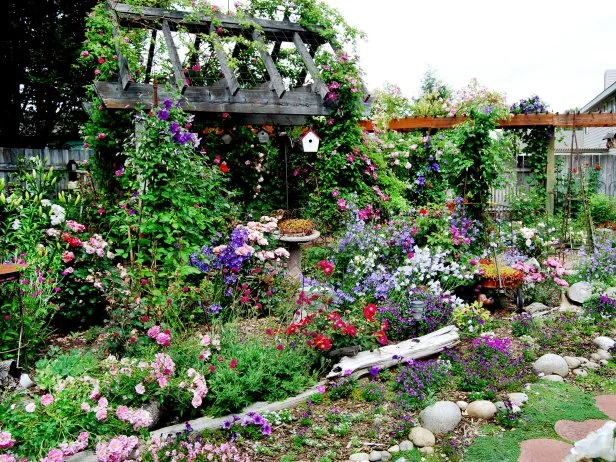
Credit: www.hgtv.com
Selecting Suitable Plants
Designing a garden can be a thrilling adventure, especially when selecting suitable plants. It’s all about choosing the right flora that will thrive in your environment and suit your gardening style. The process might seem overwhelming, but it’s an opportunity to create a beautiful, personalized outdoor space. Consider your climate, maintenance preferences, and the variety of plants you want to include. With these factors in mind, you’ll be well on your way to cultivating a garden that flourishes year after year.
Identifying Climate Zones
Understanding your climate zone is crucial for selecting plants that will thrive. Each plant has specific needs in terms of temperature, humidity, and sunlight. To avoid disappointment, research what grows well in your area. A friend once tried to grow tropical plants in a temperate zone, only to watch them wither away. Check a reliable plant hardiness map or consult local gardening experts. These resources can save you time and money.
Choosing Low-maintenance Options
If you’re a beginner, consider starting with low-maintenance plants. These require less attention and are forgiving if you miss watering or pruning. Think about succulents or native plants; they’re resilient and can handle neglect. You want your garden to bring joy, not stress. Imagine relaxing in your garden rather than constantly tending to it. What if you could have a lush garden with minimal effort?
Mixing Annuals And Perennials
Blending annuals and perennials can bring diversity and color to your garden. Annuals bloom for one season, offering vibrant hues and instant gratification. Perennials return year after year, providing long-term structure. Combine them to balance quick results with lasting beauty. Try marigolds for a pop of color alongside hardy daisies. This mix ensures your garden has constant blooms without needing a complete overhaul annually.
Preparing The Soil
Preparing the soil is crucial for a beginner’s garden design. Start by removing weeds and debris. Then, enrich the soil with compost to ensure healthy plant growth.
Preparing the soil is the foundational step in designing a garden, especially for beginners. It sets the stage for healthy plant growth. Without good soil, even the most beautiful garden designs can fall short. So, how do you get started with preparing the soil?Testing Soil Quality
Before you begin planting, understanding the quality of your soil is crucial. You can use a simple soil test kit available at garden stores. These kits help you determine the pH level and nutrient content. If you prefer a DIY approach, try the jar test. Fill a jar with equal parts soil and water, shake it well, and let it settle. This will show you the proportions of sand, silt, and clay in your soil. Knowing your soil’s composition helps in choosing the right plants. For instance, sandy soil drains quickly and suits drought-tolerant plants. On the other hand, clay soil retains moisture and is ideal for water-loving plants.Adding Compost And Nutrients
Adding compost enriches your soil, improving its structure and fertility. It’s like giving your garden a healthy breakfast. Compost provides essential nutrients that plants need to thrive. You don’t need to buy fancy compost. Kitchen scraps like vegetable peels and coffee grounds work wonders. Just make sure to avoid meat or dairy, as they attract pests. Incorporate the compost into the top six inches of soil. This ensures that the nutrients are easily accessible to plant roots. Consider using organic fertilizers for additional nutrients if needed.Ensuring Proper Drainage
Proper drainage prevents waterlogging, which can suffocate plant roots. To test drainage, dig a hole about a foot deep and fill it with water. If the water takes more than a few hours to drain, you have a drainage issue. Solutions for poor drainage include adding sand or gravel to the soil. You might also consider creating raised beds, which naturally improve drainage. Remember, good drainage leads to healthier plants and a more vibrant garden. Have you ever noticed how happy plants look after a gentle rain? That’s because they’re getting just the right amount of moisture. Addressing these soil preparation steps will significantly boost your gardening success. With a bit of effort, you’ll create a thriving garden that not only looks good but also feels rewarding. Are you ready to get your hands dirty and start preparing your soil today?Planting Techniques
Designing a garden for beginners involves simple planning and understanding plant needs. Choose plants that fit your climate and space. Group plants with similar water and sunlight needs for easy maintenance.
Designing a garden can be a rewarding experience, especially when you get the planting techniques right. These techniques are the backbone of a flourishing garden. Whether you’re planting flowers, vegetables, or shrubs, understanding the basics ensures your plants thrive. Let’s dive into the essentials of planting techniques that every beginner gardener should know.Spacing For Growth
Proper spacing is crucial to your garden’s success. Each plant requires room to grow and spread its roots without competing for nutrients. Crowded plants can lead to diseases and stunted growth. To determine the right spacing, check the seed packets or plant labels. If you’re planting tomatoes, for instance, aim for about 18-24 inches apart. This allows them to spread and receive adequate sunlight. Consider the mature size of your plants to avoid future overcrowding.Proper Depth Planting
Planting at the correct depth can make or break your gardening efforts. Seeds planted too deep may not germinate, while those too shallow might dry out or blow away. A general rule is to plant seeds about twice as deep as they are wide. For small seeds like lettuce, a quarter-inch deep is usually sufficient. Larger seeds like beans can be buried about an inch deep. Always gently pat the soil over the seeds to ensure good contact without compacting it.Watering Strategies
Watering is not just about keeping the soil moist; it’s about knowing when and how much to water. Over-watering can drown roots, while under-watering can dry them out. Early morning is the best time to water your plants. It allows leaves to dry during the day, reducing the risk of mold. Consider using a soaker hose or drip irrigation for even distribution. Keep an eye on the weather; rain can reduce your watering needs, saving water and effort. In gardening, each decision you make has a significant impact. What planting technique will you try first to transform your garden into a thriving oasis?Incorporating Garden Features
Garden design for beginners can focus on simple features like paths and water elements. These additions create visual interest and a relaxing atmosphere, making the garden enjoyable for everyone.
Incorporating garden features can transform your outdoor space from a basic garden into a personal oasis. As a beginner, you might feel overwhelmed with choices, but adding the right elements can make your garden both functional and visually appealing. The key is to balance aesthetics with practicality, ensuring that each feature enhances your garden’s overall design and your enjoyment of it.Adding Decorative Elements
Decorative elements can add charm and personality to your garden. Consider using garden sculptures, colorful pots, or even a whimsical birdhouse. These items can serve as focal points and reflect your personal style. You can also use lighting to create ambiance, with solar-powered lanterns or string lights. Lighting not only highlights your garden’s beauty at night but also extends its usability into the evening hours. Think about seasonal decorations too. Rotating elements like festive wreaths or seasonal flags can keep your garden fresh and inviting throughout the year.Including Seating Areas
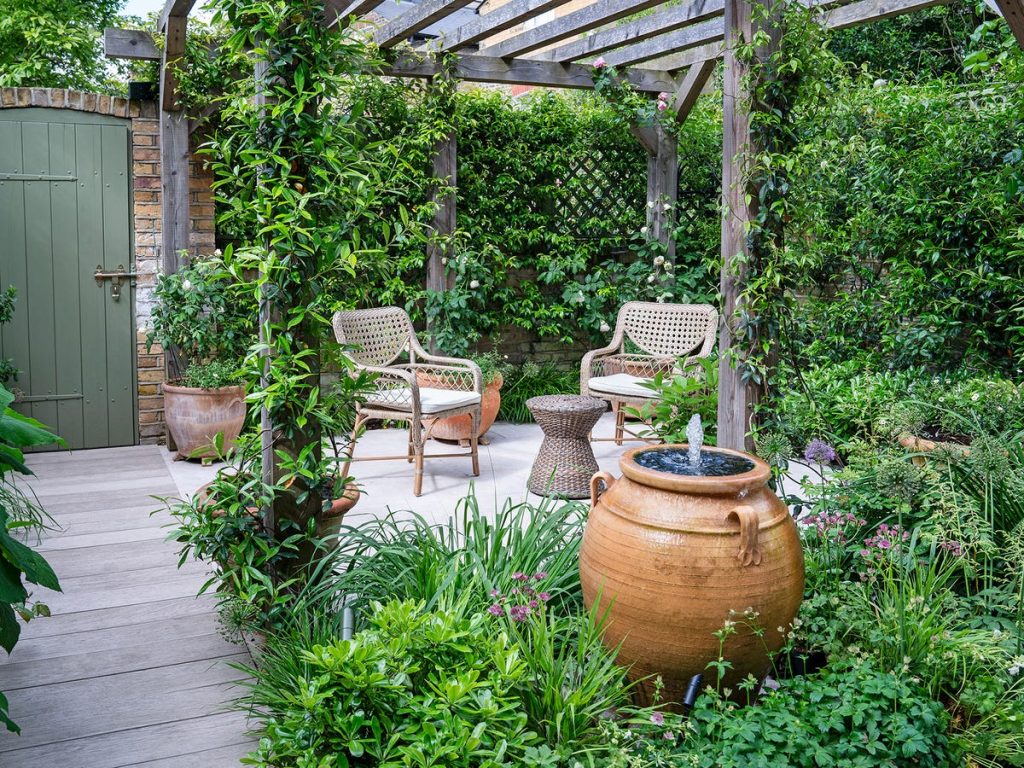
Seating areas invite you to linger and enjoy your garden. Start by choosing a location that offers a good view, perhaps near your favorite plants or a sunny spot. Consider different seating options like a cozy bench, a swinging chair, or even a picnic table. These can be functional and add to the garden’s aesthetic appeal. Don’t forget comfort. Adding cushions or pillows can make your seating area more inviting, encouraging you to spend more time outdoors.Integrating Water Features
Water features can bring a sense of tranquility to your garden. A small fountain or birdbath can attract wildlife, adding life and movement to your space. If you’re feeling adventurous, consider a pond. Even a small one can become a sanctuary for aquatic plants and creatures. Remember, water features require maintenance. Ensure you have the resources to keep them clean and functioning, enhancing your garden without becoming a burden. What features will you choose to make your garden uniquely yours?Maintaining Your Garden
Creating a garden design begins with selecting plants suited to your climate. Arrange them for visual balance and ease of maintenance. Incorporate paths and seating areas to enhance functionality.
Maintaining your garden is not just about keeping it alive but thriving. It’s a rewarding endeavor that requires attention and care. As you nurture your garden, you’ll find it becomes a serene retreat that reflects your dedication.Regular Watering Tips
Watering is the lifeblood of your garden. Ensure your plants receive consistent moisture, especially during dry spells. Morning is the best time to water, allowing plants to absorb moisture before the sun peaks. Consider investing in a drip irrigation system. This saves water and directs it to the roots where it’s needed most. Remember, overwatering can be just as harmful as underwatering.Pruning And Trimming
Pruning invigorates growth and keeps your plants healthy. Start by removing dead or diseased branches. This not only improves the plant’s appearance but also prevents the spread of disease. Trim back overgrown areas to encourage new growth. It’s amazing how a little trim can breathe new life into your plants. Keep your tools sharp to make clean cuts that heal quickly.Pest And Disease Management
Pests and diseases can wreak havoc on your garden. Regularly inspect your plants for any signs of trouble. Early detection is key to preventing a larger problem. Natural remedies, like neem oil, are effective and environmentally friendly. Rotate your plants each season to reduce the risk of diseases building up in the soil. Are you ready to tackle the challenges and enjoy the rewards of a flourishing garden?Sustainable Gardening Practices
Creating a garden involves choosing native plants that thrive in local conditions. Focus on soil health by adding compost and mulch. Use rainwater or drip irrigation systems to conserve water efficiently.
Sustainable gardening practices are essential for beginner gardeners. They not only protect the environment but also create healthy ecosystems. By embracing sustainable methods, you can grow a thriving garden while conserving resources. Here are some key practices to consider.Composting Waste
Composting transforms kitchen scraps into valuable nutrients for your garden. Gather fruit peels, vegetable scraps, and coffee grounds. Place them in a compost bin. Turn the pile occasionally to promote decomposition. In time, you’ll have rich soil to nourish your plants.Using Organic Fertilizers
Organic fertilizers enrich soil without harmful chemicals. They come from natural sources like bone meal or fish emulsion. Apply them to your garden to boost plant growth. This method supports healthy soil and reduces pollution.Promoting Biodiversity
Biodiversity strengthens your garden’s resilience. Plant a variety of species to attract beneficial insects. Encourage pollinators by growing flowers like lavender or sunflowers. Diverse gardens fight pests and diseases naturally, keeping plants healthy.Seasonal Care And Adjustments
Designing a garden for beginners involves understanding seasonal care and adjustments. Choose plants suited to your local climate and adapt your gardening techniques to different seasons. This ensures healthy growth and vibrant blooms throughout the year.
Designing a garden is a rewarding journey, but it requires careful attention to seasonal care and adjustments. Each season brings its own set of tasks and challenges, ensuring your garden remains vibrant and healthy year-round. Understanding how to adapt your gardening efforts with the changing seasons can make all the difference in the success of your green space.Preparing For Winter
Winter preparation is crucial to protect your plants from harsh weather. Start by mulching your garden beds to insulate roots and retain moisture. This simple step can prevent frost damage and reduce soil erosion. Consider trimming any dead or overgrown branches to minimize wind damage. It’s also a good time to clean and store garden tools properly, preventing rust and ensuring they’re ready for spring use. Have you ever thought about creating a winter garden plan? This quiet season offers the perfect opportunity to sketch out ideas for new plantings and layouts.Spring Planting
Spring is the season of new beginnings in the garden. Begin by assessing the soil’s condition; it might need enriching with compost or organic matter. This lays a fertile foundation for new growth. Next, choose plants that thrive in spring’s mild temperatures. Consider planting hardy perennials and cool-season vegetables like lettuce and peas. Is there a particular flower you love? Spring is the perfect time to plant bulbs like tulips and daffodils for vibrant colors that will brighten your garden.Summer Maintenance
As temperatures rise, your garden requires consistent care to flourish. Watering becomes a primary task; ensure deep watering early in the morning to minimize evaporation. Mulch can again be your ally, helping to retain soil moisture and suppress weeds. Pruning is another summer task that promotes healthy growth and removes spent blooms. Have you noticed any pests? Regular checks help manage infestations before they become problems. Finally, take a moment to enjoy your garden’s beauty and the fruits of your labor during this season. After all, what’s a garden for if not to bring joy and relaxation?
Credit: www.goodhousekeeping.com
Frequently Asked Questions
What Are The Basics Of Garden Design?
Start by choosing the right plants for your climate. Consider the garden’s layout and space. Incorporate features like pathways or seating areas. Regular maintenance is crucial for a thriving garden.
How Do I Choose Garden Plants?
Select plants based on your climate and soil type. Consider their growth habits and sunlight needs. Mix colors and textures for visual appeal. Native plants are often easier to maintain.
What Is The Best Garden Layout For Beginners?
Begin with a simple design, like geometric shapes or a grid. Ensure easy access to all plants. Incorporate pathways for convenience. Focus on symmetry and balance for a pleasing look.
How Can I Maintain A Beginner Garden?
Regular watering and weeding are essential. Prune plants to encourage growth. Mulch helps retain moisture and suppress weeds. Check for pests and diseases frequently.
Conclusion
Creating a garden from scratch is rewarding and fun. Start small. Choose easy plants. Consider sunlight and soil type. Plan paths and seating. Add personal touches like art or stones. Water regularly and keep the garden tidy. Enjoy the process.
Each step brings growth and beauty. Share your garden journey with friends and family. They might join in too. Gardening relaxes the mind and lifts the spirit. Begin today. Watch nature flourish in your backyard. It’s a hobby that enriches life.
Happy gardening!