Imagine stepping into your garden, greeted by the soothing scent of lavender wafting through the air. It’s a dream for many garden enthusiasts, but is it possible for you?
Lavender is not only beautiful and fragrant but also offers a range of benefits that could transform your outdoor space into a serene retreat. Whether you’re a seasoned gardener or a curious beginner, planting lavender might be the perfect addition to your garden.
But before you start digging, there are a few essential things you need to know. Does your garden have the right conditions for lavender to thrive? Can you maintain its beauty and health with ease? Discover the secrets to successfully growing lavender in your garden and unlock a world of relaxation and beauty right outside your door. Dive into this article to find out how you can make lavender a stunning part of your garden oasis.
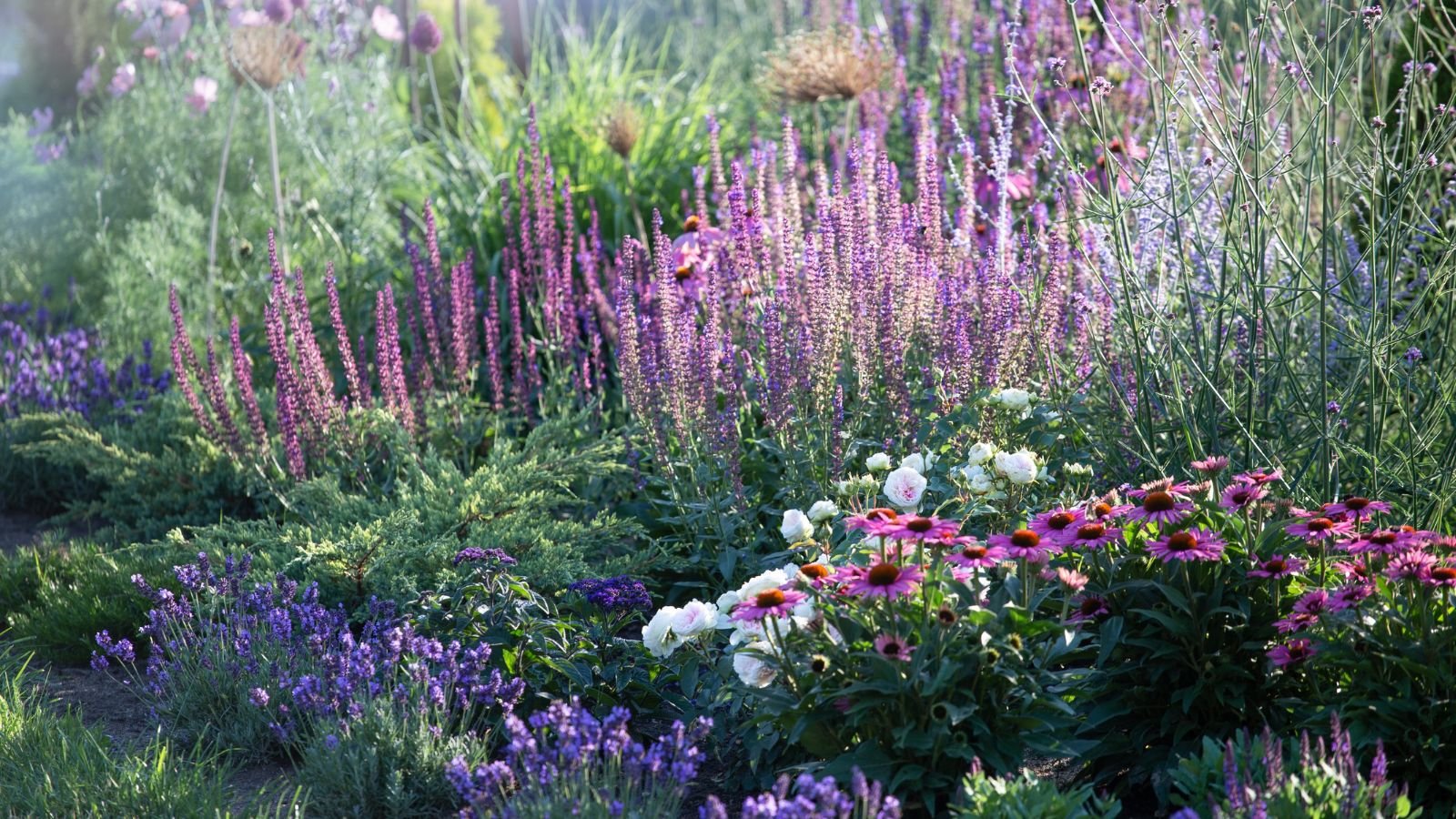
Credit: www.epicgardening.com
Choosing The Right Lavender Variety
Selecting the ideal lavender variety ensures a thriving garden. Consider climate, soil type, and sunlight in your area. English lavender often suits cooler climates, while French lavender prefers warmer regions.
Choosing the right lavender variety is crucial for a thriving garden. Each variety has unique characteristics and growing needs. Picking the suitable one can enhance your garden’s beauty and fragrance. Let’s explore popular varieties and how climate affects their growth.Popular Lavender Varieties
Lavender comes in many types, each with its own appeal. – English Lavender: Known for its sweet scent, it blooms in early summer. It’s perfect for hedges and borders. – French Lavender: It has unique, tufted blooms and thrives in warmer climates. Its leaves are aromatic, adding charm to gardens. – Spanish Lavender: This variety is hardy and drought-tolerant. It boasts unique pineapple-shaped blooms. – Lavandin: A hybrid of English and Portuguese lavenders, it offers tall spikes and strong fragrance. Ideal for crafting.Climate Considerations
Climate plays a big role in lavender’s growth. – Warm Climates: French and Spanish lavenders flourish here. They love the heat and tolerate dry conditions. – Cool Climates: English lavender is best suited for cooler regions. It withstands frost better than other types. – Mediterranean Climate: Lavandin thrives with its love for dry summers and mild winters. Understanding your climate helps in choosing the right lavender. This ensures healthy growth and vibrant blooms.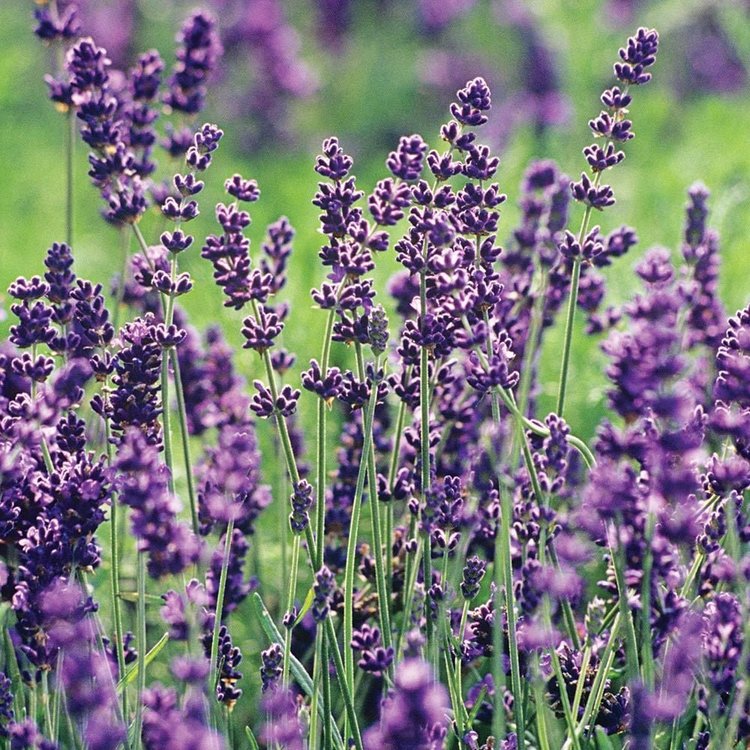
Credit: www.azurefarmlife.com
Preparing Your Garden For Lavender
Lavender thrives in sunny gardens with well-drained soil. Choose a location with at least six hours of sunlight daily. Ensure the soil is sandy or gravelly to prevent waterlogging.
Planting lavender in your garden can transform it into a fragrant, serene oasis. Before you start this aromatic journey, it’s crucial to prepare your garden to ensure your lavender thrives. This preparation begins with understanding the specific needs of lavender and tailoring your garden to meet those requirements.Soil Requirements
Lavender thrives in well-draining soil. If your garden soil is heavy or clay-like, consider amending it with sand or gravel. This addition promotes drainage and mimics the Mediterranean environment that lavender loves. A pH level between 6.5 and 7.5 is ideal for lavender. You can test your soil’s pH with a simple kit from a garden store. If needed, adjust the pH using lime to raise it or sulfur to lower it. Don’t forget about the nutrient aspect. Lavender prefers soil that’s not overly rich in nutrients. Avoid over-fertilizing, as this can lead to poor flower production and reduced fragrance.Sunlight Needs
Lavender is a sun-loving plant. Ensure your garden spot receives at least six hours of direct sunlight daily. The more sun, the better. Think about how shadows from trees or buildings might affect your chosen spot. Will your lavender bask in the sun or languish in shade? Adjust your planting area accordingly. Consider your local climate. In cooler regions, lavender may benefit from being planted near a south-facing wall to capture extra warmth. In hotter areas, some afternoon shade might help prevent scorching. By addressing these crucial aspects, you’re setting the stage for a thriving lavender garden. Have you thought about how these conditions align with your garden’s current state?Planting Lavender Successfully
Planting lavender successfully is within your reach with a little planning and care. With its beautiful purple blooms and soothing fragrance, lavender can be a delightful addition to your garden. Whether you’re a seasoned gardener or just starting out, understanding the best practices for planting lavender will help your garden thrive.
Optimal Planting Time
The timing of planting lavender can significantly impact its growth and bloom. Aim to plant lavender in the spring, when the soil has warmed up and the risk of frost has passed. This gives the plants a chance to establish roots before the heat of summer. If you live in a warmer climate, you might also consider planting in early autumn to give the lavender a head start before winter. Have you ever noticed how gardens seem to come alive in spring? It’s the perfect season for new beginnings.
Spacing And Arrangement
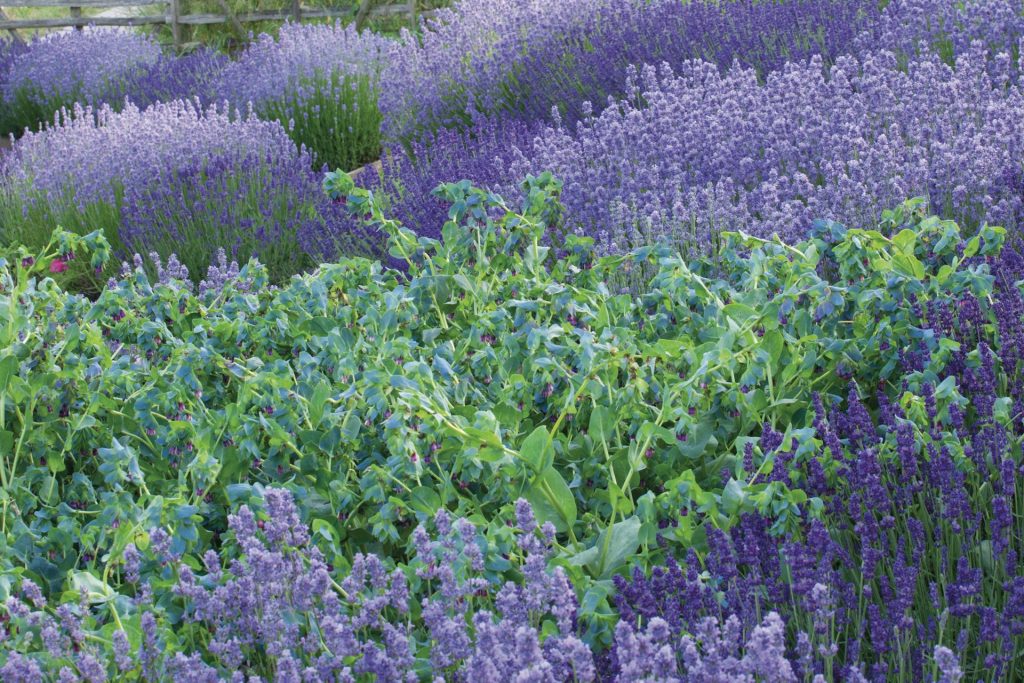
Proper spacing is crucial for lavender to flourish. Allow enough space between plants to promote air circulation, which helps prevent disease. Generally, spacing them 12 to 18 inches apart is a good rule of thumb. This also ensures that each plant has enough room to grow without competing for nutrients. Picture a garden where each lavender plant has its own space to shine, creating a tapestry of purple beauty.
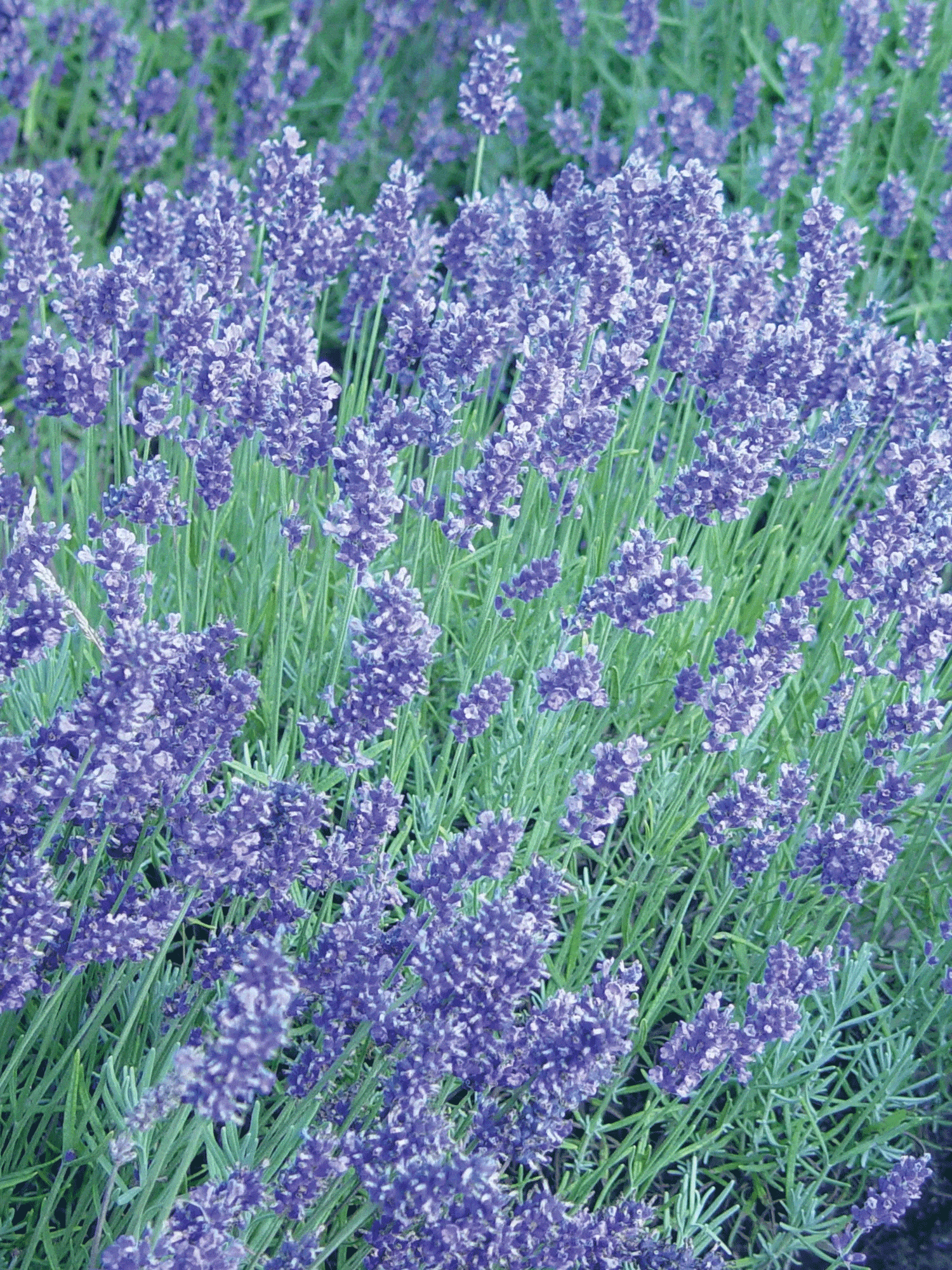
Consider the arrangement in your garden layout. Lavender looks stunning when planted in rows or as borders, adding structure and beauty. You could even create a lavender hedge for a fragrant pathway. How do you envision your lavender garden? Let your creativity guide the arrangement to complement the overall landscape.
Credit: www.veranda.com
Caring For Lavender Plants
Lavender thrives in sunny gardens with well-drained soil. Space plants to allow air circulation and prevent disease. Regular pruning encourages bushy growth and vibrant blooms.
Caring for lavender plants is crucial for their health and beauty. They thrive with the right balance of water, sun, and attention. Understanding their needs makes them flourish in your garden.Watering Techniques
Lavender prefers dry conditions. Watering should be infrequent but deep. Ensure the soil is dry before watering again. Use well-draining soil to prevent root rot. Avoid wet leaves to prevent fungal diseases. Water at the base, not from above.Pruning And Maintenance
Pruning keeps lavender healthy and encourages growth. Trim the plants after flowering. Cut back about a third of the plant. Avoid cutting into the woody part. Regular pruning maintains shape and prevents legginess. Remove dead flowers to promote new blooms. Keep an eye on pests and diseases. Regular maintenance ensures vibrant lavender plants.Pest And Disease Management
Lavender can thrive in gardens with proper care. Plant in well-drained soil and sunlight to prevent diseases. Regular checks for pests and good air circulation help maintain healthy lavender plants.
Pest and disease management is a crucial part of maintaining a healthy lavender garden. While lavender is generally hardy and resistant, certain pests and diseases can pose a threat. Understanding these threats and learning how to manage them can help ensure your lavender thrives.Common Pests
Lavender is usually resilient, but sometimes pests like aphids and spider mites can be a nuisance. Aphids are small, sap-sucking insects that can cluster on stems and leaves. They can be managed by spraying them with a mixture of water and a few drops of dish soap. Spider mites, tiny creatures that can cause webbing and yellowing of leaves, thrive in dry conditions. You can reduce their presence by regularly misting your plants with water to increase humidity. Have you noticed any pests on your lavender lately?Disease Prevention
Lavender is prone to root rot if it sits in waterlogged soil. Ensure your garden has well-draining soil to prevent this issue. It’s also helpful to plant lavender in raised beds or containers to improve drainage. Fungal diseases can also affect lavender, particularly in humid climates. Pruning your plants to improve air circulation can reduce the risk of fungal infections. Regularly check your lavender for any signs of disease, such as discolored leaves or wilting, and act quickly to remove affected areas. By staying vigilant and proactive, you can keep your lavender garden healthy and flourishing. What measures are you taking to protect your lavender?Harvesting And Uses Of Lavender
Planting lavender in your garden offers delightful benefits. Harvest its fragrant flowers to make essential oils or soothing teas. This versatile herb adds beauty and aroma to any outdoor space.
Planting lavender in your garden offers not only visual beauty but also a treasure trove of uses and benefits. The journey doesn’t end with planting; harvesting lavender at the right time is crucial to ensure you get the most out of this fragrant herb. From personal care products to culinary delights, lavender’s versatility makes it a must-have in any garden.When To Harvest
Lavender should be harvested when approximately half of the flower buds have opened. This is typically in the morning when the oils are most concentrated. Snip the stems gently to avoid damaging the plant, and make sure you have a basket ready to collect your aromatic bounty.Lavender Uses And Benefits
Lavender is more than just a pretty face in your garden. It can be used in homemade sachets to keep your linens smelling fresh. Its essential oils are popular in aromatherapy for their calming effects. Consider adding dried lavender to baked goods for a unique flavor twist. Many people swear by lavender tea as a soothing bedtime drink. Have you ever thought about using lavender in your skincare routine? Its natural properties make it an excellent choice for soothing irritated skin. With so many uses, how will you incorporate lavender into your life?Frequently Asked Questions
Can Lavender Grow In All Climates?
Lavender prefers warm, dry climates and well-drained soil. It thrives in USDA hardiness zones 5-9. In colder areas, consider indoor planting or protective measures. Ensure your garden receives full sunlight. Avoid overly humid conditions, as they can cause root rot.
With the right environment, lavender can flourish beautifully in your garden.
How Often Should I Water Lavender?
Water lavender sparingly to avoid root rot. Once established, it requires watering every two weeks. In hotter climates, increase frequency slightly. Ensure the soil is dry between watering. Overwatering can harm the plant. Proper drainage is crucial for healthy lavender growth.
Remember, lavender thrives in dry conditions.
What Soil Is Best For Lavender?
Lavender flourishes in well-drained, sandy, or gravelly soil. Ensure the soil pH is between 6. 5 and 7. 5. Avoid heavy clay soils, as they retain moisture. Adding organic matter can improve drainage. Test your soil’s pH level before planting.
Proper soil conditions are essential for vibrant lavender growth.
Can Lavender Be Grown In Pots?
Yes, lavender can be grown in pots successfully. Use well-draining soil and a pot with drainage holes. Ensure the plant receives full sunlight. Water sparingly to avoid root rot. Regularly trim to maintain shape. Potted lavender offers flexibility in placement and can enhance any garden or patio space.
Conclusion
Lavender is a great choice for your garden. It’s beautiful and fragrant. Easy to grow too. Start with good soil and lots of sunlight. Water it sparingly, letting the soil dry out between. Trim it to keep it healthy. Lavender’s calming scent can enhance your garden space.
It’s a favorite among gardeners. A joy to plant and watch grow. Perfect for creating a peaceful garden atmosphere. Consider adding lavender to your garden plans. You’ll enjoy its many benefits. Happy gardening!