
Have you ever wondered when the perfect time is to start your eggplant seeds indoors for your New Jersey garden? You’re not alone!
Timing is everything when it comes to gardening, and starting your seeds indoors can make all the difference in your harvest. Imagine juicy, vibrant eggplants ready to grace your summer table. Sounds tempting, right? But how do you achieve that perfect crop?
By understanding the unique climate of New Jersey and how it influences your gardening schedule, you can boost your chances of success. Stick with us, and you’ll discover the secrets to kicking off your eggplant growing season at just the right moment. Let’s get your garden thriving!
Optimal Timing For Seed Starting
Starting eggplant seeds indoors requires precise timing to ensure your plants thrive in your NJ garden. Knowing when to begin this process can make all the difference between a bountiful harvest and a less fruitful outcome. The key is understanding your local climate and frost dates, which serve as a vital guide in determining the optimal moment to sow your seeds.
Understanding Nj Climate
New Jersey’s climate can be somewhat unpredictable, with fluctuating temperatures throughout spring. While it boasts a mix of humid continental and humid subtropical climates, it’s essential to know your specific zone to tailor your gardening efforts. New Jersey generally falls under USDA hardiness zones 6 and 7, which influence when you should start seeds indoors. By considering these zones, you can better predict temperature patterns and plan accordingly.
Frost Dates And Their Importance
Frost dates are crucial for planning your seed starting. These dates indicate the last expected frost in spring and the first in fall, helping you avoid planting too early or too late. In NJ, the last frost typically occurs around mid-April to early May, depending on your exact location. Starting eggplant seeds indoors about 6 to 8 weeks before this date ensures they are ready to transplant when the soil warms up.
Have you ever faced the disappointment of starting seeds too early, only to have them damaged by unexpected frost? Timing your seed starting with frost dates can prevent such mishaps. Consider using tools like seed starting charts or online frost calculators to pinpoint the best sowing period for your garden.
Optimizing your seed starting time can be a game-changer for your garden. Are you ready to take control of your planting schedule? Understanding NJ climate patterns and frost dates will empower you to make informed decisions, leading to healthier plants and abundant yields.
Choosing The Right Eggplant Varieties
Start eggplant seeds indoors in late February for a New Jersey garden. Choose varieties that thrive in local conditions. This ensures healthy plants ready for transplanting in May.
Choosing the right eggplant varieties can make a significant difference in your NJ garden. Eggplants come in a wide range of colors, shapes, and sizes, each offering unique flavors and growing conditions. Making the right choice ensures a bountiful harvest and a delightful culinary experience.Popular Varieties For Nj
Growing eggplants in New Jersey is rewarding, especially when you choose varieties that thrive in the local climate. Black Beauty is a classic favorite known for its large, glossy fruits and robust growth. Another great option is the Ichiban, a Japanese variety that produces slender, tender fruits perfect for grilling. If you’re looking for something unique, try the Fairy Tale, which offers petite, sweet fruits with a striking purple and white striped appearance.Disease Resistant Options
Selecting disease-resistant varieties can save you time and frustration. Nadia is a robust variety with a strong resistance to common diseases like verticillium wilt and tobacco mosaic virus. Galine is another excellent choice, offering resistance to bacterial wilt and producing high yields. Consider Rosa Bianca if you seek an heirloom variety that not only resists common diseases but also adds a touch of elegance to your garden with its pastel-colored fruits. When planning your eggplant garden, have you considered how different varieties might impact your culinary adventures? By choosing wisely, you can enjoy not only a successful growing season but also a diverse range of flavors in your kitchen.Preparing For Indoor Seed Starting
Eggplant seeds thrive indoors when started early March for New Jersey gardens. This timing aligns with spring’s arrival, ensuring healthy transplants.
Preparing for Indoor Seed Starting Starting eggplant seeds indoors is a crucial step for NJ gardeners. It’s essential to get a head start before the outdoor growing season begins. Indoor seed starting allows you to control the environment, ensuring optimal conditions for germination. This process involves gathering necessary supplies and creating ideal growing conditions for your eggplants.Gathering Necessary Supplies
Begin by collecting all essential materials for seed starting. You’ll need seed trays or pots, potting soil, and eggplant seeds. Labels are helpful to keep track of different varieties. A watering can or spray bottle ensures gentle watering. Consider investing in a grow light, especially if natural light is limited. A heat mat can also aid in maintaining soil temperature.Creating Ideal Growing Conditions
Set up a dedicated space for your seeds indoors. Ensure the location has consistent warmth and light. Eggplants thrive with temperatures around 70-80°F. Position grow lights 2-4 inches above the seedlings. Maintain 12-16 hours of light daily for healthy growth. Keep the soil consistently moist without overwatering. Good air circulation prevents mold and supports healthy seedlings. Regularly check the temperature and humidity levels for optimal growth.Seed Germination Process
Begin eggplant seeds indoors in late February for New Jersey gardens. Ensure soil temperatures are warm enough for optimal growth.
Starting eggplant seeds indoors is a crucial step for New Jersey gardeners aiming for a bountiful harvest. Understanding the seed germination process can significantly enhance your gardening success. Eggplants require a bit of attention and care during their initial growth stages. By mastering the techniques of seed treatment, temperature, and moisture control, you can ensure a robust start to your gardening season.Seed Treatment Techniques
Eggplant seeds benefit from specific treatments to improve germination rates. Soaking seeds in lukewarm water for 24 hours can help soften the seed coat, making it easier for sprouts to emerge. Some gardeners prefer the scarification method, gently rubbing seeds with sandpaper to break the outer layer. This technique can be particularly effective if your seeds have been stored for a while. Experiment with these treatments to find what works best for you.Temperature And Moisture Control
Eggplants thrive in warm conditions, making temperature control vital for seed germination. Aim to maintain a steady temperature between 75°F and 85°F. Consider using a heat mat if your indoor environment tends to be cooler. Moisture is equally crucial—keep the soil consistently damp but not waterlogged. You might find using a humidity dome helpful to retain moisture. How do you ensure your seeds get just the right amount of warmth and hydration?Transplanting Seedlings Outdoors
Start eggplant seeds indoors 8-10 weeks before the last frost in New Jersey. This gives seedlings enough time to grow strong before transplanting. Consider local frost dates for precise timing.
Transplanting eggplant seedlings outdoors in your New Jersey garden is a crucial step. It requires careful timing and preparation to ensure the plants thrive in their new environment. The key is to wait until the danger of frost has passed and the soil has warmed sufficiently, usually around late May to early June.Hardening Off Process
The hardening off process is essential for your seedlings to adapt to the outdoor conditions. Gradually introduce your plants to the outside world by placing them outdoors for a few hours each day. Increase the time they spend outside over a week or two, protecting them from harsh winds and direct sunlight initially. Think about it like easing into a cold pool. You wouldn’t jump straight in, right? This gradual acclimation helps your seedlings become sturdy and less prone to transplant shock. Missing this step could lead to stunted growth or even plant loss.Selecting The Right Garden Spot
Choosing the right spot in your garden can make a huge difference. Eggplants need full sun for at least 6 to 8 hours a day. Look for a spot with well-draining soil to prevent waterlogging, which can damage the roots. Remember to consider the previous crops planted in that area. Avoid areas where other nightshades like tomatoes or peppers have grown recently to reduce the risk of soil-borne diseases. Picture your eggplants basking in a sunny, spacious spot, free from competition and ready to produce an abundant harvest. Does your chosen spot have protection from strong winds? A windbreak can help. Try using a fence or nearby shrubbery to shield your plants while allowing them the warmth and light they crave.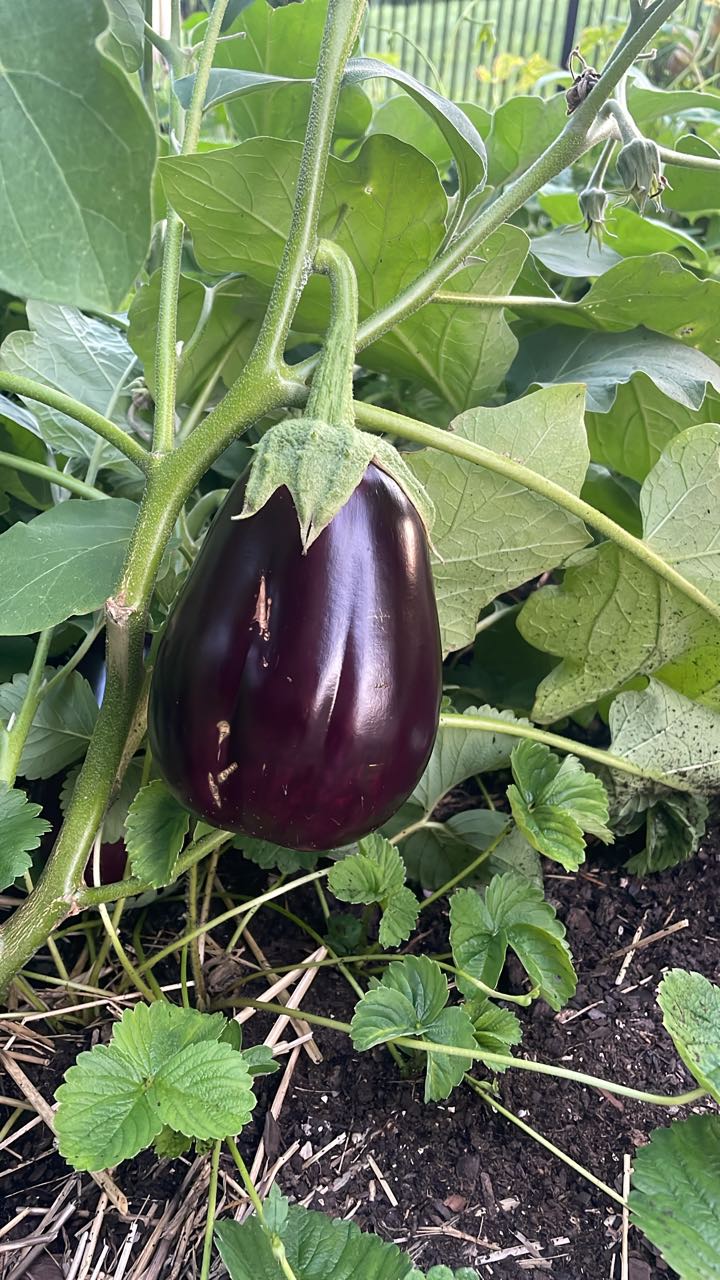
Credit: www.facebook.com
Common Challenges And Solutions
Starting eggplant seeds indoors in New Jersey can be tricky. Begin about 8-10 weeks before the last frost date. This helps seedlings grow strong before transplanting outdoors.
Starting eggplant seeds indoors in New Jersey can be rewarding. But it comes with challenges. Understanding and tackling these hurdles can ensure healthy growth.Dealing With Pests
Pests like aphids and spider mites can harm young plants. Regularly inspect the leaves for signs of infestation. Use insecticidal soap to manage pests. Keep seedlings well-spaced to improve air circulation. This reduces the risk of pest problems.Overcoming Weather Extremes
New Jersey’s weather can be unpredictable. Late frost or sudden cold spells are common. Use grow lights or heat mats to maintain a stable temperature. Cover seedlings with plastic or cloth to shield them from cold snaps. Monitor local weather forecasts for sudden changes. This helps in quick protective measures.Additional Tips For Successful Growth
Start eggplant seeds indoors in New Jersey six to eight weeks before the last expected frost. Ensure the soil is warm and provide ample light. Consistent watering will help seedlings thrive for a successful garden.
Starting eggplant seeds indoors can be a rewarding experience. Success relies on a few key tips beyond timing and technique. These additional insights can boost your garden’s productivity and yield healthier plants.Companion Planting Ideas
Pair eggplants with beneficial companions to enhance growth. Good companions include beans, which fix nitrogen in the soil. Marigolds deter pests like nematodes, protecting your eggplants. Spinach can be a space-saving companion, growing well in shaded areas. Basil repels aphids, keeping your plants safe from infestations. Choose companions that match your garden’s needs for a thriving ecosystem.Maintaining Soil Health
Healthy soil is crucial for strong eggplants. Rotate crops yearly to prevent soil depletion. Add organic matter, such as compost, to enrich the soil. Mulch helps retain moisture and suppress weeds. Test soil pH regularly; eggplants prefer slightly acidic soil, around 5.5 to 6.8. Use natural fertilizers to promote growth without harming the environment. Keeping soil healthy ensures robust plants and bountiful harvests.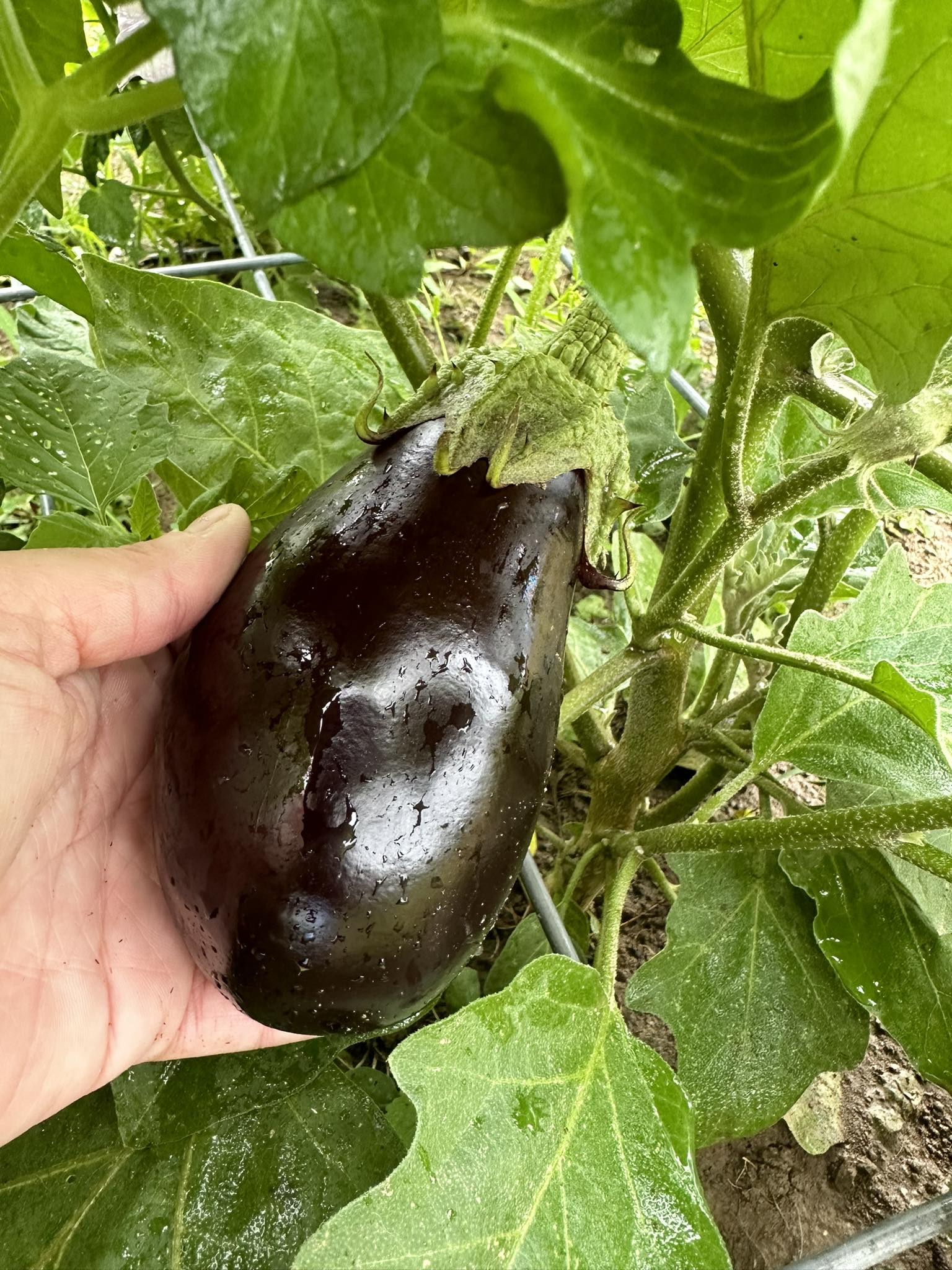
Credit: www.facebook.com

Credit: savvygardening.com
Frequently Asked Questions
How Early Can I Start Eggplant Seeds Indoors?
Starting eggplant seeds indoors 8 to 10 weeks before last frost is ideal for NJ. This timing ensures a strong start for your plants. New Jersey’s last frost typically occurs around mid-April to early May. This preparation helps plants transition smoothly to outdoor conditions.
What Is The Best Temperature For Eggplant Seed Germination?
Eggplant seeds germinate best at temperatures between 75°F and 85°F. Maintaining consistent warmth encourages successful germination. Using heat mats can help achieve the optimal temperature range. Ensuring these conditions will result in healthy seedlings ready for transplanting.
How Much Light Do Eggplant Seedlings Need Indoors?
Eggplant seedlings require 14-16 hours of light daily indoors. Using grow lights ensures they receive adequate light for growth. Position lights close to seedlings for best results. This lighting schedule promotes robust growth and prepares them for outdoor planting.
When Should I Transplant Eggplant Seedlings Outside?
Transplant eggplant seedlings outdoors after the last frost, around mid-May in NJ. Wait until temperatures are consistently above 55°F. Gradually acclimate seedlings to outdoor conditions before transplanting. This ensures they adapt well and thrive in your garden.
Conclusion
Starting eggplant seeds indoors in New Jersey is simple. Late February to March is ideal. This timing ensures strong plants. Warmer days help them grow well. Remember to provide light and warmth. A sunny windowsill or grow light works best.
Keep soil moist but not drenched. Transplant outdoors when frost ends. Eggplants thrive in well-drained soil. Regular watering is crucial. Keep an eye on pests and diseases. With care, enjoy a bountiful harvest. Gardening is rewarding. Happy planting!







