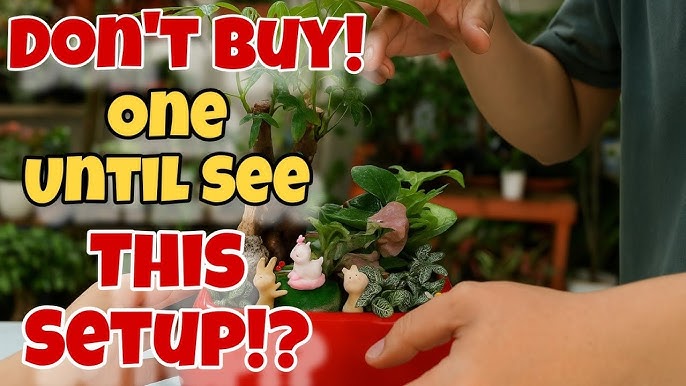
Imagine walking into your home and being greeted by the lush greenery of your very own indoor garden. This serene oasis is not just a feast for your eyes, but also a breath of fresh air that invigorates your spirit.
Creating an indoor garden might seem like a daunting task, but with the right guidance, you can transform any corner of your home into a vibrant natural haven. Have you ever wondered how you can seamlessly bring the beauty of nature indoors?
This guide is crafted with you in mind, offering simple, actionable steps that will make the process effortless and enjoyable. Whether you have a sprawling living room or a cozy apartment, there are countless ways to make your indoor garden a reality. Dive into this article and discover how you can cultivate tranquility, creativity, and health right at home. Your journey to a greener lifestyle starts here—let’s create your indoor sanctuary together!
Choosing The Right Space
Choosing the right space is vital for your indoor garden. Pick a spot with enough natural light and proper ventilation. Ensure the area is easily accessible for regular care and maintenance.
Choosing the Right Space Creating an indoor garden is a delightful endeavor, but finding the right space is crucial to its success. Selecting a location in your home that supports plant growth and complements your lifestyle can transform your living area into a green oasis. Let’s dive into how you can choose the perfect spot for your indoor garden.Assessing Natural Light
Natural light is the lifeline of any indoor garden. Start by observing how light travels through your home throughout the day. Identify areas that receive the most sunlight, especially during mornings and afternoons when the light is less intense but abundant. Do you have large windows or skylights? These are ideal spots for sun-loving plants such as succulents and herbs. If your space lacks natural light, consider using grow lights to supplement the needs of your plants. Remember, the brighter the area, the more options you have for plant types.Utilizing Small Areas
Lack of space shouldn’t deter you from cultivating your indoor garden. Small areas can be just as effective for growing plants. Think creatively—how about a vertical garden on a wall or a set of shelves near a window? Even a small corner in your kitchen or bathroom can be transformed into a thriving green space. Hanging planters, tiered plant stands, or window sills can accommodate a surprising amount of greenery. Could a tiny space in your home become the lush spot you didn’t know you needed? The possibilities are endless, encouraging you to maximize every inch with life and color.Selecting Plants For Indoor Gardens
Choosing the right plants for an indoor garden is essential. Consider light, humidity, and space needs. Popular options include succulents, ferns, and peace lilies, which thrive indoors with minimal care.
Selecting Plants for Indoor Gardens Creating an indoor garden can be a rewarding experience, offering a touch of nature’s tranquility right inside your home. One of the most crucial steps in this endeavor is choosing the right plants. The success of your indoor garden largely depends on selecting plants that thrive in your home’s environment. Whether you have abundant sunlight or limited lighting, there’s a plant for every corner. Let’s explore your options.Best Low-light Plants
If your home lacks natural sunlight, don’t worry. Many plants thrive in low-light conditions, turning dim spaces into lush green sanctuaries. Consider the resilient Snake Plant—it’s nearly indestructible and can survive in almost any light condition. The graceful ZZ Plant is another excellent choice, with its glossy leaves brightening up any room. Pothos, known for its long trailing vines, can also flourish without much sunlight. These plants not only survive but thrive with minimal care, making them perfect companions for busy lifestyles.Herbs For Indoor Growing
Imagine having fresh herbs at your fingertips, ready to elevate your culinary adventures. Growing herbs indoors is not only practical but also rewarding. Basil, with its aromatic leaves, can transform your pasta dishes. Mint is perfect for refreshing drinks or a quick addition to salads. Chives add a delicate onion flavor to your dishes without overpowering them. Start small with a few pots on your windowsill and enjoy the convenience and freshness of homegrown herbs. Plus, nurturing these green wonders can be a therapeutic escape from daily stress.Pet-friendly Options
For pet owners, the safety of your furry friends is a priority when choosing indoor plants. Fortunately, there are several pet-friendly options that allow you to enjoy greenery without worry. Spider Plants are a fantastic choice; they’re non-toxic and add a playful touch with their cascading leaves. Boston Ferns offer lush foliage and are safe for cats and dogs alike. Consider the charming Peperomia species, which are not only safe but also easy to care for. Enjoy a vibrant indoor garden without compromising your pets’ safety. Do you have a favorite plant that brightens your day? Share your indoor gardening experiences and tips in the comments below!Essential Gardening Tools
Creating an indoor garden at home is a delightful hobby. It brings nature closer and adds greenery to your space. To start your indoor garden journey, having the right tools is vital. They make planting and caring for plants easier and more enjoyable. Let’s explore the essential gardening tools needed for your indoor garden.
Must-have Tools
Every gardener needs basic tools to nurture plants effectively. These tools help with planting, pruning, and maintaining plant health. Here are some must-have tools for indoor gardening:
- Watering Can:A small watering can with a narrow spout is ideal. It helps reach plants without spilling water.
- Pruning Shears:These are essential for trimming plants. They keep your plants healthy and tidy.
- Hand Trowel:A trowel is perfect for digging small holes. It’s useful for transplanting plants.
- Plant Mister:This tool is great for humidity-loving plants. It helps keep leaves moist.
- Garden Gloves:Protect your hands from dirt and sharp tools. Comfortable gloves make gardening more enjoyable.
Optional Accessories
While the above tools are essential, some accessories can enhance your gardening experience. They offer convenience and additional care for your plants:
- Grow Lights:These provide extra light, especially in dim rooms. They help plants grow strong.
- Plant Labels:Use these to identify plants. They help keep track of plant types and care instructions.
- Soil Moisture Meter:This tool checks soil moisture levels. It helps prevent over or under-watering.
- Seed Starter Kit:These kits are useful for starting plants from seeds. They provide the right environment for seed germination.
- Plant Stand:Elevate your plants with a stand. It allows better light exposure and aesthetics.

Credit: m.youtube.com
Creating Ideal Conditions
Creating Ideal Conditions Ensure proper light by placing plants near windows. Use pots with drainage holes to avoid overwatering. Maintain moderate temperature and humidity for healthy growth.
Creating an ideal environment for your indoor garden is like setting the stage for a great play. Every element, from temperature to soil, plays a crucial role in ensuring your plants thrive. By understanding and fine-tuning these conditions, you can cultivate a lush indoor garden that brings life and color into your home.Temperature And Humidity
Maintaining the right temperature is vital for your indoor garden’s success. Most houseplants thrive in temperatures between 65°F and 75°F. Consider using a digital thermometer to monitor the temperature, especially if you live in an area with fluctuating climates. Humidity can make or break your indoor garden. Many plants prefer higher humidity levels, around 40-60%. You can increase humidity by misting plants regularly or placing a small humidifier nearby. Another simple trick is to place a shallow tray of water near your plants, allowing the evaporating water to boost humidity levels.Soil And Fertilizers
The right soil is the foundation of a healthy indoor garden. Choose a well-draining potting mix suitable for your specific plants. If you’re growing succulents, for instance, use a cactus mix that allows for quick drainage. Fertilizers can give your plants the nutrients they need to grow strong and vibrant. Use a balanced, water-soluble fertilizer every few weeks during the growing season. Always follow the instructions on the fertilizer package to avoid overfeeding, which can harm your plants. Do you remember the last time you gave your plants a little extra care, and they rewarded you with vibrant growth? Paying attention to these simple details can make your indoor garden flourish. So, what steps will you take today to create ideal conditions for your plants?Watering Techniques
Select pots with drainage holes to prevent root rot. Use a spray bottle for misting delicate plants. Water deeply but less frequently to encourage strong roots.
Watering your indoor garden can be a delicate balance, but it’s a crucial part of nurturing healthy plants. The right technique ensures that your plants get the hydration they need without drowning them. Knowing when and how to water can make all the difference in creating a thriving indoor oasis.Signs Of Overwatering
Overwatering is a common mistake that can harm your plants. Look out for yellowing leaves, which often indicate your plant is getting too much water. Another sign is wilting, even though the soil feels damp. Check the roots; if they’re mushy or brown, it’s a warning sign. Remember, not every plant needs the same watering schedule. Adjust based on the plant species and your home’s humidity levels.Efficient Watering Methods
Watering efficiently means using just enough water to reach the plant’s roots without leaving the soil soggy. Use a watering can with a long spout to direct water precisely where it’s needed. Consider watering in the morning, allowing plants to absorb moisture throughout the day. You could also use a self-watering pot to maintain consistent moisture levels. Grouping plants with similar water needs can help manage your watering routine. Keep a journal or set reminders to track which plants need water and when. What techniques work best for your indoor garden? Experiment and share your findings with fellow gardeners!Designing Your Garden Layout
Creating an indoor garden begins with choosing the right space for your plants. Consider light conditions and accessibility. Use containers that fit the area and match the decor.
Designing your indoor garden layout is an exciting journey that combines creativity with practicality. It’s about envisioning how your plants will transform your space and deciding which arrangements will best suit your lifestyle and home aesthetics. To craft an indoor oasis that’s both functional and beautiful, consider how different gardening styles can fit into your available space and light conditions.Vertical Gardens
Vertical gardens offer a stunning solution for small spaces. They allow you to utilize your walls or any vertical surfaces to grow plants, adding greenery without taking up floor space. You can use wall-mounted planters or hanging pots to create a lush, green tapestry. Imagine your living room transformed with a vertical herb garden. Not only does it provide fresh ingredients at your fingertips, but it also adds a vibrant touch to your decor. Vertical gardens can also improve air quality, making them both a practical and aesthetic choice. Are you ready to turn your walls into a living piece of art?Container Gardening Ideas
Container gardening offers flexibility and creativity. You can choose pots of various sizes, shapes, and materials to match your decor while accommodating the needs of different plants. Consider using a mix of ceramic pots, wooden boxes, and recycled containers to add personality to your garden. Grouping containers with different heights can create a dynamic and visually appealing arrangement. Why not place a collection of small succulents on your window sill? They require minimal care and add a touch of nature to your space. Your containers can become focal points in your home, making your indoor garden a true reflection of your style. Engaging with your indoor garden can be a therapeutic escape. Whether you opt for vertical gardens or container setups, each choice will bring your personal touch to your home. How will you design your indoor sanctuary?Maintenance Tips
Regular watering keeps plants healthy and vibrant. Ensure adequate sunlight reaches the garden space. Use quality soil and fertilizers for optimal growth.
Creating an indoor garden is a delightful way to bring nature inside. Maintaining it ensures that your plants thrive and stay healthy. This guide offers essential maintenance tips for your indoor garden.Pruning And Trimming
Pruning keeps plants healthy and encourages growth. Regularly check for dead leaves or branches. Use sharp scissors for clean cuts. Trim long stems to maintain shape. This prevents plants from becoming too bushy. Pruning also helps light reach lower leaves. Trim flowers after blooming to promote new growth.Pest Control Strategies
Indoor gardens can attract pests. Check plants weekly for signs of bugs. Use a soft cloth to wipe leaves gently. This removes dust and potential pests. Natural sprays can deter insects. Mix water with a few drops of dish soap for a homemade spray. Ensure good air circulation. This helps prevent mold and fungi. Keep plants healthy to resist pests naturally.
Credit: www.instagram.com
Incorporating Technology
Integrate smart sensors to monitor plant health effortlessly. Use automated watering systems for consistent moisture levels. Employ LED grow lights to mimic sunlight indoors, ensuring plants thrive year-round.
Incorporating technology into your indoor garden can transform a simple hobby into a thriving, tech-savvy ecosystem. With the rise of smart devices, it’s easier than ever to care for your plants with precision and efficiency. Whether you’re a seasoned gardener or a newbie, integrating technology can simplify your gardening routine and enhance plant growth.Smart Planters
Smart planters are an innovative way to elevate your indoor gardening experience. These devices come equipped with sensors that monitor soil moisture, light, and temperature. Some even connect to your smartphone, giving you real-time updates on your plant’s health. Imagine sipping your morning coffee while receiving a notification that your basil needs watering. That’s the convenience smart planters bring. They not only make it easier to care for your plants but also help you learn more about their specific needs.Automated Watering Systems
Gone are the days of guessing when to water your plants. Automated watering systems ensure that your plants receive just the right amount of water, preventing both overwatering and underwatering. These systems can be set on a timer or controlled via a smartphone app, offering flexibility and peace of mind. Think about the last time you left home for a vacation and worried about your plants’ survival. An automated watering system can relieve that stress, keeping your plants hydrated while you’re away. Plus, it’s a great conversation starter when guests notice your garden thriving even in your absence. By integrating smart planters and automated watering systems, you’re not just caring for your plants—you’re creating a smart garden that practically takes care of itself. How might this tech-infused approach change your perception of indoor gardening?Benefits Of Indoor Gardening
Indoor gardening is not just a hobby; it’s a lifestyle choice that can transform your living space and improve your well-being. From purifying the air you breathe to lifting your spirits, the benefits of having an indoor garden are vast and rewarding. Let’s delve into some key advantages that make indoor gardening a must-try activity for everyone.
Improving Air Quality
Did you know plants can act as natural air purifiers? By adding a few leafy greens to your home, you’re not only beautifying your space but also enhancing the air quality. Plants absorb carbon dioxide and release oxygen, creating a fresher atmosphere. Some plants, like spider plants and peace lilies, are particularly adept at removing pollutants. Imagine coming home to a space where the air feels lighter and cleaner. Isn’t that a refreshing change?
Boosting Mental Health
Engaging with nature, even indoors, can be a balm for the soul. Caring for plants can reduce stress and anxiety, offering a calming effect that resonates through your daily life. The act of nurturing a living thing provides a sense of accomplishment and purpose. Have you ever noticed how spending time around greenery lifts your mood? Embrace the tranquility of tending to your indoor garden and watch your mental health improve.

Credit: www.dxbnewsnetwork.com
Frequently Asked Questions
How Do I Start An Indoor Garden?
Start by selecting a bright spot with natural light. Choose suitable plants like herbs or succulents. Use quality potting soil and containers with drainage. Water regularly, ensuring the soil is moist but not waterlogged. Monitor plant health and adjust care based on their needs.
What Are The Best Plants For Indoor Gardens?
Choose hardy indoor plants like pothos, spider plants, and peace lilies. Herbs like basil and mint thrive indoors too. Succulents and cacti are low-maintenance options. Consider light, space, and care needs when selecting plants. Always choose varieties that suit your home’s environment.
How Much Light Do Indoor Plants Need?
Most indoor plants need bright, indirect light for optimal growth. Some thrive in low-light conditions, like snake plants and philodendrons. Assess your home’s lighting and choose plants accordingly. Use artificial grow lights if natural light is insufficient. Monitor plant health to adjust light exposure.
How Often Should I Water My Indoor Plants?
Water indoor plants when the top inch of soil feels dry. Overwatering can lead to root rot. Each plant has unique water needs, so research specific requirements. Adjust frequency based on humidity and temperature. Use pots with drainage to prevent water from accumulating at the base.
Conclusion
Creating an indoor garden is fun and rewarding. Start with easy plants. They need little care. Place them in spots with good light. Use pots with drainage holes. This prevents waterlogging. Fertilize them occasionally. It helps them grow strong. Indoor gardening boosts mood and air quality.
Plus, it’s a great hobby. Remember, patience is key. Plants grow at their own pace. Enjoy the process and watch your garden thrive. Soon, your home will feel more alive and green. Happy gardening!







