Imagine stepping into your backyard, ready to cultivate a lush garden that thrives with vibrant colors and fresh produce. Yet, as you plan where to plant your garden, you face a critical question: how far away from your septic system should your garden be?
This decision is not just about aesthetics or convenience; it’s about ensuring the health and success of your plants while safeguarding your home’s plumbing. You might be wondering why the distance between your garden and septic system matters so much.
The truth is, planting too close could invite a host of problems—from compromised plant health to potential septic system damage. You deserve a garden that flourishes without unforeseen setbacks, and understanding the right distance is key. You will find straightforward, actionable advice to make informed choices. You’ll learn not just the ideal distance, but also the reasons behind it, empowering you to plant your garden with confidence. Ready to discover the secrets to a harmonious garden and septic system coexistence? Let’s dive in.
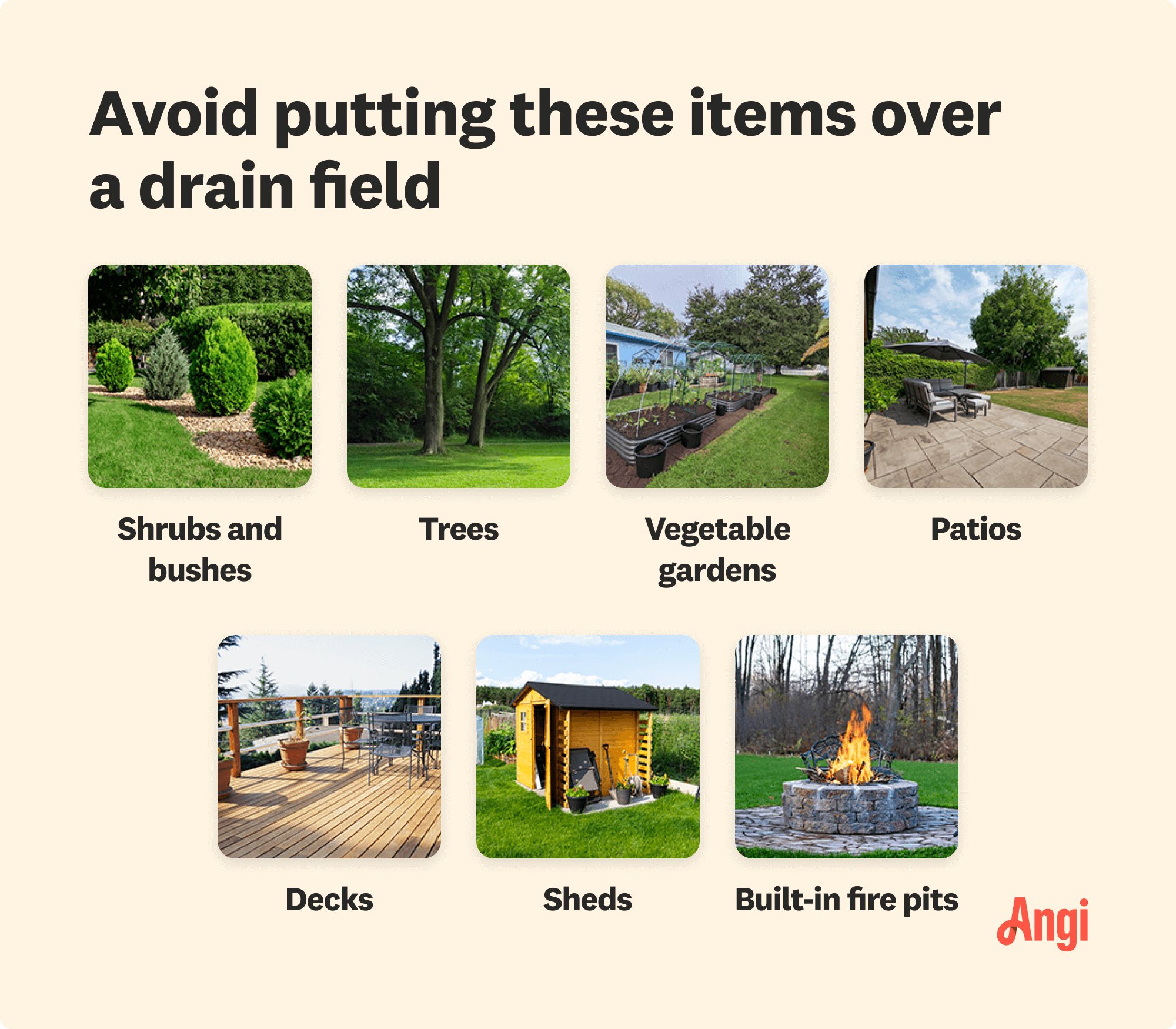
Credit: www.angi.com
Septic System Basics
Understanding septic system basics is vital for homeowners. Septic systems help manage waste safely. Knowing their function and types guides garden planning.
Function And Components
A septic system processes waste from homes. Wastewater flows from household plumbing into the septic tank. Inside the tank, solids settle at the bottom. Bacteria break down waste, turning it into sludge. Liquid flows to a drain field for further treatment.
Septic systems have key components. The septic tank collects wastewater. The drain field, or leach field, disperses liquid. Pipes connect the tank to your home and the drain field. Regular maintenance keeps these parts working well.
Types Of Septic Systems
Different septic systems suit various needs. Conventional systems are common in rural areas. They have a tank and drain field. Aerobic systems use oxygen to treat waste. They are suitable for areas with poor soil drainage.
Mound systems are built above ground. They help when soil is shallow or rocky. Each type has unique requirements. Choose one based on soil, space, and local regulations. Understanding these systems helps plan your garden safely.
Soil And Water Considerations
When planning where to plant your garden in relation to a septic system, soil and water considerations are critical. The interaction between soil composition and water levels not only influences plant growth but also affects the functionality of your septic system. Understanding these elements can help you make informed decisions about your garden’s location while ensuring a healthy balance for both your plants and your home.
Soil Composition Impact
Soil type can significantly impact how your garden and septic system interact. Sandy soils, for instance, allow water to drain quickly, which might be beneficial for some plants but can lead to septic system inefficiencies. In contrast, clay soils retain moisture, potentially causing septic back-ups if the garden is too close.
Consider testing your soil to understand its composition. Armed with this knowledge, you can choose plants that thrive in your soil type and adjust their distance from the septic system accordingly.
How does your soil handle water? This question is vital because it determines how close your garden can be to the septic system without risking issues.
Water Table Levels
The water table level is another crucial factor. A high water table can lead to waterlogged soil, which is harmful to plant roots and can also cause septic system problems. You want to ensure your garden is far enough away to prevent these issues.
For example, if your area experiences heavy rain, the water table might rise significantly, affecting both garden and septic system performance. It’s essential to monitor these levels throughout the year.
Consider installing a drainage system if the water table is consistently high. This way, your garden can flourish without jeopardizing your septic system’s efficiency.
Safe Distances For Planting
Proper spacing is key to a healthy garden near a septic system. Maintain at least 10 feet distance to prevent root intrusion and soil contamination. This ensures plants thrive without harming septic functionality.
Safe Distances for Planting Planting a garden near a septic system might seem harmless, but it’s crucial to maintain a safe distance to avoid contamination and ensure healthy plant growth. You might wonder, how close is too close? The answer isn’t one-size-fits-all, as it depends on various factors. Let’s dive into the recommended planting distances and the elements that can affect these measurements.Recommended Planting Distance
The general rule of thumb is to keep your garden at least 10 feet away from the septic system. This distance helps protect your plants from potentially harmful bacteria and ensures that roots don’t interfere with the septic system’s functionality. Consider what you’re planting. For larger trees and shrubs, extend this distance to 20 feet or more. Their roots can travel far and deep, risking damage to the septic system. Also, think about the type of soil in your garden. Sandy soils may require a greater distance due to their permeability, while clay soils might allow for slightly closer planting.Factors Affecting Distance
Several factors can influence how far away you should plant your garden from the septic system.- Soil Type: As mentioned, sandy soils may necessitate larger distances, while clay or loamy soils might allow closer planting. Consider conducting a soil test for better guidance.
- Plant Type: The root systems of different plants vary significantly. Root vegetables and large trees can pose a risk to septic systems, so adjust your planting distance accordingly.
- Septic System Design: The layout of your septic system can affect how far away you should plant. Leach fields and drain lines may require more space than a basic septic tank.

Credit: www.facebook.com
Types Of Plants To Consider
Choosing the right plants for your garden near a septic system is crucial for maintaining harmony between nature and your home’s infrastructure. You want plants that not only thrive but also respect the delicate balance of the septic system. In this section, we’ll explore the types of plants that are best suited for this unique environment, ensuring your garden flourishes without compromising your septic system.
Root System Considerations
The root system of a plant plays a pivotal role in its compatibility with a septic system. You need to be aware of how deep and expansive the roots can grow. Deep-rooted plants can potentially invade and damage septic components.
Opt for plants with shallow roots. They are less likely to interfere with your septic system. Consider plants whose roots are known to spread horizontally rather than vertically.
Have you ever had a plant’s roots invade your drainage pipes? Choosing wisely can prevent such headaches. Avoid trees with aggressive root systems like willows or oaks.
Best Plant Choices
It’s not just about avoiding problems; it’s about creating a thriving garden. You can choose plants that add beauty and utility to your space while keeping your septic system safe.
- Herbs:Basil, thyme, and mint are excellent choices. They have shallow roots and can be a delightful addition to your kitchen.
- Flowers:Consider marigolds, daisies, and lavender. These flowers are not only visually appealing but also septic-friendly.
- Shrubs:Azaleas and boxwoods are great options. They offer greenery without the risk of root intrusion.
Imagine having a garden filled with fragrant herbs and colorful flowers, all thriving without any septic worries. Your choices can transform your garden into a serene haven.
Why not make your garden a reflection of your tastes while ensuring it respects the underlying systems? With thoughtful plant selection, it’s entirely possible.
Potential Risks And Issues
Planting a garden too close to a septic system can lead to soil contamination. Nutrients and pathogens from the septic can affect plant health. Keep a safe distance to protect both the garden and the environment.
Planting a garden near a septic system can pose risks. The roots may interfere with the system. This could lead to costly repairs. Understanding the potential issues is crucial. It helps in making the right choices for your garden.Contamination Concerns
Septic systems process wastewater. Sometimes, untreated water can leach into the soil. This can contaminate your garden. Harmful bacteria and chemicals may enter your plants. Consuming these plants can be dangerous. Choosing the right distance minimizes this risk.Signs Of Septic Problems
Watch for signs of septic trouble. Slow draining sinks can indicate a problem. Foul odors in the yard are another warning. If you notice wet patches, be cautious. Lush, green grass over the septic area can also signal issues. These signs demand immediate attention. Ignoring them can lead to bigger problems. Proper maintenance is key. Your garden’s safety depends on it.
Credit: www.facebook.com
Maintenance Tips For Gardens Near Septic
Plant your garden at least 20 feet away from the septic system. This distance helps protect your plants and the septic. Roots can damage septic systems, and waste may harm plants. A safe distance ensures both thrive without issues.
Maintaining a garden near a septic system might seem like a daunting task. However, with the right tips, you can keep your plants thriving without compromising your septic system. It’s all about regular attention and understanding the specific needs of both your garden and septic setup.Regular Inspections
Conducting regular inspections is crucial for a garden situated near a septic tank. Check for any signs of leaks or unusual odors emanating from the septic area. Early detection can save you from potential costly repairs and keep your garden safe. Engage with your local septic service provider for professional inspections. They can identify subtle issues you might overlook. A proactive approach will give you peace of mind and a flourishing garden.Proper Watering Techniques
Watering your garden requires a bit more thought when it’s near a septic system. Over-watering can lead to excess drainage, potentially affecting the septic tank’s efficiency. Aim to water deeply but less frequently to encourage deep root growth and reduce surface runoff. Using drip irrigation systems can also help control water use effectively. Consider the types of plants you choose, as drought-resistant varieties will naturally require less water. How do you balance nurturing your plants while protecting your septic system? It’s an art worth mastering for any garden enthusiast.Regulatory Guidelines
Understanding regulatory guidelines is vital when planning a garden near a septic system. Regulations ensure that your garden is safe and compliant. They protect both the environment and your septic system. Knowing these rules can help prevent costly mistakes. Adhering to local laws will keep your garden project on track.
Local Regulations
Local regulations vary by region. They determine how far your garden should be from a septic system. Most areas require a minimum distance. This could range from 10 to 50 feet. Check with your local health department. They provide specific guidelines for your area. Ignoring these rules can lead to fines.
Permit Requirements
Some regions may require permits for planting near septic systems. Permits ensure that your plans meet safety standards. They also confirm compliance with environmental guidelines. Contact your local permitting office. They will inform you of any necessary permits. Having the right permits avoids future legal issues.
Frequently Asked Questions
How Far Should A Garden Be From A Septic Tank?
A garden should be at least 10 feet away from a septic tank. This distance helps prevent root intrusion and contamination of edible plants. Keeping a safe distance ensures your garden thrives without interfering with your septic system.
Can Plant Roots Damage Septic Systems?
Yes, plant roots can damage septic systems. Roots can grow into pipes and tanks, causing blockages and leaks. It’s important to plant non-invasive species and maintain a safe distance to avoid costly repairs.
What Types Of Plants Are Safe Near Septic Tanks?
Shallow-rooted plants are safe near septic tanks. Opt for grasses, ground covers, or small shrubs. Avoid trees and large shrubs, as their roots can invade the system. Always choose plants that require minimal water to reduce stress on the septic system.
Is It Safe To Grow Vegetables Near A Septic System?
Growing vegetables near a septic system is not recommended. There is a risk of contamination from pathogens in the wastewater. Keep edible plants at least 10 feet away and ensure they are not directly above any part of the septic system.
Conclusion
Planting near a septic system requires careful planning. Maintain a safe distance to protect your garden and system. Keep shrubs and trees far from septic components. Their roots can cause damage. Choose plants wisely. Opt for shallow-rooted varieties to minimize risk.
Consult local guidelines for safety. Proper planning prevents issues and promotes a healthy garden. Enjoy your flourishing plants without worries. Remember, a safe distance ensures both garden beauty and septic safety. Happy gardening!