Imagine stepping into your kitchen and being greeted by a lush, aromatic display of fresh herbs, all within arm’s reach. With an indoor vertical herb garden, you can transform any small space into a thriving oasis of flavor and greenery.
You don’t need a sprawling backyard or a green thumb; just a little creativity and some simple tools. Whether you’re a seasoned chef or a cooking enthusiast, having fresh herbs at your fingertips can elevate your meals from ordinary to extraordinary.
Ready to bring nature indoors and spice up your culinary adventures? Discover how easy it is to create your own indoor vertical herb garden, and enjoy the benefits of fresh, home-grown herbs all year round. Dive into this guide and unlock the secrets to a greener, tastier lifestyle!

Credit: www.cbc.ca
Benefits Of Indoor Vertical Herb Gardens
Indoor vertical herb gardens save space and offer fresh herbs year-round. Easy to create, they enhance home decor while providing culinary benefits. Perfect for small apartments, they utilize wall space efficiently, adding greenery indoors.
Creating an indoor vertical herb garden not only adds a splash of green to your living space but also brings numerous benefits to your home and lifestyle. Imagine plucking fresh basil for your pasta or mint for your tea, all grown right in your kitchen. The practical advantages extend beyond convenience, offering a sustainable and rewarding gardening experience.Space Efficiency
Vertical herb gardens maximize space, making them perfect for small apartments or homes with limited outdoor areas. You can grow a wide variety of herbs without needing a large garden or backyard. By utilizing vertical space, these gardens bring nature indoors without cluttering your living areas.Improved Air Quality
Did you know that plants can purify the air? An indoor herb garden acts as a natural air filter, removing toxins and improving indoor air quality. This can lead to a fresher and healthier environment for you and your family.Freshness At Your Fingertips
Having herbs just a few steps away ensures you always have the freshest ingredients. This can make cooking more enjoyable and flavorful. Plus, it’s a great way to encourage healthy eating habits.Easy Maintenance
Indoor vertical herb gardens are relatively low-maintenance. With proper sunlight and watering, your herbs can thrive with little effort. It’s a perfect hobby for those who love gardening but lack the time for extensive care.Decorative Appeal
A vertical herb garden can enhance the aesthetics of your home. With various styles and designs available, you can customize your garden to match your decor. It’s a beautiful way to bring the outdoors in and create a cozy atmosphere.Cost Savings
Growing your own herbs can save you money in the long run. Instead of buying expensive packets from the store, you can have a steady supply right at home. This not only cuts costs but also reduces waste from packaging. As you consider starting your own indoor vertical herb garden, think about the personal touches you can add. Whether it’s choosing unique containers or experimenting with different herbs, the possibilities are endless. What’s stopping you from transforming your indoor space into a green oasis?
Credit: www.drinkingwithchickens.com
Choosing The Right Herbs
Choosing the right herbs for your indoor vertical garden enhances both beauty and utility. Opt for herbs like basil, mint, and thyme that thrive indoors. Their compact nature fits well in vertical spaces, providing fresh flavors year-round.
Choosing the right herbs for your indoor vertical garden can be both exciting and a little daunting. You want herbs that are not only useful in your cooking but also thrive in the conditions you can provide. The secret lies in picking the right mix of herbs that suit your space and needs.Popular Herb Choices
Some herbs are true crowd-pleasers in any indoor garden. Basil is a favorite for its aromatic leaves and versatility in dishes. Mint is another excellent choice, known for its refreshing taste and ease of growth. Parsley and cilantro are go-tos for their culinary value and ability to grow in limited sunlight. If you enjoy Italian cuisine, oregano and thyme are must-haves, adding depth to your pasta sauces and roasts. To add a bit of color and aroma to your indoor garden, consider chives and rosemary. They not only enhance your meals but also provide a visual and fragrant delight.Considerations For Indoor Growth
Before you start planting, think about the light availability in your indoor space. Most herbs need at least 4-6 hours of sunlight daily. If you have limited natural light, opt for herbs like mint and parsley, which are more forgiving. Temperature is another key factor. Herbs generally prefer a stable environment without extreme fluctuations. Aim to keep your herbs away from drafts or heat sources like stoves and radiators. Watering is crucial, but it’s easy to overdo it. Herbs need well-draining soil to prevent root rot. Make sure your containers have drainage holes and use a saucer to catch excess water. Remember, your vertical garden should reflect your lifestyle and cooking habits. Do you often find yourself making fresh teas? Go for mint and lemon balm. Love homemade pizza? Oregano and basil will be your best friends. By carefully selecting your herbs, you set the stage for a thriving indoor vertical garden that brings both beauty and utility to your home. What herbs will you choose to enhance your space and plate?Materials Needed
Materials Needed Gather small pots, soil, herb seeds, and a vertical planter. Use hooks or brackets for wall mounting. Ensure you have a watering can and sunlight access for healthy growth.
Creating an indoor vertical herb garden is a delightful way to bring greenery into your home and have fresh herbs at your fingertips. The first step is gathering the right materials. Knowing what you need can make the process smoother and more enjoyable. Whether you’re a seasoned gardener or a beginner, having the right tools and sustainable options can make all the difference.Essential Tools And Equipment
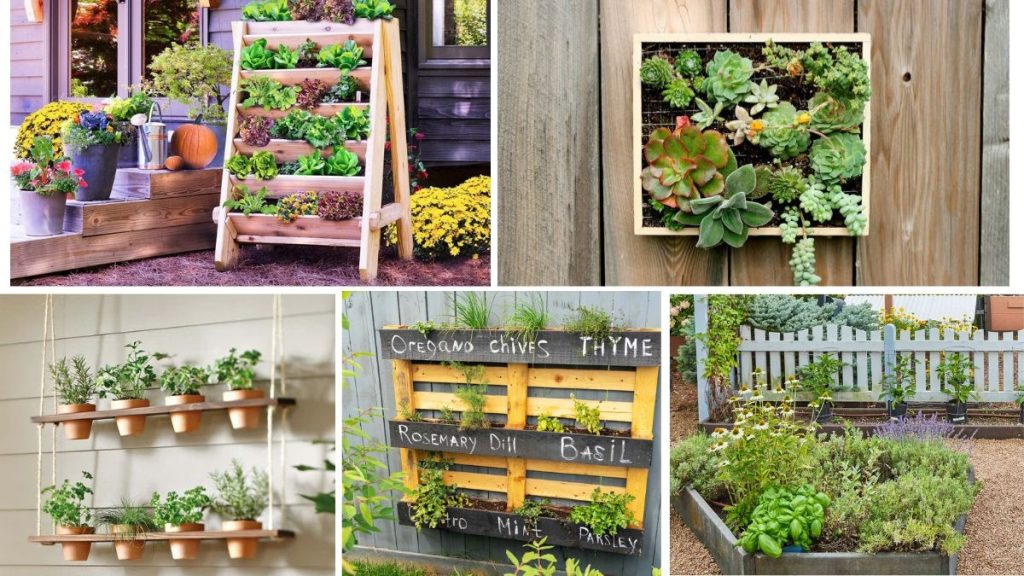
To start, you’ll need a few essential tools. A sturdy wall or space to hang your garden is key. You’ll also need:- Vertical Planters: These can be pocket planters, stacked pots, or wall-mounted racks.
- Potting Soil: A high-quality, well-draining mix ensures your herbs thrive.
- Watering Can: A small, precise watering can helps manage indoor watering without making a mess.
- Grow Lights: If natural light is limited, LED grow lights can simulate sunlight.
Sustainable Options
Embracing sustainability can make your herb garden eco-friendly. Use recycled materials or repurpose items you already have.- Recycled Containers: Use old jars, cans, or bottles as planters.
- Organic Soil and Fertilizers: Opt for organic products to keep your herbs chemical-free.
- Natural Pest Control: Use neem oil or homemade garlic sprays to manage pests naturally.
Designing Your Vertical Herb Garden
Create a lush indoor vertical herb garden with just a few materials. Choose a sunny spot and install wall-mounted planters. Select herbs like basil, mint, and parsley for a thriving green space.
Designing your vertical herb garden offers a chance to combine creativity with practicality, transforming your indoor space into a thriving oasis. As you embark on this project, think about the balance between functionality and aesthetic appeal. Your choices in design can greatly influence not only the health of your herbs but also the ambiance of your home.Space And Location
Consider where you will place your vertical garden. Do you have a bright kitchen wall or a cozy corner in your living room? Herbs thrive best with ample sunlight, so choose a location that receives plenty of natural light throughout the day. A vertical garden can be as compact or as expansive as you need. If space is tight, opt for a narrow structure that fits snugly in a small area. On the other hand, if you have ample room, don’t hesitate to let your garden stretch and climb. Think about accessibility too. You should be able to easily reach and care for your herbs. Are they near enough to your cooking area for quick harvests? Or are they positioned to enjoy while sipping your morning coffee?Aesthetic Considerations
The look of your vertical herb garden can significantly enhance your home’s interior. Choose materials that complement your existing decor. Wooden structures add warmth, while metal or glass can offer a sleek, modern touch. Color is another factor to consider. Do you want your garden to be a bold statement piece or a subtle enhancement? You could opt for vibrant pots or understated, earthy tones to match your herbs. Moreover, the arrangement of your herbs can create different visual effects. Grouping similar plants together can create a cohesive look, while mixing various types can lend a playful, eclectic vibe. Ask yourself: How do you want your garden to make you feel? Inviting, calming, inspiring—design it to reflect your personal style and enhance your home’s atmosphere.Building The Structure
Creating an indoor vertical herb garden begins with selecting a sturdy frame. Ensure it fits your space and allows easy access to plants. Use shelves or pockets to hold containers, ensuring proper drainage.
Creating an indoor vertical herb garden is not just a delightful way to grow fresh herbs but also a fantastic way to utilize space efficiently. Whether you live in a small apartment or a spacious house, building the structure for your vertical garden can be a rewarding DIY project. Let’s dive into the details of how you can bring this green dream to life.Step-by-step Instructions
Begin by selecting a suitable wall or area with enough natural light. A sunny spot near a window is often ideal. Gather your materials, which might include wooden pallets, fabric pockets, or vertical planters. You can even repurpose old bookshelves or ladders. Measure your space to ensure the structure fits perfectly. Remember, getting the dimensions right is crucial for stability and aesthetics. Assemble your chosen structure, ensuring it is sturdy enough to hold the weight of the soil and plants. Secure it to the wall if necessary. Install shelves or pockets at varying heights to accommodate different herbs. This variation not only looks appealing but also allows each plant to get enough light. Fill the planters with quality potting soil and plant your herbs. Consider starting with easy-to-grow herbs like basil, mint, or parsley.Safety Tips
Always use a level to ensure your structure is straight. A tilted garden can result in uneven water distribution and unhappy plants. If you’re mounting the garden on a wall, double-check the wall’s ability to support the weight. Use appropriate wall anchors and brackets for added security. Keep tools and materials organized to avoid tripping hazards while assembling. Wear protective gloves when handling wood or sharp tools to prevent splinters and cuts. Lastly, ensure any shelves or planters are securely fastened to avoid accidents. A little precaution goes a long way in maintaining a safe and enjoyable gardening experience. Creating your indoor vertical herb garden is not only about having fresh herbs at your fingertips. It’s a fun project that enhances your living space and connects you with nature. Why wait? Start building your green oasis today!Planting And Arranging Herbs
Create a vibrant indoor vertical herb garden with simple steps. Choose a sunny spot and stack pots securely. Arrange herbs by light needs, ensuring easy access for watering and harvesting.
Planting and arranging herbs for your indoor vertical garden can be fun and rewarding. A well-planned setup ensures your herbs thrive and produce abundant yields. You need to select the right techniques and arrangements for your herbs to flourish. Let’s explore how to plant and arrange your herbs for the best results.Optimal Planting Techniques
Choose small pots with good drainage holes. This prevents root rot. Use a high-quality potting mix suited for herbs. It should retain moisture but not stay soggy. Water your herbs just enough. Overwatering can harm them. Plant each herb with enough space. This allows roots to grow freely.Arranging For Maximum Growth
Place taller herbs at the top of your vertical garden. This prevents them from shading shorter plants. Group herbs with similar water needs together. It simplifies your care routine. Ensure all plants get enough light. Rotate pots weekly to promote even growth. Keep herbs you use often at an accessible height. This makes harvesting easier. Consider companion planting. Some herbs grow better together. For example, basil and tomatoes thrive side by side.Maintaining Your Herb Garden
Create a vibrant indoor vertical herb garden with simple steps. Choose a sunny spot and install vertical planters or shelves. Select herbs like basil, mint, and thyme for easy growth and regular harvesting.
Maintaining your indoor vertical herb garden ensures lush growth and healthy plants. Proper care keeps your herbs thriving and productive. Consistent attention to watering, fertilization, and pest control will help.Watering And Fertilization
Watering is crucial for your herbs’ health. Check soil moisture regularly. Water when the top inch feels dry. Use room temperature water to avoid shocking the plants. Overwatering can cause root rot, so ensure proper drainage. Fertilization boosts plant growth. Use a balanced liquid fertilizer every four to six weeks. Follow the instructions on the package for best results. Avoid over-fertilizing as it can harm your herbs.Pest Control
Pests can damage your herbs. Inspect your plants weekly for signs of pests. Look for holes in leaves or sticky residue. Common pests include aphids and spider mites. Use natural methods to control pests. Introduce beneficial insects like ladybugs, which eat aphids. Make a homemade spray with water and mild soap. Spray affected areas to remove pests without harming your plants. Regular monitoring keeps your herb garden healthy and pest-free.Harvesting And Using Your Herbs
Growing your own indoor vertical herb garden is a delightful journey that culminates in the rewarding experience of harvesting and using your herbs. Imagine the satisfaction of plucking fresh basil for a homemade pesto or adding a sprig of mint to your tea. Understanding the right time to harvest and how to creatively use these herbs can transform your culinary adventures.
When To Harvest
Timing is everything when it comes to harvesting herbs. Most herbs are best harvested just before they flower, as this is when they contain the most oils and flavors. Basil, for example, should be picked once the plant has at least six leaves on a stem. Snip the leaves just above a pair of leaves, encouraging the plant to grow bushier. For herbs like parsley and cilantro, cut from the outer edges of the plant to allow new growth in the center. Ensure you harvest regularly to keep the plants producing fresh growth.
Creative Culinary Uses
Once harvested, the possibilities are endless. Fresh herbs can elevate the simplest dishes to gourmet levels. Consider adding freshly chopped dill to scrambled eggs or using rosemary sprigs as skewers for grilled meats. Herbs like mint and basil can be muddled into cocktails or infused into water for a refreshing twist. Create herb butters by mixing softened butter with your favorite chopped herbs, perfect for spreading on bread or melting over vegetables.
Herbs also play a crucial role in preservation. Try making herb-infused oils or vinegars for a long-lasting flavor boost. Or, dry your herbs by hanging them upside down in a warm, dark, and well-ventilated area. Once dried, store them in airtight containers to maintain their potency.
Think about your favorite dishes. How can you enhance them with fresh herbs from your garden? Experimenting with different combinations can lead to delightful culinary discoveries. So, what’s stopping you from creating your own signature herb blend?

Credit: pune-okayamafriendshipgarden.com
Frequently Asked Questions
What Plants Grow Well In Vertical Herb Gardens?
Vertical herb gardens thrive with plants like basil, mint, parsley, and thyme. These herbs are compact and adapt easily to vertical spaces. They require minimal soil depth and can flourish indoors with adequate light and watering.
How Much Light Do Indoor Herb Gardens Need?
Indoor herb gardens need approximately 6-8 hours of light daily. Natural sunlight is ideal, but grow lights can supplement. Position your garden near windows or use LED grow lights to ensure herbs receive sufficient illumination.
Can Vertical Gardens Save Space Indoors?
Yes, vertical gardens are excellent for saving space. They utilize vertical surfaces, making them perfect for small apartments or homes. By stacking plants vertically, you maximize growing area without occupying valuable floor space.
How Often Should You Water Vertical Herb Gardens?
Watering frequency depends on the specific herbs and environment. Generally, water when the top soil feels dry. Avoid overwatering; herbs prefer slightly moist soil but can suffer from root rot if overwatered.
Conclusion
Creating an indoor vertical herb garden is simple and rewarding. You can enjoy fresh herbs all year round. Plus, it saves space and adds beauty to your home. Start with easy-to-grow herbs like basil or mint. Remember to water them regularly and provide enough sunlight.
Experiment with different arrangements for a personal touch. Soon, you’ll have a thriving garden to enhance your meals. Enjoy the freshness and flavor of homegrown herbs. Happy gardening!