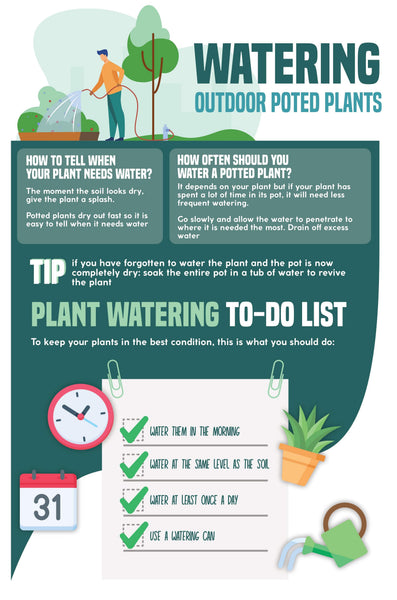
You’ve just planted your new garden, and now you’re faced with the big question: how often should you water those fresh, young plants? If you’re like most gardeners, you know that getting this right can mean the difference between a flourishing oasis and a wilted disappointment.
But fear not! By understanding your plants’ unique needs and the secrets to proper watering, you can help them thrive and grow strong. Stick around as we unravel the mysteries of watering, revealing the simple yet effective techniques that will ensure your garden bursts with life and color.
Dive in, and discover how to transform your garden into a vibrant masterpiece.
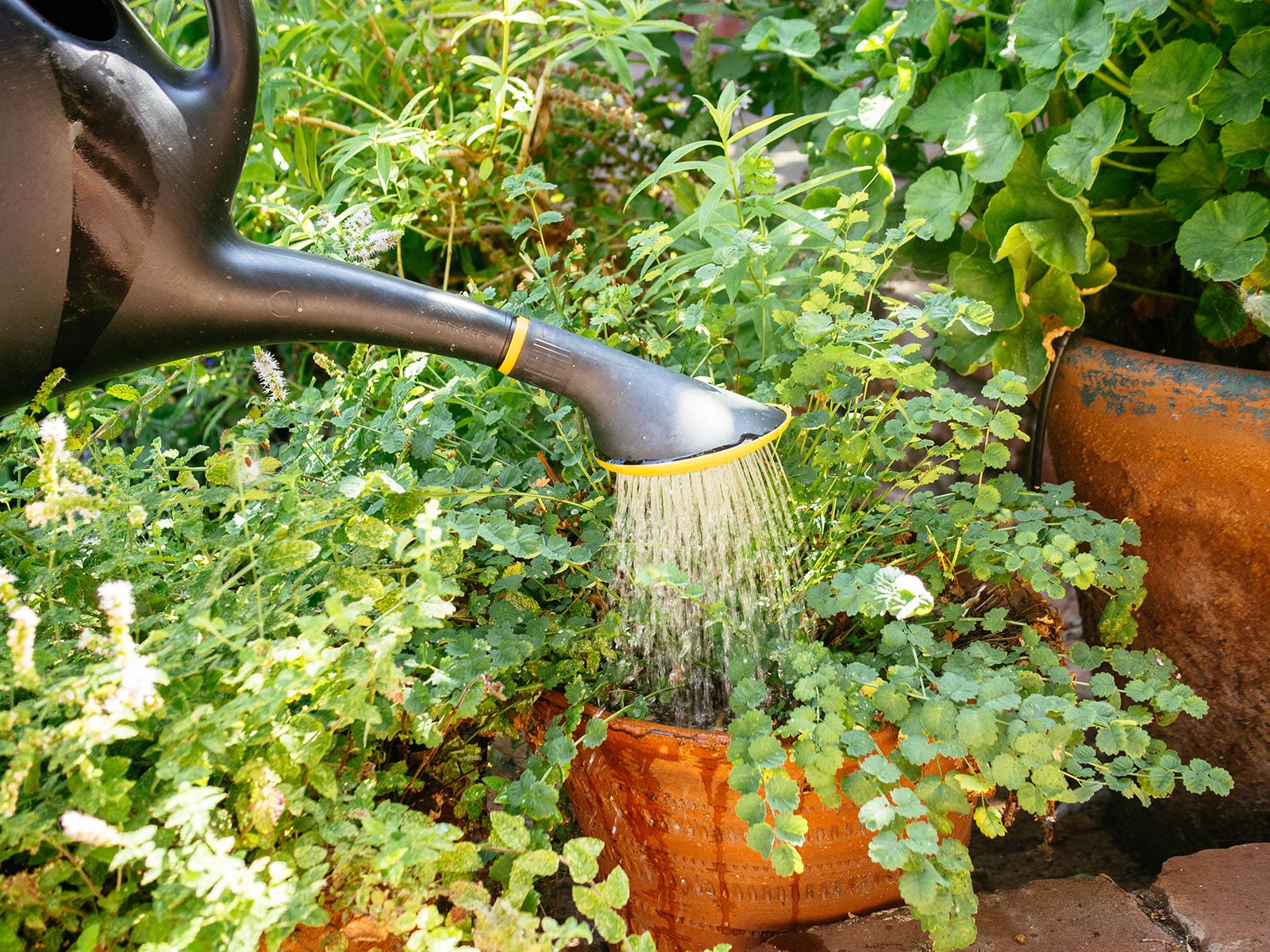
Credit: gardenbetty.com
Factors Affecting Water Needs
Watering new garden plants requires understanding their specific needs. Various factors influence how much water plants require. Recognizing these factors helps ensure your garden thrives.
Soil Type Considerations
Soil type plays a crucial role in water retention. Sandy soils drain quickly, needing frequent watering. Clay soils hold water longer, reducing the frequency needed. Loamy soils offer a balanced water retention, often ideal for most plants.
Climate And Weather Impact
Climate significantly affects water needs. Dry, hot climates demand more frequent watering. In cooler, humid regions, less water is often necessary. Rainfall patterns also influence watering schedules.
Plant Species Variations
Different plants have unique water requirements. Succulents need less water due to their ability to store moisture. Vegetables and flowering plants often need more water for growth. Understanding each species’ needs is vital for proper care.

Credit: savvygardening.com
Determining Watering Frequency
New garden plants require careful watering to thrive. Water them every few days, adjusting for weather and soil type. Check soil moisture regularly to ensure they get enough water without becoming waterlogged.
Determining how often to water your new garden plants can be a bit of a balancing act. Too much water can drown them, while too little can leave them parched. Getting it right requires understanding the unique needs of your plants and the environment. Let’s break it down into manageable parts to make sure your garden thrives.Seasonal Adjustments
The seasons play a significant role in how frequently you should water your garden plants. In the heat of summer, plants may require more frequent watering due to evaporation. Winter, on the other hand, often demands less water as the cooler temperatures slow down evaporation. Consider the season and adjust your watering schedule accordingly. Have you noticed how your garden responds to different weather patterns?Growth Stage Requirements
Different growth stages of plants have varying water needs. Seedlings, for example, are delicate and require consistent moisture to develop strong roots. Mature plants, however, may need less frequent watering as their root systems are more established. Pay attention to the growth stage and adjust your watering to match. Think about the last time you watched a seedling transform into a flourishing plant—did your watering routine change?Signs Of Overwatering And Underwatering
Recognizing the signs of overwatering and underwatering is crucial for maintaining healthy plants. Overwatered plants might show yellowing leaves and root rot, while underwatered ones often display wilting and dry soil. Keep an eye out for these indicators and adapt your watering practices accordingly. Have you ever noticed these signs in your garden, prompting a change in your approach?Effective Watering Techniques
Watering new garden plants properly ensures healthy growth. Effective watering techniques can make a significant difference. These techniques help maintain the right moisture level in the soil. Let’s explore these methods to keep your garden thriving.
Drip Irrigation Benefits
Drip irrigation delivers water directly to the plant roots. This method reduces water wastage significantly. It helps in maintaining consistent soil moisture. Drip systems are easy to set up and adjust. They work well for all garden sizes.
Mulching For Moisture Retention
Mulching helps retain soil moisture effectively. Organic mulches like straw or bark are excellent choices. They also regulate soil temperature, keeping roots cool. Mulch layers prevent weed growth as well. It’s a simple yet effective technique for any gardener.
Morning Vs. Evening Watering
Watering in the morning is often best. It allows plants to absorb moisture before the sun rises high. Morning watering reduces evaporation losses. Evening watering, on the other hand, might encourage mildew. Choosing the right time helps maintain plant health.

Credit: savvygardening.com
Tools And Equipment
Water new garden plants two to three times a week. Adjust frequency based on weather conditions and soil type. Ensure the soil remains moist but not waterlogged.
Watering new garden plants effectively requires the right set of tools and equipment. The right tools can make the task easier and ensure your plants thrive. With so many options available, how do you choose what’s best for your garden?Choosing The Right Hose Or Sprinkler
The choice between a hose and a sprinkler often depends on your garden size. For larger areas, a sprinkler can save you time and effort. It distributes water evenly, ensuring that every plant gets its fair share. For smaller gardens, a hose might be more practical. It allows you to target specific plants, especially those that need more attention. Consider a hose with an adjustable nozzle to control the water flow and pattern.Using Moisture Meters
A moisture meter can be a game-changer in your watering routine. It tells you exactly when your plants need water, removing the guesswork. This tool is especially helpful if you’re new to gardening. Simply insert the meter into the soil, and it will give you a reading. This ensures you’re not over or under-watering. It’s a small investment that can significantly impact your garden’s health.Watering Cans Vs. Automated Systems
Watering cans are great for small gardens or when you want precise control. They allow you to water plants individually, which is ideal for delicate seedlings. However, they can be time-consuming for larger gardens. Automated systems, on the other hand, offer convenience. They can be set to water your garden at specific times, ensuring consistency. While they require an initial setup, the long-term benefits can be worthwhile. Which tool aligns best with your gardening habits? Consider your garden’s needs and your own lifestyle to make the best choice.Sustainable Watering Practices
Establishing a new garden requires thoughtful watering strategies. Sustainable watering practices help save water and keep plants healthy. These methods reduce waste and promote ecological balance. Below, explore some effective techniques for sustainable watering.
Rainwater Harvesting
Collect rainwater for your garden using barrels or tanks. This natural resource provides chemical-free hydration for plants. Position barrels under downspouts to maximize collection. Use a fine mesh screen to keep debris out. Rainwater harvesting reduces dependency on municipal water supplies. It’s cost-effective and environmentally friendly.
Greywater Usage
Utilize greywater from baths, sinks, and washing machines. This water is suitable for non-edible plants. Ensure soap and detergent are biodegradable. Avoid using greywater on food crops to prevent contamination. Set up a simple system to redirect greywater to your garden. This method conserves water and reduces household waste.
Drought-resistant Planting
Choose plants that thrive with minimal water. Native species often require less watering. They adapt well to local climates and soil types. Group plants by their water needs for efficient irrigation. Mulching helps retain soil moisture and protect roots. Drought-resistant plants contribute to a sustainable garden ecosystem.
Common Mistakes To Avoid
Watering new garden plants requires careful attention to detail. Many beginners make common mistakes that hinder plant growth. Avoid these pitfalls to ensure your plants thrive.
Ignoring Soil Drainage
Soil drainage plays a crucial role in plant health. Poor drainage can lead to root rot. Check if water drains quickly after watering. If not, consider amending the soil with sand or organic matter. This adjustment can improve drainage significantly.
Inconsistent Watering Schedules
Inconsistency can confuse plants and stunt their growth. Establish a regular schedule based on your plant’s needs. Most plants thrive with consistent moisture levels. Use a calendar or set reminders to maintain a routine.
Neglecting Weather Changes
Weather changes affect soil moisture levels. Rainfall may reduce the need for watering. Dry spells might require more frequent watering. Monitor weather forecasts and adjust your watering schedule accordingly.
Frequently Asked Questions
How Frequently Should I Water New Garden Plants?
Water new garden plants every two to three days initially. Gradually reduce to once a week as they establish. This helps roots grow deep and strong. Monitor soil moisture, ensuring it’s damp but not waterlogged. Adjust frequency based on weather conditions and plant needs for optimal growth.
Can New Garden Plants Survive Without Daily Watering?
New garden plants generally don’t need daily watering. Excessive watering can lead to root rot. Watering every few days is often sufficient. Monitor soil moisture to ensure it’s damp, not soggy. Adjust based on the plant type and weather conditions.
Proper watering helps establish strong, healthy roots.
What’s The Best Time To Water New Plants?
Water new plants early morning or late afternoon. This helps minimize evaporation and ensures roots absorb moisture efficiently. Avoid midday watering when the sun is strongest. Consistent watering during cooler times supports plant establishment and growth. Adjust based on weather conditions and plant needs for optimal results.
How Do I Know If Plants Need Water?
Check soil moisture by inserting your finger into the soil. If dry, water your plants. Look for wilting or drooping leaves as signs of dehydration. Healthy plants have firm leaves and stems. Adjust watering frequency based on weather and plant type to maintain ideal soil moisture levels.
Conclusion
Watering new garden plants requires care and attention. Understand each plant’s needs. Check soil moisture frequently. Adjust based on weather and plant type. Morning is best to water. Avoid overwatering to prevent root rot. Mulch helps retain soil moisture. Start with a schedule, then adapt.
Watch for drooping leaves or dry soil. Healthy plants need consistent care. Your garden will thrive with the right balance. Keep observing and adjusting. With time, your garden flourishes beautifully. Happy gardening!







