Imagine stepping into your kitchen and having a lush, aromatic herb garden right at your fingertips. No more last-minute grocery runs for fresh basil or rosemary.
Instead, you can pluck them straight from your own indoor garden. Sounds dreamy, right? Whether you’re a seasoned chef or someone who just loves a hint of freshness in your meals, growing your own herbs indoors is more accessible than you might think.
In this guide, you’ll discover simple steps to transform any small space into a thriving herb haven. Get ready to fill your home with delightful scents and flavors, all while adding a touch of greenery to your decor. Dive in and learn how you can start your own indoor herb garden today!
Choosing The Right Herbs
Choosing the right herbs is crucial for a thriving indoor garden. Select herbs like basil, mint, and rosemary for easy growth. Consider sunlight needs and available space for optimal results.
Choosing the right herbs for your indoor garden is crucial. Not all herbs thrive in indoor conditions. Consider factors like light, space, and your personal needs. Some herbs are more suited for culinary use, while others offer medicinal benefits. Select herbs that align with your lifestyle and preferences.Popular Indoor Herbs
Several herbs adapt well indoors. Basil is a favorite due to its aromatic leaves. It’s perfect for adding flavor to dishes. Mint is another great option. It grows quickly and can be used in teas or as a garnish. Parsley is versatile and packed with vitamins. It thrives in bright, indirect light.Herbs For Culinary Use
Culinary herbs enhance your cooking. Thyme is a strong herb that adds depth to soups and stews. Rosemary’s woody stems and fragrant leaves are perfect for roasting meats. Chives, with their mild onion flavor, are excellent for salads and dips. These herbs are easy to grow in small spaces.Medicinal Herbs
Some herbs have medicinal properties. Lavender is known for its calming effects. It can help reduce stress and improve sleep. Chamomile is another calming herb. Its flowers make soothing teas that aid digestion. Aloe vera has healing properties. It’s useful for treating minor burns and skin irritations. These herbs bring both beauty and benefits to your home.Selecting Containers And Pots
Choosing the right containers and pots is vital for indoor herb gardens. Opt for ones with good drainage holes. This prevents waterlogging and keeps herbs healthy.
Growing an indoor herb garden can be a rewarding experience, providing fresh flavors for your cooking all year round. One critical step in this process is selecting the right containers and pots. The choices you make here can significantly impact the health and growth of your herbs. Let’s dive into the details that will help you make the best decisions for your indoor garden.Size And Material Considerations
When choosing containers, size matters. Small pots are perfect for herbs like basil and cilantro, which don’t need much room to thrive. However, mint and rosemary might need larger pots as they tend to grow more extensively. Consider your space and the eventual size of your herbs when selecting pot size. Material is another crucial factor. Clay pots are breathable, which helps in preventing overwatering—a common pitfall for beginners. Plastic pots, on the other hand, retain moisture better and are lighter to move around. Think about your lifestyle and how often you can water your plants.Drainage Solutions
Ensuring proper drainage is vital to prevent root rot. Most pots come with drainage holes, but if yours doesn’t, consider adding them. This allows excess water to escape, keeping roots healthy. If drilling holes isn’t an option, create a drainage layer. Place a layer of pebbles or stones at the bottom of your pot before adding soil. This simple trick keeps water from pooling at the bottom and provides a buffer for your herbs. Do you ever forget to water your plants? Self-watering pots might be a game-changer for you. These containers have a reservoir that provides a consistent moisture supply to your herbs, reducing the risk of over or under-watering. Selecting the right container is more than just picking something that looks pretty. It’s about ensuring your herbs have the best environment to grow. What type of container do you think would best suit your lifestyle and space?Ideal Soil Mix For Indoor Herbs
Creating the perfect indoor herb garden begins with choosing the right soil mix. A well-prepared soil not only supports the growth of your herbs but also enhances their flavor and aroma. So, what makes an ideal soil mix for indoor herbs? Let’s dive into the components and organic options that can transform your indoor space into a thriving herb haven.
Components Of A Good Soil Mix
Getting your soil mix right is crucial for the health of your indoor herbs. A good mix should provide adequate drainage to prevent root rot, while retaining enough moisture to keep the plants hydrated. Here are key components you should consider:
- Perlite:This lightweight material improves aeration and drainage, ensuring that your herbs’ roots don’t sit in water.
- Vermiculite:Known for its water-retentive properties, vermiculite helps maintain consistent moisture levels.
- Peat Moss or Coconut Coir:These materials provide excellent moisture retention and improve soil structure.
Mixing these components in equal parts can create a balanced soil environment. Have you considered adding some compost for extra nutrients?
Organic Soil Options
Organic gardening is not just a trend; it’s a sustainable practice that benefits both you and your plants. Opting for organic soil can enhance the quality of your herbs and reduce exposure to synthetic chemicals. Here are some organic options to explore:
- Composted Manure:Adds rich nutrients to the soil, promoting healthy growth.
- Earthworm Castings:A natural fertilizer that boosts soil fertility and microbial activity.
- Organic Potting Mixes:Available at most gardening stores, these mixes often contain a blend of organic materials perfect for herbs.
Choosing organic soil options not only supports the environment but also leads to better-tasting herbs. Why not try experimenting with different organic mixes to see which works best for your garden?

Credit: goebbertspumpkinfarm.com
Lighting Requirements
Growing a herb garden indoors offers freshness at your fingertips. Proper lighting is crucial for herbs to thrive. Without sufficient light, herbs can become weak and less flavorful. Understanding lighting requirements ensures your indoor garden flourishes.
Natural Vs. Artificial Light
Natural light is ideal for indoor herbs. It provides a full spectrum that helps plants grow. South-facing windows offer ample sunlight throughout the day. Not every home has ideal natural lighting.
Artificial light can supplement or replace natural light. LED grow lights are energy-efficient and mimic sunlight. They provide the necessary spectrum for plant growth. Fluorescent lights are also a good option. They are affordable and efficient for small gardens.
Positioning For Optimal Growth
Positioning your herbs is key to maximizing light exposure. Place them near windows with direct sunlight. Rotate pots regularly to ensure even light distribution.
Artificial light sources should be positioned correctly. Keep lights 6-12 inches above herbs for best results. Adjust the height as plants grow to avoid leaf burn.
Ensure lights are on for 12-16 hours daily. Mimic daylight hours for optimal herb growth. Turn off lights at night to allow plants to rest.
Watering Techniques
Watering is vital for your indoor herb garden’s success. It keeps herbs healthy and thriving. Correct watering helps in preventing diseases. Let’s explore the best watering techniques.
Frequency And Amount
Water your herbs regularly. Check the soil’s top inch. If dry, it’s time to water. Use a small cup to measure water. Avoid flooding the pot. Each herb has different needs. Some herbs like basil need more water. Others, like rosemary, need less.
Signs Of Overwatering
Overwatering harms herbs. Leaves turn yellow and fall. Soil stays wet and smells bad. Roots may rot and die. Check the pot’s drainage. Ensure excess water escapes easily. Adjust your watering schedule. Keep herbs healthy and green.

Credit: goebbertspumpkinfarm.com
Temperature And Humidity Control
Maintaining optimal temperature and humidity is crucial for indoor herb gardens. Herbs thrive in moderate temperatures and need consistent humidity. Too much or too little can affect growth.
Controlling temperature and humidity is crucial for growing a successful indoor herb garden. These two factors can significantly influence how your herbs thrive. If not managed well, they might cause your herbs to wilt or not grow at all.Maintaining Ideal Conditions
Ensuring the right temperature and humidity for your herbs is easier than you might think. Most herbs prefer temperatures between 65°F and 75°F. A digital thermometer can help you keep tabs on this. Humidity, on the other hand, should mimic the outdoors. Aim for around 40-50% humidity. You can achieve this with a small humidifier, especially during dry winter months. Keep your herbs away from heat sources like radiators or direct sunlight, which can cause temperature spikes. Have you ever noticed your basil wilting despite regular watering? It might be the heat!Adapting To Seasonal Changes
Seasons change, and so should your approach to indoor gardening. In winter, indoor air tends to be dry, which can stress your herbs. Consider using pebble trays filled with water to add humidity naturally. During summer, your home might be warmer and more humid. Use fans to circulate air and prevent mold growth, which herbs dislike. Do your herbs seem unhappy in different seasons? Try adjusting their position in your home. A south-facing window might be perfect in winter but too harsh in summer.Pruning And Harvesting
Pruning and harvesting are essential steps in maintaining a healthy indoor herb garden. These practices not only keep your herbs thriving but also enhance their flavor and aroma. By regularly pruning, you encourage growth and prevent overcrowding. Harvesting at the right time ensures you get the most from your herbs.
When And How To Prune
Pruning should start once your herbs reach a reasonable size. Trim the leaves or stems to promote new growth. Use sharp scissors or pruning shears for clean cuts. This helps avoid damage and disease. Focus on cutting above a leaf node. This is where new branches will form. Regular pruning keeps your herbs bushy and healthy. Avoid cutting more than one-third of the plant at once.
Harvesting Tips
Begin harvesting when your herbs are mature. For optimal flavor, harvest in the morning. This is when oils are at their peak. Gently pluck or cut the leaves from the top. Avoid harvesting more than one-third of the plant. This ensures continued growth and supply. Store harvested herbs properly to preserve their freshness. Use airtight containers or freeze them for later use.
Credit: thegardeningcook.com
Dealing With Pests
Creating an indoor herb garden can deter pests naturally. Herbs like basil and mint repel insects. Plus, indoor gardens offer controlled environments, reducing pest invasions.
Dealing with pests in your indoor herb garden can be a bit of a surprise, especially when you’re expecting a serene, pest-free environment inside your home. You might think that the lack of outdoor exposure would keep your herbs safe, but some pesky invaders still manage to find their way in. Let’s explore how you can identify and manage these unwanted guests effectively, ensuring your indoor garden remains thriving and healthy.Common Indoor Herb Pests
Even indoors, you might encounter a few common pests that love to feast on your herbs. Aphids, for instance, are small, soft-bodied insects that can quickly multiply and damage your plants by sucking their sap. Spider mites are another tiny culprit, often leaving behind fine webs and causing leaves to yellow. Fungus gnats, while not directly harmful to mature plants, can be annoying and indicate overwatering. It’s essential to regularly inspect your plants. Look under leaves and at the soil surface for any signs of these pests. Catching them early makes it easier to manage them before they cause significant harm.Natural Pest Control Methods
You don’t need harsh chemicals to combat these pests. Natural methods can be just as effective and are safer for your home environment. Neem oil is a popular choice; it’s a natural pesticide that disrupts the life cycle of insects. Simply mix it with water and spray it on your plants. Introducing beneficial insects like ladybugs can also help. They love to munch on aphids and other pests, providing a natural balance to your garden. Another simple method is using a soap spray. Mix a few drops of dish soap with water and spray it on affected areas. This solution suffocates pests without harming the plants. Have you tried these methods, or perhaps another approach worked wonders for you? Sharing experiences can be incredibly helpful in discovering new ways to protect our indoor gardens.Creative Herb Garden Ideas
Creating an indoor herb garden doesn’t have to be limited to traditional pots lined up on a shelf. Think outside the box and consider some creative setups to maximize your space and aesthetic appeal. Whether you have limited room or want to make your herbs a focal point in your home, innovative arrangements can bring life to your indoor gardening experience. Let’s dive into a few inspiring ideas.
Vertical Gardens
Vertical gardens are a fantastic way to utilize wall space, especially if you’re short on floor area. You can mount shelves or use hanging planters to grow your herbs vertically. This not only saves space but also adds a unique visual element to your room. Imagine a green wall filled with fragrant basil, rosemary, and mint.
Consider using a wooden pallet or a modular system designed for vertical gardening. These can be easily attached to walls and adjusted to fit your space. You can even repurpose an old bookshelf by removing some shelves to create an open vertical garden.
Have you ever thought about using mason jars? Line them up on a wooden board and mount it to your wall. It’s a creative way to showcase your herbs, and you can watch them grow through the glass. What unique vertical structure can you create to house your herbs?
Window Sill Arrangements
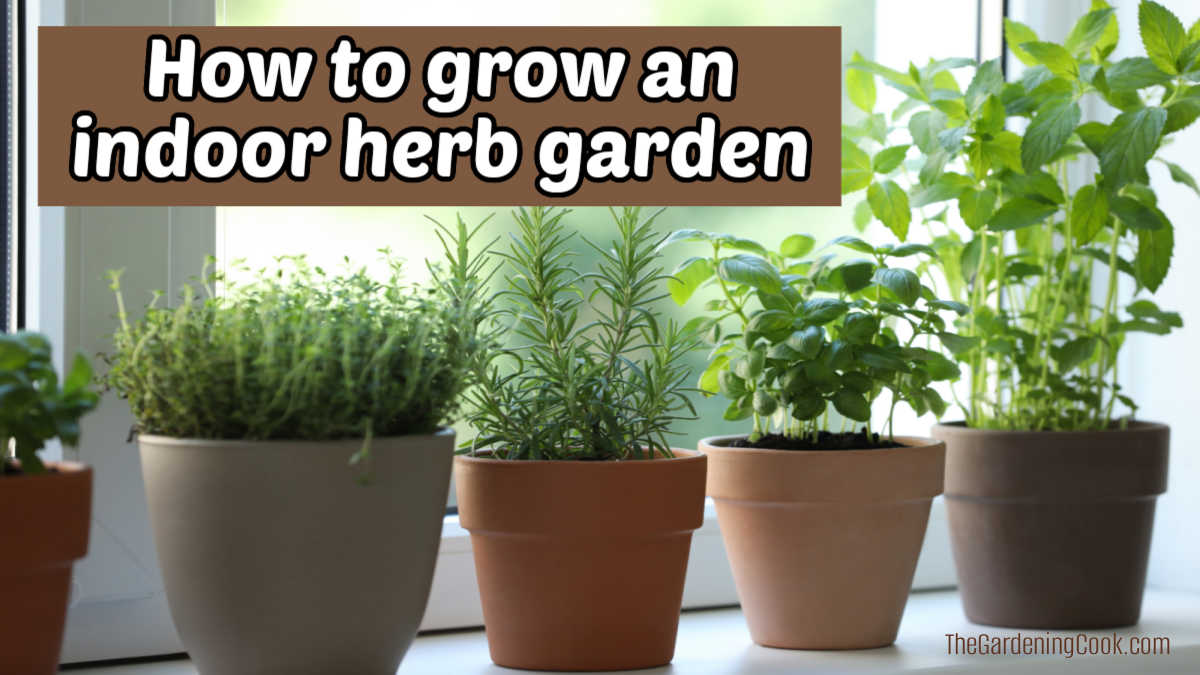
The window sill is a classic spot for an herb garden, but there’s plenty of room for creativity here. Use different containers like teacups, tins, or decorative pots to add personality to your herb display. The sunlight streaming through the window will provide your herbs with the natural light they crave.
Arrange the pots at varying heights for an artistic effect. Use stands or small boxes to elevate some pots, creating a layered look. This not only enhances visual interest but allows different herbs to catch light optimally.
Mix and match your containers for a playful arrangement. A row of mismatched vintage cups can add charm and character to your window sill. What containers do you have lying around that could breathe new life into your herb garden?
Frequently Asked Questions
What Herbs Grow Well Indoors?
Many herbs thrive indoors, including basil, mint, rosemary, thyme, and cilantro. These herbs require adequate sunlight, proper watering, and well-draining soil. Ensure they receive 6-8 hours of sunlight daily. Use containers with drainage holes to prevent waterlogging. Regularly trim herbs to encourage growth and maintain their health.
How Much Sunlight Do Indoor Herbs Need?
Indoor herbs generally require 6-8 hours of sunlight daily. Place them near a south-facing window for optimal exposure. If natural light is limited, consider using grow lights to supplement. Adequate sunlight helps herbs photosynthesize efficiently, promoting healthy growth and vibrant flavors.
Adjust the positioning as needed to avoid excessive heat.
Can You Grow Herbs In Small Spaces?
Yes, herbs can flourish in small spaces like windowsills or balconies. Choose compact varieties and use vertical planters to maximize space. Ensure containers have good drainage and receive sufficient light. Regularly prune to manage growth. Small spaces can still yield a productive herb garden with careful planning and maintenance.
How Often Should Indoor Herbs Be Watered?
Water indoor herbs when the top inch of soil feels dry. Overwatering can lead to root rot, so ensure pots have drainage holes. Adjust frequency based on humidity and season. Herbs generally need less water in winter. Consistent watering promotes healthy growth and prevents stress.
Monitor soil moisture to optimize watering routines.
Conclusion
Starting an indoor herb garden is simple and rewarding. Small spaces can flourish with fresh herbs. Choose the right herbs for your needs. Basil, mint, and thyme are popular choices. Ensure proper light and watering. Herbs need sunlight and care.
Regular pruning helps growth. Enjoy cooking with fresh, home-grown herbs. They add flavor and aroma to meals. Indoor gardening is a fun hobby. It brings nature inside. Start today and watch your herbs thrive. Happy gardening!







