Imagine stepping into a lush, green oasis right in the heart of winter. While the world outside is wrapped in a chilly blanket, your indoor garden is alive, vibrant, and thriving.
You might think having an indoor winter garden is a dream reserved for those with a green thumb, but the truth is, anyone can create this sanctuary with a little guidance. Are you ready to transform your indoor space into a winter wonderland of greenery?
With just a few simple steps, you can cultivate a garden that not only brightens your home but also lifts your spirits during the colder months. Keep reading to discover how you can start your own indoor winter garden and enjoy the benefits of nurturing nature year-round.
Credit: www.mobellia.com
Benefits Of Indoor Winter Gardening
How to Start an Indoor Winter Garden Indoor winter gardening brings nature into your home during cold months. It offers fresh herbs and vegetables year-round. Enhance your living space with greenery while enjoying the therapeutic benefits of gardening indoors.
Indoor winter gardening offers a sanctuary of green during the cold months, transforming your living space into a vibrant oasis. As temperatures drop and outdoor gardens go dormant, your indoor garden remains alive and flourishing. Whether you’re a seasoned gardener or a curious beginner, the benefits of indoor winter gardening are numerous and rewarding.Improved Air Quality
Indoor plants act as natural air purifiers. They absorb carbon dioxide and release oxygen, which can significantly improve the air quality in your home. Some plants, like spider plants and peace lilies, also reduce indoor pollutants and toxins, creating a healthier environment for you and your family.Access To Fresh Produce
Growing your own herbs and vegetables indoors ensures a fresh supply regardless of the season. Imagine the satisfaction of snipping fresh basil for your pasta or harvesting crisp lettuce for a salad right from your windowsill. This not only enhances your cooking but also reduces your reliance on store-bought produce.Mental Health Benefits
Gardening is known to reduce stress and promote mental well-being. The act of nurturing plants can be meditative, offering a break from daily pressures. During the darker months, the presence of greenery can lift your spirits and combat winter blues, providing a much-needed connection to nature.Year-round Gardening Experience
Indoor gardening allows you to continue honing your gardening skills throughout the year. You can experiment with different plant varieties and techniques without waiting for spring. This continuous learning keeps your gardening passion alive and helps you become a more experienced gardener.Decorative Appeal
Indoor plants add aesthetic value to any space. They bring color, texture, and life to your home, enhancing its decor. Whether it’s a lush fern in your living room or a vibrant orchid in the bathroom, plants can transform any space into a welcoming retreat. Embrace the joy of indoor winter gardening and discover how these benefits can enrich your life. What will you plant this winter to brighten your home and boost your well-being?Credit: www.theglobeandmail.com
Choosing The Right Space
Choosing the right space is vital for starting an indoor winter garden. Select a sunny spot near windows where plants can thrive. Ensure the area is free from drafts and has enough room for pots and gardening tools.
Choosing the right space for your indoor winter garden is crucial for your plants’ success. While it might seem like any corner can work, the reality is different. Your plants need specific conditions to thrive indoors during winter.Lighting Considerations
Natural light is a precious commodity in winter. Choose a spot near a south-facing window if possible. This will give your plants the maximum amount of sunlight during the shorter days. However, not all homes have ideal natural light. If your space lacks sufficient sunlight, consider adding grow lights. LED grow lights are energy-efficient and provide the necessary spectrum for plant growth.Temperature Control
Plants have specific temperature needs, which can be challenging in winter. Ensure your chosen space stays between 65-75°F for most plants. Avoid areas near drafts or heating vents, as sudden temperature changes can stress your plants. An indoor thermometer can help you monitor the temperature. You might also use a space heater with a thermostat to maintain consistent warmth. How do you ensure your home remains plant-friendly during cold months?Selecting Suitable Plants
Selecting Suitable Plants Choose plants that thrive indoors, like herbs and leafy greens. Consider lighting and temperature needs for optimal growth.
Selecting suitable plants is crucial for a thriving indoor winter garden. The right plants can flourish indoors, providing greenery and even fresh produce. Your choice will depend on light availability, space, and personal preference. Let’s explore some ideal options for your indoor garden.Herbs And Vegetables
Herbs are perfect for indoor gardening. They require little space and are easy to grow. Some popular choices include:- Basil
- Mint
- Parsley
- Chives
Flowering Plants
Flowering plants add color and cheer to your home. African violets are a great choice for beginners. They bloom beautifully with minimal care. Peace lilies are another option. They are low maintenance and improve air quality. Cyclamen plants offer vibrant winter blooms. They prefer cooler indoor temperatures. Ensure they receive indirect sunlight. Maintain soil moisture to keep them healthy. With these selections, your indoor garden will flourish all winter.Essential Gardening Supplies
Starting an indoor winter garden is a rewarding endeavor that requires careful selection of gardening supplies. The right tools and materials can make a significant difference in how your plants grow and thrive indoors. Here’s a guide to help you choose the essential gardening supplies needed for a successful indoor winter garden.
Containers And Pots
Choosing the right containers and pots is crucial for your indoor garden. They come in various sizes and materials, each with their own benefits. Consider using lightweight plastic pots for easy mobility or ceramic pots for a more aesthetic appeal. Ensure your pots have drainage holes to prevent waterlogging, which can harm your plants.
If space is limited, vertical planters or hanging pots can maximize your growing area. Do you have old containers lying around? Repurposing them can add a unique touch to your garden. Remember, the right container can influence not just the health of your plants but also the ambiance of your indoor space.
Soil And Fertilizer
Quality soil is the foundation of a healthy garden. Opt for a well-draining potting mix that retains moisture without becoming soggy. Check for ingredients like peat moss and perlite, which improve soil aeration and drainage. Have you ever noticed how some plants flourish more indoors? Often, it’s the soil that makes all the difference.
Fertilizer is the secret weapon for lush growth. Choose a balanced, water-soluble fertilizer to provide essential nutrients. Organic options, like worm castings or fish emulsion, can enhance soil health without harsh chemicals. Regular feeding ensures your plants stay vibrant through the winter months.
Consider setting up a routine to check soil moisture and nutrient levels. Your plants will thank you for the consistency. Each decision you make, from soil choice to fertilizer type, shapes the success of your indoor garden.
Planting Techniques
Start an indoor winter garden by choosing the right containers and seeds. Ensure good lighting and consistent watering. Enjoy fresh herbs and greens all winter long.
Starting an indoor winter garden is an enriching experience. It brings life and color to your home during the cold months. One crucial aspect is mastering planting techniques. These techniques ensure your plants thrive indoors despite limited sunlight and space. Let’s explore some effective methods to get your garden growing.Seed Starting Tips
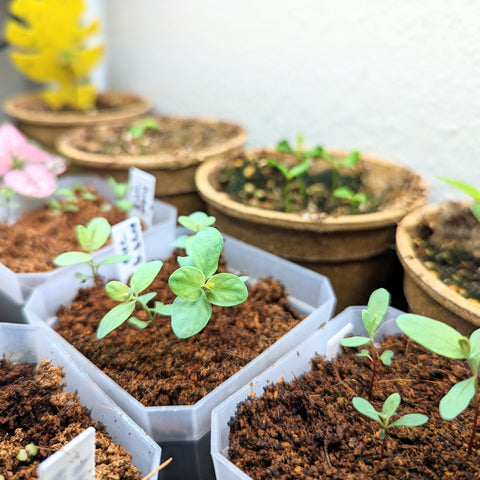
Starting seeds indoors requires attention to detail. Choose containers with drainage holes to prevent waterlogging. Fill them with seed-starting mix, which is lighter than regular soil. Plant seeds at the recommended depth. Cover them lightly with soil. Use a spray bottle to moisten the soil gently. Maintain a temperature of 65-75°F for optimal seed germination. A heat mat can help achieve this. Ensure seeds get 12-16 hours of light daily. A grow light can supplement natural light. Label each container with the seed type and planting date. This helps track progress and avoid confusion.Transplanting Methods
Transplanting is a delicate process. Handle seedlings carefully to avoid damaging roots. When seedlings have two sets of true leaves, they are ready for transplanting. Choose a larger pot with good drainage. Fill it with quality potting soil, not garden soil. Make a hole in the center of the soil. Gently remove the seedling from its container. Place it in the hole, covering roots fully. Water the plant well to settle the soil. Keep the plant in indirect light for a few days. This helps it adjust to its new environment.Maintenance And Care
Starting an indoor winter garden is a rewarding experience. But it requires regular maintenance and care. Consistent attention ensures healthy plants and a thriving indoor ecosystem. Focus on essential areas like watering practices and pest control for successful gardening.
Watering Practices
Proper watering is crucial for an indoor winter garden. Indoor plants need less water than outdoor ones. Overwatering can harm their roots. Check the soil before watering. If it’s dry, add water. Use a watering can for even distribution. Ensure pots have drainage holes to prevent waterlogging. Adjust watering frequency based on plant type and indoor conditions.
Pest Control
Pests can still invade indoor gardens. Inspect plants regularly for signs of pests. Look for discolored leaves or holes. Use natural pest control methods first. Neem oil or insecticidal soap are good options. Keep the garden area clean to deter pests. Remove dead leaves and debris promptly. Healthy plants resist pests better, so maintain overall plant health.
Maximizing Growth
Creating an indoor winter garden boosts growth with the right plants and proper lighting. Select winter-friendly herbs and vegetables to thrive indoors. Consistent care and attention ensure vibrant plants, even in colder months.
Maximizing Growth in your indoor winter garden requires attention to detail and a willingness to experiment with different techniques. By optimizing your environment, you can ensure that your plants not only survive but thrive during the colder months. Let’s explore some practical methods to boost the growth of your indoor garden.Use Of Grow Lights
Grow lights are a game-changer for indoor gardening, especially during winter when natural sunlight is limited. They provide the necessary spectrum of light that plants need for photosynthesis, simulating the sun’s effect indoors. LED grow lights are energy-efficient and emit less heat, making them a popular choice. Position them about 6-12 inches above your plants for optimal light exposure. You can adjust the duration based on the plant type, but generally, 12-16 hours of light per day is ideal for most indoor gardens.Pruning And Training
Pruning and training your plants can significantly impact their growth and yield. By removing dead or overcrowded branches, you allow your plants to focus their energy on new, healthy growth. This practice encourages bushier plants and can even improve air circulation, reducing the risk of disease. Training involves guiding the plant’s growth in a specific direction, which can be especially useful in limited indoor spaces. Techniques like topping or using trellises can help shape your plants and maximize the available area. Ever tried bending a tomato plant to grow horizontally? It can save space and promote more fruiting branches.
Credit: www.themillstores.com
Frequently Asked Questions
What Plants Grow Well Indoors In Winter?
Many plants thrive indoors during winter. Consider hardy options like pothos, snake plants, or peace lilies. Herbs like basil, mint, and parsley also flourish with proper care. These plants are resilient, requiring minimal sunlight and regular watering, making them ideal for indoor winter gardens.
How Do I Start A Winter Garden Indoors?
Begin by selecting suitable plants and using quality potting soil. Ensure adequate lighting, preferably with grow lights. Maintain consistent temperatures and humidity levels. Regular watering and fertilization are essential. Start small and expand as you gain confidence in managing the indoor environment.
What Lighting Is Best For Indoor Winter Gardening?
LED grow lights are ideal for indoor winter gardening. They provide consistent light without overheating. Position lights to mimic natural sunlight cycles. Adjust the distance based on plant requirements. LED lights are energy-efficient and promote healthy plant growth, ensuring your indoor garden thrives even in low-light conditions.
How Often Should I Water Indoor Plants In Winter?
Indoor plants need less water in winter due to reduced evaporation. Check soil moisture weekly. Water only when the top inch is dry. Avoid overwatering, which can lead to root rot. Adjust watering frequency based on plant type and indoor humidity levels to ensure optimal growth.
Conclusion
Starting an indoor winter garden is rewarding and fun. You create a green space indoors. Enjoy fresh herbs and veggies year-round. Begin with easy plants like herbs or lettuce. Use containers that fit your space. Ensure good light and warmth.
Water regularly but don’t overdo it. Keep pests away naturally. Experiment with different plants to find what works best. Celebrate each little sprout and growth. Your indoor garden can thrive even in winter. It’s a joyful hobby that brightens your home.
Try it and enjoy the fruits of your labor. Happy gardening!







