Imagine walking into your home and being greeted by a lush vertical garden that not only enhances your decor but also purifies the air. Sounds delightful, right?
Indoor vertical gardens are becoming a popular choice for plant lovers who are short on space but big on style. However, one challenge you might face is figuring out how to properly water your vertical garden. Watering these stunning green walls is not as straightforward as watering regular potted plants.
Do it wrong, and your plants could suffer. But don’t worry! We’ve got you covered with simple and effective tips to ensure your indoor oasis thrives. Stay with us, and you’ll discover how easy it can be to maintain a healthy vertical garden that continues to flourish in your home.
Choosing The Right Vertical Garden System
Creating a thriving indoor vertical garden requires the right system. With various options available, choosing the best fit is crucial. The ideal system not only complements your space but also ensures plants receive adequate care and water.
Types Of Vertical Garden Systems
Vertical garden systems come in several forms. Here are some popular types:
- Wall Planters:These are mounted directly on the wall. They save space and create a lush green look.
- Stackable Planters:These systems use layers of planters stacked together. Great for small spaces.
- Pocket Panels:Fabric pockets hung on walls hold soil and plants. Easy to install and maintain.
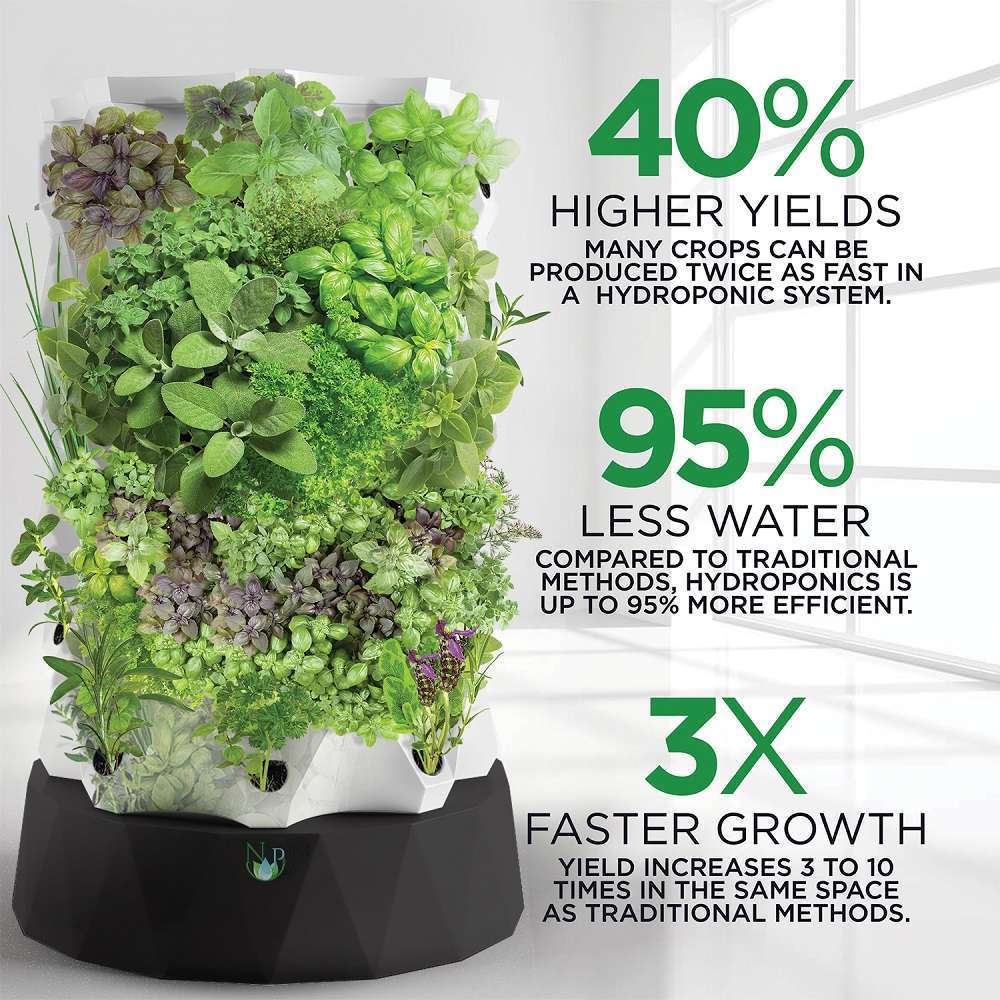
- Hydroponic Towers:These use water to grow plants without soil. Efficient for herbs and leafy greens.
Each type offers unique benefits. Consider what suits your needs best.
Factors To Consider For Indoor Use
Several factors impact the success of an indoor vertical garden. Evaluate these before choosing a system:
- Space Availability:Measure your available space. Ensure the system fits comfortably.
- Light Conditions:Check the light levels in your room. Some systems need more light than others.
- Watering Needs:Consider how much watering your plants require. Choose a system that meets these needs.
- Maintenance Level:Assess how much time you can dedicate to maintenance. Some systems need regular care, while others are low-maintenance.
Choosing the right system involves balancing these factors. The right choice ensures a healthy and beautiful garden.
Selecting Plants For Vertical Gardens
Choosing the right plants is crucial for successful vertical gardens. Opt for species that thrive in limited soil. Consider water-loving plants like ferns or herbs for easy indoor maintenance.
Selecting Plants for Vertical Gardens Creating a thriving indoor vertical garden starts with choosing the right plants. Not all plants are suited for vertical growth, especially indoors where light and space are limited. You need to consider how each plant will adapt to the vertical setup and its environmental needs. The right selection can transform your vertical garden into a lush, green sanctuary.Best Indoor Plants For Vertical Gardens
Certain plants excel in vertical settings due to their adaptability and minimal care requirements. Ferns, with their lush fronds, add a touch of nature’s elegance and thrive in indirect light. Succulents are another excellent choice; they store water in their leaves, making them low-maintenance. Pothos and Philodendrons are known for their trailing vines and are perfect for cascading down the vertical garden. Before you choose, think about the amount of sunlight your space gets. If your room is filled with natural light, consider adding Herbs like basil and mint. They not only look and smell great but are also useful in the kitchen.Plant Compatibility And Requirements
Understanding plant compatibility is crucial in maintaining a balanced vertical garden. Group plants with similar water and light needs to simplify your care routine. Mixing a high-water plant with a drought-tolerant one can lead to problems. Consider temperature and humidity preferences. Tropical plants, for instance, thrive in warm, humid conditions. If your home tends to be dry, you might need a humidifier to keep them happy. Ask yourself: how much time can you dedicate to plant care? If your schedule is tight, opt for hardy plants that can withstand some neglect. By matching your lifestyle with plant needs, you can ensure a flourishing vertical garden that requires minimal effort.Watering Techniques For Vertical Gardens
Watering a vertical garden indoors requires careful techniques. Proper watering ensures healthy and vibrant plants. The right methods prevent overwatering and underwatering. Both can harm your plants. Knowing how to water correctly is key to success.
Understanding Plant Water Needs
Plants have different water needs. Some need more, others less. Tropical plants often need more water. Succulents require less. Check the soil moisture regularly. Use a moisture meter or finger test. This helps you know when to water. Overwatering can lead to root rot. Underwatering may cause wilting. Each plant type has specific needs. Understanding these is crucial for a thriving garden.
Effective Watering Methods
Drip irrigation is ideal for vertical gardens. It delivers water directly to the roots. This method saves water and time. Another method is hand watering. Use a watering can with a long spout. This helps reach high plants. Ensure even water distribution. Sprinklers can also be used. They are suitable for larger setups. Ensure they cover the entire garden.
Credit: nutraponics.com
Maintaining Optimal Moisture Levels
Maintaining optimal moisture levels in your indoor vertical garden is crucial for the health and growth of your plants. Too much water can lead to root rot, while too little can cause wilting and stunted growth. Striking the right balance requires attention and a bit of know-how, but the rewards of a thriving green wall are well worth the effort.
Monitoring Soil Moisture
Regularly check the moisture level of your soil to ensure your plants are getting the right amount of water. You can use a simple finger test: insert your finger about an inch into the soil. If it feels dry, it’s time to water; if it’s moist, wait a bit longer.
For a more precise measurement, consider investing in a soil moisture meter. This tool provides accurate readings and helps you avoid the guesswork. It’s especially useful if you’re growing plants with specific moisture needs.
Pay attention to the specific requirements of each plant species. Some plants prefer drier conditions, while others thrive in consistently moist soil. Tailor your watering schedule accordingly.
Using Self-watering Systems
Self-watering systems can be a game-changer for maintaining moisture levels in a vertical garden. These systems typically involve a reservoir that gradually releases water into the soil, ensuring a consistent supply.
Consider using a wick system, where a fabric wick pulls water from a reservoir into the soil. This setup is simple to install and can significantly reduce the need for frequent watering.
For those who travel often or have busy schedules, automatic drip irrigation systems are a fantastic option. These systems can be programmed to water your plants at specific intervals, giving you peace of mind and your plants the care they need.
Have you considered the impact of humidity levels in your home on your vertical garden? High indoor humidity can affect how often you need to water. Adjust your system to suit your environment and keep your plants thriving.
Preventing Overwatering And Underwatering
Watering a vertical garden indoors requires careful attention. The balance between overwatering and underwatering is crucial. Plants need just the right amount of water for optimal growth. Understanding the signs of water stress will help maintain a healthy garden. Recognizing these signs is key to preventing damage.
Signs Of Overwatering
Overwatering causes several noticeable changes. Leaves may become yellow or wilted. The soil often feels soggy or waterlogged. Root rot is a common issue. Overwatered plants may also develop mold. Excess water attracts pests and diseases.
Signs Of Underwatering
Underwatering results in dry, brittle leaves. Stunted growth is another symptom. Soil may appear dry and compacted. Leaves might curl or drop prematurely. Plants can appear droopy and lifeless.

Credit: www.amazon.com
Advanced Watering Solutions
Watering a vertical garden indoors requires careful attention to drainage and moisture levels. Use drip irrigation systems to ensure consistent hydration. Regularly check plant health to adjust watering frequency accordingly.
When caring for an indoor vertical garden, advanced watering solutions can make a big difference. These solutions not only save time but also ensure consistent hydration for plants. Let’s explore some effective methods to maintain your vertical garden’s health.Automated Irrigation Systems
Automated irrigation systems offer convenience and efficiency. These systems use timers and sensors to water plants at set intervals. Sensors detect soil moisture levels, ensuring plants get the right amount of water. This reduces the risk of overwatering or underwatering. Installation is simple, and many systems are customizable. Adjust settings based on plant needs and seasonal changes. Automated systems can be a great investment for busy gardeners.Hydroponic And Aquaponic Options
Hydroponic systems grow plants without soil, using nutrient-rich water. This method allows precise control over water and nutrients. Plants grow faster and use less water than traditional methods. Aquaponic systems combine fish farming and hydroponics. Fish waste provides nutrients for plants, creating a sustainable cycle. Both systems are space-efficient, perfect for indoor vertical gardens. They require regular maintenance but offer rewarding results. Choose based on your gardening goals and available space.Troubleshooting Watering Issues
Ensure your vertical garden thrives by understanding its watering needs. Use a spray bottle for even moisture distribution. Check soil dampness regularly to prevent overwatering.
Troubleshooting watering issues in your vertical garden can be challenging. Plants need the right amount of water to thrive. Too much or too little can harm them. Understanding common issues helps in maintaining a healthy garden.Common Problems And Solutions
Overwatering is a frequent issue. It leads to root rot. To solve this, use well-draining soil. Ensure pots have drainage holes. Wilting despite wet soil? This might indicate root problems. Consider reducing watering frequency. Underwatering is another challenge. Plants may wilt or dry out. Check soil moisture regularly. Use a moisture meter if unsure. Ensure water reaches every part of the garden.Adjusting Techniques For Different Seasons
Seasons affect indoor garden watering needs. In summer, plants may need more water. Check soil moisture often. Increase watering frequency if needed. In winter, plants require less water. Growth slows down in colder months. Reduce watering frequency. Ensure pots aren’t sitting in water. Use room temperature water for better absorption. Adjusting your watering routine with seasons ensures plant health. Keep an eye on plant responses. Modify your approach accordingly.
Credit: www.youtube.com
Expert Tips For Vertical Garden Success
Creating a thriving vertical garden indoors can be a rewarding experience, but it comes with its own set of challenges. One crucial aspect of nurturing your green wall is understanding the art of watering. Here are some expert tips to ensure your vertical garden flourishes.
Scheduling Watering Sessions
Consistency is key when it comes to watering your vertical garden. Set up a regular schedule that aligns with the needs of your plants. It’s not just about frequency but also the time of day. Watering in the morning allows plants to absorb moisture before the indoor temperature rises.
Consider the environment of your home. Drier climates may require more frequent watering, while more humid areas might need less. Use a moisture meter to gauge when your plants actually need water, rather than sticking strictly to a schedule.
Using Quality Water Sources
The quality of water you use can dramatically impact the health of your plants. Tap water often contains chlorine and other chemicals that may harm sensitive plants over time. Opt for filtered or distilled water to avoid these issues.
If you collect rainwater, it’s a great alternative and environmentally friendly. Ensure the water is at room temperature before use, as cold water can shock the plants and hamper their growth. Experiment with different water sources to see which your plants respond to best.
Have you considered the potential of using greywater? While it requires careful management, reusing water from sinks or baths can be an eco-friendly choice if done correctly. Just ensure no harmful chemicals are involved.
Frequently Asked Questions
How Often Should You Water A Vertical Garden Indoors?
Indoor vertical gardens typically need watering once a week. Factors like plant type, humidity, and light influence this frequency. Check soil moisture regularly to ensure plants aren’t overwatered. Overwatering can lead to root rot and other issues. Adjust watering based on seasonal changes and specific plant needs for optimal growth.
What Is The Best Way To Water Indoor Vertical Gardens?
The best method is using drip irrigation or a self-watering system. These systems ensure even water distribution and prevent overwatering. If watering manually, use a spray bottle or watering can for precision. Ensure water reaches the roots without excessive drainage.
Regularly check water levels to maintain plant health.
Can You Use Tap Water For Indoor Vertical Gardens?
Tap water is usually safe for most indoor plants. However, some sensitive plants may react to chlorine or fluoride. Let tap water sit for 24 hours to allow chemicals to dissipate. Alternatively, use filtered or distilled water. Always monitor plant health and adjust water type if necessary for optimal growth.
How Do You Prevent Water Damage In Vertical Gardens?
Use waterproof materials like liners or sealants to protect surfaces. Ensure proper drainage to avoid water accumulation. Regularly check for leaks or water pooling. Install drip trays to catch excess water. Maintain humidity levels to prevent mold growth. Regular checks can prevent damage and promote healthy plant growth.
Conclusion
Watering a vertical garden indoors is simple with practice. Remember to check soil moisture often. Use a spray bottle or watering can for even coverage. Ensure good drainage to prevent root rot. Consider plant needs like light and humidity. Proper watering keeps your plants healthy and vibrant.
Monitor your plants’ response to adjust methods as needed. Enjoy the beauty and benefits of your thriving indoor garden. With care and attention, your vertical garden will flourish. Keep learning and observing for the best results. Happy gardening!