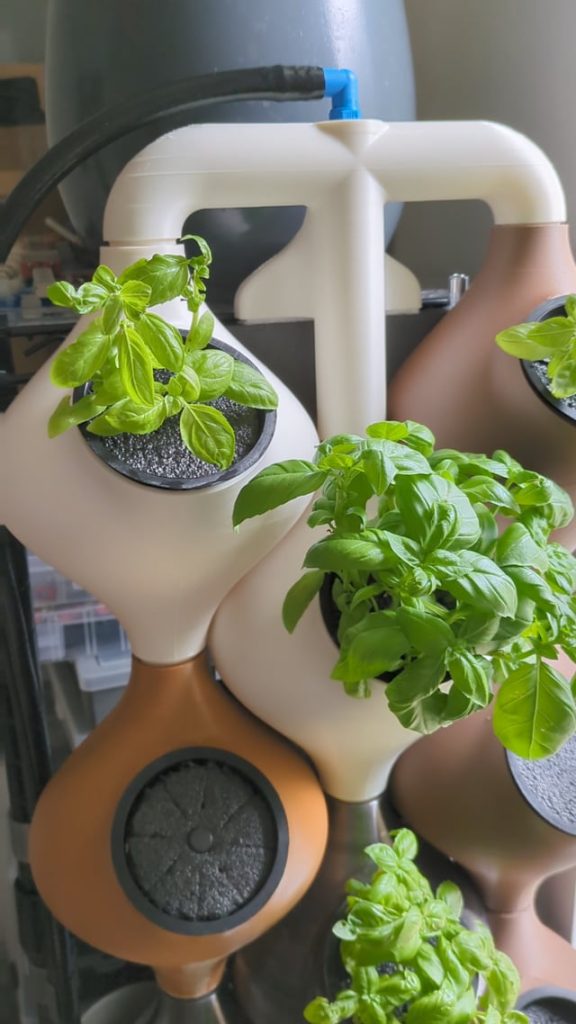
Imagine transforming a corner of your home into a lush, green oasis that not only adds beauty but also provides fresh herbs and greens. That’s exactly what a small hydropod garden can do for you.
It’s a simple and rewarding way to bring nature indoors, even if you’re short on space. You don’t need a green thumb or a big backyard to start growing your own plants. With a few basic materials and a little bit of time, you can create a thriving indoor garden that will impress your friends and family.
Curious about how to get started? In this guide, you’ll discover the secrets to setting up your own hydropod garden, ensuring it flourishes with minimal effort. Ready to dive in and bring the outdoors inside? Let’s get growing!
Benefits Of Indoor Hydropod Gardening
Indoor hydropod gardening has gained popularity for its numerous benefits. This method of gardening uses water instead of soil, making it ideal for small spaces. It offers a unique way to grow plants indoors with minimal mess and maintenance.
Environmentally Friendly
Hydropod gardens use less water than traditional soil gardening. This makes them eco-friendly and sustainable. The closed-loop system reduces water waste. It also minimizes the need for pesticides and fertilizers.
Space Efficient
These gardens fit into small indoor spaces easily. You can place them on a countertop or windowsill. They are perfect for apartments or small homes. No large garden plots are necessary.
Year-round Growing
Indoor hydropod gardens allow year-round plant growth. This means fresh herbs and vegetables any time of the year. You don’t rely on seasons or weather changes. Your garden remains productive throughout the year.
Reduced Pest Problems
Soil-free gardening reduces pest issues significantly. Without soil, many common garden pests can’t thrive. This results in healthier plants and fewer pest-related problems. It also means less need for chemical pesticides.
Easy Maintenance
Hydropod systems require low maintenance. They need less frequent watering and care. The system provides consistent nutrients to the plants. This ensures steady growth without much effort.

Credit: www.thehydrobucket.com
Essential Tools And Materials
Creating a small hydropod garden indoors is an exciting project that requires a few essential tools and materials. From selecting the right containers to choosing nutrient solutions and lighting, each component plays a crucial role in ensuring your plants thrive. Let’s dive into the essentials you’ll need to get your indoor garden up and running.
Choosing The Right Containers
The first step in setting up your indoor hydropod garden is selecting containers that suit your space and plant needs. Consider using clear plastic containersor glass jars to easily monitor root growth and water levels. Ensure that the containers are deep enough to support root expansion and have a wide opening for easy access.
Small storage bins or recycled food-grade containers can be budget-friendly options. Think about the size of your plants; herbs like basil and mint may require smaller containers, while larger plants like tomatoes might need more space.
Selecting Nutrient Solutions
Nutrient solutions are the lifeline of your hydropod garden, providing essential minerals and vitamins for plant growth. Look for pre-mixed hydroponic nutrient solutions available in gardening stores, which are convenient for beginners. If you’re feeling adventurous, you can create your own mix by combining macro and micro nutrients, ensuring a balanced diet for your plants.
Remember to check the pH level of your nutrient solution, maintaining it between 5.5 and 6.5 for optimal plant health. Regularly monitor and adjust the solution to keep your plants thriving.
Lighting Options
Lighting is crucial for photosynthesis, especially indoors where natural sunlight might be limited. LED grow lights are a popular choice due to their energy efficiency and customizable light spectrum. These lights can be easily adjusted to mimic natural sunlight, promoting healthy plant growth.
If you have a sunny windowsill, you might consider supplementing natural light with fluorescent lights, which are cost-effective and effective for small setups. Consider the light requirements of your chosen plants and adjust the distance and duration accordingly.
Setting up your indoor hydropod garden can be a rewarding experience. By carefully selecting the right tools and materials, you’re on your way to creating a thriving ecosystem in your home. What plants are you excited to grow in your new garden?
Selecting Plants For Hydropod Gardens
Creating a small hydropod garden indoors can be an exciting project. The key to success lies in choosing the right plants. Plants must thrive in water and adapt to indoor environments. This section will guide you through selecting the best plants for your hydropod garden.
Best Plants For Indoor Growth
Many plants flourish in water-based gardens. Here are some ideal choices:
- Mint:Grows quickly and adds a fresh aroma.
- Spider Plant:Hardy and easy to maintain.
- Pothos:Known for its trailing vines and adaptability.
- Peace Lily:Prefers low light and has beautiful blooms.
- Philodendron:Offers lush, green leaves and requires minimal care.
These plants are perfect for beginners. They require little attention and enhance your indoor space.
Avoiding Common Mistakes
Even simple gardens can face challenges. Avoid these common pitfalls:
- Overcrowding:Give each plant enough space to grow.
- Wrong Light Levels:Ensure plants receive adequate light.
- Neglecting Nutrients:Add essential nutrients to water regularly.
- Ignoring Temperature:Maintain consistent indoor temperatures.
- Improper Water Changes:Refresh water to prevent stagnation.
By addressing these issues, your hydropod garden will flourish. Happy growing!
Setting Up Your Hydropod System
Create an indoor hydropod garden with a few simple steps. Choose a sunny spot, gather containers, and nutrient-rich water. Arrange plants carefully, ensuring they receive enough light and moisture. Enjoy fresh greens year-round with minimal effort.
Setting up your hydropod system indoors can be an exciting project. This small garden system uses water and nutrients to grow plants without soil. It is perfect for small spaces. Follow these easy steps to get started.Preparing Containers
Choose a suitable container for your hydropod garden. Recycled plastic bottles or jars work well. Ensure the container is clean and free of any residue. Drill small holes in the lid for air circulation. This helps roots breathe and grow effectively. Fill the container with water to the desired level. Add a nutrient solution to support plant growth.Planting Techniques
Select seeds or seedlings suitable for hydropod gardening. Lettuce and herbs grow well indoors. Insert the plant roots into the container through the lid holes. Ensure the roots are submerged in water. Check if the plant stands upright without tipping. Adjust the container as necessary to support the plant. Position your hydropod garden near a light source. Sunlight or grow lights work best for photosynthesis. Regularly check water levels and add nutrients as needed. This ensures healthy plant growth in your indoor hydropod garden.Maintaining Optimal Conditions
Creating a small hydropod garden indoors requires careful attention to light, water, and air quality. Ensure proper lighting with LED grow lights and maintain water levels using a balanced nutrient solution. Good air circulation helps prevent mold and keeps plants healthy.
Maintaining optimal conditions in your small hydropod garden can be the key to thriving plants. It’s a delicate balance, but with some thoughtful attention, you can create an environment where your plants flourish. Let’s dive into the specifics of keeping your indoor garden healthy and vibrant.Monitoring Nutrient Levels
The right nutrients are like a recipe for success. Regularly check the nutrient solution to ensure your plants are getting what they need. Use a simple testing kit to gauge levels and adjust them as necessary. Keep an eye on the pH level too. Most plants thrive at a pH of 5.5 to 6.5. Adjusting the pH can be as simple as using pH up or down solutions.Ensuring Adequate Lighting
Lighting is a game changer in plant growth. If natural light is limited, consider using LED grow lights. They’re energy-efficient and can mimic the sun’s spectrum. Position lights about 6-12 inches above the plants. Adjust the height as they grow to avoid leaf burn.Controlling Temperature And Humidity
Temperature and humidity are like the silent partners in your garden. Ideally, keep the temperature between 65-75°F for most plants. Use a hygrometer to monitor humidity levels. If too low, a small humidifier can work wonders, while opening a window can reduce excess moisture. By keeping these conditions in check, you’re setting your hydropod garden up for success. What adjustments have you found most effective in your own gardening journey?Troubleshooting Common Issues
Starting a small hydropod garden indoors can face issues like insufficient light and nutrient imbalance. Ensure proper lighting and check water levels regularly. Adjust nutrients for healthy plant growth.
Creating a small hydropod garden indoors is an exciting journey that brings nature into your living space. However, like any gardening endeavor, it comes with its set of challenges. Troubleshooting common issues is essential to ensure your plants thrive. Whether your plants are showing signs of stress or battling pests and diseases, there are practical solutions to keep your indoor garden healthy and flourishing.Identifying Plant Stress
Recognizing plant stress early can save your garden from potential disaster. Have you noticed yellowing leaves, wilting, or stunted growth? These are common indicators of stress. Often, the culprit is poor lighting or incorrect water levels. Adjusting the light source closer or farther away can make a world of difference. Experiment with placement until your plants seem more vibrant. If you’re unsure, use a light meter app to measure the brightness. Watering is another critical aspect. Ensure your hydroponic system is not over or under watering. A simple test is to check the root color; healthy roots are usually white.Dealing With Pests And Diseases
Indoor gardens aren’t exempt from pest invasions. Have you seen tiny flies or noticed unusual spots on leaves? These could be signs of pests or diseases. Neem oil is a natural remedy that has worked wonders for many gardeners, including myself. It’s effective against a variety of pests without harming your plants. Regularly inspect your plants for any signs of infestation and treat promptly. Diseases can often be traced back to poor air circulation. Ensure your garden has adequate ventilation to prevent mold and mildew. A small fan can do wonders in keeping the air flowing and your plants healthy. What unexpected challenges have you faced in your hydropod garden? Sharing your experiences can help others navigate their gardening journey. Remember, every gardener learns through trial and error.Enhancing Growth And Yield
Enhancing the growth and yield of your indoor hydropod garden requires attention to detail. With the right techniques, your plants can thrive indoors and produce abundantly. Proper care and a few clever tricks can make a big difference. Let’s explore how to boost growth and yield effectively.
Using Growth Boosters
Growth boosters can significantly enhance plant development. Liquid fertilizers are a good choice. They provide essential nutrients directly to the roots. Ensure the solution is balanced for optimal absorption. Adding a few drops of hydrogen peroxide can improve oxygen levels. This promotes healthier root systems. Consider using plant hormones like gibberellic acid. It stimulates growth and increases yield.
Pruning And Harvesting Tips
Regular pruning is crucial for healthy growth. Remove dead leaves to prevent disease. Trim excess foliage to allow sunlight to reach lower leaves. This increases photosynthesis and enhances growth. Harvesting at the right time is important. Pick fruits and vegetables when ripe. This encourages more flowering and fruiting. Use clean tools for cutting to avoid plant stress.

Credit: www.instagram.com
Creative Design Ideas
Create a small hydropod garden indoors with minimal effort and space. Use small containers, water, and nutrient-rich solutions. Perfect for growing herbs and small plants at home.
Creating a small hydropod garden indoors can be as visually appealing as it is functional. While the primary goal is to grow plants without soil, integrating creative design ideas can transform your garden into a striking decor feature. Let’s explore some innovative ways to enhance the aesthetic and functionality of your indoor hydropod garden.Incorporating Aesthetic Elements
Consider using clear glass containers to allow the roots to be visible. This adds an interesting visual layer and showcases the natural growth process. Painted pots or containers with patterns can also complement your room’s decor. Choose colors that resonate with your overall interior theme to create harmony. LED grow lights can be both practical and decorative. Opt for lights with adjustable hues to change the ambiance of your space.Space-saving Solutions
Vertical gardens are excellent for small spaces. Use wall-mounted shelves or hanging pots to maximize vertical space. Think about modular systems that can be stacked or rearranged. This offers flexibility and allows you to expand your garden without requiring more surface area. Use furniture with built-in planters, such as tables or bookshelves with integrated plant holders. This not only saves space but also turns everyday items into green features. How can you make your indoor garden both beautiful and efficient? By blending design with functionality, your hydropod garden can be a true centerpiece in your home.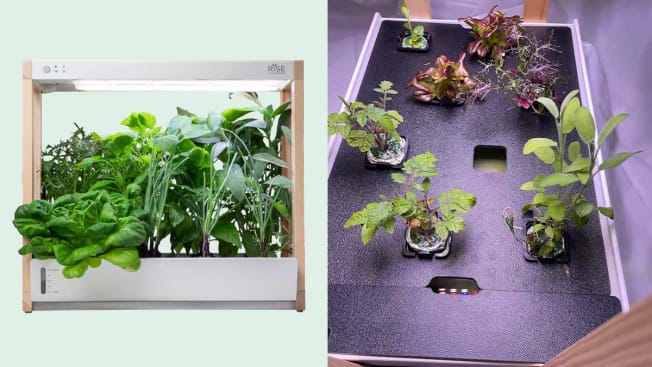
Credit: www.consumerreports.org
Frequently Asked Questions
What Is A Hydropod Garden?
A hydropod garden is a type of hydroponic system. It uses water and nutrient solutions to grow plants. This method is ideal for indoor gardening. It allows for efficient space utilization and easy maintenance. Hydropod gardens are perfect for small spaces and urban living.
How Do I Start An Indoor Hydropod Garden?
To start, choose a suitable hydropod system. Ensure it fits your space and needs. Gather necessary materials like nutrient solutions and containers. Select plants that thrive indoors. Follow instructions for setup and maintenance. Regularly monitor water and nutrient levels for optimal growth.
Which Plants Grow Well In Hydropod Gardens?
Many plants thrive in hydropod gardens. Herbs like basil, mint, and cilantro are excellent choices. Leafy greens such as lettuce and spinach grow well too. Tomatoes and peppers can also be grown indoors. Choose plants that suit your space and light conditions.
How To Maintain A Hydropod Garden?
Maintaining a hydropod garden is simple. Regularly check water and nutrient levels. Ensure proper lighting and temperature conditions. Trim and harvest plants as needed. Clean the system periodically to prevent buildup. Monitor plant health and adjust nutrients accordingly.
Conclusion
Creating a small hydropod garden indoors is simple and rewarding. It brings nature into your home. Plus, it’s a fun way to grow fresh herbs and plants. Just follow the steps outlined in the guide. Soon, you’ll enjoy the benefits of your own indoor garden.
Remember to monitor light and water levels. Your plants will thrive with a little care and attention. Don’t forget to experiment with different plants. Each one offers a unique experience. Enjoy your green oasis and the fresh air it provides.
Happy gardening!







