Have you ever dreamed of picking fresh tomatoes right from your own garden or enjoying a salad made with homegrown greens? Starting your garden indoors might just be the key to making that dream a reality.
But here’s the big question: when is the right time to begin? Timing can be everything when it comes to gardening success. Start too early, and you might face leggy plants and wasted effort. Start too late, and you could miss out on the prime growing season.
We’ll guide you through the perfect timing to start your indoor garden, ensuring a flourishing and fruitful outcome. Imagine the satisfaction of watching your seeds sprout and grow into a lush, thriving garden. Keep reading to discover the secrets of indoor gardening and unlock the potential of your green thumb.
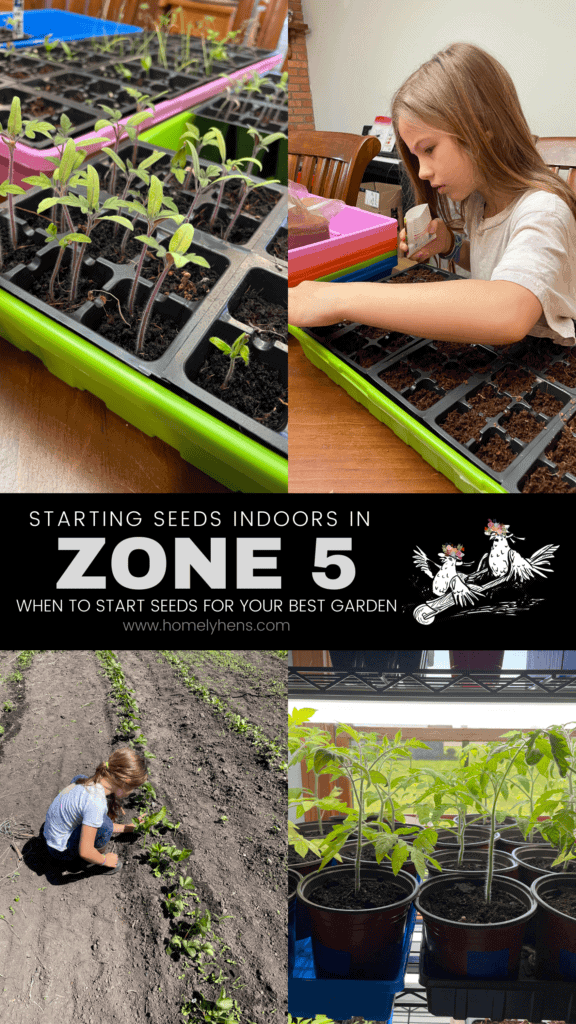
Credit: homelyhens.com
Benefits Of Starting Indoors
Starting your garden indoors offers early growth, protecting plants from harsh weather. This approach ensures stronger seedlings, ready for transplanting when outdoor conditions improve.
Starting your garden indoors can be a game-changer for those eager to maximize their gardening potential. It offers several unique advantages that can significantly enhance your gardening experience. If you’re wondering whether to give it a try, consider the following benefits.Extended Growing Season
One of the biggest perks of starting your garden indoors is the extended growing season. By planting seeds inside, you can get a head start on the growing process, even when it’s still chilly outside. This means you can enjoy fresh produce and vibrant flowers much earlier than if you were to wait for the last frost. Imagine biting into a juicy tomato in early spring, while others are just sowing their seeds. This jumpstart allows you to make the most of the warm months and enjoy a longer harvest period. Plus, it gives you the chance to experiment with different plant varieties that require longer growing times.Controlled Environment
Starting indoors offers you the luxury of a controlled environment, which can be a lifesaver for many plants. You can manage the temperature, light, and moisture levels to create the perfect conditions for your seedlings. This control reduces the risk of pests and diseases that can be prevalent outdoors. Have you ever had your seedlings wiped out by an unexpected cold snap or a sudden pest invasion? Indoors, you have the power to mitigate these risks, ensuring your plants get off to the best start possible. This can lead to stronger, healthier plants that are more likely to thrive once transplanted outside. What challenges have you faced with outdoor gardening? Starting indoors might just be the solution to overcoming those hurdles, giving you a more successful gardening season.Choosing The Right Time
Starting your garden indoors can be exciting. Begin about 6-8 weeks before the last expected frost. This timing allows seedlings to mature enough for outdoor transplanting.
Choosing the right time to start your garden indoors is crucial. It affects the success of your plants. Timing ensures healthy growth and a bountiful harvest. The right start gives your plants a head start. Consider key factors like frost dates and regional climate. These help you make informed decisions.Understanding Frost Dates
Frost dates guide when to start seeds indoors. They indicate the last expected frost in spring. Knowing this helps you avoid frost damage. Find your area’s average last frost date online. Use this date to plan your indoor planting schedule. Count backward from the frost date to determine when to start seeds.Regional Climate Considerations
Climate impacts your indoor gardening schedule. Warmer regions may start earlier than colder ones. Consider your local weather patterns. Mild climates might need less indoor time. Colder regions benefit from an earlier indoor start. Adjust your planting based on regional conditions for the best results.Selecting Suitable Plants
Starting a garden indoors requires timing. Begin during late winter or early spring for optimal results. Choose plants that thrive in controlled environments, like herbs and leafy greens.
Selecting the right plants is crucial for starting an indoor garden. Not all seeds are suitable for indoor growing. Choose varieties that thrive in controlled environments. Consider factors like light, temperature, and space.Best Seeds For Indoor Start
Some seeds perform well indoors. Here are a few to consider:- Tomatoes: Require warmth and plenty of light.
- Peppers: Thrive in warm indoor settings.
- Herbs: Basil, parsley, and chives grow well indoors.
- Lettuce: Perfect for cooler indoor climates.
- Spinach: Grows quickly with enough light.
Avoiding Common Mistakes
Avoid common pitfalls when starting seeds indoors.- Overwatering: Too much water can rot seeds.
- Lack of Light: Ensure enough light for healthy growth.
- Wrong Temperature: Keep seeds warm to encourage sprouting.
- Overcrowding: Give each seed enough space to grow.
- Poor Soil: Use quality soil for better results.
Preparing Your Indoor Space
Starting your garden indoors offers many rewards. It extends your growing season. Your plants get a head start. But, preparing your space is crucial. Good planning leads to healthy plants. It also makes gardening more enjoyable.
Lighting And Temperature Needs
Plants need light. Most need 12-16 hours daily. Natural light may not be enough. Consider using grow lights. They mimic sunlight. Keep them close to your plants. Check the temperature too. Many plants prefer temperatures between 65-75°F. A thermometer can help you monitor this.
Choosing Containers And Soil
The right container helps plants grow. Choose pots with drainage holes. This prevents root rot. Consider size too. Bigger pots allow more root space. For soil, use a quality potting mix. It should be light and well-draining. Avoid garden soil. It can be too heavy for indoor use.
Caring For Indoor Seedlings
Starting a garden indoors is an exciting journey. Once your seeds sprout, caring for indoor seedlings becomes crucial. Healthy seedlings lead to strong plants. Let’s explore key aspects to ensure your seedlings thrive.
Watering And Feeding
Seedlings need consistent moisture. Check soil daily. Ensure it stays damp but not soggy. Overwatering can harm roots. A spray bottle is useful for gentle watering. Feed your seedlings with a diluted fertilizer. This boosts their growth. Follow instructions on the fertilizer package. Overfeeding can damage young plants. Balance is key.
Managing Pests And Diseases
Indoor seedlings can face pests and diseases. Inspect leaves regularly. Remove any visible pests by hand. Use natural remedies like neem oil. It’s safe and effective. Ensure good air circulation. This helps prevent diseases. Avoid overcrowding your seedlings. Space them properly. This reduces the risk of mold and fungus. Keep an eye out for any signs of trouble. Act quickly to protect your plants.
Transitioning Outdoors
Starting your garden indoors depends on your local climate. Typically, begin planting seeds six to eight weeks before the last expected frost. This timing allows seedlings to grow strong before moving outdoors.
Transitioning your indoor garden outdoors can be an exciting step in your gardening journey. It marks the transition from nurturing your plants in a controlled environment to letting them flourish under the open sky. However, this move needs careful planning to ensure your seedlings adapt well to their new surroundings.Hardening Off Process
Hardening off is crucial for helping your plants adjust from the comfort of indoor life to the unpredictable conditions outside. This gradual process involves exposing your seedlings to outdoor conditions for a few hours each day, increasing their time outside incrementally over a week or two. Start by placing them in a sheltered, shaded area to protect them from direct sunlight and strong winds. On cooler days, keep them outside for shorter periods to prevent shock. Consider how your seedlings react. Are they wilting or thriving? This feedback will guide how fast or slow you should proceed.Timing For Transplanting
Timing is everything when moving plants outdoors. Typically, you should wait until after the last frost date in your area to ensure your plants don’t get damaged by unexpected cold snaps. Check the specifics for each plant type, as some might be more frost-tolerant than others. For example, tomatoes and peppers prefer warmer conditions, while kale and broccoli can handle cooler temperatures. Ask yourself if you’re prepared to cover your plants should an unexpected frost occur. Having protective measures ready can make a significant difference in their survival and growth.Expert Advice And Resources
Starting your garden indoors can be a rewarding journey, especially when you tap into expert advice and resources. From timing your seed sowing perfectly to selecting the best soil mix, having guidance can make all the difference. Whether you’re a novice gardener or a seasoned green thumb, connecting with knowledgeable sources enhances your gardening experience and success.
Local Gardening Clubs
Have you ever considered joining a local gardening club? These clubs are treasure troves of expertise. Members often share hands-on experiences that can guide you in starting your indoor garden effectively. They organize workshops and events where you can learn directly from seasoned gardeners.
Participating in these clubs also offers the chance to exchange seeds and plants, which can be a great resource for your indoor garden. Plus, it’s a fantastic way to meet fellow gardening enthusiasts who can share their insights and tips with you.
Online Communities And Forums
Online communities and forums are a goldmine for instant advice and support. Platforms like Reddit and specialized gardening forums host discussions where you can ask questions and share your gardening dilemmas. The feedback from diverse participants can help you troubleshoot issues you’re facing.
You’ll also find detailed guides and tutorials shared by experienced gardeners, often accompanied by photos and step-by-step instructions. Have you tried joining these online groups? They offer an opportunity to learn from gardeners across different climates and settings, broadening your perspective on indoor gardening.

Credit: lifehacker.com
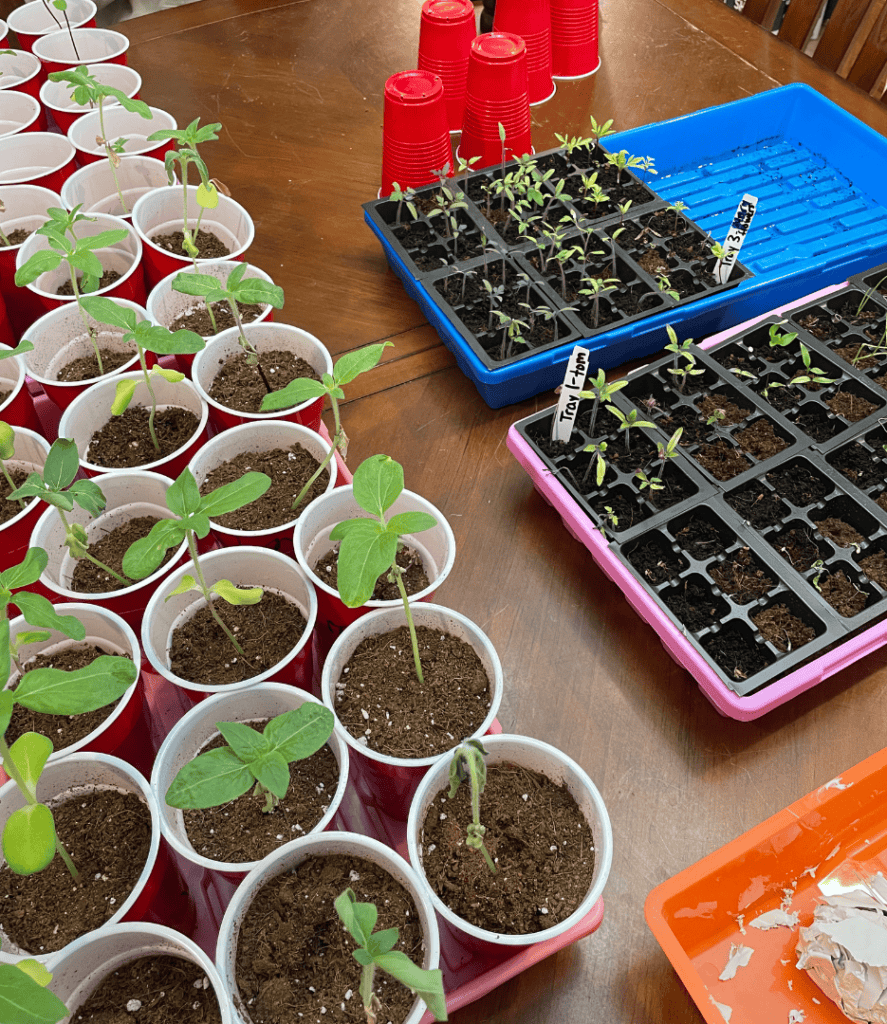
Credit: homelyhens.com
Frequently Asked Questions
What Are The Benefits Of Starting A Garden Indoors?
Starting a garden indoors allows for year-round gardening. It offers protection from pests and harsh weather. You can control the environment for optimal plant growth. Indoor gardening can beautify your home and purify the air. It also provides fresh produce conveniently.
How To Choose The Right Seeds For Indoor Gardening?
Choose seeds that thrive in controlled environments like herbs, tomatoes, and peppers. Consider space and light requirements for each plant. Opt for compact or dwarf varieties. Check the germination time for better planning. Research seed companies for quality and reliability.
What Equipment Do I Need For Indoor Gardening?
You need containers, potting mix, and grow lights. A watering can and humidity tray are also essential. Consider a thermostat for temperature control. Fertilizers and pest control solutions are useful. Ensure you have a dedicated space with good ventilation.
How Do I Manage Light Indoors For Plants?
Use LED grow lights for efficient light management. Position lights close to plants but avoid overheating. Adjust light duration based on plant type. Monitor plant growth and adjust light intensity as needed. Ensure plants receive adequate natural light when possible.
Conclusion
Starting your garden indoors offers many benefits. It gives plants a head start. Protects them from harsh weather. Saves time in the growing season. Experiment with timing to find the best schedule. Pay attention to your local climate. Adjust as needed for the best results.
Indoor gardening can lead to a successful harvest. Enjoy fresh produce sooner. With patience and care, your garden will thrive. Use these tips to guide your planning. Create a thriving indoor garden space. Watch your plants grow strong and healthy.
The joy of gardening awaits. Happy planting!