Imagine stepping into your backyard and instantly feeling the calming embrace of nature’s tranquility. That’s what a Japanese small garden can offer you.
This timeless art form, known for its simplicity and elegance, can transform even the smallest of spaces into a serene retreat. But how do you create such a harmonious sanctuary right at home? You might think it’s complicated, but it’s simpler than you think.
By understanding the core principles of Japanese garden design, you can craft a peaceful oasis that embodies balance and beauty. Whether you have a sprawling yard or just a tiny patch of green, the right techniques will make your space feel expansive and inviting. As you read on, you’ll discover how to blend natural elements and thoughtful design to create your own slice of zen. Are you ready to transform your outdoor space into a calming retreat that soothes your senses and refreshes your spirit? Let’s dive into the art of designing a Japanese small garden.
Choosing The Right Location
Selecting the perfect spot is essential for a Japanese small garden. Choose an area with balanced sunlight and shade. Ensure it’s visible from key viewpoints to enhance tranquility and enjoyment.
Choosing the right location is crucial when designing a Japanese small garden. The location sets the mood and influences the overall experience. A well-chosen spot can enhance tranquility and aesthetics.Identify Sunlight Patterns
Observe how sunlight moves in your garden area. Japanese gardens often need partial shade. Too much sun can harm delicate plants. Choose a spot with balanced light.Consider Accessibility
Think about how you will access the garden. A location near a window or door offers easy viewing. Ensure paths are clear and safe for visitors.Evaluate Soil Quality
Soil quality affects plant growth. Test your soil’s pH and nutrients. Choose a spot with good drainage and fertile soil for best results.Account For Climate
Climate impacts plant selection and garden design. A sheltered location can protect from harsh winds. Consider temperature variations throughout the year.Plan For Water Features
Water features add calmness and beauty. Choose a spot where water can flow naturally. Ensure easy access to water sources for maintenance.Incorporate Existing Elements
Existing trees or rocks can enhance your design. Work with these elements to create harmony. Use them to frame or anchor your garden space.
Credit: www.youtube.com
Essential Elements Of Japanese Gardens
Designing a Japanese small garden involves harmony and balance. Key elements include stone, water, and plants, each representing nature’s beauty. Simplicity and serenity should guide the layout, focusing on natural curves and textures.
Creating a Japanese small garden is all about capturing the essence of nature in a compact space. These gardens are designed to evoke a sense of tranquility and harmony. While small in size, they are rich in elements that reflect Japanese culture and philosophy. To design your own slice of Japanese paradise, focus on incorporating the essential elements that define these gardens.Water Features
Water symbolizes calmness and reflection in Japanese gardens. Even a small pond or a simple bamboo water fountain can bring life to your garden. The sound of trickling water can create a soothing ambiance, making your garden a perfect place for relaxation. Think about how water interacts with other elements. A koi pond with a small bridge can add both beauty and function. If space is tight, consider a stone basin with a bamboo spout—a classic element that embodies simplicity and elegance.Plants And Trees
Plants are the heart of any Japanese garden. Choose a mix of evergreen shrubs, flowering plants, and moss to create texture and color year-round. Japanese maples are a popular choice for their stunning seasonal color changes. Bonsai trees can add a touch of artistry and tradition. They reflect patience and care, qualities that are essential in the art of gardening. Arrange your plants in layers to create depth, and consider how they will look in different seasons.Stone And Gravel
Stones and gravel play a crucial role in Japanese gardens, representing mountains and rivers. Use stones to create pathways or as focal points. The placement of each stone should feel natural and balanced. Gravel can be used to create Zen-like sand gardens, which are perfect for small spaces. Rake the gravel into patterns to mimic the flow of water. This act can be meditative, offering a moment of peace in a busy day. How do you envision your Japanese garden? Balancing these elements can transform even the smallest space into a serene retreat.Creating A Sense Of Balance
Designing a Japanese small garden focuses on harmony and simplicity. Incorporate elements like rocks, water, and plants to create balance. Achieve tranquility by arranging features thoughtfully, emphasizing natural beauty and peaceful ambiance.
Creating a sense of balance in a Japanese small garden is essential to achieving the tranquility and harmony these spaces are known for. Balance doesn’t just mean symmetry; it involves a thoughtful arrangement of elements that complement each other. As you design your garden, consider how each component interacts to create a serene environment.Yin And Yang In Design
The concept of Yin and Yang is central to Japanese garden design. It’s about finding harmony between opposing forces. Think about incorporating elements like light and shadow, water and rock, or soft and hard textures. Each pair should coexist without overpowering the other. Imagine a gentle stream flowing beside a rugged rock formation. This contrast enhances the garden’s aesthetic while maintaining balance. Ask yourself: How do the elements in your garden reflect Yin and Yang? Are they in harmony or is one dominating?Proportion And Scale
Proportion and scale are crucial in a small garden. You want to create a space that feels expansive despite its size. Use plants and structures that are proportionate to the garden’s dimensions. A large tree might overwhelm a small garden, whereas a bonsai or a carefully placed shrub can add depth and character. Consider the size of each element and how they relate to each other. Small pathways can create a sense of journey and exploration. How can you use proportion to make your garden feel larger? Think about the impact of each choice on the overall balance.Incorporating Japanese Aesthetics
Incorporating Japanese aesthetics into a small garden creates a serene space. Japanese gardens are known for their harmony and balance. They reflect the beauty and simplicity found in nature. By understanding key principles, you can create a tranquil retreat. This section explores two essential concepts: Wabi-Sabi philosophy and simplicity and minimalism.
Wabi-sabi Philosophy
Wabi-Sabi embraces the beauty of imperfection and transience. This philosophy values aged, weathered surfaces and asymmetrical shapes. It reflects the natural cycle of growth and decay. In garden design, include elements that look naturally aged. Use stones with varied textures and colors. Choose plants with unique, uneven shapes. These features add depth and character to the garden.
Integrate materials that develop patina over time. Wooden benches and pathways enhance this aesthetic. They age gracefully, adding warmth and charm. Consider moss-covered stones or weathered sculptures. They embody the Wabi-Sabi spirit. This approach creates a space that feels lived-in and timeless.
Simplicity And Minimalism
Japanese gardens focus on simplicity and minimalism. They use fewer elements to create a peaceful atmosphere. Avoid clutter and excessive decorations. Choose a few key features to highlight. A single stone lantern or a small pond can serve as focal points.
Plant arrangements should be sparse yet intentional. Select plants that thrive together and complement each other. Bamboo, ferns, and hostas are popular choices. They offer varied textures without overwhelming the space. Arrange them thoughtfully to create balance.
Use clean lines and open spaces in your design. Paths should be simple and unobtrusive. They guide visitors gently through the garden. This approach encourages relaxation and contemplation.
Selecting Plants For Your Garden
Choosing plants for a Japanese small garden involves selecting species that evoke tranquility and simplicity. Opt for evergreen shrubs, bamboo, and moss to create harmony. Balance is key, with stones and water features complementing the serene plant layout.
Selecting the right plants for your Japanese small garden is crucial. These selections will help set the mood and authenticity of your space. You want plants that complement the harmony and simplicity inherent in Japanese design.Traditional Japanese Plants
Choosing traditional Japanese plants can bring authenticity to your garden. Consider using bamboo, which adds height and structure. Its gentle sway in the wind can create a sense of tranquility. Moss is another excellent choice. It’s a staple in Japanese gardens due to its lush, carpet-like appearance. It thrives in shaded areas, making it perfect for creating a serene ground cover. Maples, particularly Japanese maples, offer stunning foliage. Their vibrant colors and delicate leaves can enhance the beauty of your garden. Imagine the delight of seeing their leaves change with the seasons.Seasonal Considerations
Think about how your garden will look throughout the year. Some plants offer visual interest during specific seasons. Cherry blossoms, for instance, provide a breathtaking display in spring. Consider incorporating evergreens like pine trees. These will ensure your garden remains visually appealing even in the winter months. Their sturdy presence can offer comfort during colder seasons. Why not plan for a plant rotation? You could introduce seasonal flowers to maintain vibrancy. This approach keeps your garden dynamic and engaging year-round. Are you ready to transform your garden into a peaceful retreat? By selecting the right plants, you can craft a space that reflects the beauty and tranquility of Japanese design.
Credit: www.outdoorfountainpros.com
Integrating Water Features
Integrating water features like a small pond or bamboo fountain can enhance tranquility in Japanese gardens. Careful placement and natural materials create harmony and balance with surrounding elements.
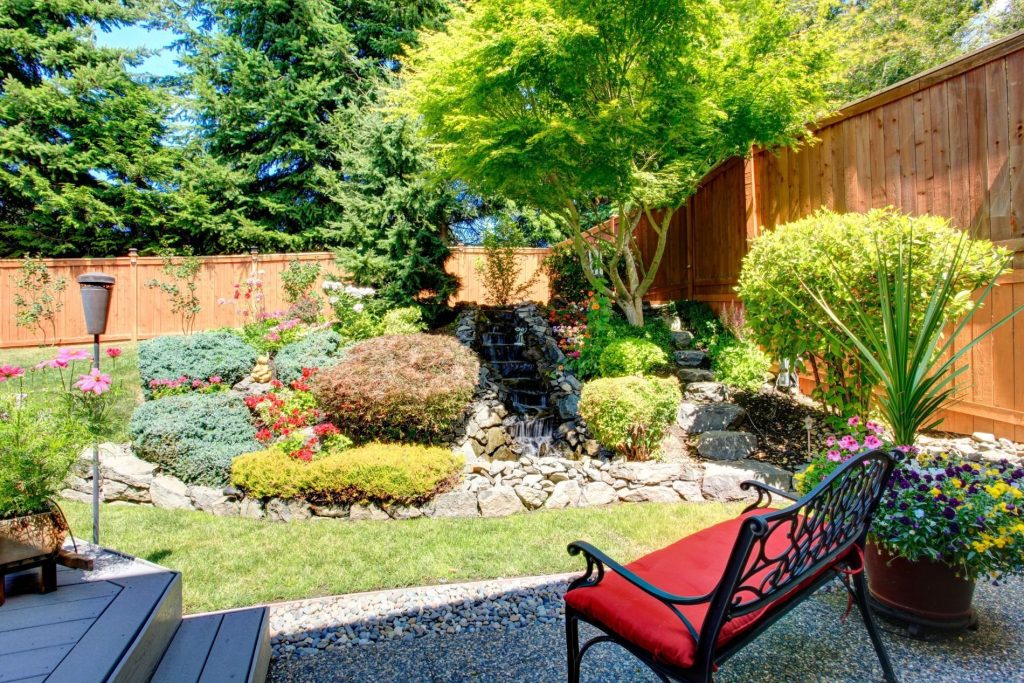
Integrating water features in a Japanese small garden can transform your space into a serene oasis. Water elements bring tranquility and a sense of balance, helping to create a peaceful retreat right in your backyard. Whether it’s the gentle trickle of a stream or the soothing sound of a fountain, these features can enhance the overall aesthetic and calming atmosphere of your garden.Ponds And Streams
Ponds and streams are quintessential in Japanese garden design. They symbolize life and renewal. A small pond can host koi fish, adding vibrant colors and movement to your garden. Consider the placement of your pond. It should complement the natural landscape and other garden elements. A small stream can meander through the garden, creating a gentle flow that mimics a natural watercourse.Fountains And Water Basins
Fountains and water basins offer a more contained water feature option. They can fit even the smallest garden spaces. A simple bamboo fountain can provide the soothing sound of water without requiring much space. Water basins, known as tsukubai, are traditional elements often placed near a teahouse or garden path. They invite guests to pause and reflect. They are perfect for adding a touch of authenticity and tranquility to your garden. When designing your Japanese small garden, how will you incorporate these calming water features to create your perfect retreat?Using Stones And Gravel
Designing a Japanese small garden can be enchanting with stones and gravel. Choose smooth stones for pathways and calming gravel to create a Zen-like atmosphere. Arranging them thoughtfully adds balance and tranquility to the garden space.
Using stones and gravel in Japanese small gardens creates a peaceful atmosphere. These elements bring a natural feel, transforming spaces into serene retreats. Stones can symbolize mountains, while gravel represents water or flowing rivers. This combination sets the foundation for a tranquil garden.Pathways And Borders
Pathways guide visitors through the garden. Use smooth stones for a natural walkway. Arrange them in a pattern, leading to different garden areas. Gravel borders provide a clean edge, enhancing the garden’s layout. Choose neutral colors for a harmonious look. Borders separate different sections, maintaining order and structure.Zen Gardens
Zen gardens showcase simplicity and balance. Use raked gravel to create wave-like patterns. These patterns symbolize flowing water and calmness. Place larger stones strategically to represent mountains or islands. Keep the design minimalistic for a meditative space. Zen gardens encourage mindfulness and reflection.Lighting And Ambiance
Soft lighting enhances the tranquil atmosphere of a Japanese small garden. Use lanterns or subtle solar lights to create a peaceful glow. Strategically placed lights highlight plants and pathways, adding depth and interest to the serene space.
Lighting plays a crucial role in Japanese small garden design. It sets the mood and highlights features beautifully. The right lighting creates a serene and tranquil ambiance.Natural Light
Natural light enhances the garden’s beauty. Position your garden to maximize sunlight. Consider the movement of the sun. Morning sunlight gives a soft glow. Evening light adds warmth. Use trees and shrubs to filter light. They create gentle shadows, adding depth.Artificial Lighting
Artificial lighting extends garden enjoyment into the night. Use lanterns to add charm. Place them along pathways or near water features. Solar lights are eco-friendly and cost-effective. They provide a warm, gentle glow. Spotlights highlight specific garden features. Use them sparingly to maintain a natural feel. Choose LED lights for energy efficiency. They are long-lasting and come in various colors.Maintaining Your Japanese Garden
Designing a small Japanese garden involves balancing elements like water, rocks, and plants. Focus on simplicity and harmony to create a tranquil space. Choose plants like moss and bamboo, and incorporate a small water feature for serenity.
Maintaining Your Japanese Garden Creating a Japanese small garden is an art, but keeping it pristine requires dedication and care. Regular maintenance ensures your garden remains a tranquil haven. With attention to detail, you can preserve its beauty and serenity throughout the seasons.Pruning Techniques
Pruning is essential to maintaining the elegant simplicity of a Japanese garden. Start by carefully trimming branches that disrupt the natural flow of the garden’s design. Focus on shaping shrubs and trees to enhance the sense of balance and harmony. Use sharp tools for clean cuts and avoid over-pruning, which can lead to stress in plants. Regularly check for dead or overgrown branches. This not only improves aesthetics but also promotes healthy growth.Seasonal Care
Each season brings unique challenges and opportunities for your Japanese garden. In spring, clean up fallen leaves and debris to encourage new growth. Consider applying a natural mulch to retain moisture and nourish the soil. Summer demands extra attention to watering as temperatures rise. Ensure your garden’s water features are clear and functional, adding coolness and tranquility. Autumn is the time to prepare for colder weather. Protect delicate plants and check drainage systems to prevent waterlogging during winter rains. Winter maintenance involves minimizing disturbance, but don’t forget to inspect for damage from frost or heavy snow. Can you adapt your garden care routine to the changing seasons, ensuring its enduring beauty?Common Mistakes To Avoid
Designing a Japanese small garden requires thought and care. It’s easy to make mistakes that can affect its beauty and purpose. Knowing common pitfalls helps create a serene and balanced space. Below are two mistakes to avoid in your garden design.
Overcrowding Plants
A common mistake is planting too many species. Each plant needs space to thrive. Overcrowding leads to poor growth and health. Choose fewer plants that complement each other. Allow room for them to spread naturally. This creates harmony and tranquility.
Ignoring Cultural Symbolism
Japanese gardens reflect cultural values. Each element has meaning. Choosing plants without understanding their symbolism can disrupt harmony. For example, bamboo represents strength and resilience. Avoid using it excessively. Research cultural meanings to ensure each feature adds balance. This respect for tradition enriches your garden’s design.

Credit: www.youtube.com
Frequently Asked Questions
What Are Key Elements Of A Japanese Garden?
Japanese gardens emphasize simplicity, tranquility, and nature. Key elements include rocks, water features, plants like bamboo and moss, and minimalist design. Each element should harmonize with the others, creating a peaceful and balanced environment. Incorporating traditional lanterns and bridges enhances authenticity and aesthetic appeal.
How Do I Choose Plants For A Small Garden?
Choose plants that suit the climate and garden’s scale. Opt for bamboo, moss, and Japanese maples for authenticity. Select species with varying heights and textures for visual interest. Consider seasonal changes to ensure year-round beauty. Avoid overcrowding to maintain serenity and balance.
What Role Do Stones Play In Japanese Gardens?
Stones symbolize permanence and strength in Japanese gardens. They are carefully placed to mimic natural landscapes. Use them to create paths, borders, or focal points. Choose stones of varying sizes and textures to add depth and contrast. Their placement should be deliberate and harmonious.
How Can Water Features Enhance A Garden?
Water features add tranquility and movement to Japanese gardens. They symbolize life and renewal. Incorporate ponds, waterfalls, or streams to reflect nature’s beauty. Ensure they are proportionate to the garden’s size. The sound of water enhances the meditative atmosphere and invites relaxation.
Conclusion
Creating a Japanese small garden is an art. Each element tells a story. Stones, water, and plants balance nature. Simplicity leads to serenity. Use natural materials for authenticity. Reflect on space and tranquility. Focus on harmony and aesthetics. Small details bring peace.
Enjoy the calming effect. Your garden becomes a mindful retreat. Feel the connection with nature. Embrace the beauty in minimalism. Let your garden inspire and soothe. Transform your space with thoughtful design. Experience the essence of Japanese tradition. Appreciate the quiet elegance.
Your garden, a peaceful escape. Cherish its simplicity and charm.