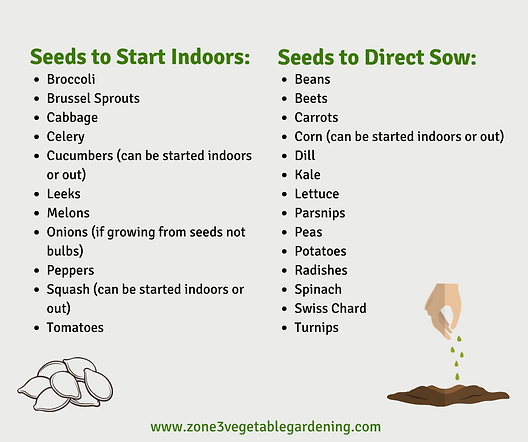
Are you dreaming of a bountiful garden brimming with vibrant vegetables? Starting your seeds indoors could be the secret ingredient to your gardening success.
But timing is everything. Knowing exactly when to start those seeds can be the difference between a thriving harvest and a disappointing one. Do you want to avoid those dreaded empty patches in your garden? Imagine the satisfaction of picking ripe tomatoes or crunchy bell peppers, all because you planted your seeds at the right time.
In this guide, we’ll reveal the perfect timing to start your garden vegetable seeds indoors, ensuring your garden is the envy of the neighborhood. Dive in to discover how to maximize your garden’s potential and get a head start on a fruitful growing season!

Credit: www.youtube.com
Benefits Of Starting Seeds Indoors
Starting garden vegetable seeds indoors offers many benefits. It gives you a head start on the growing season and allows for better control over the environment. This method ensures healthier seedlings, ready to thrive when transplanted outside.
Starting garden vegetable seeds indoors offers many advantages. This approach gives you a jump-start on the growing season. You gain control over the environment, ensuring seeds get the best start. Indoor seed starting opens possibilities for more varieties. It can lead to healthier plants and higher yields.Control Over Environmental Conditions
When starting seeds indoors, you manage temperature and light. This control helps seeds germinate more consistently. Outdoors, weather can be unpredictable. Indoors, you avoid frost or extreme temperatures. This stability benefits young seedlings.Extended Growing Season
Starting seeds indoors allows for an earlier planting schedule. You can begin weeks before the last frost date. This extension provides more time for plants to mature. You can enjoy a longer harvest period with this head start.Stronger Seedlings
Indoors, you can monitor seedlings closely. You can provide optimal watering and nutrients. These conditions produce robust and healthy plants. Strong seedlings adapt better when transplanted outside. They withstand pests and diseases more effectively.Cost-effectiveness
Starting seeds indoors can be more economical. Buying seeds costs less than purchasing mature plants. You can also save seeds from previous harvests. Growing your own seedlings reduces garden expenses significantly.Greater Variety Selection
Garden centers have limited plant varieties. By starting seeds, you access unique and heirloom types. You can grow plants not commonly found in stores. This variety enriches your garden and dining table.Reduced Pest Risks
Indoors, seedlings are safer from garden pests. You protect them from insects and animals. This protection ensures plants grow without damage. Once strong enough, they handle pests better when moved outside.
Credit: www.coloradogardener.com
Choosing The Right Time
Starting seeds indoors depends on the vegetable and climate. Generally, begin six to eight weeks before the last frost. Consider local weather patterns and seed package instructions for optimal growth.
Choosing the right time to start garden vegetable seeds indoors can be tricky. It requires understanding your local environment and the needs of each plant. Timing is crucial for a successful harvest.Factors Influencing Timing
Several elements affect when to start seeds indoors. Each vegetable has its own growing season. Some need a head start indoors. Others can be sown directly in the soil. Consider the seed packets. They often provide guidelines on timing. Pay attention to the last frost date in your area. This date is critical for planning your planting schedule.Climate Considerations
Climate plays a big role in seed starting. Warmer climates allow for earlier planting. Cooler climates require indoor starts to extend the growing season. Research your area’s climate zone. It helps in determining the best time to plant. Knowing your zone ensures your seeds get the best start.Understanding Seed Types
Understanding seed types is vital for successful indoor gardening. Different vegetables have different needs. Knowing when to start seeds indoors can impact your harvest. Timing is key. Let’s explore the types of seeds.
Cool-season Vegetables
Cool-season vegetables thrive in cooler temperatures. These include broccoli, cauliflower, and spinach. Start these seeds indoors in late winter. They can handle frost. Transplant them outside when the soil is workable. Cool-season crops grow best in spring and fall.
- Broccoli: Start 6-8 weeks before last frost.
- Cauliflower: Start 4-6 weeks before last frost.
- Spinach: Start 4-6 weeks before last frost.
Warm-season Vegetables
Warm-season vegetables need more warmth. Tomatoes, peppers, and cucumbers are popular choices. Start these seeds indoors in early spring. They don’t tolerate frost. Wait until the risk of frost passes to transplant. Warm-season crops flourish in summer.
- Tomatoes: Start 6-8 weeks before last frost.
- Peppers: Start 8-10 weeks before last frost.
- Cucumbers: Start 3-4 weeks before last frost.
Calculating Planting Dates
Starting garden vegetable seeds indoors can be a rewarding endeavor. Calculating planting dates is crucial for a successful harvest. Timing affects growth and yield. Understanding your region’s climate helps determine the best dates.
Frost Dates
Frost dates are key in planning. They indicate when temperatures drop enough to harm plants. Knowing the last frost date helps you start seeds indoors early. This allows seedlings to be ready to transplant after frost risk passes.
Use local frost date charts. They provide approximate dates for the last spring frost and first fall frost. These dates vary by location. Check your area’s historical data for accuracy.
Growing Zones
Growing zones define climate conditions across regions. The USDA Plant Hardiness Zone Map is a useful tool. It shows average minimum temperatures for each zone. This helps in deciding when to start seeds indoors.
Each vegetable has optimal growing conditions. Match them with your zone’s characteristics. This ensures plants thrive. Some zones have longer growing seasons. Others require more indoor preparation.
Adjust your planting schedule according to your zone. Early preparation boosts success. Understanding these factors simplifies the process.
Tools For Indoor Seed Starting
Selecting the right time to start vegetable seeds indoors ensures healthy growth. Begin seeds six to eight weeks before the last expected frost. Use seed trays, grow lights, and a heating mat for best results.
Starting garden vegetable seeds indoors can be an exciting venture, setting the stage for a bountiful harvest. With the right tools, you can nurture your seedlings into healthy plants ready for transplanting. Let’s explore some essential tools you’ll need for a successful indoor seed-starting journey.Containers
Selecting the right containers is crucial for indoor seed starting. You can use anything from recycled egg cartons to specialized seed-starting trays. Just ensure they have drainage holes to prevent waterlogging. Consider using biodegradable pots, which can be planted directly into the soil. This minimizes root disturbance and helps your seedlings transition seamlessly. Keep a variety of container sizes handy. As your seedlings grow, they may need more space to develop strong roots.Lighting Needs
Adequate lighting is vital for robust seedling growth. Natural sunlight is ideal, but not always sufficient indoors. Invest in grow lights if your space lacks direct sunlight. Fluorescent or LED lights are energy-efficient choices that provide the necessary spectrum for plant growth. Remember to position the lights close to the seedlings. Typically, 2-4 inches above the plants is effective to prevent them from becoming leggy. Think about the duration of light exposure. Aim for 12-16 hours of light per day for optimal growth. Consider using a timer to maintain consistency without hassle. As you set up your indoor seed-starting space, consider what works best for your lifestyle. What tools can you reuse or repurpose? Tailor your approach to what makes sense for your environment and resources.Preparing Seeds For Germination
Getting a head start on your vegetable garden begins with preparing seeds for germination indoors. This vital step can significantly boost your garden’s success. By understanding how to ready your seeds for germination, you can ensure a thriving vegetable plot come spring. Dive into the specifics of seed treatments and soil requirements to set the stage for a bountiful harvest.
Seed Treatments
Seed treatments can be a game-changer for germination success. Consider soaking seeds in water overnight, which helps soften the seed coat and speeds up germination. This simple trick can lead to quicker sprouting and more robust seedlings.
Another method is stratification, where seeds are exposed to cold conditions. It mimics winter conditions, essential for seeds like spinach. You can place them in the fridge for a few weeks before planting. This process can awaken dormant seeds, ensuring they sprout when planted.
Some seeds benefit from scarification, which involves gently scratching the seed coat. Use sandpaper or a file to lightly abrade the surface. This technique is particularly useful for hard-coated seeds like beans. It encourages water absorption and quicker germination.
Soil Requirements
The soil you choose for germination plays a crucial role. Opt for a seed-starting mix, which is lighter and holds moisture better than regular potting soil. This helps tiny seeds establish without being overwhelmed by dense soil.
Ensure the soil is sterile to prevent diseases. You can sterilize soil by baking it in the oven at low temperatures. This step can protect delicate seedlings from harmful pathogens.
Maintain soil moisture, but avoid waterlogging. Overly wet soil can lead to seed rot. Aim for a damp sponge consistency; it should be moist but not dripping. This balance is key to healthy seedling development.
Are you ready to transform your garden from seed to harvest? Implement these seed preparation techniques and watch your indoor seedlings thrive!
Caring For Seedlings Indoors
Start garden vegetable seeds indoors 6-8 weeks before the last expected frost date. This timing ensures seedlings are strong enough for transplanting outdoors.
Caring for seedlings indoors is crucial for healthy plant growth. Start by understanding their basic needs. Light, water, and the right temperature are essential. Provide these, and your seedlings will thrive.Watering Techniques
Watering seedlings requires gentle care. Use a spray bottle for best results. This prevents soil from washing away. Ensure soil is moist, not soaked. Check daily to maintain the right moisture level.Temperature Control
Temperature affects seedling growth significantly. Keep your room between 65-75°F. Use a thermometer for accuracy. Avoid placing seedlings near cold drafts. Ensure they get enough warmth to grow strong.Transplanting Seedlings Outdoors
Begin planting garden vegetable seeds indoors 6-8 weeks before the last frost date. This timing helps seedlings grow strong enough for outdoor transplanting. A careful start indoors supports healthy plant development and enhances your garden’s productivity.
Transplanting vegetable seedlings outdoors marks a crucial step in gardening. Successfully moving seedlings from indoors to your garden requires care. It ensures strong growth and a bountiful harvest.Hardening Off Process
The hardening off process prepares seedlings for outdoor conditions. Start this process about one to two weeks before transplanting. Gradually introduce plants to outdoor conditions. Begin by placing them outside for a few hours each day. Increase time spent outside daily. Ensure seedlings are shielded from strong winds and intense sunlight. This helps them adapt slowly without shock.Timing For Transplanting
Timing is key for successful transplanting. Wait until the danger of frost has passed. Check your local frost dates for guidance. Soil should be warm enough to support growth. Aim for soil temperatures around 60°F (16°C) or warmer. Choose a cloudy day or transplant in the late afternoon. This minimizes stress on the plants. Ensure the garden soil is moist before transplanting. This supports root establishment.
Credit: www.swansonsnursery.com
Frequently Asked Questions
Why Start Vegetable Seeds Indoors?
Starting seeds indoors helps control temperature and light, giving them a healthy start. It allows gardeners to extend the growing season and protect young plants from pests and harsh weather. Indoor germination ensures stronger seedlings, ready for transplanting when outdoor conditions are optimal.
When To Begin Seed Planting Indoors?
Begin planting seeds indoors 6-8 weeks before the last frost date. This timing varies based on the vegetable type and local climate. Check seed packets for specific instructions. Proper timing ensures seedlings are mature and resilient for outdoor planting, boosting their chances of thriving.
Which Vegetables Are Best For Indoor Seed Starting?
Vegetables like tomatoes, peppers, and eggplants are ideal for indoor seed starting. These plants require longer growing seasons and benefit from early indoor germination. Starting them indoors ensures robust growth and fruitful yields once transplanted outdoors, maximizing garden productivity.
How To Care For Indoor Seedlings?
Ensure seedlings receive adequate light, water, and nutrients. Use grow lights if natural light is insufficient. Keep soil moist, but not overly wet. Fertilize with a diluted solution to promote healthy growth. Regularly monitor for pests and diseases to maintain vibrant seedlings.
Conclusion
Starting garden vegetable seeds indoors is a smart strategy. It gives plants a strong start. Timing is crucial for success. Begin early enough for healthy growth. Check seed packets for recommended dates. Consider your local climate for adjustments. Prepare a warm, well-lit space indoors.
This helps seedlings thrive before outdoor planting. Monitor seedlings regularly. Ensure they have enough water and light. This care leads to a fruitful garden later. Enjoy the process and watch your plants flourish. Happy gardening!