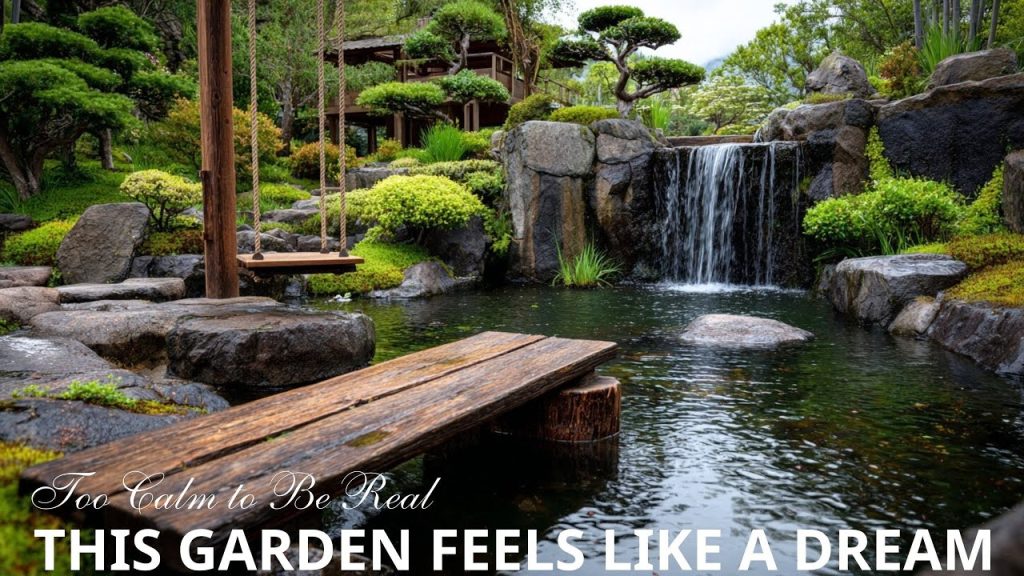
Imagine stepping into your backyard and finding a serene oasis that instantly transports you to the tranquil landscapes of Japan. A Japanese water garden is more than just a collection of plants and water features; it’s an art form that balances nature and design to create a peaceful retreat.
You might think such elegance is beyond reach, but with the right guidance, you can craft your own slice of paradise. You’ll discover simple, actionable steps to design a Japanese water garden, turning your outdoor space into a haven of relaxation and beauty.
Stay with us, and you’ll learn how to bring harmony and tranquility to your garden, captivating your senses and soothing your mind.
Japanese Water Garden Essentials
Designing a Japanese water garden involves incorporating natural elements like rocks, plants, and water features. Achieving harmony and balance is key. Carefully selected plants and stones create a serene environment, while water elements add tranquility.
Japanese water gardens bring peace and harmony to outdoor spaces. Their design draws from nature, blending elements that inspire serenity and reflection. Understanding the essentials of a Japanese water garden is key. These components create a tranquil oasis.Elements Of Tranquility
A Japanese water garden features natural elements. Water is the main feature. It flows gently, producing soothing sounds. Stones and pebbles add texture and form. They represent mountains and islands. Plants like bamboo and moss provide greenery. These plants thrive in moist environments. A bridge may cross the water. It’s a place for contemplation. Lanterns add to the garden’s beauty. They offer soft lighting at night. Each element has a purpose. Together, they create a harmonious environment.Symbolism In Design
Symbolism is vital in Japanese water gardens. Water symbolizes life and renewal. Its continuous flow signifies change. Rocks and stones symbolize strength and stability. Their placement is intentional. Each one tells a story. Plants have symbolic meanings too. Bamboo symbolizes resilience. Its flexibility shows the balance between strength and grace. Moss represents age and tradition. It adds a sense of history to the garden. Every feature has a deeper meaning. It connects the garden to Japanese culture. Understanding these symbols enhances the garden’s experience. It becomes more than a space. It transforms into a living art piece.Choosing The Right Location
Choosing the right spot for a Japanese water garden is crucial. Look for a peaceful area with partial sunlight. Ensure good drainage to maintain a healthy aquatic environment.
Choosing the right location for your Japanese water garden sets the foundation for its beauty and tranquility. The location determines not only the aesthetic appeal but also the garden’s harmony with its surroundings. Careful selection ensures that your water garden becomes a serene escape, a personal retreat that reflects the essence of Japanese garden philosophy.Assessing Space
Begin by evaluating the available space in your yard. A Japanese water garden doesn’t require a vast area, but it needs enough room for each element to breathe and harmonize. Consider the layout and proportions to ensure that all features like rocks, plants, and water bodies fit seamlessly. Think about how you will access the garden. Is there a natural path leading to it, or will you need to create one? Visualize how the garden will look from different angles in your home. This helps in designing a space that pleases both from the inside and outside.Environmental Considerations
Consider the natural light the location receives throughout the day. Japanese gardens thrive with a balance of sunlight and shade, enhancing plant growth and water clarity. Positioning your garden near trees can provide the desired dappled shade. Pay attention to the surrounding environment. Are there any existing features, like a slope or a cluster of trees, that you can integrate into your design? Such elements can enhance the garden’s natural feel and reduce the need for extensive modifications. Ask yourself, will the garden’s proximity to your house impact its tranquility? You want the garden to be a peaceful retreat, so consider noise levels and privacy. These factors contribute significantly to creating a serene atmosphere.Design Principles
Creating a Japanese water garden involves balancing natural elements like rocks, water, and plants. Incorporate serene pathways and bridges to enhance tranquility. Use bamboo and stone to add authentic touches.
Designing a Japanese water garden requires understanding key principles. These principles guide the creation of a serene and visually pleasing space. The focus is on creating a natural and balanced environment. Each element should contribute to the garden’s tranquility and beauty.Balance And Harmony
Balance is essential in a Japanese water garden. Use stones, plants, and water features to achieve harmony. Each element should complement the others. Avoid overcrowding. This maintains a sense of peace and simplicity. Select plants that naturally blend with the surroundings. Use asymmetry for a more organic look. This approach creates a dynamic yet calm space.Natural Flow
Water flow is a vital aspect of a Japanese garden. It should mimic nature’s gentle streams. Position rocks and plants to guide the water. This creates a soothing sound and visual interest. The flow should appear effortless and unobstructed. Ensure there is a balance between stillness and movement. This adds a meditative quality to the garden.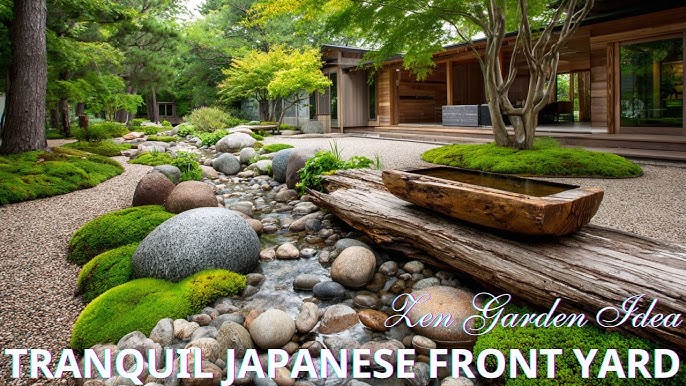
Credit: www.youtube.com
Water Features
Designing a Japanese water garden involves choosing natural stones and bamboo elements. Incorporate koi ponds and small waterfalls for tranquility. Add Japanese lanterns to enhance the serene atmosphere.
Designing a Japanese water garden involves embracing tranquility and harmony. Water features are the heart of these gardens, offering serenity and elegance. They bring life to the space, soothing the senses with their gentle sounds. Each feature serves a distinct purpose, creating a peaceful atmosphere.Ponds And Streams
Ponds are central to Japanese water gardens. They symbolize calmness and reflect the sky. The shape should be natural, avoiding sharp corners. Add koi fish for vibrancy and movement. Streams connect the pond to other areas, guiding the eye through the garden. Use rocks and plants to create a seamless flow.Waterfalls And Cascades
Waterfalls add dynamic beauty to your garden. They can be large or small, each offering a unique sound. Cascades are gentle falls over rocks, mimicking natural mountain streams. Position waterfalls near viewing areas for maximum effect. Use stones to create tiers, enhancing the visual appeal. These features create a balanced and peaceful environment. They invite quiet reflection and relaxation.Plant Selection
Selecting the right plants is key to crafting a serene Japanese water garden. Opt for bamboo, water lilies, and koi-friendly flora to enhance tranquility. Choose native species to ensure easy maintenance and harmony with the surrounding landscape.
Choosing the right plants for your Japanese water garden is crucial to creating a serene and authentic atmosphere. The plants you select will not only enhance the visual appeal but also support the ecosystem within your garden. Let’s dive into two key aspects of plant selection: native plants and seasonal blooms.Native Plants
Selecting native plants is a wise choice for your Japanese water garden. These plants are well-adapted to the local climate and soil conditions, making them easier to maintain. You can enjoy a lush garden without constant fuss. Consider including plants like the Japanese iris or the water lily. These plants thrive in water settings and offer stunning foliage and flowers. They also provide habitat for local wildlife, contributing to a balanced ecosystem. Why not take a walk around your local botanical garden? Observe what thrives naturally, and use this as inspiration for your own garden. Native plants can be both practical and beautiful.Seasonal Blooms
Seasonal blooms add color and variety to your water garden throughout the year. By planning for different seasons, you ensure that your garden remains vibrant and interesting. Cherry blossoms are a classic choice for spring, offering delicate pink and white flowers. In summer, lotus flowers can bring bold colors and exotic appeal to your water features. Consider how each season changes the landscape of your garden. What story do you want your garden to tell as the year progresses? Seasonal blooms can be the storytellers of your garden’s journey. A well-curated selection of plants will transform your Japanese water garden into a tranquil paradise. Engage with the environment around you, and let your garden reflect the beauty of each season.
Credit: www.instagram.com
Incorporating Stones And Bridges
Incorporating stones and bridges adds authenticity to a Japanese water garden design. Stones create natural pathways, while bridges offer a tranquil crossing over water features. Together, they enhance the garden’s aesthetic and balance.
Incorporating stones and bridges in a Japanese water garden can transform a simple landscape into a serene retreat. These elements are not just decorative but serve to create a harmonious balance between nature and architecture. Understanding how to effectively place stones and choose the right bridge style can make your garden a true reflection of Japanese aesthetics.Stone Placement
Choosing the right stones for your garden is crucial. They should mimic natural formations and enhance the overall flow of the garden. Large stones can be used as focal points, while smaller stones can line pathways or water edges. When placing stones, consider their shape and texture. Smooth, rounded stones can suggest calmness, while jagged stones add a dynamic element. Think about how the stones will look throughout different seasons and under various lighting conditions. An experience from my own garden taught me the importance of stone placement. One misplaced stone can disrupt the entire feel of the garden. Moving it slightly transformed the space, showing that small adjustments can have significant impacts.Bridge Styles
Bridges in a Japanese water garden are not just practical but also symbolic. They represent transitions and can guide the viewer’s journey through the garden. Choosing a style that complements your garden’s theme is essential. There are several styles to consider. Arched bridges add a traditional touch and can be made of wood or stone. Flat bridges are more understated and blend seamlessly with the landscape. Zigzag bridges can add an element of surprise and encourage a slower pace. Consider the materials too. Wooden bridges offer warmth and can be stained to match the garden’s palette. Stone bridges provide durability and a sense of permanence. Reflect on how the bridge will age with your garden, and choose a style that will evolve beautifully over time. Have you ever walked across a bridge and felt a shift in perspective? That’s the power of the right bridge style in your garden. It’s not just about crossing water; it’s about creating a moment of pause and reflection.Integrating Traditional Structures
Integrate traditional structures like stone lanterns and bamboo fences to enhance your Japanese water garden. These elements create harmony and balance, providing an authentic feel. Carefully placed stones and natural pathways guide visitors through tranquil spaces.
Integrating traditional structures into a Japanese water garden creates harmony. These structures offer a glimpse into Japan’s rich cultural past. They add depth and authenticity to your garden design. By blending these elements, the garden becomes a serene retreat. It invites reflection and tranquility.Tea Houses
Tea houses are central to Japanese gardens. They symbolize peace and mindfulness. Typically, they are simple yet elegant. The design focuses on natural materials like wood and stone. A tea house provides a space for quiet contemplation. It enhances the garden’s spiritual ambiance. Placing a tea house near water amplifies its calming effect.Pagodas
Pagodas bring a timeless beauty to gardens. These tiered structures are iconic in Japanese landscape design. They represent balance and harmony. The height of a pagoda draws the eye upwards. It encourages a deeper appreciation of the surroundings. Pagodas are often placed near water features. This placement adds a dynamic visual element. Their presence creates a serene and majestic atmosphere.Lighting And Atmosphere
Lighting and Atmosphere Soft, ambient lighting creates a serene atmosphere in a Japanese water garden. Position lanterns strategically to highlight tranquil water features. Subtle illumination enhances the garden’s beauty, inviting relaxation and reflection.
Designing a Japanese water garden is not just about selecting the right plants and arranging stones in a harmonious pattern. Lighting and atmosphere play a crucial role in enhancing the garden’s tranquil beauty. The right lighting can transform your garden into a serene oasis, inviting peace and contemplation. But how do you achieve the perfect balance of light and shadow?Natural Lighting
Maximize the use of natural light to highlight the garden’s beauty throughout the day. Consider the orientation of your garden—does it face the sunrise or sunset? Morning light is soft and calming, while evening light casts warm, golden tones. Observe the play of light and shadow. Notice how the sunlight filters through the leaves, creating patterns on the water’s surface. This dynamic can add a sense of movement and life to your garden. Think about the changing seasons. How will the light interact with your garden in winter compared to summer? Adjust your plant selection and placement to enhance these natural variations.Ambient Enhancements
Incorporate subtle lighting features to enhance the atmosphere during twilight and evening hours. Use low-voltage LED lights to illuminate pathways and highlight key features like stone lanterns or water cascades. Consider underwater lighting for ponds or streams. This can create a magical effect, making the water glow softly in the dark. Add lanterns or candles for a traditional touch. These can be placed strategically to guide visitors and add warmth to the garden ambiance. Remember, the key is subtlety. The lighting should enhance, not overpower, the natural beauty of your Japanese water garden. How will your lighting choices invite peace and reflection into your space?Maintaining Serenity
Designing a Japanese water garden brings tranquility to your space. Incorporate elements like koi ponds and bamboo fountains. Use stones, plants, and water features to create harmony and peace.
Creating a Japanese water garden is more than just arranging stones and plants; it’s about crafting a space that embodies peace and tranquility. Maintaining serenity in such a garden requires consistent effort and attention. This peaceful oasis can quickly become chaotic without regular care and mindful adjustments. How do you ensure your water garden remains a serene sanctuary throughout the year?Regular Care
Regular care is essential to keep your water garden pristine. Imagine waking up to the gentle sound of water, only to be disturbed by floating debris. A simple daily routine of skimming leaves and debris can prevent this. Check the water levels frequently. Evaporation can reduce water levels, affecting your garden’s aesthetics and health. Add water as needed to maintain an ideal level. Plants in your water garden need attention too. Trim overgrown plants to keep them healthy and maintain the garden’s balance. This not only promotes growth but also keeps your garden looking tidy.Seasonal Adjustments
Each season brings unique challenges and opportunities for your water garden. In spring, focus on cleaning and preparing the garden for new growth. This is the time to fertilize plants to encourage vibrant blooms. Summer might require more frequent water checks due to increased evaporation. Consider adding shade plants or structures to help keep the water cool. Autumn is when leaves start to fall. Install a net over your pond to catch leaves and prevent them from decomposing in the water. Winter requires a different approach. Protect your pond from freezing by using a de-icer. This ensures the water environment remains healthy even in cold weather. By adapting your care routine to the seasons, you preserve your garden’s serenity all year round. Each adjustment, although small, contributes significantly to maintaining a peaceful and inviting water garden. How do you plan to tackle these seasonal challenges in your own garden?
Credit: www.instagram.com
Frequently Asked Questions
What Is A Japanese Water Garden?
A Japanese water garden is a serene landscape featuring water elements like ponds or streams. It often includes rocks, plants, and fish. Designed to reflect natural beauty, these gardens emphasize tranquility and harmony, creating a peaceful environment for relaxation and meditation.
How Do I Start Designing One?
Begin by selecting a suitable location and size for the garden. Consider the water source, space available, and sunlight exposure. Plan the layout, including water features, pathways, and plant placement. Utilize native plants and materials to ensure authenticity and sustainability, maintaining a balance between elements.
Which Plants Are Best For A Japanese Water Garden?
Choose plants that thrive in moist environments, such as irises, lotuses, and water lilies. Incorporate bamboo and moss for authenticity. Opt for evergreen shrubs like azaleas and Japanese maples to provide year-round interest. Ensure plants complement the garden’s serene aesthetic and require minimal maintenance.
How Can I Maintain The Garden’s Tranquility?
Regularly clean and maintain the water features to prevent algae and debris build-up. Prune plants to ensure they don’t overcrowd the space. Use natural pest control methods to keep the garden eco-friendly. Preserve the balance of elements for a peaceful and harmonious atmosphere.
Conclusion
Creating a Japanese water garden brings peace and beauty to your space. It requires thoughtful design and careful plant choices. Keep things simple and balanced. Use stones, water features, and greenery for harmony. Remember to maintain the garden regularly. Prune plants and clean the water.
This ensures a serene environment. A Japanese garden is more than decoration. It’s a place to relax and reflect. Enjoy the tranquility it offers. Your garden can be a sanctuary. Let it inspire calm and happiness. Designing it well rewards you with lasting peace.