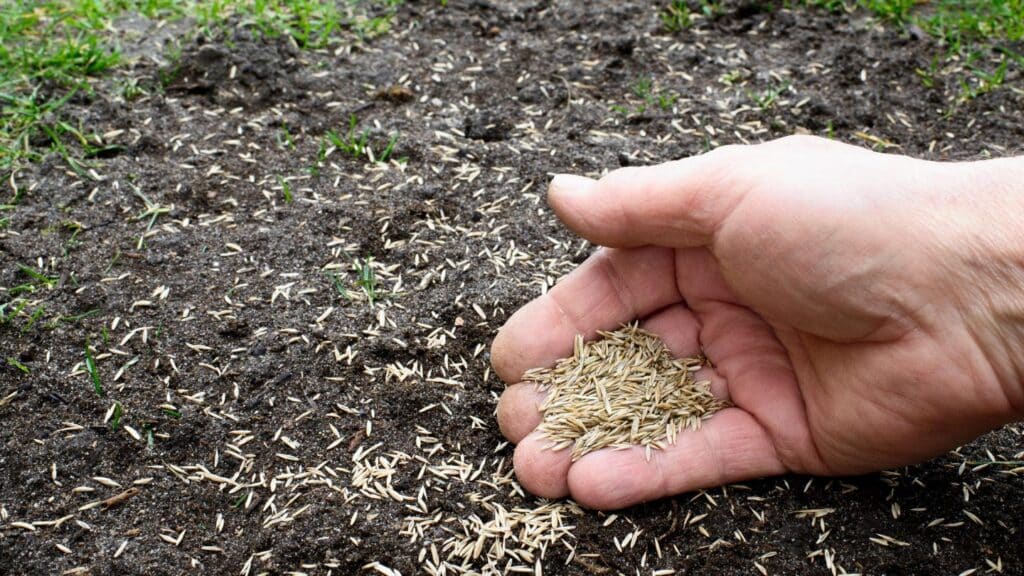
Are you planning to transform your barren yard into a lush, green paradise? Before you grab that bag of grass seed, you might be wondering if garden soil will do the trick.
After all, it’s right there in your backyard, ready for use. But is it the right choice for growing grass? The answer may surprise you, and it could save you time, money, and effort. Dive into this article to discover whether garden soil is your secret weapon or a hidden obstacle in achieving the lawn of your dreams.
Your perfect lawn might be just a few insights away, and missing out could leave you with more weeds than grass. Curious to find out more? Keep reading to unlock the secrets of successful grass planting.

Credit: www.angi.com
Garden Soil Vs. Lawn Soil
When deciding between garden soil and lawn soil for planting grass seed, understanding their differences is vital. Each type of soil has unique properties that affect grass growth. Choosing the right soil can lead to a lush and healthy lawn.
Composition Differences
Garden soil is rich in nutrients and organic matter. It often contains compost, bark, or manure. Lawn soil is designed specifically for growing grass. It has a balanced mix of sand, silt, and clay. This blend helps with drainage and root support.
Garden soil can be dense and heavy. This might restrict water movement and air circulation. Lawn soil is lighter, allowing better drainage. Proper drainage is crucial for grass roots to develop well.
Impact On Grass Growth
The choice of soil directly affects grass health. Garden soil may retain too much water. Excess moisture can lead to root rot in grass. Lawn soil supports strong root systems. It provides the right nutrients for grass growth.
Grass planted in garden soil might struggle. The dense texture can hinder root expansion. Lawn soil encourages roots to spread. This leads to a thicker and more resilient lawn.
Using lawn soil can improve grass seed germination. The balanced composition ensures seeds have the right environment to sprout. Garden soil might not offer the same support. Its properties might slow down the germination process.
Preparing Garden Soil For Grass
Garden soil can be used to plant grass seed, but it may need amendments. Quality garden soil must be rich in nutrients and well-draining. Checking soil composition ensures your grass seed thrives.
Preparing your garden soil for planting grass can make a significant difference in achieving that lush, green lawn you desire. While garden soil can be used for planting grass seed, it often requires a bit of preparation to ensure optimal growth. This involves understanding your soil’s quality and making necessary amendments to support healthy grass development. Let’s dive into some practical steps to get your soil ready.Testing Soil Quality
Before planting, it’s crucial to assess the current state of your garden soil. A simple soil test can reveal vital information about pH levels, nutrient content, and any deficiencies. You can purchase a soil testing kit from a garden center or send samples to a local extension service. Knowing your soil’s condition helps you determine the right type of grass seed and any amendments needed. Consider your past gardening experiences. Did you notice any areas where plants struggled to grow? Identifying these trouble spots can guide you in making specific improvements.Amending Soil For Better Results
Once you have your soil test results, it’s time to make any necessary amendments. If your soil is too acidic or alkaline, adjust the pH with lime or sulfur. Adding organic matter like compost can improve soil texture and fertility. This not only provides nutrients but also enhances water retention and drainage. Have you ever wondered how some gardens thrive while others don’t? The secret often lies in the soil. Ensuring your garden soil is nutrient-rich and well-structured can be the difference between sparse patches and a vibrant green lawn. Remember, the goal is to create a welcoming environment for your grass seeds to grow strong and healthy. Each amendment brings you one step closer to that picture-perfect lawn.Planting Grass Seed In Garden Soil
Garden soil can support grass seed growth if it drains well and contains enough nutrients. It’s important to prepare the soil by removing debris and loosening the top layer. Mixing in organic matter can improve soil quality and enhance seed germination.
Planting grass seed in garden soil offers a convenient way to enhance your lawn. Garden soil is readily available and can support grass growth. However, it’s important to understand the best practices to ensure healthy grass development.Optimal Planting Techniques
Prepare the soil by removing weeds and debris. This clears the ground for the seeds. Loosen the soil to about 2 inches deep. Use a rake or tiller for this. It helps the seeds to settle in well. Scatter the grass seeds evenly across the area. Overlapping seeds can lead to uneven growth. Cover the seeds lightly with soil. A thin layer is enough to protect them. Press the soil gently using a roller or your feet.Watering And Maintenance Tips
Water the area immediately after planting. This helps the seeds to begin germination. Keep the soil moist, not drenched. Water lightly once or twice a day. Reduce watering as the grass grows. Established grass needs less frequent watering. Mow the grass when it reaches about 3 inches tall. This encourages thicker growth. Fertilize the lawn to provide essential nutrients. Use a balanced lawn fertilizer for best results.
Credit: www.grassseedonline.co.uk
Common Challenges
Using garden soil for planting grass seed can pose issues. Soil quality may vary, affecting seed germination. Additionally, garden soil often lacks essential nutrients needed for healthy grass growth, resulting in patchy lawns.
Planting grass seed using garden soil can seem like a straightforward task, but it often presents a unique set of challenges. These challenges can impact the success of your new lawn and require careful consideration and management. If you’ve ever attempted to grow grass and faced issues, you’re not alone. Let’s dive into some common challenges and explore solutions that could save you time and effort.Weed Control
One of the biggest hurdles in using garden soil for grass seed is dealing with weeds. Garden soil often contains weed seeds, which can compete with grass for nutrients, water, and light. This competition can hinder the growth of your grass seedlings. To tackle this, consider using a pre-emergent herbicide to prevent weed seeds from germinating. Another option is to manually remove weeds before planting your grass seed. Regular monitoring and early intervention can make a significant difference.Pest Management
Pests can be another challenge when planting grass seed in garden soil. Insects and critters are often attracted to the organic matter in garden soil, posing a threat to young grass seedlings. Using natural pest repellents or introducing beneficial insects can help keep harmful pests at bay. Additionally, maintaining a healthy lawn environment by ensuring proper drainage and avoiding excessive moisture can deter pests from settling in. By addressing these challenges head-on, you can create a thriving lawn from garden soil. Have you encountered other challenges while planting grass seed? Share your experiences and solutions in the comments below!Alternative Solutions
Using garden soil for grass seed might not always be ideal. Garden soil can lack nutrients or be too dense. These issues can hinder grass growth. Consider alternative solutions for better results. These options can improve your lawn’s health and appearance.
Using Topsoil Or Lawn Soil
Topsoil and lawn soil provide a balanced environment. They offer better drainage and nutrients. These soils are often lighter and less compact. This allows grass roots to grow freely. You can purchase them at garden centers. Choose a type that suits your specific grass variety.
Benefits Of Commercial Grass Seed Mixes
Commercial grass seed mixes are tailored for success. They often include a blend of seeds. This ensures a lush and even lawn. These mixes can resist diseases and pests better. They also adapt well to various climates. Investing in a quality mix can simplify your lawn care routine.
Expert Recommendations
Consider garden soil for planting grass seed, but check its quality first. It might need added nutrients or amendments. Proper soil preparation ensures healthy grass growth.
Garden soil can seem like a convenient choice for planting grass seed. Yet, experts suggest careful consideration of its suitability. Garden soil varies in texture and nutrient content, which impacts grass seed growth. Understanding expert recommendations can guide you in achieving a lush, green lawn.Professional Insights
Experts recommend assessing garden soil quality before planting. Soil composition affects water retention and drainage. Grass needs balanced moisture levels for optimal growth. Testing the soil can reveal its pH and nutrient levels. Adjustments might be necessary to ensure compatibility with grass seed needs. Healthy grass thrives in soil with balanced nutrients. Experts often suggest mixing garden soil with topsoil or compost. This enhances its texture and nutrient profile. Proper soil preparation can prevent issues like compacted soil, which hinders root development.Success Stories
Many gardeners successfully use garden soil for grass seeds. They often share insights on improving soil conditions. Adding organic matter like compost can transform average garden soil into fertile ground. This practice boosts microbial activity, aiding grass growth. Some gardeners find success by aerating the soil first. Aeration improves air circulation, essential for healthy roots. Combined with nutrient-rich amendments, garden soil can support robust grass. These stories highlight the importance of adapting soil to meet specific grass requirements. In summary, garden soil can be used to plant grass seed. Success depends on understanding soil conditions and making necessary adjustments. Following expert recommendations increases the likelihood of achieving a thriving, green lawn.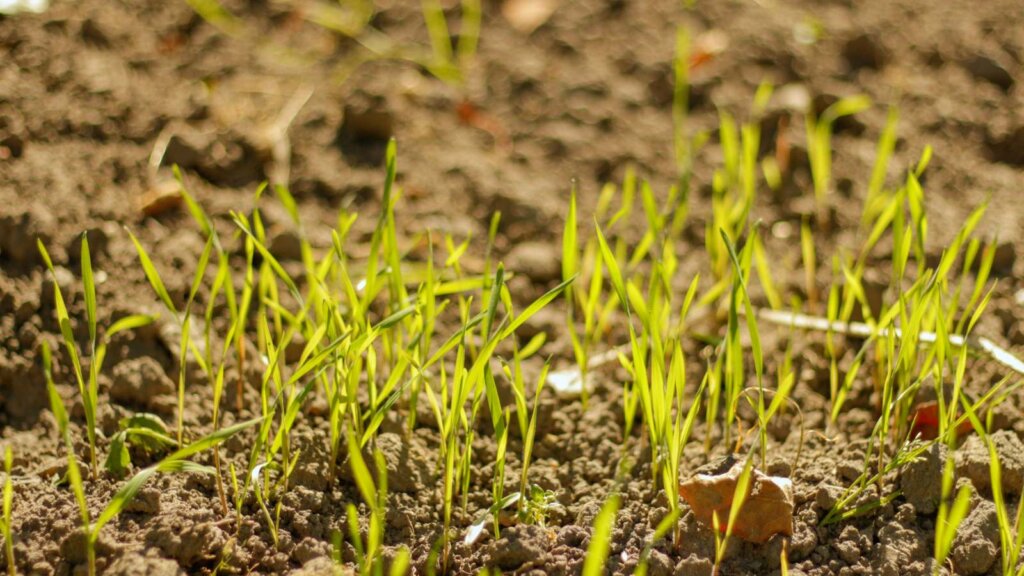
Credit: www.terra-lawn-care.com
Frequently Asked Questions
Can Garden Soil Be Used For Grass Seeds?
Garden soil can be used for planting grass seeds, but it’s not ideal. It may lack nutrients for optimal growth. Consider mixing garden soil with compost or a soil conditioner for better results. Preparing the soil with proper aeration and drainage enhances germination and grass health.
What Type Of Soil Is Best For Grass?
Loamy soil is best for planting grass seeds. It offers good drainage, aeration, and nutrient retention. Loamy soil balances sand, silt, and clay, promoting healthy grass growth. Mixing it with organic matter further improves soil quality for grass seeds.
Does Garden Soil Affect Grass Growth?
Garden soil can affect grass growth, especially if compacted or nutrient-poor. It may hinder root development and water drainage. Improving garden soil with organic matter or fertilizers can enhance its structure and nutrient profile, promoting healthy grass growth.
Can Garden Soil Compact Over Time?
Yes, garden soil can compact over time, affecting grass growth. Compaction reduces aeration and drainage, hindering root development. Regularly aerating the soil and adding organic matter can prevent compaction. Loose soil is crucial for healthy grass growth and nutrient absorption.
Conclusion
Choosing the right soil is vital for healthy grass growth. Garden soil can work, but it’s not ideal for grass seeds. It might compact too much and hinder root development. Consider using a mix with sand or compost. This enhances drainage and nutrients.
Remember, healthy soil leads to vibrant grass. Test your soil first. Adjust as needed for the best results. Proper care ensures a lush, green lawn. Happy planting!







