Imagine stepping into your backyard and plucking fresh herbs and vegetables from your very own garden. Sounds dreamy, right?
But what if you lack the space for a traditional garden? That’s where a vertical vegetable garden comes into play. It’s the perfect solution for those of you who crave fresh produce but are short on space. A vertical garden not only saves space but also adds a touch of green to your home, making it a visual delight.
Are you ready to transform your small space into a lush, productive oasis? Keep reading, and you’ll discover the simple steps to design your very own vertical vegetable garden, turning even the tiniest of spaces into your personal green haven.
Benefits Of Vertical Vegetable Gardens
Designing a vertical vegetable garden maximizes space and enhances aesthetic appeal. It allows for easy access and maintenance, promoting healthy plant growth and efficient use of water. This setup is perfect for urban dwellers with limited outdoor space.
Designing a vertical vegetable garden brings many benefits. It’s a smart way to grow food in limited spaces. This method maximizes your garden area, making it efficient and productive. Vertical gardens also enhance the beauty of your home or balcony.1. Space Efficiency
Vertical gardens make the most of small spaces. You can grow more plants in less area. This is perfect for urban homes with little room. It allows city dwellers to enjoy homegrown vegetables.2. Improved Air Quality
Plants in vertical gardens purify the air. They absorb toxins and release oxygen. This improves the air around your home. Healthier air means a better living environment.3. Easier Maintenance
Vertical gardens are simpler to maintain. They reduce the need for bending and crouching. This makes gardening easier on your back and knees. Watering and harvesting are also more convenient.4. Pest Control
Elevated plants face fewer pests and diseases. Ground-dwelling insects find it harder to reach them. This means less need for pesticides. Healthier plants produce better vegetables.5. Aesthetic Appeal
Vertical gardens add beauty to any space. They create lush, green walls. These gardens can be a striking feature in your home. They bring nature closer, even in urban settings.6. Versatility
You can grow many types of vegetables vertically. From herbs to tomatoes, the options are vast. This versatility allows for a diverse and nutritious diet. Enjoy fresh produce right at your doorstep.Choosing The Right Location
Choosing the right location is key for a vertical vegetable garden. Ensure it gets ample sunlight and is easily accessible for watering and maintenance. This enhances plant growth and simplifies care.
Choosing the right location for your vertical vegetable garden is crucial for ensuring healthy plant growth and maximizing yield. The perfect spot can turn your gardening efforts into a bountiful success, while a poor choice may lead to stunted growth and disappointment. Let’s dive into some key considerations to help you make the best decision.Sunlight Requirements
Your vegetables need sunlight to thrive. Most vegetables require at least 6-8 hours of direct sunlight each day. Consider tracking the sunlight in different areas of your garden throughout the day. Is there a spot that bathes in morning sun but avoids the harsh afternoon rays? That could be ideal for delicate greens. If you’re growing sun-loving plants like tomatoes or peppers, choose a location with maximum exposure to ensure they flourish.Space Considerations
Vertical gardens are perfect for maximizing space, but you still need to plan wisely. Measure the available space and ensure there’s enough room for your structure and for plants to grow upwards. Think about the height of your garden too. Will you be able to reach the top easily for watering and harvesting? Balconies, patios, or even a sunny wall in your backyard can all serve as potential locations.Access To Water
Water is a lifeline for your plants, so ensure your garden is located near a water source. If you have to lug watering cans a long distance, it may become a tedious chore. Consider how you’ll water your garden. Would a drip irrigation system be feasible and convenient? Easy access to water can make your gardening experience more enjoyable and less of a hassle. Taking these factors into account will help you choose the perfect spot for your vertical vegetable garden. Where will you place yours?Selecting Suitable Vegetables
Creating a vertical vegetable garden is a fantastic way to maximize space and grow your own food. However, the success of your garden hinges on selecting the right vegetables. Picking suitable vegetables for vertical planting can make all the difference. Imagine having fresh veggies at your fingertips—it’s closer to reality than you think! But how do you choose the best plants for your vertical oasis?
Best Vegetables For Vertical Gardens
Not all vegetables are created equal when it comes to vertical gardening. Some thrive in limited space, producing bountiful harvests. Consider climbing plants like peas and beans; their natural inclination to climb makes them perfect candidates. Leafy greens, such as lettuce and spinach, grow well in compact spaces, offering a steady supply of fresh leaves.
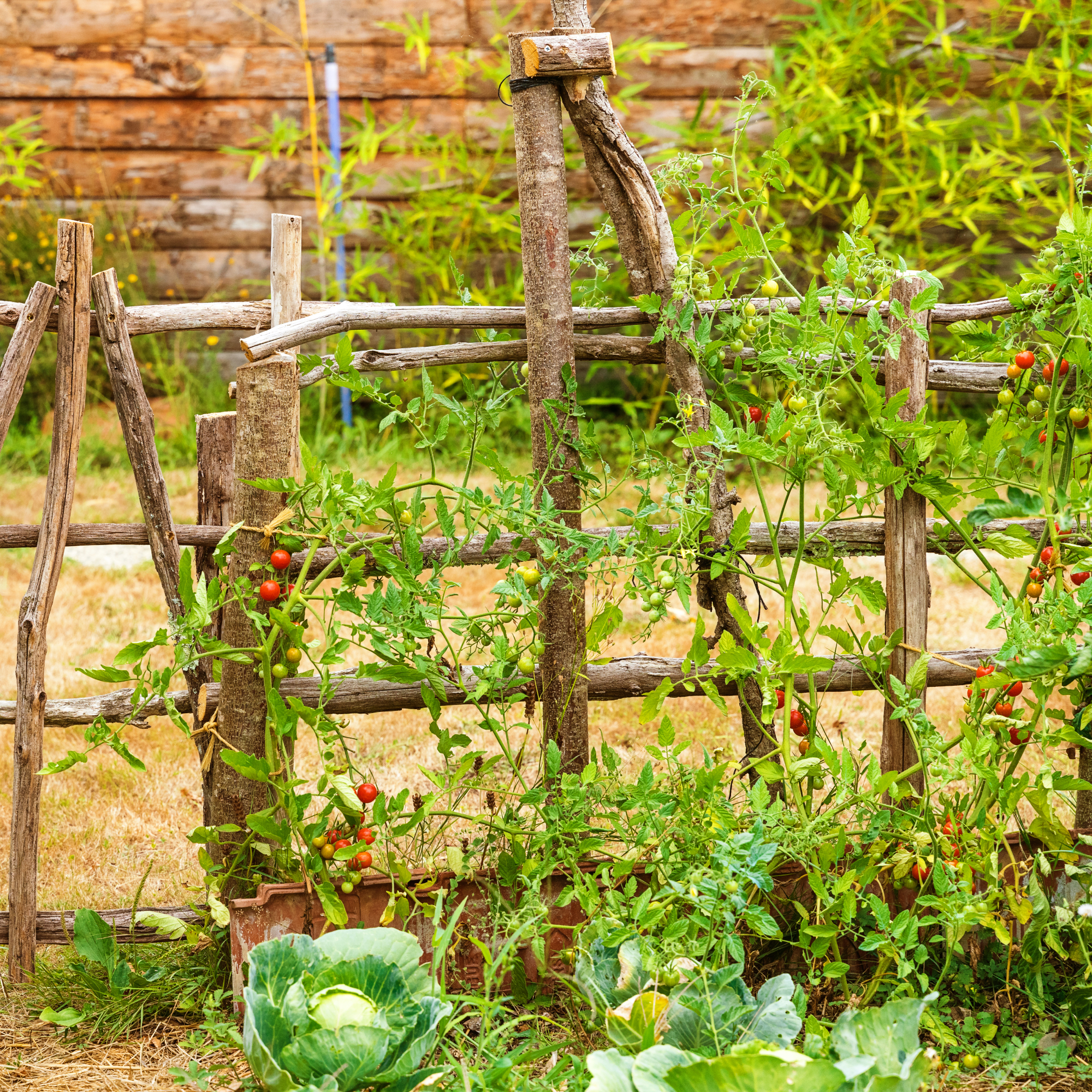
Tomatoes and cucumbers are also excellent choices. They love the vertical structure, reaching upward for sunlight. Hanging baskets can be ideal for strawberries, allowing them to cascade down gracefully, while herbs like basil and mint can be tucked into small pockets. What vegetables do you dream of plucking from your vertical garden?
Companion Planting Tips
Companion planting can enhance your vertical garden’s productivity and health. Pairing plants that benefit each other creates a harmonious ecosystem. For instance, grow tomatoes alongside basil; not only do they complement each other in dishes, but basil can repel pests that target tomatoes.
Consider planting marigolds near your vegetables. These vibrant flowers deter nematodes and attract beneficial insects. Beans and corn can be grown together too; beans fix nitrogen in the soil, benefiting the corn. Have you explored the symbiotic relationships in your garden yet?
Credit: www.gardeningknowhow.com
Designing Your Vertical Garden Structure
Design a vertical vegetable garden by choosing sturdy materials for support. Consider sunlight and water access for healthy growth. Arrange plants by height to maximize space and ensure easy maintenance.
Designing Your Vertical Garden Structure Creating a vertical vegetable garden is an exciting project. It allows you to grow more food in less space. Designing the structure is a crucial step. This section will guide you through choosing the best structure for your garden.Types Of Vertical Garden Structures
Vertical gardens come in various forms. Towers, trellises, and wall-mounted panels are popular choices. Towers use stackable pots or containers. They are great for saving space. Trellises support climbing plants like beans or cucumbers. Wall-mounted panels are ideal for herbs and small vegetables. Choose a structure that fits your plants’ needs and available space.Diy Vs. Commercial Options
DIY structures can be cost-effective. Use materials like pallets or PVC pipes. They offer flexibility in design. Commercial options are also available. These include ready-made kits and systems. They are easy to install and use. Consider your budget and skill level. DIY requires creativity and effort. Commercial options save time but might be pricier.Space Optimization Techniques
Maximize your garden space with smart techniques. Use vertical space by stacking pots or hanging baskets. Grow plants that thrive in small areas. Choose dwarf varieties or compact cultivars. Use tiered shelving for increased planting space. Arrange plants based on their light and water needs. This ensures healthy growth and efficient use of space.Soil And Planting Medium
Choose the right soil and planting medium for a successful vertical vegetable garden. Opt for lightweight, nutrient-rich soil mixtures to ensure proper drainage and healthy plant growth.
Designing a vertical vegetable garden brings the joy of gardening into small spaces, making it an ideal solution for urban dwellers. One of the critical components to ensure the success of your vertical garden is the soil and planting medium. The right choice of soil and understanding the nutrient needs of your plants can make all the difference between a thriving garden and a disappointing one. Let’s delve into these essential aspects to ensure your vertical garden flourishes.Choosing The Right Soil
Selecting the right soil is crucial for the health and growth of your plants. Unlike traditional gardens, vertical gardens often have limited soil volume, so it’s important to choose a lightweight, well-draining mix. Potting soil is often recommended because it is lighter than garden soil and is specifically designed to retain moisture while providing good aeration. Have you considered mixing your own soil? A combination of peat moss, vermiculite, and compost can provide a balanced medium for most vegetables. This mix ensures your plants get the drainage they need, preventing root rot which is common in vertical setups.Understanding Nutrient Needs
Plants in vertical gardens have specific nutrient needs due to the limited soil and space. This requires more frequent monitoring and supplementation compared to traditional gardens. Fertilizers play a key role here, and using a balanced, slow-release fertilizer can help maintain nutrient levels without overwhelming the plants. Consider the specific needs of the vegetables you plan to grow. Leafy greens, for instance, often require more nitrogen, while fruiting plants like tomatoes might need more phosphorus. Are you ready to meet these diverse nutrient demands? Regularly testing your soil for nutrient levels can help you make informed decisions. Simple soil test kits are available and can guide you in adjusting your fertilization routine to better suit your garden’s needs. Remember, maintaining a healthy balance is key to a productive vertical garden.Irrigation Systems
Designing a vertical vegetable garden involves careful planning of irrigation systems to ensure plants thrive. Efficient water distribution can be achieved through drip irrigation, which conserves water and evenly nourishes each plant. Adapt the system to your garden’s layout for optimal growth and sustainability.
Designing a vertical vegetable garden is an exciting way to maximize your growing space, but it’s essential to have a reliable irrigation system in place. Proper watering ensures your plants thrive, and with a vertical setup, it’s even more crucial to reach every corner efficiently. Whether you’re a beginner or a seasoned gardener, understanding the best irrigation methods can make all the difference.Efficient Watering Methods
Efficient watering methods are key to a successful vertical garden. You want to ensure each plant receives the right amount of water without wasting resources. Consider using watering cans for smaller setups, but for larger gardens, automated systems save time and ensure consistency. A timer-controlled system can be a game-changer. Set it to water your plants during the cooler parts of the day. This minimizes evaporation and maximizes absorption, keeping your plants hydrated and healthy.Drip Irrigation Setup
Drip irrigation is a popular choice for vertical gardens due to its precision and water efficiency. It delivers water directly to the plant roots through a network of tubes and emitters, minimizing wastage. This setup is ideal for ensuring each plant gets the necessary hydration without overwatering. Setting up a drip irrigation system might sound complex, but it’s quite straightforward. Start by measuring the length and height of your garden to determine the tubing needed. Then, connect the tubing to a water source and attach emitters near the base of each plant. As you install the system, check for leaks and adjust the flow rate to suit your plants’ needs. Regular maintenance is crucial, so inspect emitters periodically to prevent clogs. A well-maintained drip system can significantly enhance the productivity and sustainability of your vertical garden. What challenges have you faced with watering your vertical garden? Share your experiences and let’s learn together.Maintenance And Care
Regular watering and sunlight are vital for a thriving vertical vegetable garden. Ensure soil remains moist but not soaked. Periodic checks for pests and diseases keep plants healthy and productive.
Maintaining a vertical vegetable garden requires consistent attention. Proper care ensures healthy growth and abundant produce. Regular tasks include pruning, pest control, and timely harvesting. These activities keep your garden thriving. Let’s explore these essential aspects in detail.Pruning And Harvesting
Pruning involves cutting back overgrown branches. This encourages new growth and improves air circulation. Remove dead or damaged leaves often. This prevents diseases and keeps plants healthy. Harvest vegetables when they are ripe. This encourages more production and keeps plants productive. Use clean tools to avoid spreading infections.Pest Control Strategies
Pests can harm your vertical garden. Use natural remedies to deter them. Introduce beneficial insects like ladybugs. They eat harmful pests. Consider using organic sprays. They are safe for plants and the environment. Regularly inspect leaves for signs of infestation. Early detection helps prevent major damage. Keep your garden tidy and free from debris. This reduces hiding spots for pests.
Credit: www.trustbasket.com
Creative Design Ideas
Transform small spaces with vertical vegetable gardens. Utilize walls or fences to grow fresh produce vertically. Maximize sunlight and space with clever design, ensuring easy access for watering and harvesting.
Designing a vertical vegetable garden doesn’t just involve stacking plants; it’s an art form that can transform your space into a lush, green paradise. Creative design ideas not only enhance the look of your garden but also boost its functionality. Whether you’re a beginner or an expert gardener, innovative approaches can turn your gardening project into a stunning feature of your home.Incorporating Aesthetic Elements
Think of your vertical vegetable garden as a living canvas. Use colorful pots or recycled materials like wooden pallets and old ladders to create a rustic charm. Adding fairy lights or small decorative pieces can bring a whimsical touch, making your garden a delightful place to relax. Consider the color palette of your plants. Mix bright greens with purples and reds to create visual interest. Why not include flowering plants along with your vegetables? They attract pollinators and add beauty.Maximizing Space And Functionality
Space is precious in a vertical garden. Use tiered planters or hanging baskets to make the most of vertical space. This not only looks appealing but allows you to grow more varieties in a limited area. Think about accessibility. Arrange your plants so you can easily water them and reach for harvest. Would you prefer your herbs at eye level for easy picking during cooking? Small adjustments can make daily gardening tasks more enjoyable and less strenuous. Every inch matters. Use pockets or shelves to grow herbs and compact vegetables like lettuce and radishes. This way, even a small balcony can become a productive garden.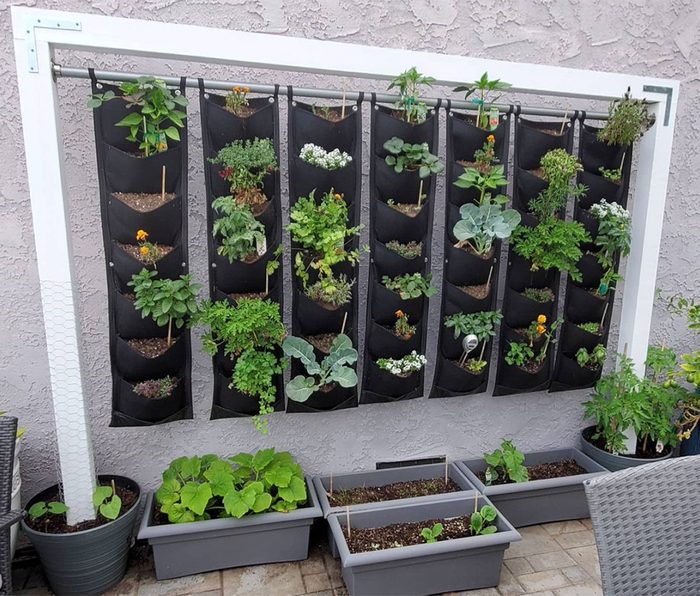
Credit: www.familyhandyman.com
Frequently Asked Questions
What Materials Are Best For Vertical Gardens?
Vertical gardens thrive with lightweight materials like plastic, fabric, or metal. These materials ensure durability and ease of installation. They provide essential support without adding unnecessary weight. Opt for UV-resistant options to prevent sun damage. Proper drainage is crucial, so choose materials that facilitate water flow and prevent root rot.
How Much Sunlight Do Vertical Gardens Need?
Vertical gardens require at least 6 hours of sunlight daily. Morning sun is optimal for growth. Some plants may need partial shade. Assess your garden’s orientation to maximize sunlight exposure. Consider adjustable structures to adapt to seasonal changes. Use plant varieties suited to your sunlight conditions.
Can Vertical Gardens Grow All Vegetable Types?
Most vegetables can grow vertically, but some need more space. Leafy greens, herbs, and small root vegetables excel in vertical gardens. Plants like tomatoes and cucumbers require sturdy support. Choose compact varieties for optimal growth. Ensure proper spacing for air circulation and nutrient access.
How Often Should I Water Vertical Gardens?
Water vertical gardens regularly, depending on plant needs and weather conditions. Typically, water them every two to three days. Check soil moisture before watering. Overwatering can lead to root rot, so adjust based on rainfall. Use drip irrigation systems for efficient watering and moisture control.
Conclusion
Creating a vertical vegetable garden offers many benefits. It saves space and adds beauty. Growing your own veggies is satisfying. It can be done on a balcony or in a small backyard. Choose containers wisely for healthy plants. Regular watering is essential.
Monitor sunlight for best growth. Start small and expand as you learn. Enjoy fresh produce at home. Share gardening tips with friends. Experiment with different plants. Discover the joy of gardening. A vertical garden is a fun project. Get started today and watch your garden thrive.