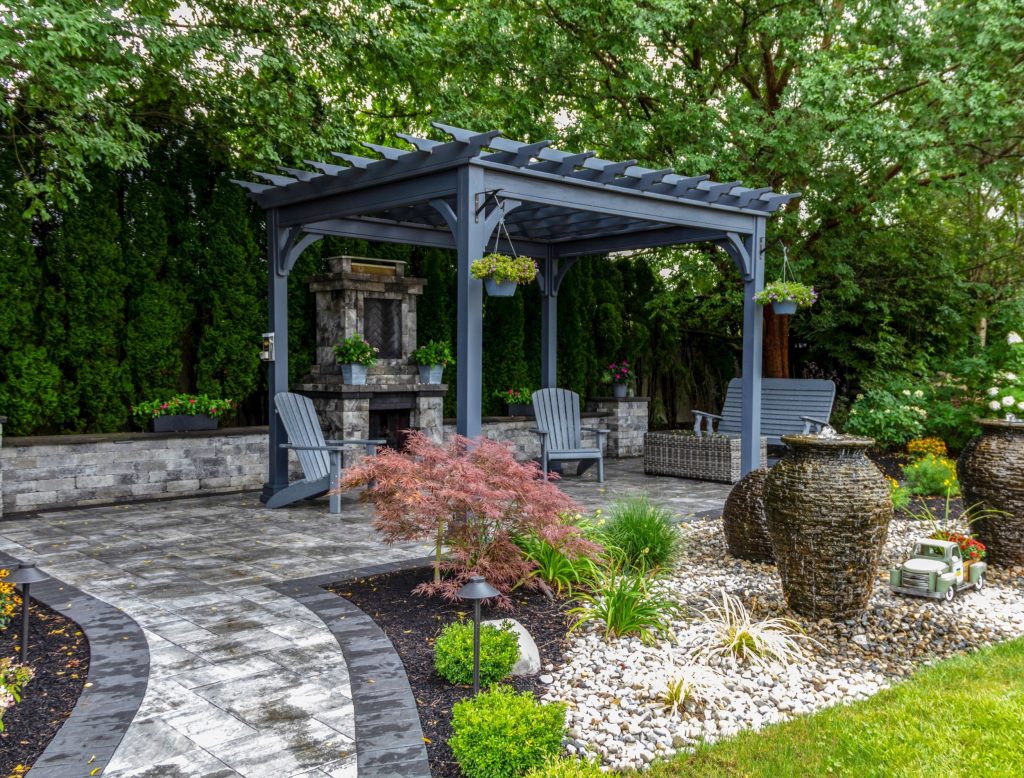
Imagine stepping into your garden, feeling a sense of peace as you take in the beauty of your surroundings. Your garden can be more than just a patch of land; it can be your personal haven, a place where you unwind and reconnect with nature.
But how do you choose the perfect design that aligns with your vision and lifestyle? This decision doesn’t just shape your outdoor space—it transforms how you experience it. Whether you dream of a tranquil retreat or a vibrant gathering spot, choosing the right garden design is crucial.
You’ll discover the secrets to selecting a garden design that not only meets your practical needs but also resonates with your personal style. Let’s explore how you can turn your garden into a dream space that truly reflects who you are.
Assess Your Space
Assessing the space sets the foundation for choosing the perfect garden design. Observe sunlight patterns and soil quality. Factor in the size and shape to align with your vision.
Assess Your Space Choosing the perfect garden design begins with a thorough understanding of your space. Each garden is unique, and knowing the specific characteristics of your area will guide you in making informed decisions. By assessing your space, you can create a beautiful and functional garden that thrives.Evaluate Size And Shape
Start by measuring the dimensions of your garden. Whether it’s a small balcony or a sprawling backyard, knowing the exact size helps in planning plant placement and design features. Consider the shape of your space; is it a rectangle, square, or an irregular shape? Different shapes offer unique opportunities and challenges. A narrow garden might benefit from vertical planting or tiered arrangements. Use graph paper or a garden design app to sketch your ideas and visualize the layout.Consider Soil And Sunlight
Soil quality is crucial for plant health. Test your soil to determine its type—sandy, clay, or loamy—and adjust it with compost or other amendments as needed. Healthy soil supports robust plant growth and helps prevent issues. Sunlight is another key factor. Observe how sunlight moves across your garden throughout the day. Identify areas that receive full sun, partial shade, or full shade. This knowledge will help you choose plants that will flourish in your specific light conditions. Think about your past experiences with gardening. Did you notice certain plants thriving or struggling? Use these insights to make more informed choices this time around. Have you considered how these elements could influence your garden’s design? Understanding your space is the first step in crafting a garden that not only looks great but also thrives throughout the seasons.Define Your Style
Define Your Style Choosing the perfect garden design involves understanding your personal style and preferences. Consider the size and purpose of your garden space. Think about the types of plants and features that appeal to you.
Defining your style is the first step in garden design. Your garden should reflect your personality. It should also complement your home. Choosing a garden style can be overwhelming. Let’s explore some popular styles to help you decide.Traditional Vs. Modern
Traditional gardens often feature classic elements. Think symmetrical patterns and formal layouts. They usually include evergreen hedges and stone pathways. These gardens evoke a sense of timeless beauty. Modern gardens focus on clean lines and simplicity. They often incorporate geometric shapes and minimalistic designs. Materials like concrete and steel are common in modern gardens. They offer a sleek and contemporary look.Cottage Vs. Formal
Cottage gardens are charming and inviting. They are filled with colorful flowers and winding paths. This style is perfect for those who love a natural, whimsical feel. Informal layouts and diverse plantings are key. Formal gardens emphasize order and precision. They feature manicured lawns and neatly trimmed hedges. Symmetry and structure are essential in formal garden designs. These gardens exude elegance and sophistication.Set Your Budget
Set Your Budget Decide how much you want to spend on your garden. This helps in choosing designs that fit your pocket. Consider costs for plants, materials, and maintenance to avoid surprises.
Setting your budget is a crucial step in choosing the perfect garden design. It’s easy to get carried away dreaming about lush landscapes and exotic plants, but without a clear financial plan, your dream garden could turn into a financial nightmare. Before diving into the design process, it’s essential to understand what you can realistically afford. Consider not only the initial costs but also the long-term expenses that will keep your garden thriving.Cost Of Materials
The cost of materials can vary greatly depending on the type of garden design you choose. Are you looking at natural stone pathways, wooden decks, or perhaps a simple flower bed? Each choice comes with its own price tag, and materials can range from budget-friendly options to high-end selections. Make a list of the materials you need and compare prices from different suppliers. Keep an eye out for sales or discounts which can significantly reduce costs.Long-term Maintenance Expenses
Consider the ongoing costs associated with your garden design. Some plants may require frequent watering, special fertilizers, or pest control. Will you need professional help to maintain your garden, or can you handle it on your own? Hiring a gardener can be a regular expense. Think about the lifespan of the materials used. Wooden structures may need treatment or replacement over time, whereas stone might last longer with minimal upkeep. Reflect on your lifestyle and schedule. Do you have the time to maintain a high-maintenance garden, or would a low-maintenance design be more realistic?Plan Functional Areas
Creating a garden that feels right involves more than just selecting plants. It’s about designing functional areas that enhance your outdoor experience. Whether you have a small yard or a sprawling landscape, planning functional areas ensures your garden is both beautiful and practical. Let’s explore how you can create distinct spaces that serve different purposes.
Seating And Dining Spots
Seating and dining areas offer a place to relax and enjoy meals. Choose a spot with a pleasant view or under a shady tree. A patio or deck can serve as the base for furniture. Consider weather-resistant materials for longevity. Add cushions for comfort. Lighting can extend the use of this area into the evening.
Paths And Walkways
Paths and walkways guide visitors through your garden. They connect different functional areas seamlessly. Use materials like gravel, stone, or wood for natural appeal. Ensure paths are wide enough for easy passage. Curved paths add interest and a sense of discovery. Properly planned paths prevent soil compaction in planted areas.
Choose Plant Types
Selecting plants involves considering climate, soil type, and sunlight. Choose native plants for easy maintenance. Mix colors and sizes for visual appeal.
Choosing the right plant types is a crucial step in designing the perfect garden. Your choice will influence not only the aesthetics but also the maintenance and sustainability of your garden. Understanding the differences between perennials and annuals, as well as native and exotic species, can help you make informed decisions.Perennials Vs. Annuals
When selecting plants, consider whether you prefer the long-term commitment of perennials or the flexibility of annuals. Perennials return year after year, saving you the effort of replanting. They often require less maintenance once established and can be more cost-effective over time. Annuals, on the other hand, complete their life cycle in one growing season. They allow you to experiment with different colors and styles each year. If you love variety and enjoy changing things up, annuals might be your best bet.Native Vs. Exotic Species
Native species are adapted to the local climate and soil, making them easier to grow and maintain. They support local wildlife, including pollinators like bees and butterflies. Choosing native plants can create a more eco-friendly garden that thrives with minimal intervention. Exotic species offer unique and striking appearances that can make your garden stand out. However, they may require more attention and specific conditions to flourish. Are you ready to invest the time in nurturing these beauties, or would you prefer a garden that harmonizes naturally with the environment? Balancing these choices can lead to a garden that not only looks stunning but also aligns with your lifestyle and values. What plant types will you choose to transform your garden into a personal paradise?
Credit: deeterlandscape.com
Incorporate Hardscape Elements
Designing your garden can be a delightful journey. Hardscape elements are crucial in setting the foundation for your perfect garden design. They provide structure and define spaces, making your garden not only beautiful but also functional. Let’s explore how patios, decks, fences, and walls can transform your garden into a haven.
Patios And Decks
Patios and decks offer a versatile platform for outdoor activities. Whether you enjoy hosting barbecues or sipping morning coffee, these spaces become the heart of your garden.
Consider the material. Concrete patios are durable, while wooden decks add warmth. Think about your climate and maintenance preferences.
Size matters. A small, cozy deck feels intimate, whereas a spacious patio can accommodate larger gatherings. Visualize your ideal gatherings to decide.
Fences And Walls
Fences and walls are more than just boundaries. They contribute to privacy and add a decorative touch. Choose materials that harmonize with your garden’s theme.
Wooden fences blend well with natural surroundings, while stone walls convey elegance. Reflect on your garden’s aesthetic to make the best choice.
Height plays a role. Taller fences offer more privacy, but shorter ones can create an open feel. What level of privacy suits you best?
By carefully selecting hardscape elements like patios, decks, fences, and walls, you can craft a garden that reflects your personality and lifestyle. What will your garden say about you?
Focus On Sustainability
When crafting your dream garden, sustainability should be at the forefront of your design choices. A sustainable garden not only benefits the environment but also creates a harmonious space that requires minimal resources to maintain. As you embark on this journey, consider how your choices can contribute positively to the ecosystem.
Water Conservation Techniques
Water is a precious resource, and conserving it in your garden is crucial. Have you considered installing a rainwater harvesting system? This simple addition can help you collect and reuse rainwater, reducing your dependency on municipal supplies.
Another effective technique is drip irrigation. Unlike traditional sprinkler systems, drip irrigation delivers water directly to the plant roots, minimizing waste and ensuring that your plants get the moisture they need.
Think about grouping plants with similar water needs. This approach reduces the chances of overwatering and under-watering, allowing you to manage water more efficiently.
Eco-friendly Materials
Choosing eco-friendly materials for your garden design is another step toward sustainability. Consider using reclaimed wood for raised beds or garden furniture. Not only does this reduce waste, but it also adds a rustic charm to your outdoor space.
Have you explored permeable paving options? These materials allow rainwater to seep into the ground, reducing runoff and helping to recharge groundwater supplies.
Opt for organic mulches like straw or bark. These mulches not only enrich the soil but also help to retain moisture, cutting down on the need for frequent watering.

Credit: www.greenscapes-landscapes.com
Add Personal Touches
Personalize your garden design by adding unique elements. Consider including favorite plants, colors, or decorative items. Tailor the space to reflect your personality and lifestyle.
Adding personal touches to your garden design transforms it from a mere outdoor space into a living expression of your personality. Your garden should feel like an extension of your home, filled with elements that resonate with you. This is where you can let your creativity shine, making your garden truly unique.Decorative Features
Incorporating decorative features can significantly enhance the aesthetics of your garden. Think about adding sculptures, birdbaths, or garden gnomes. These elements can serve as focal points, drawing attention and adding interest. Consider the use of water features like fountains or small ponds. Not only do they provide a soothing sound, but they also attract wildlife, adding life to your garden. Use different materials such as stone, wood, or metal to create contrast and texture. A beautifully carved wooden bench or a wrought-iron trellis can serve both functional and decorative purposes.Unique Garden Accessories
Unique garden accessories offer an opportunity to showcase your personal style. Wind chimes, for instance, can add a melodic touch to your garden, creating an auditory experience for you and your guests. Colorful pots and planters allow you to add bursts of color and can be easily rearranged to refresh your garden’s look. Choose designs that complement your garden’s theme, whether it’s rustic, modern, or eclectic. Think about adding personalized signs or plaques. These can include your family name, a favorite quote, or simply a warm welcome to visitors. This small detail can make your garden feel more inviting and personal. By thoughtfully selecting decorative features and unique accessories, you can create a garden space that not only looks beautiful but also feels like home. What personal touches will you add to make your garden truly yours?Consult With Professionals
Choosing the perfect garden design involves consulting with professionals who understand various styles and local climate conditions. Their expertise ensures a harmonious balance between aesthetics and functionality, tailored to your unique preferences and needs.
Consulting with professionals can make garden design easier. Their expertise helps avoid costly mistakes. They offer valuable insights and creative ideas.Landscape Architects
Landscape architects specialize in designing outdoor spaces. They understand plant compatibility and layout planning. Their designs consider both aesthetics and functionality. They create sustainable environments that enhance your garden. Hiring a landscape architect can transform your outdoor space.Local Nurseries
Local nurseries are rich sources of gardening knowledge. They offer advice on plant selection and care. Staff can recommend plants suited to your climate. Nurseries often have landscape design services available. Visiting a nursery helps visualize your garden possibilities.
Credit: creativegardensanddriveways.co.uk
Frequently Asked Questions
What Are Key Elements Of Garden Design?
Key elements include layout, plant selection, hardscaping, and lighting. Consider the garden’s purpose and your personal style. Balance aesthetics with functionality. Integrate pathways for easy access and movement. Ensure plant diversity for seasonal interest. Incorporate sustainable practices to support the environment.
Choose materials and features that complement your home’s architecture.
How Do I Choose Plants For My Garden?
Select plants based on climate, soil type, and sunlight exposure. Consider their growth habits and maintenance needs. Choose native plants for easier care and ecological benefits. Mix perennials and annuals for year-round color. Factor in the garden’s theme and your personal preferences.
Prioritize disease-resistant varieties for healthier gardens.
What Is The Importance Of Garden Lighting?
Garden lighting enhances aesthetics and functionality. It highlights focal points and ensures safety at night. Use solar lights for energy efficiency. Consider different lighting types like spotlights, path lights, and ambient lighting. Proper lighting can extend garden usability into evening hours.
Choose fixtures that complement the garden’s design.
How Can I Create A Sustainable Garden Design?
Incorporate native plants to reduce water usage and maintenance. Utilize organic mulches to improve soil health. Implement rainwater harvesting and efficient irrigation systems. Compost to reduce waste and enrich soil. Opt for eco-friendly materials and reduce chemical use. Encourage wildlife with habitat features.
Prioritize energy-efficient solutions.
Conclusion
Choosing the perfect garden design is simple with the right steps. Start by assessing your space and personal style. Consider sunlight, soil, and climate. Think about the plants you love and their care needs. Visualize the layout and pathways for easy access.
Plan for seating and relaxation areas. Incorporate colors and textures that please your eye. Don’t forget about maintenance and budget. With thoughtful planning, your garden will be a delightful retreat. Enjoy the process and watch your dream garden bloom. Happy gardening!







