Imagine stepping into your apartment and being greeted by a lush, vibrant indoor garden. The thought of having your own little green paradise right inside your living space is not only exciting but also entirely possible.
You might be wondering, “What do I need to make an indoor apartment garden? ” The answer is simpler than you think, and the rewards are truly fulfilling. Creating an indoor garden is not just about adding beauty to your home; it’s a way to bring nature’s calm and freshness into your daily life.
Studies have shown that being around plants can boost your mood, reduce stress, and even improve air quality. But you don’t need a green thumb or a lot of space to start. With the right tools and a little guidance, you can transform any corner of your apartment into a thriving garden. In this blog post, we’ll explore the essentials you need to get started. From choosing the right plants to understanding light and water requirements, we’ll cover everything. So, if you’re ready to turn your living space into a green oasis, keep reading. Your indoor garden awaits!
Choosing The Right Plants
Creating an indoor apartment garden requires selecting plants that thrive in low light and small spaces. Consider easy-care options like succulents, ferns, or peace lilies that adapt well indoors. Remember to assess your space, and choose plants that complement your environment for a flourishing indoor garden.
Choosing the Right Plants Creating an indoor apartment garden is an exciting venture, but the success of your green space largely depends on choosing the right plants. The plants you select should thrive in your specific environment and accommodate your lifestyle. Whether your apartment receives little natural light or you have limited space, there’s a perfect plant waiting to flourish in your home. Let’s explore some ideal plant choices.Low-light Tolerant Varieties
Not all apartments are blessed with abundant sunlight. But don’t let this discourage you from cultivating a lush indoor garden. Many plants are well-suited to low-light conditions and can even thrive in dim corners. Consider the snake plant, which is hardy and adapts to minimal light. Its unique vertical leaves add architectural interest to any room. Peace lilies are another excellent choice. They not only tolerate low light but also purify the air, enhancing your living space with their elegant white blooms.Space-saving Options
Limited space can be a challenge, but it doesn’t mean you can’t create a thriving garden. The key is to select plants that grow vertically or can be hung, maximizing your available area. Vertical gardens using wall-mounted planters or shelves can transform your blank walls into vibrant, living art pieces. Herbs such as basil or mint thrive in these setups, providing fresh ingredients for your culinary adventures. Hanging plants like pothos or ivy make efficient use of overhead space. Their trailing vines bring a touch of nature to any room, creating a cozy and inviting atmosphere. Ask yourself: What kind of plants would best suit your lifestyle and living space? Whether you have a sun-drenched apartment or a cozy nook, there’s a plant for you. Dive into your indoor gardening journey by choosing the right plants, and watch your apartment transform into a verdant sanctuary.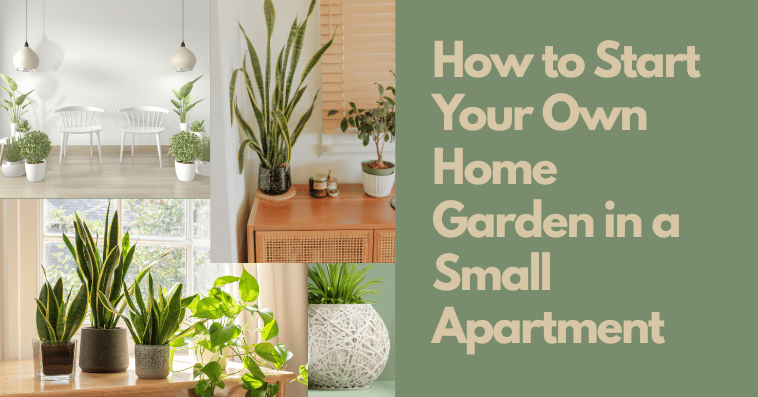
Credit: www.paudhewale.com
Containers And Pots
Creating an indoor apartment garden requires thoughtful selection of containers and pots. These vessels are the foundation of your garden. They hold the soil and plants, providing a home for growth. Choosing the right containers can impact plant health and aesthetics.
Material Selection
Different materials offer unique benefits. Consider ceramic pots for their durability and style. They are heavier, providing stability for larger plants. Plastic pots are lightweight and budget-friendly. They are easy to move and come in various colors. Metal containers add a modern touch but can heat up, affecting plant roots. Terracotta pots breathe well, allowing better airflow to the soil.
Size Considerations
Size affects plant growth and space management. Small pots suit herbs and succulents. They fit well on windowsills and shelves. Medium-sized containers are ideal for leafy greens and flowers. They offer more room for roots to spread. Large pots accommodate bigger plants like tomatoes or citrus trees. Ensure pots have drainage holes to prevent waterlogging.
Soil And Fertilizers
Creating an indoor apartment garden requires careful attention to soil and fertilizers. These are crucial for nurturing healthy plants. Choosing the right potting mix and fertilizers can make or break your garden’s success.
Potting Mix Essentials
A quality potting mix is vital for indoor gardening. It provides the necessary nutrients and support for plant growth. Look for a mix that offers good drainage and retains moisture. Ingredients like peat moss, vermiculite, and perlite are common in potting mixes. These components help maintain a balance of air and water in the soil. Avoid garden soil; it’s too dense for pots.
Consider adding coconut coir to your mix. It improves water retention and aeration. Some mixes come pre-fertilized, offering a good start for your plants. Always read labels to understand the composition of your chosen mix.
Organic Fertilizers
Organic fertilizers are a gentle choice for indoor plants. They release nutrients slowly, ensuring long-term nourishment. Options include compost, fish emulsion, and bone meal. Compost enriches the soil with microorganisms and nutrients. Fish emulsion boosts nitrogen levels, promoting leafy growth. Bone meal provides phosphorus, aiding root development.
Regularly feeding your plants with organic fertilizers keeps them vibrant. Mix them according to package instructions to avoid over-fertilization. Over-fertilizing can damage plants and lead to salt buildup. Dilute liquid fertilizers in water for easy absorption.

Credit: www.ikea.com
Lighting Solutions
Creating an indoor apartment garden requires proper lighting solutions to ensure plant growth. Consider using LED grow lights, which mimic sunlight and are energy-efficient. Position lights strategically to cover all plants evenly for the best results.
Creating an indoor apartment garden is an exciting journey that can transform your living space into a lush oasis. One of the most crucial elements for success is getting the lighting right. Proper lighting ensures your plants thrive, even in the heart of an apartment. Let’s explore some effective lighting solutions that can make all the difference for your indoor garden.Natural Light Sources
Maximize the use of natural light by positioning your plants near windows that receive ample sunlight. South-facing windows usually provide the most consistent light throughout the day. Consider the seasons and how the sun’s path changes. You might need to adjust your plants’ positions during different times of the year. Reflective surfaces like mirrors or light-colored walls can help bounce natural light around the room, enhancing the overall light available to your plants.Artificial Lighting Options
If natural light is limited, artificial lighting can be a game-changer for your indoor garden. LED grow lights are energy-efficient and emit the spectrum of light that plants need for photosynthesis. Fluorescent lights are another good option, especially for herbs and leafy greens. They’re affordable and readily available. Think about the placement and duration of artificial lights. Most plants require 12-16 hours of light a day, so using a timer can help maintain a consistent schedule. By carefully choosing and combining natural and artificial lighting solutions, you can create an ideal environment for your indoor garden, ensuring it flourishes all year round. So, what lighting setup will you try for your apartment garden?Watering Techniques
Creating an indoor apartment garden brings a slice of nature inside your home. Watering techniques play a crucial role in maintaining healthy plants. Understanding different methods ensures your garden thrives and stays lush.
Self-watering Systems
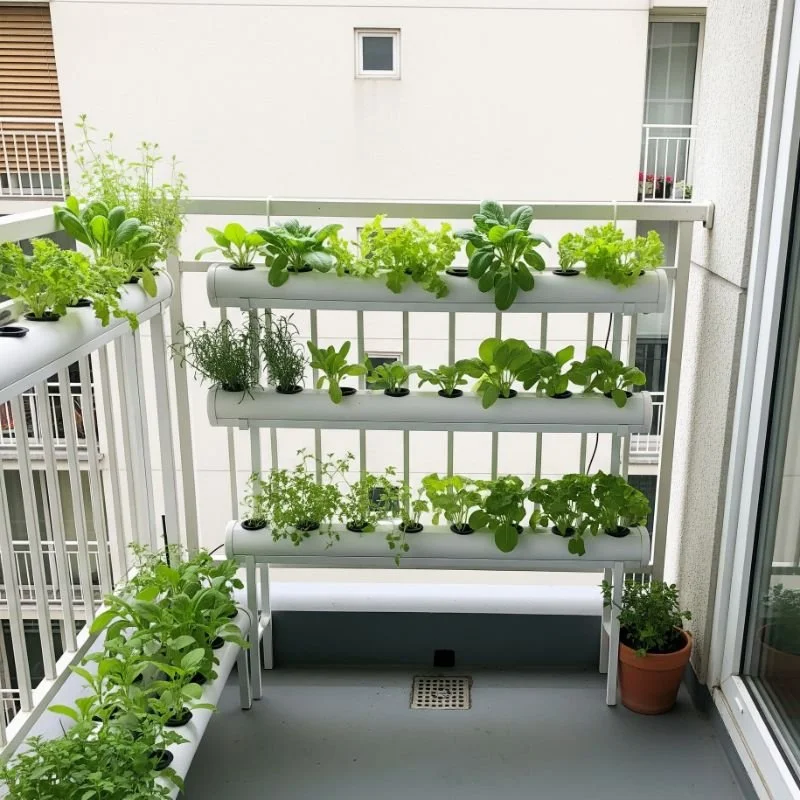
Self-watering systems are perfect for busy schedules. They use reservoirs that supply water directly to plant roots. This method reduces the risk of overwatering. It maintains consistent soil moisture levels. Choose pots with built-in reservoirs or separate systems. They work well for small and large plants alike.
Install a wick system for easy setup. Wicks draw water from a container below into the soil. Consider capillary mats that absorb and distribute water efficiently. These systems ensure plants receive steady hydration without daily attention.
Manual Watering Tips
Manual watering requires close attention. Check soil moisture by inserting your finger into the soil. If it feels dry, it’s time to water. Use a watering can with a long spout. This helps reach deep into pots without disturbing plants.
Water early in the morning or late afternoon. This prevents rapid evaporation. Ensure water reaches the roots and drains properly. Avoid letting water collect on leaves, which can lead to disease. Use room-temperature water to avoid shocking plants.
Establish a regular watering schedule. Adjust it based on season and plant type. Keep plants grouped with similar needs to streamline watering. This ensures each plant receives the correct amount of water.
Credit: www.gardeneros.com
Tools And Equipment
Creating an indoor apartment garden requires basic tools like pots, soil, and a watering can. Essential equipment includes grow lights for plants needing extra light, and a small trowel for planting.
Creating an indoor apartment garden is both rewarding and fun. To make it thrive, having the right tools and equipment is crucial. Whether you’re a beginner or an advanced gardener, equipping yourself properly can make all the difference.Basic Gardening Tools
Start with essential tools that are easy to use. A small hand trowel is perfect for planting and digging soil. It’s lightweight and fits well in small spaces. Pruning shears help trim plants and promote healthy growth. They’re great for cutting back overgrown leaves or branches. A watering can with a long spout is ideal for reaching plants in tight corners. It allows controlled watering without making a mess. Choose one with a capacity that matches your garden size. Consider having a spray bottle for misting. Many indoor plants enjoy a humid environment. This tool is key for maintaining plant health. A soil scoop can be handy for transferring soil from bag to pot. It helps prevent spills and keeps your apartment tidy. Lastly, a pair of gardening gloves protects your hands from dirt and cuts. It’s a simple yet effective way to keep your hands clean.Advanced Equipment
For those looking to enhance their indoor gardening experience, advanced equipment is worth considering. Grow lights are essential for apartments lacking natural sunlight. They provide plants with the light they need to thrive. Choose LED options for energy efficiency and long lifespan. Hydroponic systems are excellent for growing plants without soil. They use nutrient-rich water and maximize space. Perfect for apartments with limited room. Humidity trays help maintain moisture levels around plants. They create a microclimate that some tropical plants love. Consider investing in a timer for watering systems. This ensures plants receive water consistently, even when you’re busy. A pH meter is useful for checking soil acidity levels. It helps you understand what adjustments your plants might need. Finally, plant stands or shelves can optimize vertical space. They allow you to create a layered garden, making the most of your apartment’s layout.Pest Control Strategies
Creating an indoor apartment garden requires careful pest control strategies. Use natural repellents like neem oil or soap sprays to keep pests away. Regularly check plants for signs of infestation and maintain proper airflow to prevent mold and mildew.
Creating an indoor apartment garden is exciting. But, it comes with challenges. One major challenge is keeping pests at bay. Without proper pest control, your plants may suffer. Effective strategies ensure your garden thrives. Explore natural and chemical options for a pest-free garden.Natural Pest Deterrents
Natural solutions are eco-friendly and safe. They protect your plants without harming the environment. – Neem Oil: A popular choice. Mix with water and spray on leaves. It disrupts insect life cycles. – Garlic Spray: Crush garlic cloves, mix with water, and spray. Its strong odor repels insects. – Diatomaceous Earth: A powder made from fossilized algae. Sprinkle on soil to deter crawling insects. – Soap and Water Solution: Mix mild soap with water. Spray on plants to suffocate soft-bodied insects.Chemical Solutions
Chemical solutions are effective against stubborn pests. Use them carefully to avoid harming your plants. – Insecticidal Soap: Targets soft-bodied insects. Spray on affected areas for quick relief. – Pyrethrin Spray: Derived from chrysanthemum flowers. Effective against a variety of pests. – Systemic Insecticides: Absorbed by plants. Protects against insects from the inside out. – Sticky Traps: Place near plants. They capture flying insects like aphids and whiteflies. Choose the right method for your garden. Keep your plants healthy and vibrant.Decorative Elements
Indoor apartment gardens need decorative elements like colorful pots, hanging planters, and stylish shelves. Brightly colored pots add vibrancy. Hanging planters save space and create visual interest.
Decorative elements can transform your indoor apartment garden from a simple collection of plants into a vibrant oasis. Adding artistic touches not only enhances the visual appeal but also reflects your personal style. With a few creative ideas, you can make your garden a delightful focal point of your home.Creative Arrangements
Experimenting with creative plant arrangements can elevate the aesthetic of your indoor garden. Consider mixing plants of different heights and textures to create a layered look. Grouping plants in odd numbers often looks more natural and visually pleasing. Think about vertical arrangements if you’re short on space. Hanging planters or wall-mounted shelves can add dimension and depth to your garden area. You could even use a ladder shelf to display trailing plants, giving a cascading effect that draws the eye.Aesthetic Accessories
Accessories are the finishing touches that bring your garden to life. Choose pots and planters that complement your home’s interior design. Whether it’s sleek and modern or rustic and earthy, the right planter can enhance your plant’s beauty. Adding decorative stones or pebbles on top of the soil can give your garden a polished look. You might also consider incorporating small garden statues or solar lights for a whimsical touch. Personalize your garden with items that have sentimental value. Perhaps a small handmade sign or a vintage trinket can make the space uniquely yours. What small changes can you make today to create a space that feels more like home?Frequently Asked Questions
How Do I Start An Indoor Apartment Garden?
Starting an indoor apartment garden is simple. Choose pots or containers that fit your space. Select plants that thrive indoors, like herbs or succulents. Ensure proper lighting, either natural or artificial, is available. Regularly water and fertilize your plants to keep them healthy.
What Plants Are Best For Indoor Gardens?
Some of the best plants for indoor gardens include herbs like basil and mint, succulents, and ferns. These plants require minimal maintenance and adapt well to indoor conditions. They can also add beauty and freshness to your apartment, making them ideal choices for indoor gardening.
How Can I Optimize Lighting For My Plants?
To optimize lighting, place your plants near windows with ample sunlight. If natural light is limited, consider using LED grow lights. These lights mimic sunlight and can help your plants thrive indoors. Adjust the position and timing of lights based on your plant’s needs.
What Tools Do I Need For Indoor Gardening?
Essential tools for indoor gardening include pots, soil, watering can, and fertilizer. You may also need pruning shears and gloves for maintenance. These tools will help you plant, nurture, and maintain your indoor garden effectively, ensuring healthy and thriving plants.
Conclusion
Creating an indoor apartment garden is simpler than you think. Start small, with easy-to-grow plants. Select pots that fit your space and style. Choose soil that suits your plants’ needs. Ensure your garden has enough light. Water your plants regularly but don’t overdo it.
Keep an eye on pests and treat them promptly. Enjoy the beauty and calm your garden brings. It’s a rewarding hobby that enhances your living space. Anyone can nurture a green corner indoors. Give it a try and watch your garden flourish.
Happy gardening!