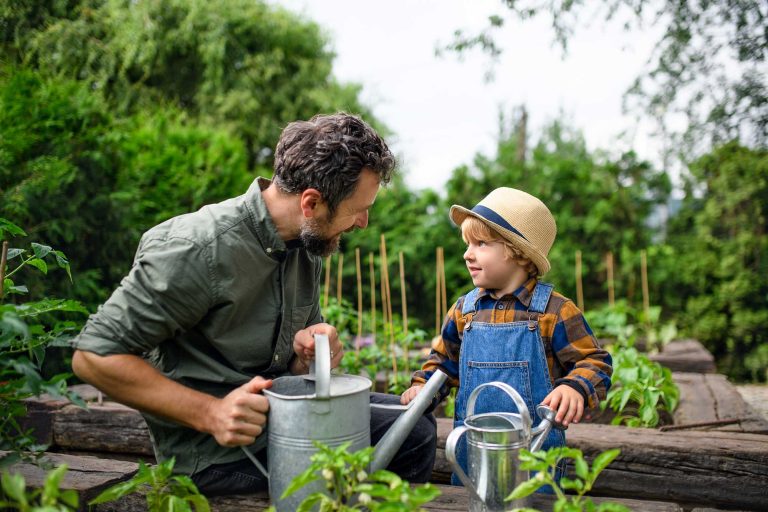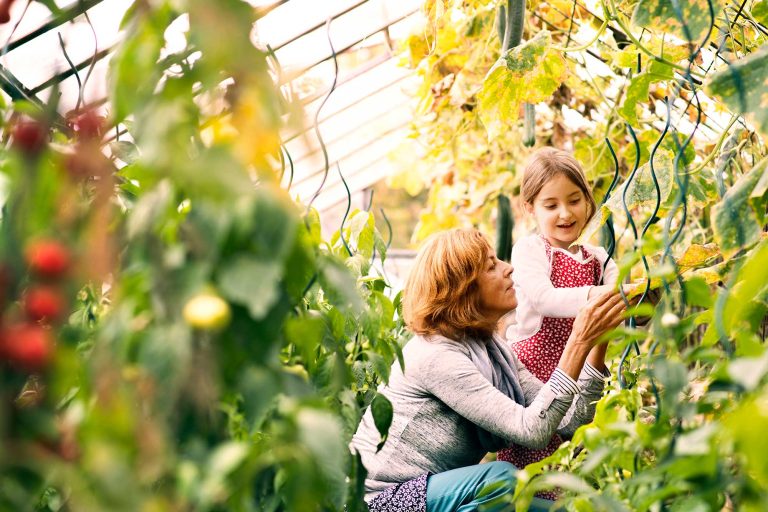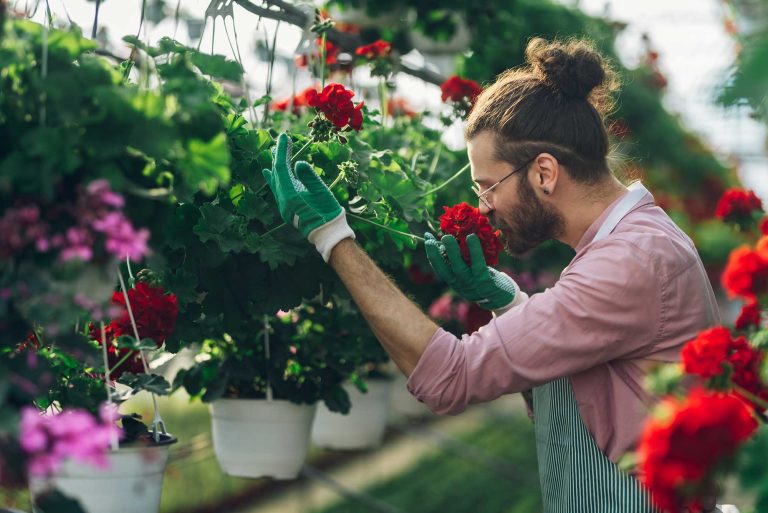
Imagine stepping into your garden and feeling a wave of tranquility wash over you. Picture vibrant colors, the gentle rustling of leaves, and the sweet scent of flowers.
But here’s the catch: all this beauty didn’t break the bank. Designing a garden doesn’t have to be expensive, and you can create a stunning outdoor space without spending a fortune. Whether you have a sprawling yard or a cozy patio, you can transform it into a lush retreat with some clever ideas and a bit of creativity.
We’ll explore practical tips and tricks to help you design your garden on a budget. You’ll discover how to make the most of what you already have, find affordable materials, and even create DIY projects that add charm and personality to your space. So, grab your gardening gloves and get ready to uncover secrets that will turn your garden dreams into reality, without emptying your wallet.
Planning Your Budget Garden
Design your garden on a budget by choosing affordable plants and using recycled materials. Plan carefully to make the most of your space without overspending. Creative solutions can transform your outdoor area beautifully and economically.
Planning your dream garden doesn’t have to break the bank. A beautiful and functional outdoor space is achievable, even on a tight budget. The key lies in strategic planning and creative thinking. As you embark on this journey, consider what you truly want from your garden. Is it a peaceful retreat, a vibrant display of colors, or a productive vegetable patch? With a clear vision and thoughtful preparation, your budget garden can become a reality.Setting A Budget
Start by determining how much you’re willing to spend. It’s essential to set a realistic budget that aligns with your financial situation. Consider all potential expenses, including soil, plants, tools, and decorations. Make a list of priorities. What aspects of your garden are most important to you? By identifying these, you can allocate funds accordingly. For instance, if growing your own vegetables is a priority, invest more in quality soil and seeds. Looking for ways to save? Consider trading plants with friends, buying second-hand tools, or even visiting local plant swaps. These small steps can add up to significant savings.Assessing Your Space
Before you start shopping for plants and materials, take a close look at your available space. How much sunlight does your garden receive? Is the soil suitable for planting, or does it need improvement? Measure your garden area. Knowing the dimensions will help you choose the right plants and avoid unnecessary purchases. Think about the layout. Are there specific areas you want to highlight, like a seating area or a path? By understanding your space, you can make informed decisions that enhance your garden’s functionality and appearance.Creating A Simple Garden Plan
Sketch a basic garden plan. It doesn’t have to be detailed; a rough outline will suffice. This step helps you visualize your ideas and ensures everything fits within your space. Consider plant placement. Taller plants should generally be placed at the back or center, with shorter plants in front. This arrangement maximizes sunlight exposure and creates an appealing layered look. Plan for growth. Remember, plants will grow over time. Leave enough space between them to avoid overcrowding as they mature. This foresight not only improves plant health but also reduces future maintenance costs. By carefully planning each step, you can design a garden that fits your budget and meets your needs. What will your next garden project be?
Credit: www.goodhousekeeping.com
Choosing Cost-effective Plants
Choosing cost-effective plants ensures a beautiful garden without overspending. Opt for native species and perennials for low maintenance and affordability. These plants often require less water and care, saving money and time.
Choosing the right plants can save money in gardening. Cost-effective plants bring beauty without breaking the bank. Focus on plants that thrive in local conditions. This reduces the need for expensive care. Some plants offer long-term value and low maintenance. Explore options that fit your budget and style.Opting For Perennials
Perennials grow back year after year. This saves money on replanting. They often require less care than annuals. Choose hardy varieties that suit your climate. They provide reliable blooms and greenery. Some perennials can spread, filling more garden space. This reduces the need for extra plants.Growing From Seeds
Starting plants from seeds is budget-friendly. Seeds are cheaper than buying mature plants. Many types can be grown easily at home. Follow instructions for planting and care. Ensure seeds get enough water and light. This method offers a wide variety of choices. Experiment with different types to find what works.Utilizing Plant Cuttings
Cuttings allow you to grow new plants from existing ones. This technique is cheap and effective. Take healthy cuttings from mature plants. Use rooting hormone to encourage growth. Place cuttings in water or soil. They will develop roots and grow into new plants. This method expands your garden at little cost.Affordable Landscaping Ideas
Transforming your garden into a beautiful oasis doesn’t have to break the bank. Affordable landscaping ideas can help you design a stunning outdoor space while staying within budget. By utilizing creativity and some handy tips, you can make your garden look amazing without overspending.
Using Recycled Materials
Recycling isn’t just for your trash bins—it’s also a fantastic way to add character to your garden. Old bricks can become charming borders or decorative elements. Wooden pallets can be turned into planters or vertical gardens.
Think about using wine bottles to create colorful garden borders. Even old tires can be repurposed into unique planters. Not only do these ideas save money, but they also help the environment by reducing waste.
Diy Garden Paths
A beautiful garden path can guide you through your green space and add structure. You don’t need expensive materials to create one. Consider using gravel, wood chips, or even broken pieces of concrete for a rustic look.
Creating a path with these materials is an easy DIY project that you can finish over a weekend. It’s also an opportunity to express your creativity—mix different materials for a unique design. Have you thought about how different textures can enhance your garden’s charm?
Inexpensive Fencing Options
Fencing doesn’t have to be costly to be effective or stylish. Bamboo fencing is an affordable option that brings a natural look to your garden. It’s easy to install and can give you the privacy you need.
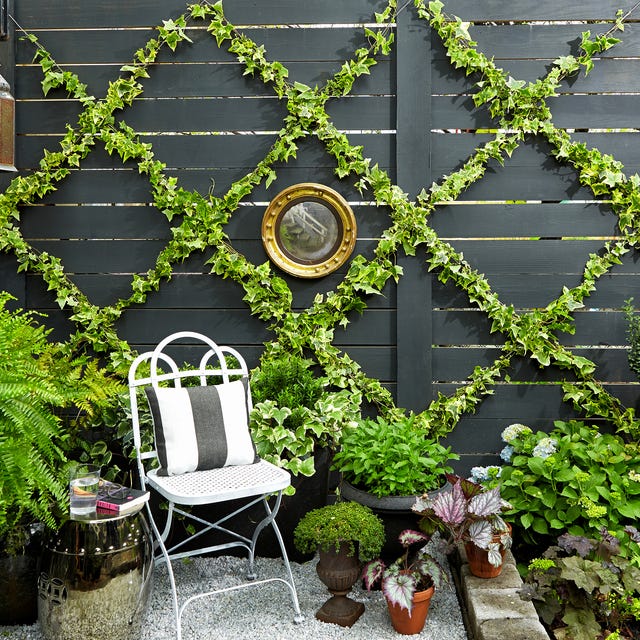
Chain link fences can be dressed up with climbing plants or flowers. This not only makes them more attractive but also creates a living wall effect. Have you considered how adding a simple fence can transform your garden’s atmosphere?

Credit: www.youtube.com
Budget-friendly Garden Decor
Transforming your garden into a beautiful oasis doesn’t have to empty your wallet. With a little creativity and some clever tricks, you can enhance your outdoor space without breaking the bank. Let’s dive into some budget-friendly garden decor ideas that will not only save you money but also add a unique charm to your garden.
Crafting Homemade Ornaments
There’s something incredibly satisfying about adding a personal touch to your garden with homemade ornaments. Consider using materials you already have at home, such as clay, old glass jars, or even leftover wood. Paint rocks with vibrant colors and place them along pathways to add a whimsical touch.
You could also create wind chimes from old cutlery or small pieces of bamboo. Not only will these ornaments add visual interest, but they also bring a sense of accomplishment knowing you crafted them yourself. Why not challenge yourself to create something new each season?
Repurposing Household Items
Your home is a treasure trove of potential garden decor. Old teapots, tin cans, and even broken furniture can find new life in your garden. Turn an old ladder into a plant stand or use an unused tire to create a colorful planter.
Why throw away those chipped china plates when you can use them as decorative edging for flower beds? By repurposing, you not only save money but also reduce waste, making your garden both beautiful and eco-friendly. What hidden gems can you uncover in your attic or garage?
Creating A Cozy Seating Area
A well-designed seating area can transform your garden into a cozy retreat. You don’t need to splurge on expensive outdoor furniture. Instead, consider using wooden pallets to create a rustic bench or table.
Add some cushions or a throw blanket for comfort and style. Hang fairy lights or solar-powered lanterns around the area to create an inviting ambiance as the sun sets. How can you tailor your seating area to be the perfect relaxation spot after a long day?
Watering And Maintenance On A Budget
Designing a garden on a budget involves smart watering techniques and low-maintenance plants. Opt for drought-resistant plants that require less water. Use mulch to retain moisture and reduce the frequency of watering.
Designing a garden on a budget doesn’t mean sacrificing beauty and functionality. When it comes to watering and maintenance, being resourceful can save you a lot of money. By implementing efficient techniques, you can keep your garden lush and vibrant without breaking the bank. Let’s delve into some smart strategies to maintain your garden affordably.Efficient Watering Techniques
Efficient watering is key to a healthy garden without a hefty water bill. Consider using a drip irrigation system. It’s inexpensive to set up and delivers water directly to the plant roots, minimizing waste. Rain barrels are another excellent option. They collect rainwater, which you can use during dry spells. You’ll save on water costs and help the environment at the same time. Water early in the morning or late in the evening. This reduces evaporation, meaning your plants get more water for less.Low-cost Pest Control
Pest control doesn’t have to be expensive. Companion planting is a natural way to deter pests. For example, planting marigolds near tomatoes can ward off harmful insects. Create homemade pest sprays using ingredients like soap and water. These are effective against many common garden pests and are far cheaper than commercial options. Encourage beneficial insects like ladybugs and lacewings. They prey on pests and can be attracted by planting specific flowers like daisies and fennel.Sustainable Garden Practices
Sustainability in the garden saves money and resources. Composting kitchen scraps and garden waste creates rich soil, reducing the need for store-bought fertilizers. Plant native species. They are adapted to your local climate and require less water and maintenance. Consider mulching to retain soil moisture and suppress weeds. Mulch can be made from organic materials like leaves or straw, which are often free or very cheap. By taking these budget-friendly steps, you’ll not only save money but also create a thriving garden that contributes positively to the environment. What changes will you make to your garden today?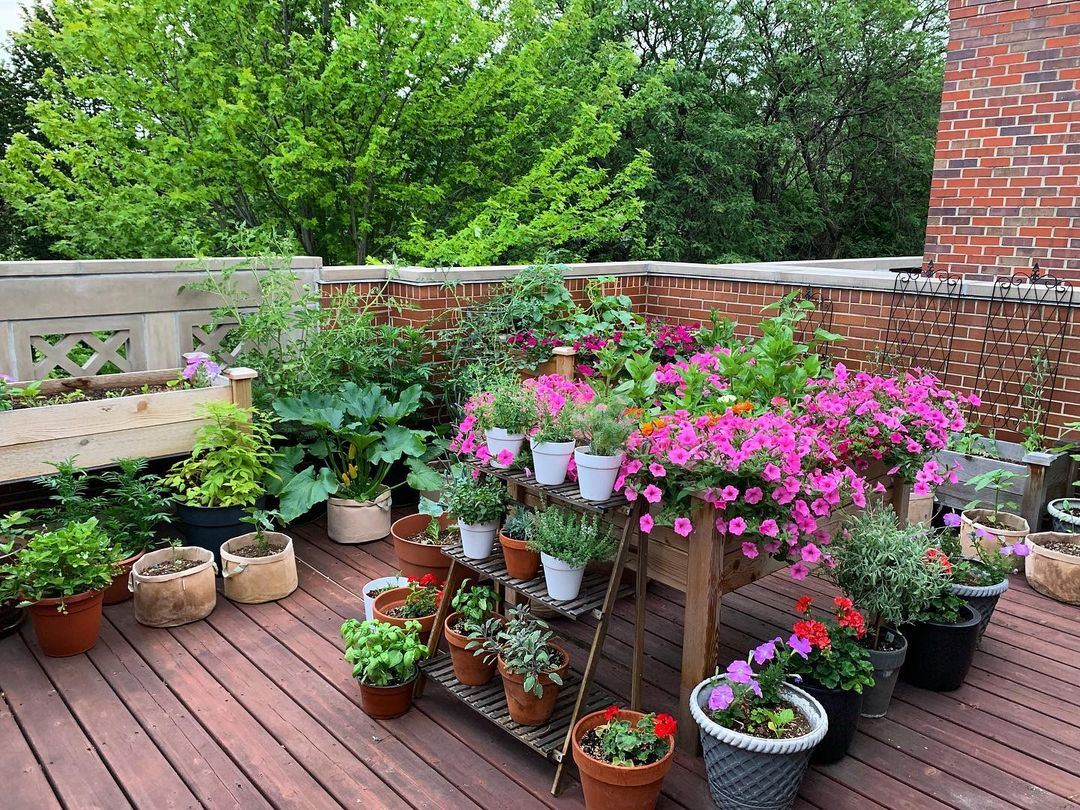
Credit: www.extraspace.com
Finding Deals And Discounts
Discover affordable ways to design your garden without breaking the bank. Use local plant sales and online marketplaces. Thrift stores often have cheap garden tools and decorations.
Designing a garden doesn’t have to be an expensive endeavor. With some strategic planning and savvy shopping, you can transform your outdoor space without breaking the bank. One of the most effective ways to save money is by finding deals and discounts. By being resourceful, you can discover hidden gems and reduce costs significantly. Let’s dive into some smart strategies that will help you find the best bargains for your garden.Shopping At Local Nurseries
Local nurseries often offer seasonal sales that can help you save big on plants and supplies. Visiting at the end of a planting season can yield discounts of up to 50% on perennials and shrubs. Additionally, nurseries may have clearance sections where you can find healthy plants that just need a little TLC. Engage with the staff and ask about upcoming sales or discounts. They can provide insider tips on the best times to shop. Supporting local businesses not only helps your budget but also strengthens your community.Exploring Online Marketplaces
Online marketplaces like eBay, Craigslist, and Facebook Marketplace are treasure troves for garden enthusiasts. You can find everything from seeds to garden tools at a fraction of the retail price. Set alerts for items you’re interested in to catch deals as soon as they are posted. Don’t forget to check user reviews and seller ratings to ensure you’re getting quality items. Buying locally through these platforms can also save you on shipping costs, making it even more budget-friendly.Utilizing Community Swaps
Community swaps are fantastic for exchanging plants, seeds, and tools with fellow gardeners. Look for local gardening clubs or online forums where members organize swap events. Not only do you save money, but you also get to share gardening tips and stories with like-minded individuals. Consider hosting a swap event in your neighborhood. It’s an excellent way to build a gardening community and acquire new plants for free. You might be surprised at the variety and quality of items you can find through these swaps. Are you ready to see how much you can save on your garden design? Dive into these resources and watch your garden flourish without emptying your wallet.Frequently Asked Questions
How Can I Design A Garden On A Budget?
Designing a garden on a budget involves using cost-effective materials. Start with recycled items like old bricks or pallets. Utilize native plants which require less maintenance. Planning carefully and prioritizing essential elements can save money. Opt for DIY projects to create features like planters or paths.
What Are Cheap Garden Design Ideas?
Cheap garden design ideas include using thrifted materials and repurposing old items. Incorporate vertical gardens for space-saving and visual interest. Utilize DIY techniques for creating garden furniture. Planting perennials can reduce costs over time. Utilize native plants for low-maintenance gardening.
How Do I Choose Budget-friendly Plants?
Select budget-friendly plants by opting for perennials and native species. Perennials return yearly, reducing annual costs. Native plants adapt well to local conditions, requiring less maintenance. Consider seeds over nursery plants for more savings. Look for plant sales or swaps in your community.
Can I Use Recycled Materials In My Garden?
Yes, using recycled materials can be cost-effective and sustainable. Recycle old bricks, wood, or containers to create garden features. Utilize pallets for raised beds or vertical planters. Repurposing materials not only saves money but adds unique character to your garden design.
Conclusion
Creating a beautiful garden doesn’t need to be expensive. With smart planning, you can save money and still enjoy a lovely outdoor space. Simple choices like native plants reduce costs and maintenance. Recycled materials add charm without breaking the bank.
Plan your layout carefully, using space wisely for a pleasing look. DIY projects offer personal satisfaction and save dollars. Start small, expand gradually, and watch your garden grow. Enjoy each step as your garden becomes a place of peace and beauty.
With these tips, designing your garden affordably is within reach for everyone.