Imagine stepping into your backyard and being instantly transported to a serene, peaceful haven. A Japanese garden can do just that, offering tranquility and a slice of nature right at your doorstep.
But what if you have limited space? Don’t worry! Designing a Japanese garden in a small area is not only possible, but it can also be incredibly rewarding. You might think it’s challenging, but with the right approach, you can create a beautiful, calming space that feels much larger than it actually is.
You’ll discover simple yet powerful design strategies to transform your small space into a stunning Japanese garden. Get ready to learn the secrets that will make your garden both unique and enchanting. Keep reading, and soon you’ll be on your way to creating a personal retreat that’s perfect for reflection and relaxation.

Credit: www.youtube.com
Design Principles
Crafting a Japanese garden in a small space focuses on simplicity and harmony. Use minimal elements like stones, water, and plants to create a serene environment. Balance is key, ensuring each component complements the others for a peaceful retreat.
Designing a Japanese garden in a small space requires understanding key principles. These principles guide the creation of a tranquil and beautiful setting. They focus on balance, harmony, minimalism, and simplicity. Each element in the garden plays a specific role. Together, they create a seamless and peaceful environment.Balance And Harmony
Balance and harmony are central to Japanese garden design. Every element should complement the others. Use stones, plants, and water to create a cohesive look. Arrange them thoughtfully to ensure a natural flow. Avoid overcrowding. Leave some open space for tranquility.Minimalism And Simplicity
Minimalism emphasizes the use of fewer elements. Choose quality over quantity. Select a few key features and let them shine. Simplicity is about clarity and purpose. Each garden element should have a reason. This creates a serene and uncluttered space.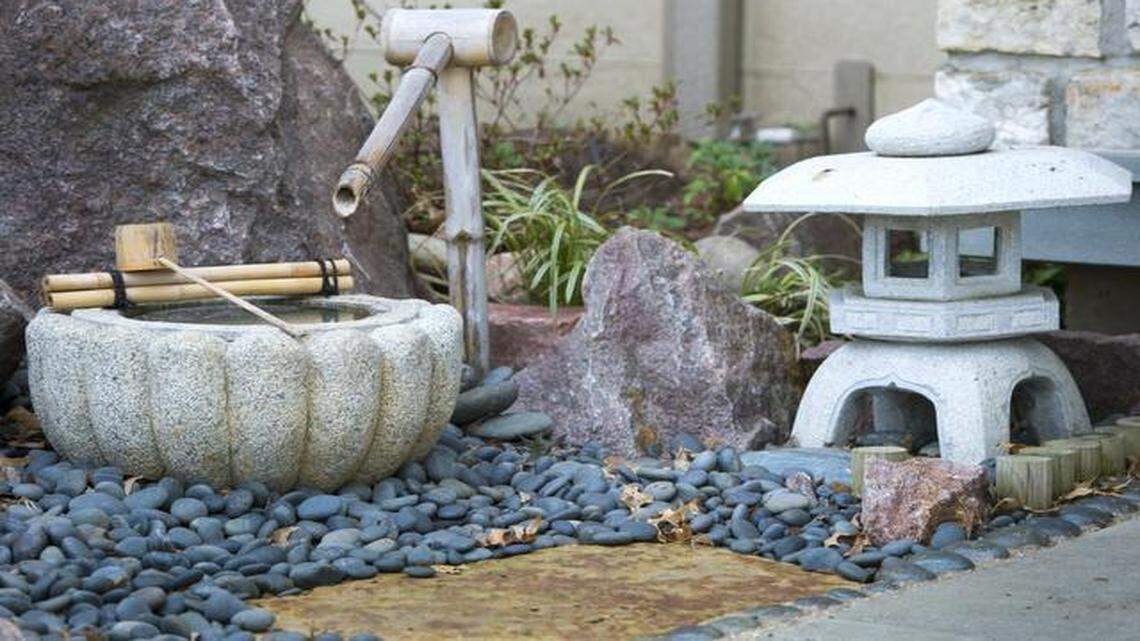
Credit: www.kansascity.com
Space Utilization
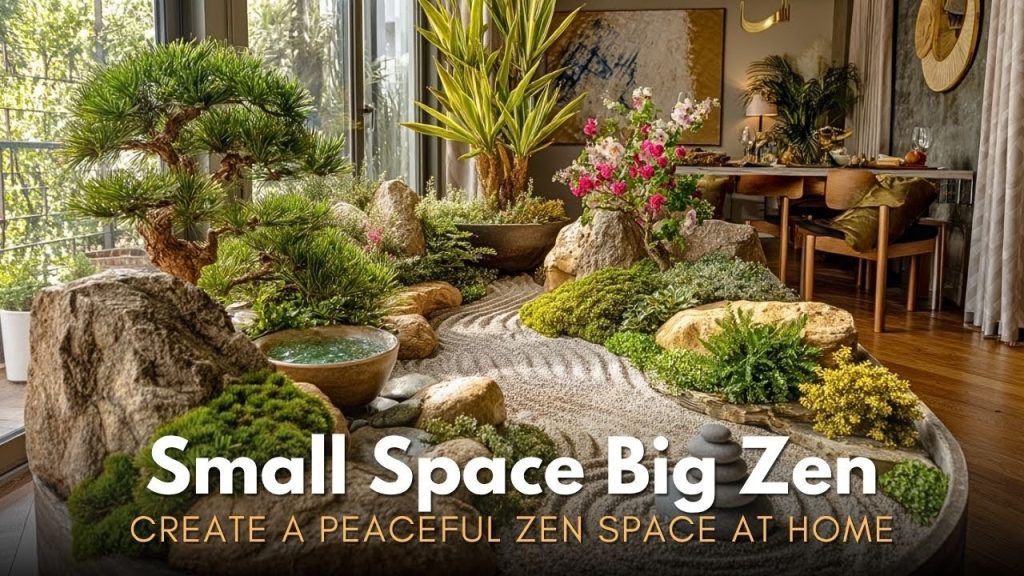
Transform a small space into a serene Japanese garden by incorporating minimalistic design elements. Use gravel, stones, and small plants to create harmony. Achieve tranquility by adding a small water feature or bamboo fountain.
Space utilization is crucial in designing a Japanese garden in a small space. Every element must serve a purpose and create harmony. This requires thoughtful planning and strategic placement. By maximizing space, you can create a serene atmosphere even in tiny areas. Using clever techniques helps achieve a balanced and peaceful garden. Let’s explore some strategies to optimize your small space.Layering Techniques
Layering adds depth and dimension to your garden. Use plants of varying heights to create visual interest. Place taller plants at the back, medium in the middle, and short ones at the front. This arrangement draws the eye through the space, making it feel larger. Stones and gravel can also be used to create layers. Arrange them to mimic natural landscapes like mountains or rivers. This adds texture and enhances the overall aesthetic of your garden.Vertical Elements
Vertical elements make the most of limited ground area. Incorporate structures like bamboo fences or trellises. These add height and provide a backdrop for climbing plants. Hanging lanterns or wind chimes can also enhance vertical space. These elements add charm and elevate the garden’s ambiance. By utilizing vertical space, your garden gains depth without requiring more ground area. This approach helps maintain a clean and organized look.Plant Selection
Selecting the right plants is key to designing a Japanese garden in a small space. Choose compact, slow-growing plants like Japanese maples and azaleas. Incorporate moss and bamboo for texture and tranquility.
Designing a Japanese garden in a small space requires meticulous attention to detail, especially when selecting plants. Choosing the right flora can create a serene atmosphere that reflects the beauty and tranquility of traditional Japanese gardens. It’s not just about aesthetics; each plant has a role to play in the overall harmony of the garden. The selection process involves considering factors such as native species and seasonal blooms, which can impact the garden’s appearance throughout the year.Native Plants
Incorporating native plants into your Japanese garden is a way to maintain ecological balance and authenticity. Native species are adapted to the local climate and soil, making them easier to care for and more sustainable. Consider adding Japanese maples, which offer striking foliage and a variety of colors. These trees can fit well into smaller spaces, providing shade and structure. Bamboo is another classic choice, known for its graceful movement and sound in the wind. It can create natural borders or serve as a focal point in your garden. By selecting native plants, you foster a connection to the environment and reduce maintenance needs, allowing you to enjoy your garden without constant care.Seasonal Blooms
A well-designed Japanese garden should evolve with the seasons, showcasing a variety of blooms throughout the year. This seasonal transformation adds dynamic beauty to your garden and keeps it engaging. Cherry blossoms are iconic in Japanese gardens, heralding the arrival of spring with their delicate pink flowers. Their fleeting nature reminds us to appreciate beauty in the present moment. In summer, irises can add vibrant color and texture, while in autumn, chrysanthemums offer rich hues that complement the changing leaves. By planning for seasonal blooms, you can ensure that your garden remains visually captivating, inviting you to explore its changing landscapes. What flowers would you choose to mark the passage of seasons in your garden?Water Features
Create a serene oasis by designing a Japanese garden in a small space. Incorporate water features like ponds or fountains. These elements enhance tranquility and connect with nature.
Water features bring tranquility to a Japanese garden. They create soothing sounds and add visual interest. Even in small spaces, water features can transform your garden into a serene retreat. Let’s explore some ways to incorporate water features in your small Japanese garden.Creating A Mini Pond
A mini pond can fit in the tiniest spaces. Choose a container that matches your garden’s style. A ceramic or stone container works well. Fill it with water and add small aquatic plants like water lilies. These plants add color and life to the pond. Place the mini pond in a shady area. This helps prevent algae growth and keeps the water cool.Incorporating Bamboo Fountains
Bamboo fountains are iconic in Japanese gardens. They bring the soothing sound of flowing water. Use a small bamboo spout for a subtle touch. Place it near the mini pond or in a separate container. The gentle trickle of water enhances the garden’s peaceful ambiance. You can find bamboo fountain kits online or at garden stores. Install them easily with a small water pump. Adjust the water flow to your preference for a perfect balance.Stone And Gravel
Stone and gravel create peaceful pathways in a Japanese garden. These elements add texture and balance. Their simplicity helps define spaces and enhance natural beauty.
Stone and gravel bring serenity and simplicity to a Japanese garden. They create a peaceful atmosphere and enhance the natural beauty of the space. Using these elements thoughtfully can transform even a small area into a tranquil retreat.Pathways And Borders
Stone pathways guide visitors through the garden. They offer a journey of discovery. Use gravel to define borders and keep the design neat. Choose stones with natural shapes for a harmonious look. Gravel paths are easy to maintain and add texture to the garden.Zen Rock Arrangements
Zen rock arrangements evoke calm and balance. Arrange rocks in groups or singularly for focal points. Each rock should have a purpose and meaning. Position them to reflect mountains or islands. Use gravel to mimic water or open space. This creates a visual balance and enhances the Zen feeling.Traditional Decor
Designing a small Japanese garden involves careful selection of plants and stones. Use water features to create tranquility. Arrange elements harmoniously for a balanced aesthetic.
Traditional Japanese garden decor brings peace and beauty to small spaces. Authentic elements create a serene atmosphere. These features transform any area into a tranquil retreat.Lanterns And Sculptures
Lanterns are iconic in Japanese gardens. They provide a soft, ambient glow. Stone lanterns are most common, adding an ancient feel. Place them near pathways or water features. Sculptures add artistic charm. Choose simple, nature-inspired designs. They blend seamlessly with the surroundings.Tori Gate Installations
Tori gates symbolize transition and protection. They are vibrant, often red, and stand out beautifully. Install a small tori gate at the garden entrance. It creates a sense of arrival. This traditional decor element adds cultural depth. It enhances the garden’s spiritual ambiance.Maintenance Tips
Designing a Japanese garden in a small space involves careful planning. Use rocks, sand, and a water feature to create tranquility. Choose plants like bonsai and moss for authenticity and easy maintenance.
Maintaining a Japanese garden in a small space requires careful attention. Regular care ensures your garden remains a peaceful retreat. Here are some maintenance tips to keep your garden thriving.Pruning Techniques
Pruning is essential for healthy plants. Trim branches to maintain shape and size. Remove dead or diseased branches promptly. Use clean, sharp tools for precise cuts. Pruning encourages new growth and keeps plants neat. Focus on maintaining the natural look of each plant.Watering Schedule
Watering is crucial for plant health. Small gardens need consistent moisture. Water early in the morning to prevent evaporation. Ensure soil is moist but not waterlogged. Use a gentle spray to avoid disturbing plants. Check soil regularly for dryness. Adjust watering frequency based on weather conditions.
Credit: www.youtube.com
Frequently Asked Questions
How To Start Designing A Small Japanese Garden?
Begin by selecting a suitable location with ample sunlight. Incorporate essential elements like rocks, water features, and native plants. Use minimalist design principles to create a tranquil atmosphere. Consider adding pathways and seating areas for relaxation. Research traditional Japanese garden styles to inspire your layout and design choices.
What Plants Are Ideal For A Small Japanese Garden?
Choose plants like Japanese maples, azaleas, and bamboo for authenticity. Incorporate moss and ferns for a lush appearance. Select evergreen shrubs to maintain year-round interest. Opt for native species that thrive in your climate. Use plants of varying heights and textures to create depth and visual appeal.
Can I Include A Water Feature In Small Spaces?
Yes, you can add a small pond or fountain. Use a compact design to fit limited spaces. Consider a simple stone basin or bamboo spout. Ensure water circulation to prevent stagnation. Incorporate aquatic plants for added beauty. Water features enhance tranquility and create soothing sounds.
How Do I Maintain A Japanese Garden?
Regularly prune plants to maintain their shape and size. Keep pathways clear and tidy. Remove fallen leaves and debris promptly. Control pests using natural methods. Ensure water features are clean and functioning. Monitor plant health and adjust care routines as needed.
Consistent maintenance preserves the garden’s serene beauty.
Conclusion
Creating a Japanese garden in a small space is achievable and rewarding. Focus on simplicity and balance. Use natural elements like stones, water, and plants. These bring harmony to your garden. Consider the placement of features carefully. This ensures a tranquil atmosphere.
Small spaces can become serene retreats. They offer a quiet escape from daily life. Remember, it’s about the experience. A well-designed garden invites peace and reflection. Enjoy your garden journey. Celebrate the beauty of nature. Let your imagination guide you.
Every detail matters. Transform your small space into a tranquil haven.