Do you love having plants inside your home, but hate dealing with those pesky fungus gnats? You’re not alone.
These tiny insects can be a big nuisance, buzzing around your indoor garden and making themselves at home in your plant pots. They might be small, but they can cause big problems for your beloved greenery. If you’re tired of seeing these little invaders flitting around your plants, you’re in the right place.
In this guide, we’ll show you simple and effective ways to get rid of fungus gnats for good. With the right tips and tricks, you can reclaim your indoor garden and keep it healthy and thriving. Get ready to say goodbye to fungus gnats and hello to a more peaceful, bug-free home.
Identifying Fungus Gnats
Tiny black flies hovering over soil signal the presence of fungus gnats. Their larvae, living in moist soil, harm plant roots.
Identifying fungus gnats is the first step to taking control. These tiny pests can wreak havoc in indoor gardens. They are small, dark, and have delicate wings. Many confuse them with fruit flies due to their size. Observing them closely will help in proper identification.Signs Of Infestation
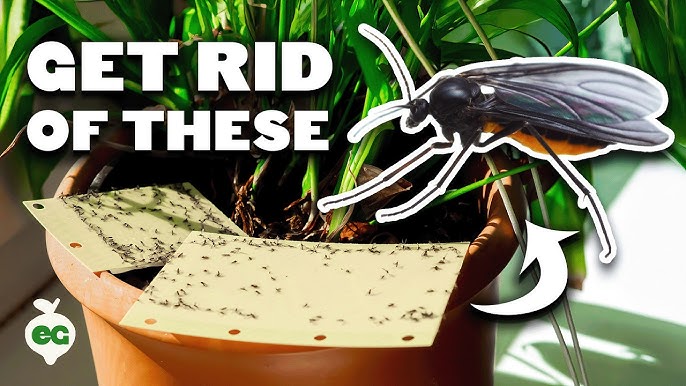
Fungus gnats often swarm around potted plants. They prefer damp soil and can be seen hovering around it. Yellow sticky traps can reveal their presence by catching them. Look for larvae in the soil; they resemble tiny worms. Stunted plant growth can indicate their damaging presence.Life Cycle And Behavior
Fungus gnats go through four stages: egg, larva, pupa, and adult. Adult gnats lay eggs in moist soil. Larvae feed on organic matter and can harm plant roots. The entire lifecycle can complete in about four weeks. They thrive in humid conditions and multiply rapidly. Understanding their behavior helps in effective control.
Credit: m.youtube.com
Prevention Techniques
Fungus gnats can be pesky invaders in your indoor garden. These small flies thrive in moist environments and can damage your plants. Prevention is key to keeping them at bay. Implementing effective prevention techniques can save you from dealing with infestations. Let’s explore some methods to keep your indoor garden healthy and free from these nuisances.
Maintaining Soil Health
Healthy soil is the first line of defense against fungus gnats. Use high-quality potting soil with good drainage properties. Avoid using garden soil indoors as it may harbor pests. Incorporate organic matter like compost to improve soil structure. Regularly aerate the soil to prevent it from becoming compacted. This discourages gnats from laying eggs.
Proper Watering Practices
Overwatering is a common cause of fungus gnat infestations. Ensure your pots have drainage holes to avoid waterlogging. Water plants only when the top inch of soil feels dry. This prevents excess moisture that attracts gnats. Use a watering can with a narrow spout for precise water delivery. This helps target the plant roots without soaking the entire soil surface.
Effective Plant Care
Keeping plants healthy reduces their vulnerability to pests. Regularly prune dead or yellowing leaves to prevent decay. This removes potential breeding sites for gnats. Ensure plants receive adequate light and nutrients for robust growth. Consider using natural insect repellents like neem oil. This can deter gnats and other pests without harming your plants.
Natural Remedies
Dealing with indoor garden fungus gnats can be incredibly frustrating. These tiny pests can wreak havoc on your beloved plants, but fear not! There are natural remedies that can help you combat these nuisances effectively. This section explores practical and chemical-free solutions that can make a real difference.
Sticky Traps
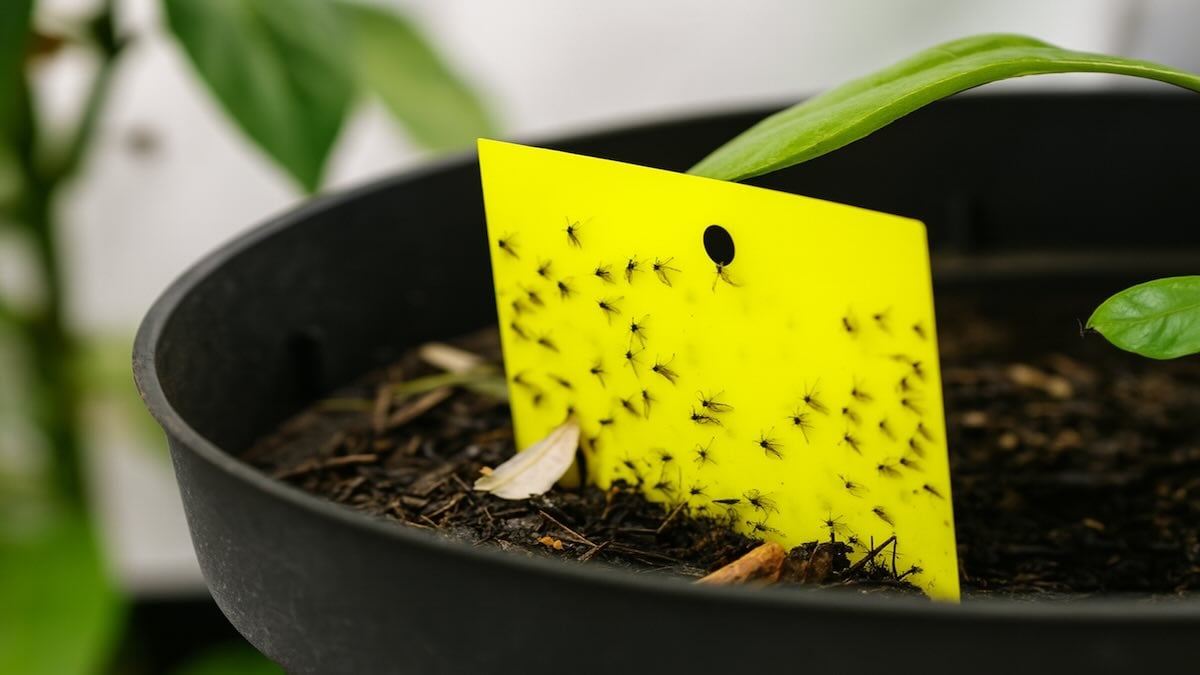
Sticky traps are a simple yet effective way to catch those pesky gnats. Place yellow sticky cards near the affected plants. Gnats are attracted to the bright color and will get stuck, reducing their numbers over time.
It’s satisfying to see the traps fill up, and you’ll notice the difference in your garden’s air quality. You can make it a fun experiment with your kids or simply track progress over a week to see how quickly the traps work.
Neem Oil Applications
Neem oil is a natural insecticide that has been used for centuries. Mix a few drops with water in a spray bottle and apply it to the soil surface. Neem oil works by disrupting the life cycle of fungus gnats, preventing them from maturing.
It’s not just effective but also offers a peace of mind knowing you’re keeping your plants safe from harsh chemicals. Do you remember the joy of finding that perfect organic solution? Neem oil might just be it.
Hydrogen Peroxide Solutions
Hydrogen peroxide can be a surprising ally against fungus gnats. Mix one part 3% hydrogen peroxide with four parts water and gently water your plants. This mixture kills gnat larvae on contact without harming your plants.
It’s a quick fix that you can use when gnats seem to be taking over. Have you ever tried a household item and found it to be incredibly effective? This solution is exactly that—simple, swift, and surprisingly potent.
Credit: istudentpro.com
Chemical Solutions
Chemical solutions effectively combat indoor garden fungus gnats. Neem oil sprays target and eliminate larvae in soil. Hydrogen peroxide solutions disrupt gnat breeding, ensuring a healthier garden environment.
Chemical solutions offer a powerful way to tackle indoor garden fungus gnats. These options can be effective, but they require careful application. Are you ready to dive into some of the most effective chemical solutions for your indoor garden?Insecticidal Soaps
Insecticidal soaps are a popular choice for gnats because they target soft-bodied insects without harming your plants. These soaps penetrate the insect’s outer layer, causing dehydration and death. You can find them at most garden centers, and applying them is straightforward. Simply spray directly onto the affected areas. However, remember to test a small area of your plant first to ensure there’s no adverse reaction.Pyrethrin Sprays
Pyrethrin sprays are derived from chrysanthemum flowers and are known for their immediate action against gnats. They disrupt the nervous system of insects, providing quick relief. These sprays are best used in well-ventilated areas to minimize inhalation risks. A little goes a long way, so use sparingly and focus on the soil surface where the gnats breed. Have you ever wondered how a natural extract could be so potent? Pyrethrins are a testament to nature’s own pest control system.Systemic Insecticides
Systemic insecticides work differently by being absorbed into the plant, providing long-lasting protection. They kill insects that feed on the plant, making them effective against gnats that attack roots. These insecticides require careful handling and precise application. Follow the instructions meticulously to ensure plant safety. Though systemic solutions are powerful, they are not always the first choice for every gardener. Would you consider using something that integrates directly into your plant’s system?Environmental Adjustments
Combat fungus gnats by adjusting humidity levels and reducing excess moisture in your indoor garden. Use yellow sticky traps to catch adult gnats and apply beneficial nematodes to target larvae in the soil.
Killing indoor garden fungus gnats involves more than just using sprays and traps. Environmental adjustments can be a game-changer in controlling these pesky insects. By tweaking your garden’s environment, you can create an inhospitable setting for gnats, ensuring your plants thrive. Let’s dive into some effective adjustments you can make.Humidity Control
Fungus gnats thrive in moist environments. Reduce humidity to make your indoor garden less appealing to them. Consider using a dehumidifier to keep the air dry. Water your plants less frequently, allowing the soil to dry out more between waterings. Using pots with good drainage can help prevent excess moisture. You might be surprised at how quickly gnats disappear with these simple changes.Air Circulation
Good air circulation is crucial for a healthy indoor garden. Stagnant air creates the perfect breeding ground for fungus gnats. Use fans to keep the air moving in your garden area. Even a small desk fan can make a significant difference. Position the fan to create a gentle breeze around your plants. This airflow not only deters gnats but also strengthens plant stems.Lighting Adjustments
Lighting plays a vital role in your indoor garden’s health. Gnats are less likely to infest plants that receive adequate light. Ensure your plants get enough light, either from natural sources or grow lights. Adjust lighting schedules if necessary to mimic natural day-night cycles. Consider using LED grow lights as they produce less heat, reducing evaporation and maintaining ideal soil moisture levels. Could a simple change in your lighting setup be the key to a gnat-free garden? Making these environmental adjustments can significantly impact your battle against fungus gnats. Each change might seem small, but collectively, they can make your indoor garden a fortress against these pesky invaders.
Credit: www.amazon.com
Long-term Management
Effective long-term management of indoor garden fungus gnats involves keeping soil dry and using yellow sticky traps. Introduce beneficial nematodes to target larvae and reduce adult gnat population naturally. Regularly monitor plants and adjust watering habits to prevent gnat infestations.
Managing fungus gnats in your indoor garden isn’t just about a quick fix. It requires a long-term strategy to keep them at bay. This means adopting consistent practices that prevent these pesky insects from ruining your plants. With some dedication, you can enjoy a thriving, gnat-free garden.Regular Monitoring
Keep a close eye on your plants regularly. Catching the early signs of infestation helps in nipping the problem in the bud. Use yellow sticky traps to monitor gnat activity and take action as soon as you notice an increase. Make it a habit to inspect the soil surface. Look for larvae, which are tiny and translucent, wriggling just beneath the soil. This proactive approach saves you from dealing with a full-blown infestation later.Integrated Pest Management
Combine multiple strategies for effective long-term control. Start with cultural methods like reducing excess moisture, as gnats thrive in damp conditions. Allow the top inch of soil to dry out between waterings. Introduce natural predators like beneficial nematodes. These microscopic worms hunt down gnat larvae, providing an eco-friendly solution. You can buy them online and apply directly to the soil. Consider using biological insecticides if needed. Products containing Bacillus thuringiensis israelensis (Bti) specifically target gnat larvae without harming your plants. Follow the instructions carefully to ensure safety and effectiveness. Are you ready to implement these strategies in your indoor garden? With consistency, you can enjoy lush plants without the annoyance of fungus gnats.Frequently Asked Questions
What Causes Fungus Gnats In Indoor Gardens?
Fungus gnats thrive in damp soil, feeding on fungi and organic matter. Overwatering and poor drainage often lead to infestations. They are attracted to decaying plant material. Keeping soil dry and well-drained can prevent their growth. Ensuring proper air circulation also helps reduce their presence in indoor gardens.
How Can I Identify Fungus Gnats?
Fungus gnats are small, black flies seen around soil surfaces. They resemble fruit flies but are more slender. Adult gnats often hover near plants, while larvae are found within the soil. Sticky traps can help capture and identify them. Observing plant health and soil conditions is crucial for identification.
Are Fungus Gnats Harmful To Plants?
Fungus gnats can damage plant roots, especially in seedlings. Their larvae feed on root hairs, affecting nutrient uptake. This can lead to stunted growth and yellowing leaves. Adult gnats are mainly a nuisance, but managing them early is important. Healthy plants are less susceptible to severe damage.
How Do I Prevent Fungus Gnats Naturally?
To prevent fungus gnats, allow soil to dry between waterings. Use well-draining pots and soil mixes to reduce moisture. Introduce beneficial nematodes to control larvae. Sticky traps can catch adult gnats. Maintaining clean plant surfaces and avoiding overwatering are key to natural prevention.
Conclusion
Battling indoor garden fungus gnats can be challenging. But with persistence, you can succeed. Start by ensuring proper drainage. Overwatering attracts gnats. Use yellow sticky traps to catch adults. Introduce beneficial nematodes to control larvae. Keep soil dry between waterings.
Consider using natural insecticides. They’re safer for your plants. Regularly monitor your garden. Prevention is key. Healthy plants resist pests better. Remember, patience and consistency are essential. With these tips, your indoor garden can thrive, gnat-free. Happy gardening!