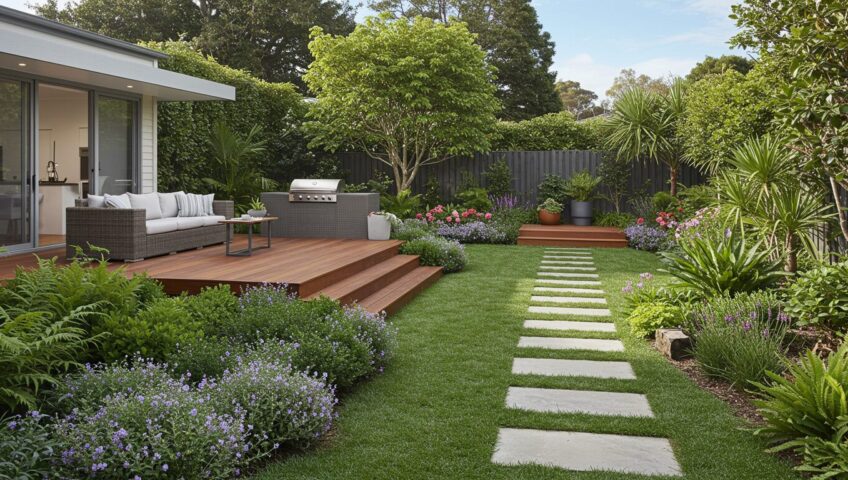
Imagine stepping into your garden and being greeted by a beautiful, thriving oasis that doesn’t demand your every weekend. In New Zealand, where the natural landscapes are breathtaking, you can create your own slice of paradise without being a slave to constant upkeep.
Designing a low maintenance garden is your ticket to enjoying the beauty of nature with minimal effort. It’s about smart choices, understanding your environment, and using nature to your advantage. You’re not just growing plants; you’re growing time—time to relax, enjoy, and soak in the serenity of your outdoor space.
Ready to transform your garden into an effortless haven? Let’s dig into how you can make it happen.
Credit: archipro.co.nz
Garden Layout Ideas
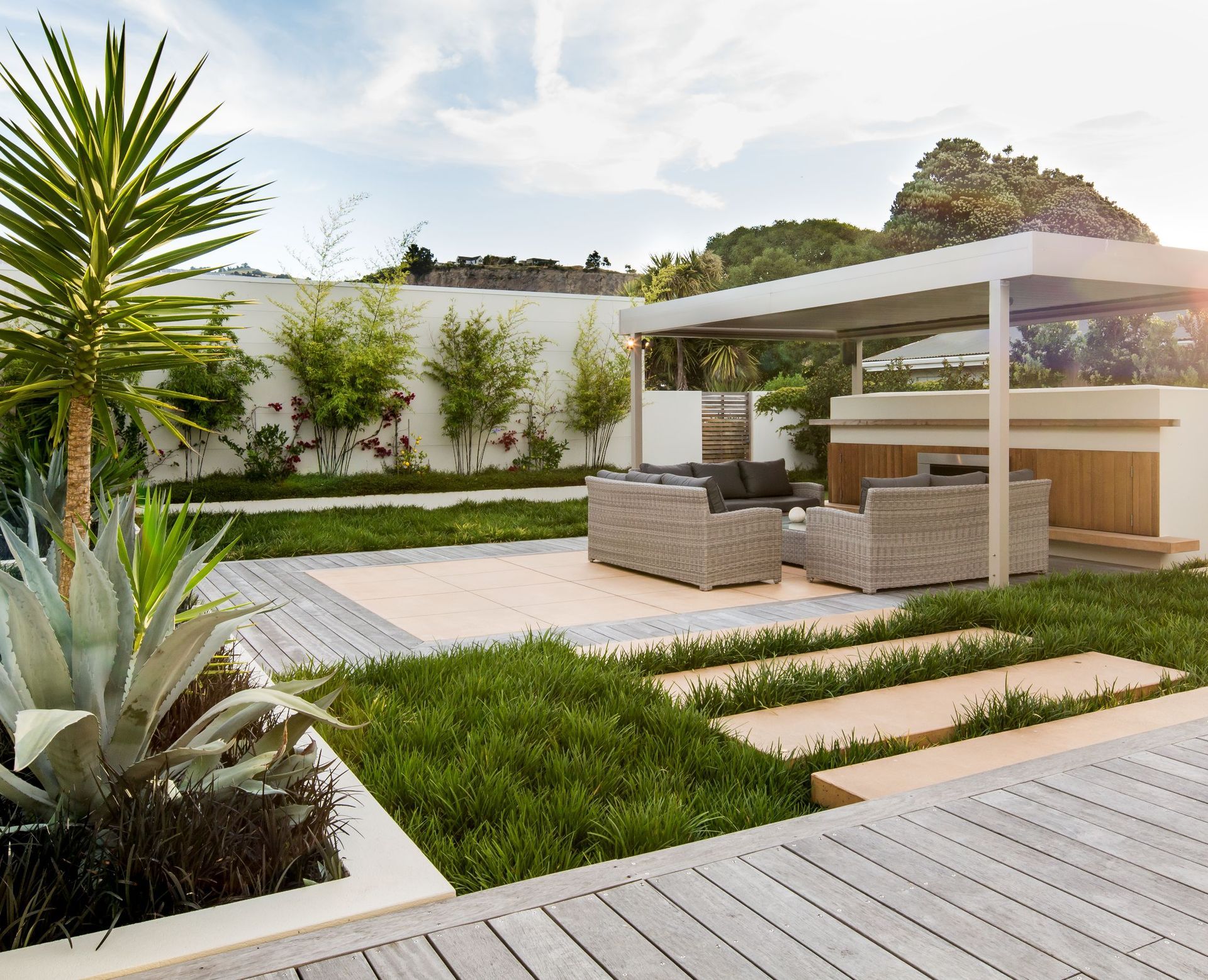
Design a low maintenance garden in New Zealand by choosing native plants that thrive naturally. Arrange these in simple, geometric patterns to minimize upkeep. Incorporate mulch and gravel pathways to reduce weeds and watering needs.
Designing a low maintenance garden in New Zealand can be both rewarding and practical. With the right layout ideas, you can achieve a beautiful outdoor space that requires minimal upkeep. One key aspect is planning a layout that maximizes your space efficiently and creates distinct zones for different activities and plant types. Let’s dive into some creative garden layout ideas that can transform your yard into an easy-to-manage paradise.Maximizing Space
Maximizing space in your garden means making the most out of every square meter. Consider vertical gardening by utilizing fences or walls to grow climbing plants or install hanging planters. This approach not only saves ground space but also adds a lush, green backdrop to your garden. Think about the placement of garden beds. Raised beds are perfect for small spaces as they can be arranged in various configurations like squares or rectangles, enabling easy access and efficient use of soil and water. They also help prevent weeds, reducing maintenance time. Another idea is to integrate multi-functional furniture. Benches with built-in planters or tables that double as storage can enhance your garden’s usability without cluttering the area. Have you ever thought about how much space you could save by combining elements?Creating Zones
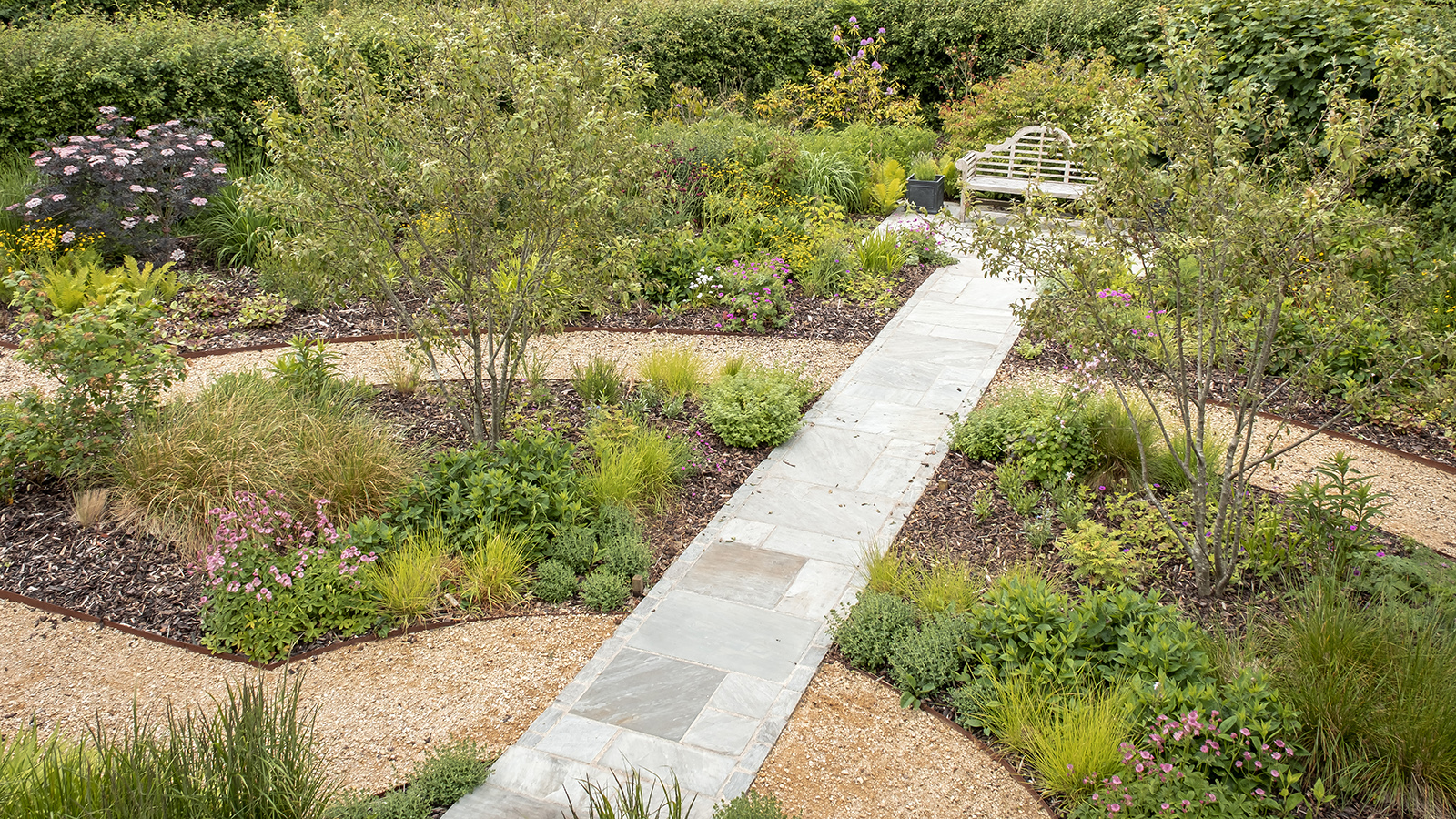
Creating zones within your garden layout allows for specific areas dedicated to different purposes, making maintenance tasks more straightforward. Start by identifying what you want from your garden—is it relaxation, entertainment, or perhaps growing herbs? Establish a relaxation zone with comfortable seating surrounded by low-maintenance plants like lavender or succulents. These plants thrive with minimal care and offer a calming atmosphere. Consider adding a small water feature for tranquility. Designate a zone for growing herbs and vegetables. Raised beds or container gardens work well here, offering easy access and control over soil conditions. Opt for hardy varieties that suit the local climate, ensuring robust growth with little intervention. Lastly, create a pathway zone with durable materials like gravel or stepping stones. These paths not only guide visitors through your garden but also help prevent soil erosion and reduce weed growth. How can you make your garden layout more efficient and enjoyable by creating purposeful zones?Choosing Native Plants
Selecting native plants ensures a low maintenance garden in New Zealand. They thrive in local climates, reducing the need for extra care. Native species enhance biodiversity and naturally resist pests, providing a beautiful, sustainable landscape.
Choosing native plants for your low maintenance garden in New Zealand is a smart choice. These plants naturally thrive in the local climate and soil conditions. They require less water, fertilizer, and care than non-native species. By incorporating native plants, you create a sustainable and easy-to-manage garden.Benefits Of Native Species
Native plants support local wildlife, attracting birds and insects. They enhance biodiversity and promote a healthy ecosystem. These species are adapted to local weather patterns, ensuring resilience against pests. Native plants reduce the need for pesticides, making your garden eco-friendly. They often have deep root systems, which help prevent soil erosion. This makes them ideal for maintaining soil health and stability.Top Picks For New Zealand
New Zealand offers a wide range of native plants suitable for gardens. Consider planting Hebe, a versatile shrub with vibrant flowers. It is hardy and requires minimal care. Flax, known for its striking leaves, adds structure to your garden. It is drought-tolerant and grows well in various conditions. Kowhai, with its beautiful yellow flowers, attracts native birds. It’s a stunning addition that brings life to any space. For ground cover, plant creeping pohuehue. It spreads easily and controls weeds. These native choices ensure a thriving, low-maintenance garden.Watering Strategies
Watering your garden efficiently is crucial, especially when aiming for a low-maintenance setup. In New Zealand, where weather conditions can vary dramatically, establishing smart watering strategies is essential to keep your garden thriving without constant attention. Let’s dive into how you can make watering your garden a breeze.
Efficient Irrigation Systems
Consider installing an irrigation system tailored to your garden’s needs. Drip irrigation is a popular choice because it delivers water directly to the plant roots, minimizing wastage. This system can be automated, ensuring your plants receive consistent moisture without manual intervention.
Sprinkler systems are another option, but they should be adjusted to avoid overwatering. Check if your system has rain sensors, which can help conserve water during wet periods. Many gardeners find that investing in a smart irrigation controller saves them time and effort.
Drought-resistant Options
Opt for drought-resistant plants to reduce your garden’s dependence on frequent watering. Native New Zealand plants are particularly well-suited to the local climate and require less water once established. This not only cuts down your gardening workload but also supports local biodiversity.
Mulching is another effective strategy. It helps retain soil moisture, reducing the need for frequent watering. Organic mulch can also improve soil health over time. Think about how much time you could save by using these drought-resistant tactics.
Soil And Mulching Techniques
Design a low maintenance garden in NZ using effective soil and mulching techniques. Use quality mulch to retain moisture and suppress weeds. Choose native plants that thrive in local soil, reducing the need for fertilization and watering.
Designing a low maintenance garden in New Zealand involves smart soil and mulching techniques. These strategies not only reduce the time you spend weeding and watering but also help your plants thrive. Let’s dive into how you can improve soil health and use mulch effectively for weed control.Improving Soil Health
Healthy soil is the foundation of a vibrant garden. Begin by testing your soil to understand its current condition. Knowing the pH and nutrient levels allows you to make informed decisions about what amendments might be necessary. Consider adding organic matter such as compost or well-rotted manure. These materials enrich the soil, improve drainage, and enhance its ability to retain moisture. If you’ve ever noticed how lush plants are after a good rain, that’s the magic of well-conditioned soil at work. Another tip is to incorporate native plants that are already adapted to local soil conditions. They require less intervention, making your gardening tasks lighter. Have you tried using earthworms? Their activity naturally aerates the soil and boosts nutrient levels.Mulch For Weed Control
Mulching is your garden’s best friend when it comes to weed control. A layer of mulch not only suppresses weeds but also retains soil moisture, making your garden more self-sufficient. Choose organic mulches like bark chips, straw, or even grass clippings. These break down over time, adding nutrients back into the soil. Imagine how much time you’ll save not having to weed constantly! Apply a 5-10 cm layer of mulch around your plants, ensuring you leave a small gap around the stems to prevent rot. Have you ever thought about the aesthetic benefits of mulching? It gives your garden a tidy, cohesive look while doing the hard work behind the scenes. By improving your soil and using mulch effectively, you can create a garden that practically takes care of itself. What will you do with all the extra time you save?Low-maintenance Lawn Alternatives
Designing a low-maintenance garden in New Zealand involves choosing native plants and ground covers that thrive in local climates. Consider using ornamental grasses, clover, or creeping thyme instead of traditional lawns for easier upkeep. Integrating gravel or mulch paths can further reduce the need for frequent gardening tasks.
Looking to design a garden that’s easy to care for in New Zealand? Opting for low-maintenance lawn alternatives can save you time and effort, letting you enjoy your outdoor space without the constant upkeep. With the right choices, you can create a beautiful garden that practically takes care of itself.Ground Covers
Ground covers are an excellent option if you’re seeking a lush, green appearance without the hassle of traditional lawn care. These plants spread quickly, covering bare ground and suppressing weeds, reducing the need for mowing and fertilizing. Consider plants like clover, creeping thyme, or New Zealand native grasses. They require minimal watering once established, making them perfect for the unpredictable Kiwi weather. Plus, many ground covers are hardy and can withstand foot traffic, making them ideal for families or pets.Artificial Turf
Artificial turf offers a picture-perfect lawn all year round without any of the usual maintenance. It’s a great solution if you desire a traditional lawn look minus the mowing, fertilizing, and watering. While the initial installation cost may seem high, think about the long-term savings on water and maintenance. Modern artificial turf options are designed to look and feel like real grass, and they drain well, preventing puddles after a downpour. Imagine spending your weekends relaxing rather than pushing a lawnmower. Isn’t that a tempting thought?Smart Garden Technology
Designing a low maintenance garden in New Zealand involves smart garden technology. Automated irrigation systems and drought-resistant plants simplify care. Efficient garden tools reduce effort and enhance growth.
Smart garden technology is transforming the way we think about maintaining our green spaces. With the hustle and bustle of modern life, finding time to tend to a garden can be challenging. However, integrating smart technology offers a solution that keeps your garden thriving with minimal effort.Automated Systems
Imagine waking up to a garden that waters itself. Automated irrigation systems are a game-changer for low maintenance gardens. These systems can be programmed to water your plants at the optimal times, ensuring they receive the perfect amount of hydration. Sensors can be placed throughout your garden to detect moisture levels in the soil. This information is used to adjust the watering schedule automatically, saving water and reducing the chance of overwatering. It’s like having a personal gardener who never takes a day off.App-based Monitoring
Gone are the days of guessing what your plants need. With app-based monitoring, you can keep a close eye on your garden’s health from anywhere. These apps provide real-time data on soil moisture, sunlight exposure, and temperature. Imagine receiving a notification on your phone that alerts you to a potential frost, allowing you to take action before any damage occurs. This proactive approach helps you maintain a lush garden without constant supervision. Some apps even offer plant care tips tailored to your specific garden setup. This personalized guidance can help you make informed decisions that benefit your plants and reduce unnecessary work. Have you ever thought about how much easier gardening could be with a little technological help? Smart garden technology might just be the upgrade your garden needs.Seasonal Care Tips
Maintaining a low maintenance garden in New Zealand requires understanding seasonal care. This helps keep your garden healthy throughout the year. Each season brings unique tasks and opportunities for your garden. By focusing on seasonal care, you ensure your garden thrives with minimal effort.
Easy Pruning Methods
Pruning keeps plants tidy and encourages new growth. Use clean, sharp tools for best results. Trim dead or damaged branches first. This prevents disease and improves plant health. Prune in early spring or late winter. This is when plants are dormant and less stressed. Be mindful of plant species, as some require special attention.
Plant Rotation
Plant rotation is crucial for soil health. Rotate crops yearly to prevent soil depletion. This practice reduces pest and disease buildup in the soil. Group plants with similar needs for easier care. Consider the sun, water, and nutrient requirements of each plant. This ensures each plant gets what it needs to thrive.

Credit: www.yahoo.com
Credit: www.homebuilding.co.uk
Frequently Asked Questions
What Is A Low Maintenance Garden?
A low maintenance garden requires minimal upkeep. It uses hardy plants, efficient irrigation, and smart design. Focus on native plants that thrive naturally. Use mulch to reduce weeds and conserve moisture. Automated irrigation can save time and effort. Proper planning ensures a garden that’s easy to maintain all year.
How To Choose Plants For Low Maintenance Garden?
Select native plants suited to your local climate. They require less water and care. Opt for perennials that come back yearly. Choose plants with similar water and sunlight needs. Avoid high-maintenance species that need frequent pruning. Consider drought-resistant varieties for efficient water use.
What Are Tips For Garden Design?
Design with simplicity in mind. Use clear paths and defined planting areas. Group plants by their water and sunlight needs. Incorporate raised beds for better drainage and accessibility. Utilize ground covers to reduce weeds. Plan for seasonal changes, ensuring the garden looks good year-round.
How To Manage Weeds Effectively?
Use mulch to suppress weed growth. It conserves moisture and improves soil quality. Regularly inspect for weeds and remove them promptly. Consider landscape fabric for added protection. Maintain healthy plant growth to outcompete weeds. Limit open soil to reduce weed seed germination.
Conclusion
Creating a low maintenance garden in New Zealand is achievable. Start by choosing native plants. They adapt well to the local climate. Mulching helps retain soil moisture and suppress weeds. Consider using gravel paths for easy upkeep. Install an efficient irrigation system.
It saves time and water. Regular pruning keeps plants healthy and neat. Use garden furniture that withstands weather changes. Enjoy a beautiful space without much effort. Simple planning makes gardening a pleasure. Remember, less is more in design. Focus on sustainability and easy care.
Your garden can thrive with minimal work.







