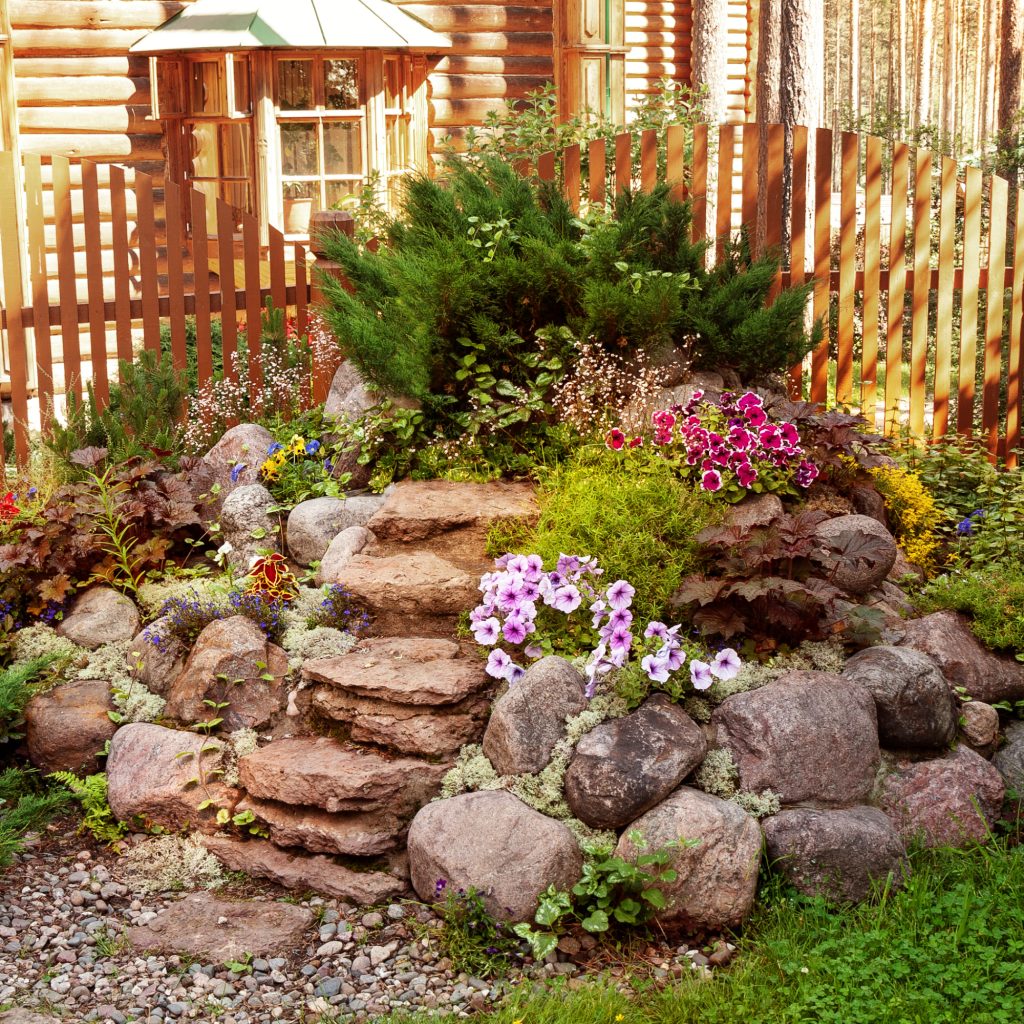
Imagine stepping into your garden, where the beauty of roses meets the rugged charm of rocks. It’s a unique combination that can captivate the senses and create a breathtaking landscape.
But can you really plant roses in a rock garden? If you’re wondering whether this is possible, you’re not alone. Many gardeners dream of mixing the elegance of roses with the natural allure of rocks, but hesitate due to concerns about soil conditions and plant compatibility.
You’ll discover how you can successfully combine these elements, turning your garden into a stunning masterpiece. You’ll learn the tricks and tips that make planting roses in a rock garden not only possible but beautifully rewarding. Dive in to uncover the secrets that will help you achieve a garden that’s both unique and enchanting.
Choosing The Right Rose Varieties
Selecting rose varieties for a rock garden requires considering their adaptability to rocky soil. Compact or shrub roses work well, offering resilience and beauty. Choose varieties that thrive in well-drained conditions to ensure a stunning and enduring display.
Choosing the right rose varieties for your rock garden is crucial to ensure they thrive in such a unique environment. Roses are known for their beauty and fragrance, but not all types are suitable for rock gardens. Selecting the ideal varieties can make the difference between a thriving, colorful display and a struggling, sparse one. Let’s explore some excellent options that can adapt to the rocky terrain, bringing both charm and resilience to your garden.Dwarf And Miniature Roses
Dwarf and miniature roses are perfect for rock gardens due to their compact size. These petite beauties typically grow just 6 to 24 inches tall, making them ideal for filling small spaces between rocks. Their smaller stature doesn’t mean they lack impact; their vibrant blooms can create a stunning visual effect. Consider varieties like ‘Baby Love’ or ‘Lavender Meidiland.’ These roses are not only visually striking but also hardy, often resistant to diseases common in larger rose varieties. Their maintenance is minimal, which is a bonus for those looking for low-effort gardening.Groundcover Roses
Groundcover roses are an excellent choice for rock gardens if you want to cover larger areas. These roses spread horizontally, creating a lush, colorful carpet that can help stabilize the soil around rocks. They’re a practical and beautiful solution for preventing soil erosion in sloped gardens. Varieties such as ‘Flower Carpet’ or ‘Drift Roses’ are popular due to their adaptability and continuous blooms. They are hardy, disease-resistant, and require little pruning, making them a favorite among gardeners who prefer less maintenance.Shrub Roses For Rock Gardens
Shrub roses offer a blend of beauty and robustness, making them a great fit for rock gardens. These roses can grow up to 5 feet tall and wide, providing a striking focal point among the rocks. Their bushy growth habit can add height and depth to your garden design. Consider options like ‘Knock Out’ or ‘Carefree Beauty,’ which are known for their resilience and long blooming periods. These shrub roses are easy to care for, with exceptional disease resistance and a tolerance for various growing conditions. Choosing the right rose variety for your rock garden isn’t just about aesthetics; it’s about ensuring the plants thrive in their environment. Have you thought about how different roses might complement the natural elements in your garden? Selecting the right variety can turn your rock garden into a breathtaking oasis.Preparing The Rock Garden
Planting roses in a rock garden is possible with careful planning. Choose hardy varieties and ensure well-drained soil. Consider sun exposure and space for growth.
Preparing the Rock Garden Turning your rock garden into a vibrant rose sanctuary is an exciting endeavor. Roses are surprisingly adaptable and can thrive among stones with the right preparation. The key lies in creating a supportive environment that caters to their needs. Let’s delve into how you can prepare your rock garden to welcome these beautiful blooms.Assessing Soil Quality
Begin with a thorough evaluation of your garden’s soil. Roses prefer slightly acidic soil with a pH between 6.0 and 6.8. Test your soil to determine its pH level, which you can do with a simple kit from a gardening store. If your soil is too alkaline or sandy, consider mixing in organic matter like compost. This not only adjusts the pH but also enriches the soil with vital nutrients. Have you noticed roses struggling in your garden before? It might have been due to inadequate soil conditions.Enhancing Drainage
Roses dislike wet feet and need good drainage to flourish. Examine how water flows through your rock garden, especially after heavy rain. If water tends to pool, it’s time to take action. Add gravel or sand to your soil to improve drainage. You can also elevate the planting area slightly to help water escape. Think about how frustrating it would be for your roses to be constantly waterlogged—prevent this with simple adjustments.Creating Planting Pockets
Rock gardens are unique because the stones create microclimates. Use this to your advantage by making planting pockets among the rocks. These pockets give roses the space they need while protecting them from harsh weather. Choose areas that receive adequate sunlight and are shielded from strong winds. Carefully arrange stones to form pockets that are deep enough for healthy root development. Have you ever seen roses thriving in seemingly impossible places? Creating the right conditions can make all the difference. Embrace the challenge of preparing your rock garden and watch your roses transform it into a lush oasis. Each step you take brings you closer to an enchanting garden filled with vibrant blooms.Planting Techniques For Roses
Roses can thrive in rock gardens with proper care. Ensure good drainage and choose hardy varieties for success. Space plants to allow airflow and sunlight, promoting healthy growth and blooming.
Planting roses in a rock garden adds beauty and charm. Understanding how to plant them correctly ensures healthy growth and stunning blooms. Techniques vary based on soil, space, and water needs. Let’s explore the best practices for planting roses.Proper Spacing And Depth
Roses need room to grow. Space them 2 to 3 feet apart. This allows air circulation, preventing disease. Plant at a depth of 1 to 2 inches below the soil line. This keeps roots stable and helps growth. Ensure the graft union is just above ground level.Mulching For Moisture Retention
Mulch is vital for roses. It retains moisture and suppresses weeds. Use organic mulch like wood chips or straw. Apply a 2 to 3-inch layer around each plant. This keeps the soil cool and conserves water. Mulch also enriches the soil as it breaks down.Watering Strategies
Water roses deeply and regularly. Aim for 1 to 2 inches of water weekly. Focus on the base to prevent leaf diseases. Morning watering is ideal to reduce evaporation. Use drip irrigation for efficiency. Adjust frequency based on weather and soil drainage.
Credit: naturehills.com
Caring For Roses In Rock Gardens
Roses can thrive in rock gardens with proper care. Provide good drainage and choose sun-loving varieties for success. Ensure regular watering and monitor for pests to maintain vibrant blooms.
Caring for roses in rock gardens presents a unique challenge, but it can be incredibly rewarding. The rugged beauty of a rock garden juxtaposed with the delicate elegance of roses creates a stunning visual contrast. However, roses require specific attention to thrive in this environment. With the right care, your roses can flourish, adding vibrant color and a sweet fragrance to your rock garden. Let’s explore how you can keep your roses healthy and flourishing.Pruning And Deadheading
Pruning is essential to maintain the shape and health of your rose bushes. Trim back any dead or overgrown branches to encourage new growth and improve air circulation. This is especially important in rock gardens, where space can be limited. Deadheading, or removing spent blooms, helps your roses focus their energy on producing new flowers. Regularly inspect your roses and snip off any faded blooms. This practice not only keeps your garden looking tidy but also promotes continuous blooming.Fertilization Tips
Roses in rock gardens can benefit from a balanced fertilizer. Choose a slow-release formula to provide steady nutrients over time. This will support strong root development and vibrant blooms. Be mindful of the timing; fertilize in early spring as new growth begins and again in mid-summer. Avoid over-fertilizing, as this can lead to lush foliage with fewer flowers. Always follow the instructions on your fertilizer package to ensure proper application.Managing Pests And Diseases
Pests and diseases can be a significant challenge for roses, even in the well-drained conditions of a rock garden. Regularly check the leaves and stems for signs of aphids, black spot, or powdery mildew. Early detection is key to effective management. Consider natural solutions like introducing beneficial insects or using organic sprays. Keeping your roses well-spaced and properly pruned will also help reduce the risk of infestation. Remember, a healthy rose is your best defense against pests and diseases.Seasonal Maintenance
Planting roses in a rock garden offers unique beauty. Yet, they need seasonal care to thrive. This ongoing maintenance ensures your roses bloom beautifully. Let’s explore the key tasks each season demands.
Winter Protection
Winter can be harsh on roses. Cover the base with mulch. This protects roots from frost. Use burlap to shield delicate branches. It reduces wind damage. Water roses before the ground freezes. Hydration helps them endure cold months. Inspect for pests or diseases. Treat any issues before they worsen.
Spring Revival
Spring is a time of renewal. Remove winter mulch as temperatures rise. This allows new growth to emerge. Prune dead or damaged wood. Encourage healthy blooms with balanced fertilizer. Check for signs of disease or pests. Address problems early to ensure robust growth. Water roses deeply but infrequently. Promote deep root development.
Summer Care
Summer heat requires extra care. Water roses in the morning. Reduce evaporation and prevent fungus. Add a fresh layer of mulch. It conserves moisture and keeps roots cool. Deadhead spent blooms regularly. This encourages new flowers. Monitor for pests and diseases. Use organic solutions to manage issues safely. Ensure roses receive enough sunlight. They need at least six hours daily.
Designing With Roses In Rock Gardens
Planting roses in a rock garden adds elegance and charm. Well-drained soil is vital for rose growth. Choose compact rose varieties for best results.
Designing with roses in rock gardens can be an exciting challenge that transforms your outdoor space into a picturesque haven. Combining the elegance of roses with the rugged charm of rocks creates a stunning contrast that can be both visually appealing and functional. This unique pairing not only enhances the aesthetic of your garden but also provides an opportunity to experiment with different design elements.Color Combinations
Choosing the right color combinations is crucial when incorporating roses into your rock garden. The vibrant hues of roses can beautifully contrast with the neutral tones of rocks. Consider pairing soft pink or white roses with grey stones for a classic look, or add a bold touch with red roses against darker rocks. Experiment with various shades to create a harmonious or a vibrant palette. For instance, yellow roses can add a sunny brightness to your garden, especially when surrounded by lighter rocks. The aim is to create a visual balance that pleases the eye and complements the natural landscape.Companion Planting
Companion planting in a rock garden with roses can enhance the beauty and health of your plants. Selecting plants that thrive in similar conditions as roses ensures a cohesive and thriving garden. Consider low-growing plants like lavender or creeping thyme, which can fill gaps and add texture. These companions not only add aesthetic value but can also help deter pests naturally. For instance, planting marigolds near roses can repel certain insects, promoting healthier rose blooms. Always ensure that companion plants do not overshadow the roses, maintaining them as the star of your garden.Creating Focal Points
Roses can serve as stunning focal points in a rock garden, drawing the eye and adding depth to your design. Positioning a vibrant rose bush at the center or an elevated area of your garden can create an instant visual impact. Think about the layout and how you want your garden to flow. Do you want to lead visitors through a path of blooming roses, or have a secluded corner where a single rose bush stands out? The choice is yours, but remember that the goal is to captivate and engage. Incorporating these elements thoughtfully can turn your rock garden into a masterpiece. Whether you’re a seasoned gardener or a beginner, playing with roses in this setting can offer endless possibilities. Are you ready to let your garden tell its own unique story?Common Challenges And Solutions
Planting roses in a rock garden presents challenges like soil drainage and sunlight exposure. Solutions include selecting rose varieties suited for rocky conditions and ensuring proper soil amendments for optimal growth. Regular watering and strategic placement can enhance their adaptability and beauty in such environments.
Creating a rock garden adorned with roses can be a delightful endeavor, but it does come with its own set of challenges. Roses, while resilient, require specific conditions to thrive, and rock gardens often present hurdles like intense sunlight, poor soil, and watering difficulties. Understanding these challenges and implementing effective solutions will help you cultivate a stunning rose rock garden that captivates the senses.Dealing With Harsh Sunlight
Roses flourish with plenty of sunlight, but rock gardens can sometimes amplify the sun’s intensity. This can lead to sunburnt leaves and stunted growth. To mitigate this, consider planting your roses where they receive morning sun and afternoon shade. You might also use shade cloths during peak summer months. Select rose varieties that are known for their heat tolerance. This simple adjustment can make a noticeable difference in your garden’s vibrancy.Managing Poor Soil Conditions
Rock gardens often have shallow soil with poor nutrients. Roses need well-drained, fertile soil to blossom. You can enhance the soil by adding organic matter like compost or well-rotted manure. Consider building raised beds in your rock garden to improve soil depth. Mixing in some gravel with the soil can also improve drainage, ensuring your roses don’t sit in waterlogged conditions.Addressing Watering Issues
Watering can be tricky in a rock garden since water tends to run off rather than seep in. Ensure your roses get enough moisture by using drip irrigation or soaker hoses. These systems deliver water directly to the roots, minimizing evaporation. You might also apply a layer of mulch around the base of your roses. This helps retain moisture and keeps the roots cool. Reflect on how often you water; sometimes less is more to avoid root rot. By addressing these common challenges with thoughtful solutions, you can transform your rock garden into a flourishing haven for roses. Have you tackled any of these issues in your own garden? Share your experiences and tips in the comments!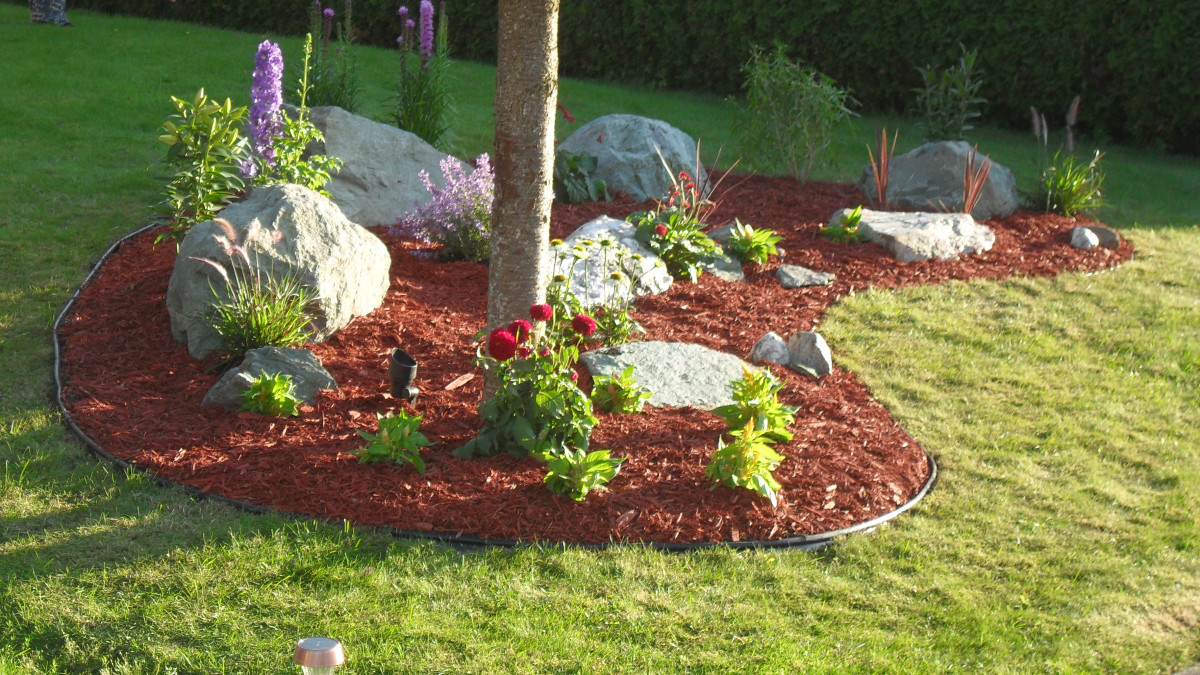
Credit: dengarden.com
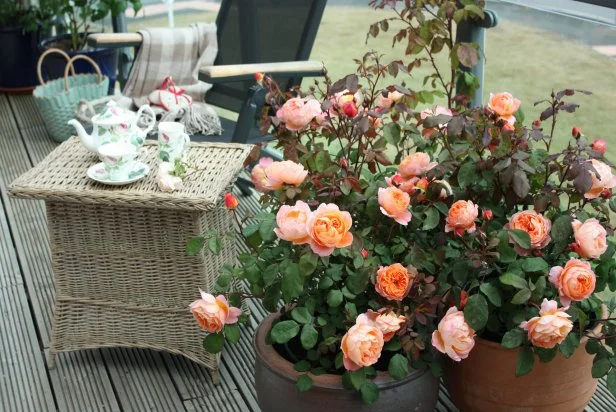
Credit: www.hgtv.com
Frequently Asked Questions
What Is A Rock Garden?
A rock garden features rocks as the primary landscaping element. It often includes small plants. These gardens mimic natural rocky landscapes. They’re ideal for plants that thrive in well-drained soil. Rock gardens offer unique aesthetic appeal. They require minimal maintenance compared to traditional gardens.
Can Roses Thrive In Rock Gardens?
Yes, roses can thrive in rock gardens. They need well-drained soil and adequate sunlight. Choose drought-resistant rose varieties for better success. Ensure proper spacing for air circulation. Regular watering and fertilizing are essential. Mulch can help retain soil moisture.
How Do You Prepare Soil For Roses?
Prepare soil by ensuring good drainage. Mix organic matter like compost into the soil. Test soil pH levels for optimal growth. Aim for slightly acidic to neutral soil. Remove rocks or debris from planting area. Ensure soil is loose for root development.
Which Rose Varieties Are Best For Rock Gardens?
Choose hardy and drought-tolerant rose varieties. Miniature roses are ideal for compact spaces. Ground cover roses spread well in rock gardens. Shrub roses offer resilience and beauty. Look for disease-resistant varieties for easy maintenance. Consult local nurseries for recommendations.
Conclusion
Planting roses in a rock garden can be a rewarding choice. With the right care, they thrive beautifully among stones. Choose the best rose variety suited for your climate. Ensure good drainage to prevent root rot. Regularly check soil moisture levels.
Pruning helps roses maintain health and bloom better. Sunlight is vital, so pick a sunny spot. Pests and diseases might appear; address them promptly. Enjoy the blend of vibrant blooms with rocky textures. With patience and attention, your rock garden can flourish with roses, adding beauty and charm to your outdoor space.







