Imagine stepping into your home and being greeted by the fresh, invigorating scent of basil, mint, or lavender. Picture yourself snipping a sprig of rosemary for your dinner, knowing it’s fresh, organic, and grown by you.
Growing an indoor herbal garden is not just a hobby; it’s a lifestyle choice that brings nature’s tranquility into your living space. You might think, “Isn’t gardening supposed to be complicated? ” But what if I told you it’s easier than you think?
With the right guidance, you can transform any corner of your home into a lush, green sanctuary. This isn’t just about plants; it’s about creating a space that enriches your senses and enhances your well-being. Ready to discover how to cultivate your own indoor oasis? Let’s dive in!

Credit: www.familyhandyman.com
Benefits Of Indoor Herbal Gardens
Growing an indoor herbal garden offers fresh herbs at your fingertips. It enhances air quality and boosts mood. Enjoy the convenience of cooking with home-grown ingredients.
Growing an indoor herbal garden offers a multitude of benefits that extend beyond just having fresh herbs at your fingertips. Not only can it enhance the flavor of your meals, but it also offers therapeutic benefits, contributes to better air quality, and can be a delightful hobby. Imagine having the luxury of picking fresh basil for your pasta or mint for your tea, all from the comfort of your home.Enhancing Culinary Experiences
Having fresh herbs on hand can transform a simple dish into a gourmet experience. The aroma of freshly picked rosemary can elevate a roast, while cilantro can add a vibrant touch to your tacos. Fresh herbs can inspire creativity in the kitchen, encouraging you to try new recipes and flavors.Improving Air Quality
Indoor plants, including herbs, are natural air purifiers. They absorb carbon dioxide and release oxygen, making your home environment healthier. Some herbs like lavender and peppermint can also help reduce indoor pollutants and improve air quality.Cost-effective And Sustainable
Growing your own herbs can save money in the long run. Instead of buying expensive packets of herbs that often go to waste, you can pick just what you need. It’s a sustainable choice that reduces the carbon footprint associated with transporting store-bought herbs.Therapeutic Benefits
Tending to plants can be a calming and rewarding activity. It provides a sense of accomplishment and reduces stress. The act of nurturing your garden can also improve your mood, offering a sense of connection to nature, even indoors.Educational Opportunities
An indoor herbal garden can be an excellent educational tool. If you have children, it’s a fun way to teach them about plant life cycles and sustainability. Watching the plants grow and learning how to care for them can be a valuable learning experience. Are you ready to start your indoor herbal garden? What herbs will you plant first?Choosing The Right Herbs
Selecting herbs for an indoor garden depends on light and space. Choose hardy options like basil, mint, or thyme for beginners. These herbs thrive indoors and enhance your cooking.
Choosing the right herbs is the first step to a thriving indoor herbal garden. Your selection can make all the difference in how successful your garden will be. With a little thought and planning, you can enjoy fresh herbs right at your fingertips year-round.Popular Herbs For Beginners
Starting with the right herbs can ease you into the process of growing your indoor garden. Basil, mint, and parsley are great choices for beginners. They are hardy, forgiving, and flourish indoors with minimal effort. Basil thrives in sunlight and can add flavor to many dishes. Mint is versatile and grows rapidly, perfect for teas and desserts. Parsley is rich in vitamins and can be harvested regularly, offering a continuous supply.Considerations For Herb Selection
When selecting herbs, consider the amount of light available in your space. Some herbs need full sunlight, while others do well with indirect light. Assess your space and choose accordingly. Think about the herbs you frequently use in your cooking. Growing what you love ensures that you’ll use your harvest. Also, consider the growth habits of the herbs; some, like mint, can spread aggressively and may need more room. Lastly, evaluate your commitment to maintaining your garden. Some herbs require regular attention, while others are more low-maintenance. Choose herbs that match your lifestyle to keep your gardening experience enjoyable.Essential Supplies And Tools
Creating an indoor herbal garden requires careful planning and the right supplies. Essential tools make gardening easier and more successful. From containers to lighting, each element plays a crucial role. Let’s explore what you need to start your indoor herbal garden.
Containers And Pots
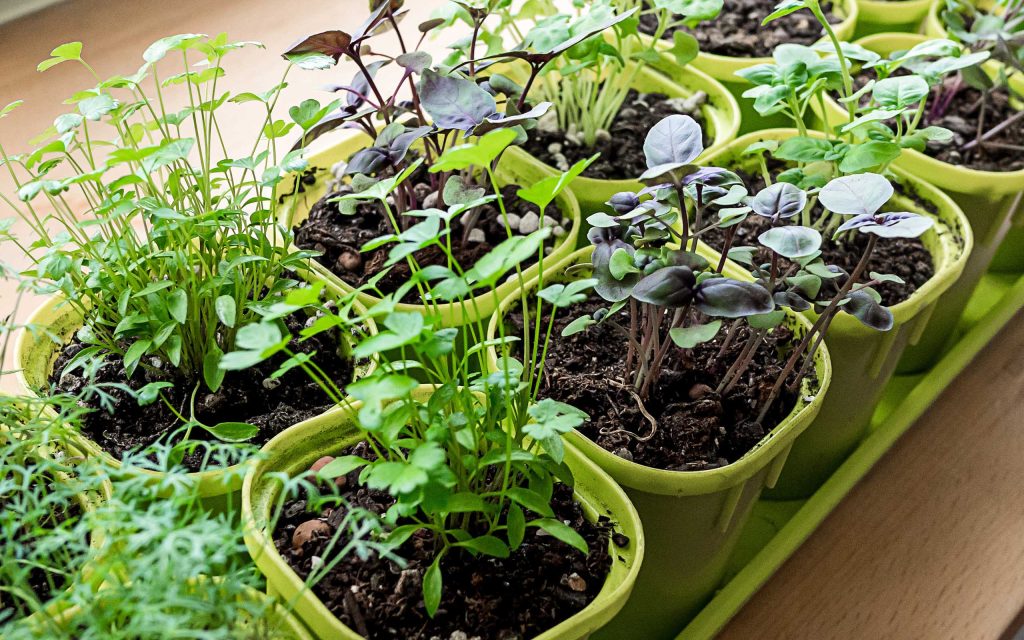
Choosing the right containers is vital for healthy herb growth. Pots should have drainage holes to prevent waterlogging. Use ceramic, plastic, or clay pots. Hanging baskets can save space. For small herbs, opt for smaller pots.
Soil And Fertilizers
Quality soil is the foundation for strong plants. Use well-draining potting soil. A mix with peat moss or perlite works well. Fertilizers provide nutrients. Organic options are best for herbs. Feed your plants monthly for vibrant growth.
Lighting Options
Herbs need light to thrive. Natural sunlight is ideal. Place pots near windows. Supplement with grow lights during cloudy days. LED lights are energy-efficient. Ensure your herbs get 12 hours of light daily.
Planting And Care Techniques
Create an indoor herbal garden with simple planting and care techniques. Choose herbs like basil, mint, and rosemary. Ensure they receive sufficient sunlight and regular watering for optimal growth.
Growing an indoor herbal garden can transform your home into a lush oasis. Understanding planting and care techniques ensures your herbs thrive. Each step plays a crucial role in maintaining the health and vigor of your plants.Proper Planting Methods
Start by choosing the right pots for your herbs. Ensure the pots have drainage holes. This prevents water from pooling and causing root rot. Use quality potting soil, as herbs need nutrients to grow well. Plant seeds or seedlings at the recommended depth. This helps them establish strong roots. Place the pots in a location with adequate sunlight. Most herbs need sunlight to thrive.Watering And Maintenance
Water your herbs regularly, but avoid overwatering. Check the soil’s moisture level before watering. If the top inch is dry, it’s time to water. Use a spray bottle for delicate leaves. This prevents damage from heavy water drops. Monitor your plants for signs of pests. Neem oil can help control common indoor pests.Pruning And Harvesting
Regular pruning encourages healthy growth. Trim your herbs to remove dead leaves and stems. This allows more light to reach healthy parts. Harvest herbs when they reach a suitable height. Cut the stems just above a leaf node. This promotes new growth and keeps your plants lush. Store harvested herbs in a cool, dry place. Dry them thoroughly before using them in your favorite recipes.Troubleshooting Common Issues
Growing an indoor herbal garden often faces common challenges. Ensure adequate light for herbs to thrive. Address overwatering by checking soil moisture regularly and adjusting watering habits.
Growing an indoor herbal garden is rewarding, but challenges arise. Troubleshooting common issues ensures your herbs stay healthy and vibrant. Let’s explore solutions for typical problems you might encounter.Pest Control Strategies
Pests can invade indoor gardens, harming your herbs. Regularly inspect plants for signs of insects. Use a magnifying glass to spot tiny bugs. Introduce natural predators like ladybugs if possible. They eat harmful pests without damaging your herbs. Create a homemade insecticidal soap spray. Mix water with a few drops of dish soap. Spray on leaves to deter pests. Keep your garden area clean. Remove fallen leaves and debris to prevent pest breeding.Dealing With Mold And Mildew
Mold and mildew thrive in damp conditions. Ensure proper air circulation around your plants. Use a small fan to improve airflow if needed. This helps prevent moisture buildup. Water your herbs in the morning. This allows leaves to dry during the day. Check for mold on soil and leaves. Remove affected parts immediately. Mix baking soda with water to create an anti-fungal spray. Apply lightly on plants to combat mildew.Maximizing Your Herb Garden Space
Growing an indoor herbal garden can save space and provide fresh herbs year-round. Small pots or vertical planters work well in limited areas. Optimize light exposure by placing plants near windows or using grow lights.
Maximizing Your Herb Garden Space Growing an indoor herb garden offers many benefits. Fresh herbs add flavor to your meals and improve your space. With limited room, efficient use of space is crucial. Maximizing your garden space ensures healthy growth and abundant harvests.Vertical Gardening Ideas
Vertical gardening saves space and adds visual appeal. Use wall-mounted planters to keep herbs off the ground. Hanging baskets work well for trailing herbs like thyme and oregano. Shelves provide layers for different herb varieties. They create more planting area. Leaning ladders can hold multiple pots vertically. This approach fits in small corners.Creative Space Utilization
Think beyond traditional pots. Use windowsills for sun-loving herbs. Mason jars make stylish containers for small herbs. Stackable pots allow for tiered planting. A kitchen counter can host small herb boxes. Consider under-utilized spaces like above cabinets or bookshelves. Repurpose items like tin cans or teacups for unique planters. These creative choices maximize your indoor garden space.Incorporating Herbs Into Daily Life
Growing an indoor herbal garden enriches your home with fresh flavors and aromas. Choose sunny spots for pots or containers. Regular watering and proper drainage ensure healthy plants. Basil, mint, and thyme thrive indoors, offering year-round culinary delight. Enjoy the convenience of having herbs at your fingertips.
Incorporating herbs into your daily life can enhance your well-being. Fresh herbs offer vibrant flavors and aromas. They can boost health and make your home more inviting. Let’s explore how to use herbs daily.Culinary Uses
Herbs can transform ordinary meals. Basil adds zest to pasta and pizza. Sprinkle fresh parsley on salads for a burst of flavor. Mint leaves can refresh drinks and desserts. Rosemary pairs well with roasted meats and vegetables. Herbs can be a delightful part of every dish.Medicinal Applications
Herbs can support your health naturally. Chamomile tea may soothe an upset stomach. Lavender oil can help relax your mind and body. Echinacea boosts the immune system. Aloe vera gel can heal minor burns and cuts. Many herbs offer gentle, natural remedies.Crafting And Aromatherapy
Herbs can enhance your crafting projects. Use dried lavender in sachets for a calming scent. Rosemary wreaths can add a fragrant touch to your decor. Essential oils from herbs are perfect for aromatherapy. They can uplift your mood and promote relaxation. Herbs bring creativity and calm into your home.
Credit: goebbertspumpkinfarm.com
Expert Tips For Success
Cultivate a thriving indoor herbal garden by choosing the right plants for your space. Ensure proper light and ventilation to keep herbs healthy. Regular watering and pruning help maintain growth and flavor.
Growing an indoor herbal garden brings joy and fresh flavors to your home. Herbs are easy to grow and offer a fragrant touch to indoor spaces. Success depends on understanding key practices. Here are expert tips to help your garden thrive.Insights From Experienced Gardeners
Experienced gardeners stress the importance of choosing the right spot. Herbs love sunlight. Place them where they get at least six hours of sun each day. Windowsills or balconies are ideal. Watering is crucial. Overwatering can harm your plants. Check the soil before watering. It should be dry to the touch. Use well-draining pots to prevent root rot. Select the right herbs for your space. Some herbs, like basil and mint, grow well indoors. They adapt to different light conditions. Consider your cooking needs. Plant herbs you use often. This ensures you get the most benefit.Mistakes To Avoid
Avoid planting herbs too close together. They need space to grow. Crowded plants compete for nutrients. This can stunt their growth. Use separate pots for each herb if space allows. Do not ignore pests. Indoor gardens can attract bugs. Check plants regularly for signs of pests. Use natural remedies to protect your herbs. Neem oil is a safe option. Avoid using garden soil. It can be heavy and may contain pests. Opt for a light potting mix. It ensures good drainage and provides nutrients. By following these tips, your indoor herbal garden will flourish. Enjoy the fresh taste and aroma of home-grown herbs every day.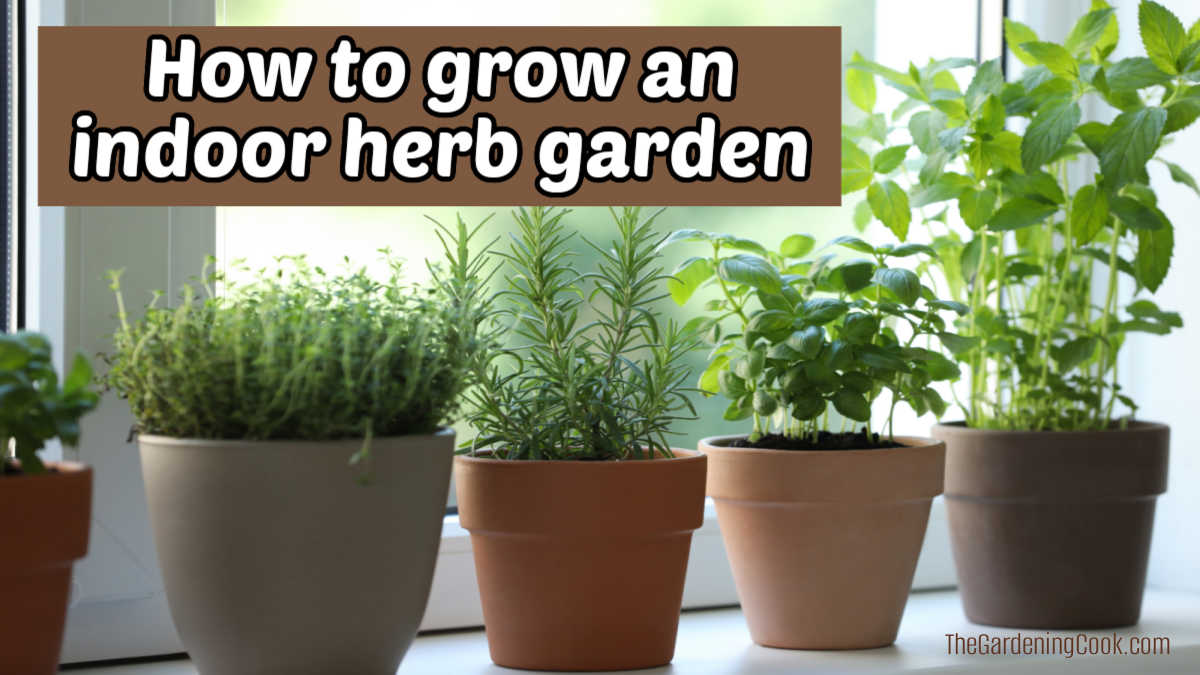
Credit: thegardeningcook.com
Frequently Asked Questions
What Herbs Can Be Grown Indoors?
You can grow herbs like basil, rosemary, mint, and thyme indoors. These herbs thrive with proper sunlight and regular watering. Choose pots with good drainage and ensure they receive adequate light. Indoor herbal gardens offer fresh flavors all year round, enhancing your culinary experiences with homegrown goodness.
How Much Sunlight Do Indoor Herbs Need?
Most indoor herbs need about 6 to 8 hours of sunlight daily. Place them near a sunny window or use grow lights if necessary. Ensure they get adequate light for healthy growth. Adjust their position according to seasonal sunlight changes to maximize exposure.
Can I Use Regular Soil For Indoor Herbs?
Using regular garden soil for indoor herbs is not recommended. Instead, use potting mix designed for containers. Potting mix provides better drainage and aeration. It helps prevent waterlogging and root rot. You can also add organic matter to enhance nutrient content.
How Often Should I Water Indoor Herbs?
Indoor herbs typically need watering once or twice a week. Check the soil moisture before watering. Ensure the soil is dry a couple of inches below the surface. Avoid overwatering as it can lead to root rot. Adjust watering frequency based on humidity and light conditions.
Conclusion
Growing an indoor herbal garden is simple and rewarding. You enjoy fresh herbs all year round. Start with easy-to-grow herbs like basil and mint. Ensure they get enough light and water. Use quality soil for better growth. Regular trimming keeps your plants healthy.
Experiment with different herbs to suit your taste. Indoor gardening can be a relaxing hobby. Plus, it adds greenery to your home. Remember, practice makes perfect. Keep learning and adjusting as needed. Soon, you’ll have a flourishing indoor herbal garden.
Happy gardening!