Imagine walking into your kitchen and plucking fresh basil or rosemary right from your very own indoor herb garden. Sounds delightful, doesn’t it?
Growing an herb garden indoors is not just a way to enhance your culinary adventures; it’s also a fantastic way to add a touch of nature to your home. Whether you’re a seasoned gardener or a complete beginner, you can create a thriving herb garden right inside your living space.
In this guide, you’ll discover the simple, step-by-step process to grow your own lush and aromatic herbs indoors. We’ll break down each step in a way that’s easy to follow, ensuring that by the end, you have a fragrant and flourishing herb garden to be proud of. Dive into the world of indoor gardening and let your culinary creativity blossom with the freshest ingredients at your fingertips. Ready to transform your home and elevate your cooking? Let’s get started!
Benefits Of Indoor Herb Gardening
Indoor herb gardening offers fresh flavors and convenience. Growing an herb garden indoors is simple and rewarding. Enjoy fresh herbs year-round with minimal space and effort.
Growing an herb garden indoors offers many benefits. It provides fresh herbs at your fingertips. This enhances your cooking and saves money. Indoor herb gardens bring nature inside your home. They improve air quality and add a touch of greenery. They also offer a rewarding hobby and can relieve stress. Let’s explore the advantages of having an indoor herb garden in more detail.Freshness And Flavor
Having fresh herbs available enhances any dish. They taste better than dried herbs. The flavors are more vibrant and aromatic. Fresh herbs can make your meals stand out. They also encourage healthier eating. Fresh ingredients often lead to more nutritious meals.Convenience
Indoor herb gardens provide herbs year-round. You don’t need to run to the store. Just pick what you need from your kitchen. This convenience saves time and effort. It’s handy, especially during bad weather or late-night cooking.Cost-effectiveness
Buying fresh herbs can be expensive. Growing them indoors saves money. Seeds and small plants are affordable. They grow quickly, providing a continuous supply. This reduces grocery bills over time.Improved Air Quality
Plants improve indoor air quality. They absorb carbon dioxide and release oxygen. Some herbs even filter harmful chemicals. This makes your home environment healthier. Cleaner air leads to better well-being.Stress Relief
Gardening is known to reduce stress. It offers a break from everyday worries. Tending to plants can be meditative. It provides a sense of accomplishment. Watching your herbs grow is rewarding.Educational And Fun
Indoor herb gardening is educational. It teaches about plant growth and care. It’s a fun activity for families and children. It encourages responsibility and patience. Plus, it’s a great way to spend free time.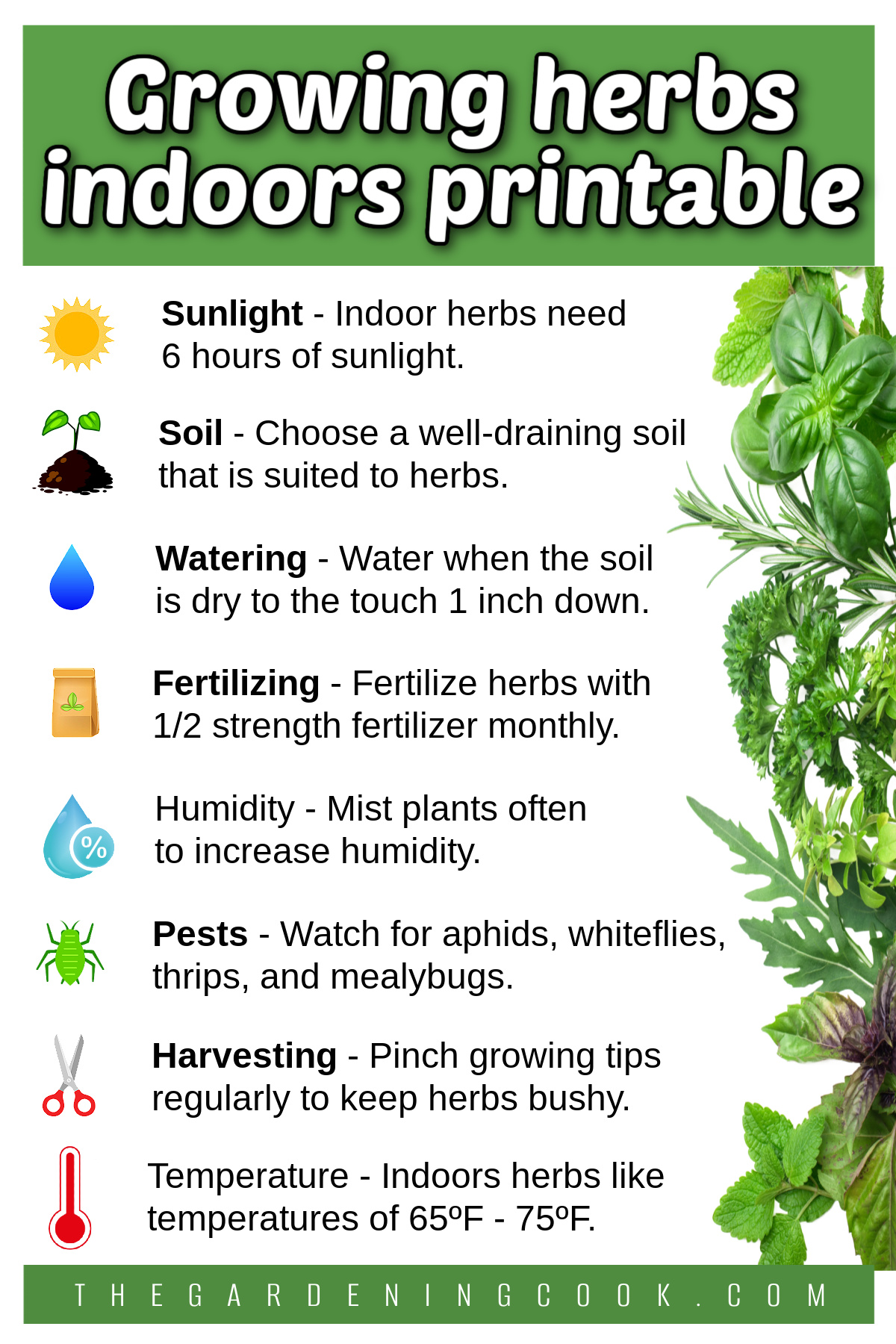
Credit: thegardeningcook.com
Choosing The Right Herbs
Starting an indoor herb garden is a delightful endeavor. It adds fresh flavors to your meals and improves your indoor air quality. Choosing the right herbs is essential for a thriving garden. Selecting herbs that match your needs and environment can simplify the process.
Easy-to-grow Varieties
Some herbs are perfect for beginners due to their resilience and low maintenance. Consider these easy-to-grow varieties:
- Basil:Needs sunlight and regular watering.
- Mint:Grows quickly and requires minimal care.
- Chives:Prefers bright light and can be harvested often.
These herbs adapt well indoors. They are forgiving to minor care mistakes.
Culinary And Medicinal Uses
Herbs offer both culinary and medicinal benefits. They enhance dishes and support health.
- Rosemary:Excellent for meats and aids digestion.
- Thyme:Adds flavor to soups and can soothe coughs.
- Oregano:Perfect for pizzas and acts as an antioxidant.
Choosing herbs with dual purposes maximizes your garden’s utility.
Selecting Containers And Pots
Choosing the right containers is vital for indoor herb gardens. Opt for pots with good drainage to prevent waterlogging. Consider the size of the plant to ensure room for growth.
Selecting the right containers and pots is an essential step in your indoor herb garden journey. The choice you make can impact the growth, health, and aesthetics of your herbs. Think about how each container will fit into your space and contribute to the overall look of your garden. Your herbs deserve a home that not only supports their growth but also complements your interior style. Let’s dive into the details of container selection.Material Options
When choosing materials for your pots, consider both function and style. Clay pots are popular because they are breathable, allowing excess moisture to evaporate. This helps prevent root rot, a common issue with indoor plants. Plastic pots are lightweight and retain moisture longer, which is ideal if you live in a dry climate. They come in a variety of colors and styles, providing flexibility in design. Consider using ceramic pots for a more decorative option, but be aware they can be heavy and may not have drainage holes.Size Considerations
Size matters when selecting pots for your herbs. A pot that’s too small can restrict root growth, leading to poor plant health. A general rule is to choose a pot that’s at least 6 inches deep and wide enough to accommodate the plant’s growth. If you plan to grow multiple herbs in one container, ensure there’s enough space for each plant. This prevents overcrowding, which can lead to competition for nutrients and water. Always ensure your pots have drainage holes to prevent water from pooling at the bottom, which can harm your plants.Optimal Soil And Fertilizers
Choosing the right soil and fertilizers is crucial for a thriving indoor herb garden. Use well-draining soil with organic matter to support growth. Select fertilizers rich in nutrients to nourish herbs effectively.
Growing an herb garden indoors is a rewarding experience, but choosing the right soil and fertilizers is crucial for success. The soil acts as the foundation, providing the necessary support and nutrients for your herbs to thrive. Fertilizers supplement these nutrients, ensuring your plants receive all they need to grow lush and healthy. Let’s explore how to make the best choices for your indoor herb garden.Organic Vs. Conventional
When it comes to soil and fertilizers, you have a choice between organic and conventional options. Organic soil is composed of natural ingredients like compost, peat moss, and aged bark. It not only promotes healthy plant growth but also supports the ecosystem by enhancing soil biodiversity. Conventional soil, on the other hand, often contains synthetic additives. These might offer quicker results but may not be as sustainable in the long run. If you’re conscious about the environment and the purity of your herbs, organic might be the way to go. Fertilizers also come in both organic and conventional forms. Organic fertilizers, such as fish emulsion or seaweed extract, provide a slow release of nutrients and improve soil health over time. Conventional fertilizers can offer immediate nutrient boosts but may lead to salt buildup in the soil, affecting plant health.Essential Nutrients
Your herbs need a variety of nutrients to flourish. The primary nutrients are nitrogen (N), phosphorus (P), and potassium (K), often referred to as NPK. These nutrients support leaf growth, root development, and overall plant vitality. In addition to NPK, micronutrients like calcium, magnesium, and sulfur are equally important. They play a vital role in the plant’s metabolic processes and help strengthen its defense against diseases. To ensure your soil is nutrient-rich, consider adding a balanced organic fertilizer. This can be done every few weeks to maintain the nutrient levels. Check the nutrient content on the fertilizer packaging to match the needs of your specific herbs. Have you ever noticed your herbs looking a bit dull or yellowing? This could be a sign they are lacking nutrients. Regularly monitoring your plants and adjusting your fertilizer routine can keep them in top shape. Remember, the key to a thriving indoor herb garden is in the soil and nutrients you provide. Making informed choices in these areas can lead to a bountiful harvest and a more enjoyable gardening experience.Lighting Requirements
Lighting is crucial for growing a healthy indoor herb garden. Without proper light, herbs struggle to thrive and may become weak or leggy. Understanding the right lighting can make all the difference. Let’s explore natural and artificial lighting options to help your herbs flourish indoors.
Natural Light Sources
Natural light is ideal for growing herbs indoors. Position your herbs near south-facing windows. These windows receive the most sunlight during the day. East and west-facing windows work too, but may need extra light. Rotate your plants regularly to ensure even growth. Clean windows help maximize light exposure. Dust can block out essential sunlight.
Artificial Lighting Solutions
Artificial lights can supplement or replace natural light. Fluorescent lights are a popular choice for indoor gardens. They provide a good spectrum of light and are energy efficient. LED grow lights are another option. They use less energy and last longer. Place lights 6-12 inches above the herbs. Use a timer to simulate natural daylight hours. Aim for 12-16 hours of light each day.
Credit: thegardeningcook.com
Watering Techniques
Watering is crucial for a thriving indoor herb garden. Proper techniques ensure your herbs get the right amount of moisture. Understanding when and how much to water prevents common issues. Let’s explore effective watering strategies to help your herbs flourish.
Frequency And Amount
Herbs have different watering needs. Some prefer drier soil, others need more moisture. Research your specific herbs’ requirements. Generally, water when the top inch of soil feels dry. This prevents roots from sitting in water, which can cause rot.
Use a watering can with a narrow spout. It helps direct water to the plant’s base. Avoid wetting the leaves. Too much water on leaves can lead to fungal diseases.
Signs Of Overwatering
Overwatering is a common mistake. Look for yellowing leaves. It’s a typical sign of excess water. Wilting can also occur. Check the soil. If it’s constantly wet, reduce watering frequency.
Mold on the soil surface? It’s another overwatering indicator. Ensure pots have drainage holes. They help excess water escape. Adjust watering habits based on these signs to maintain healthy plants.
Temperature And Humidity
Maintaining the right temperature and humidity is crucial for indoor herb gardens. Herbs thrive in temperatures between 65-75°F. Humidity levels around 40-50% help prevent wilting and ensure healthy growth.
Growing an herb garden indoors is a delightful endeavor, offering fresh flavors and aromas right at your fingertips. However, to ensure your herbs thrive, understanding the nuances of temperature and humidity is crucial. These factors significantly influence the growth and health of your indoor plants.Ideal Conditions
Your indoor herb garden will flourish in a stable environment. Most herbs prefer temperatures between 65°F and 75°F during the day. Nighttime temperatures can be slightly cooler, mimicking natural conditions. Humidity is another critical factor. Herbs generally thrive in a relative humidity of around 40% to 50%. If your home’s air is too dry, it can stress the plants and hinder their growth.Adjusting Indoor Climate
Adjusting your indoor climate to suit your herbs can be straightforward. Consider placing a small humidifier near your plants if the air feels dry. This can help maintain an optimal humidity level. On the flip side, if your home is too humid, using a dehumidifier can help create a balanced environment. You can also improve air circulation by opening windows or using a fan, which can prevent mold and mildew. Temperature control might involve moving your herb garden to a different spot in your home. Perhaps the kitchen gets too hot, but a living room corner is just right. Always pay attention to how your herbs respond to their environment. Is there a particular window where your herbs seem happier? Observing these details can make all the difference in growing a successful indoor herb garden.
Credit: goebbertspumpkinfarm.com
Pest Control Strategies
Managing pests is crucial for a thriving indoor herb garden. Start by selecting pest-resistant herb varieties. Keep your plants healthy with proper watering and sunlight. Regularly inspect leaves for signs of pests like aphids or spider mites. Use natural repellents like neem oil or insecticidal soap to address infestations.
Growing an herb garden indoors is a rewarding endeavor, but it can present challenges, particularly when it comes to keeping pesky intruders at bay. Indoor pests can sneak into your lush sanctuary, threatening the health and vitality of your plants. Knowing effective pest control strategies is essential to maintaining a thriving herb garden. Whether you are a seasoned gardener or just starting, understanding common indoor pests and employing natural remedies can save your herbs from an unexpected invasion.Common Indoor Pests
Indoor gardens are susceptible to several types of pests. Aphids are tiny insects that can cluster on the underside of leaves, sucking the sap and causing wilting. Spider mites are another common pest, leaving behind web-like structures and yellow spots on leaves. Fungus gnats are particularly annoying, as they lay eggs in the soil, causing root damage. Whiteflies can also be a nuisance, flying around and weakening your plants by extracting sap. Have you noticed any of these critters lurking in your garden? Identifying the pest is the first step in managing them effectively.Natural Remedies
Before reaching for chemical solutions, consider natural remedies that can be both effective and environmentally friendly. Neem oil is a powerful option, known for its ability to disrupt the life cycle of many pests. Simply mix it with water and spray directly onto affected leaves. Another option is using diatomaceous earth, which is safe for humans but deadly for pests. Sprinkle it on the soil or directly on plants. Garlic spray can deter aphids and spider mites due to its pungent aroma. Crush garlic cloves, mix with water, and spray liberally. Have you ever tried using companion planting? Herbs like basil and mint can naturally repel certain pests when placed near vulnerable plants. These strategies not only protect your garden but also ensure that your herbs remain safe for consumption. What’s your favorite method to keep pests at bay in your indoor oasis?Harvesting And Storage
Harvest herbs at their peak for best flavor. Use scissors to snip leaves and stems carefully. Store harvested herbs in airtight containers or freeze them to preserve freshness.
Harvesting your indoor herb garden is an exciting step. It marks the culmination of your nurturing efforts. Proper harvesting ensures herbs remain healthy and productive. Understanding the best harvesting and storage practices is crucial. This will keep your herbs fresh and flavorful for longer periods.Best Harvesting Practices
Harvest herbs in the morning. This is when their oils are most concentrated. Use sharp scissors or pruning shears. Cut just above a leaf node to encourage growth. Avoid stripping a plant bare. Leave at least one-third of the plant intact. This helps the plant recover and continue growing. Regular trimming can boost growth and leaf production.Preservation Methods
Different preservation methods suit different herbs. Some herbs dry well, while others prefer freezing.- Drying:Gather small bunches of herbs. Hang them upside down in a dry, dark place. Once dry, store them in airtight containers.
- Freezing:Chop herbs and place them in ice cube trays. Fill with water or oil and freeze. These cubes are perfect for soups and stews.
- Storing Fresh:Wrap fresh herbs in a damp paper towel. Place them in a plastic bag and refrigerate. Use within a week for the best flavor.
Troubleshooting Common Issues
Indoor herb gardens face common issues like poor light and overwatering. Ensure adequate light and proper watering techniques. Use well-draining soil and pots with holes. Regularly check for pests and adjust humidity levels to maintain healthy growth.
Troubleshooting Common Issues Growing an herb garden indoors can be a rewarding experience, but it’s not without its challenges. You might encounter issues that can hinder the growth and health of your plants. Knowing how to address these problems is key to maintaining a thriving garden.Growth Problems
Sometimes, your herbs might not grow as expected. If your plants are leggy, it could be due to insufficient light. Consider placing them near a south-facing window or using a grow light. Yellowing leaves often indicate overwatering. Ensure your pots have good drainage, and allow the topsoil to dry out between waterings. If herbs aren’t growing at all, check the temperature. Most herbs prefer a warm environment, so avoid placing them near drafts or air conditioning vents.Disease Management
Diseases can quickly spread in an indoor garden if not addressed. Powdery mildew is a common issue, often caused by high humidity. Improve air circulation by spacing plants apart and using a small fan. Root rot is another problem that arises from poor drainage. Use pots with holes and a well-draining soil mix to prevent water from sitting at the bottom. Pests like aphids can also be troublesome. Regularly inspect your plants and remove any pests manually or with a gentle spray of water. You can also try natural remedies like neem oil for more persistent infestations. Don’t let these issues discourage you. What steps will you take to ensure your indoor herb garden thrives?Frequently Asked Questions
How Do I Start An Indoor Herb Garden?
Begin by selecting herbs suited for indoor growing like basil, mint, or parsley. Use containers with drainage holes and quality potting soil. Place them in a sunny spot or use grow lights. Water them regularly but avoid overwatering. Regularly prune and harvest to encourage growth.
What Herbs Grow Best Indoors?
Herbs like basil, mint, rosemary, thyme, and parsley thrive indoors. They require sunlight, well-drained soil, and regular watering. Choose herbs based on your cooking needs and available space. Consider using grow lights if natural sunlight is limited. Regular pruning will help maintain their health.
How Much Light Do Indoor Herbs Need?
Indoor herbs need at least 6-8 hours of light daily. Place them near a south-facing window for optimal sunlight. If natural light is insufficient, use grow lights to supplement. Adjust the light source to prevent overheating. Rotate the plants occasionally for even exposure.
How Often Should I Water Indoor Herbs?
Water indoor herbs when the top inch of soil feels dry. Overwatering can lead to root rot. Use pots with drainage holes to prevent waterlogging. Adjust watering frequency based on humidity and temperature. During cooler months, herbs may require less frequent watering.
Conclusion
Growing an indoor herb garden is simple and rewarding. Follow the steps, and soon you’ll have fresh herbs at home. Choose a sunny spot, use good soil, and water wisely. Watch your herbs thrive with care and attention. Enjoy fresh flavors in your cooking.
Share your herbs with friends and family. Gardening indoors can be fun and relaxing. Start today and experience the joy of growing your own herbs. Your kitchen will smell amazing, and your meals will taste even better. Happy gardening!







