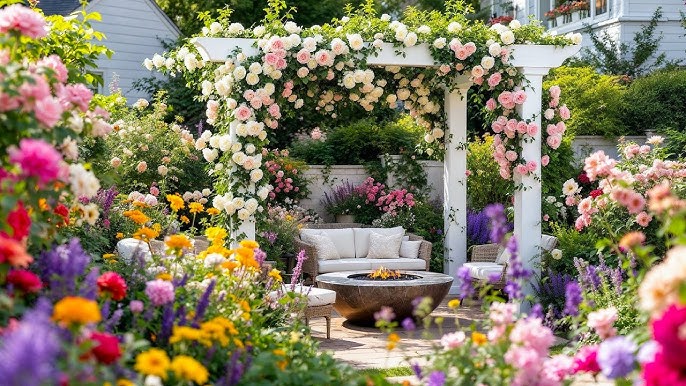
Imagine stepping out into your backyard and being greeted by a burst of colors and textures that change with the seasons. Designing a perennial garden can transform your outdoor space into a stunning oasis that returns year after year with minimal effort.
You’re about to discover how to create a garden that not only looks beautiful but also flourishes with ease. Are you tired of replanting every spring or struggling to maintain a garden that doesn’t quite meet your expectations? You’re not alone.
Many garden enthusiasts, like you, long for a solution that combines beauty with sustainability. That’s where a perennial garden comes in. With the right planning and a little creativity, you can enjoy a vibrant garden that practically takes care of itself. In this guide, you’ll learn the secrets to designing a perennial garden that suits your space and lifestyle. From choosing the perfect plants to arranging them for maximum impact, you’re about to unlock the potential of your garden in a way that’s both exciting and rewarding. Ready to turn your gardening dreams into reality? Let’s dig in!
Choosing The Right Location
Choosing the right location for your perennial garden is vital. A well-selected spot ensures your plants thrive. It also enhances the garden’s beauty. Consider sunlight, soil, and water access when selecting the location. Each element plays a crucial role in your garden’s success.
Assessing Sunlight And Shade
Sunlight is essential for growth. Observe your garden space throughout the day. Identify areas that receive full sun or partial shade. Most perennials need at least six hours of sunlight. Some prefer shade, like ferns and hostas. Choose plants according to the sunlight in your garden.
Evaluating Soil Conditions
Healthy soil nurtures strong plants. Test the soil for its texture and pH level. Sandy soil drains quickly, while clay holds moisture. Perennials thrive in well-drained, fertile soil. Add organic matter to improve soil quality. Adjust the pH level if needed, using lime or sulfur.
Considering Water Access
Water is a key element for plant health. Ensure your garden is near a water source. This makes watering easy and effective. Consider installing a drip irrigation system. It conserves water and provides steady moisture. Proper water access helps your perennials flourish.
Selecting Perennial Plants
Choosing the right perennial plants is key to a vibrant garden. Consider bloom times, colors, and plant heights for variety. Mix textures and shapes to create a dynamic, year-round display.
Selecting the right perennial plants is crucial for a thriving garden. Perennials return year after year, offering consistent beauty. Choosing the right ones ensures a stunning display. You must consider various factors to create a harmonious garden. These include plant hardiness, color, texture, and bloom times.Understanding Plant Hardiness
Plant hardiness refers to a plant’s ability to survive in a specific climate. Each plant has a hardiness zone, indicating its temperature tolerance. Check your local hardiness zone before selecting plants. This ensures plants can thrive in your garden’s climate. Choose plants that match your zone for better success.Choosing Varieties For Color And Texture
Color and texture add depth to your garden. Select plants with varying shades and textures. This creates visual interest throughout the seasons. Consider leaf shapes, flower colors, and plant height. Mix bold colors with subtle tones for balance. Texture can come from leaves, stems, and flowers.Considering Bloom Times
Staggered bloom times keep your garden colorful year-round. Choose plants that bloom in different seasons. Early spring, summer, and fall blooms ensure constant interest. Note the bloom duration of each plant. This helps maintain a continuous display of flowers. Plan carefully for a vibrant garden throughout the year.Designing The Garden Layout
Design a perennial garden by choosing plants that bloom in different seasons. Arrange taller plants in the back and shorter ones in the front. Consider sunlight and soil needs for each plant to ensure a thriving garden.
Designing a garden layout requires creativity and planning. It sets the foundation for your perennial garden. A well-thought-out layout enhances the beauty and harmony of the space. It ensures that each plant receives the care it needs. Below are key elements to consider when designing your garden layout.Creating Focal Points
Focal points draw the eye and create interest. Choose a striking plant or feature as your centerpiece. A sculpture, birdbath, or vibrant flower bed can serve as a focal point. Position it where it can be seen from different angles. This adds depth and dimension to your garden. Use contrasting colors around the focal point to make it stand out.Incorporating Pathways And Borders
Pathways guide movement through the garden. They define spaces and direct visitors. Choose materials like gravel, stone, or wood for pathways. Ensure they are wide enough for easy navigation. Borders help separate garden sections. They can be formed with low hedges or flower beds. Borders add structure and keep the garden tidy.Balancing Heights And Layers
Height variation adds visual interest. Taller plants can create a backdrop or privacy screen. Medium-height plants should be placed in the middle. Short plants go at the front for easy viewing. Layering plants creates depth. It ensures that all plants receive sunlight. Use different plant textures for a rich, varied look. Balance is key to a harmonious garden design.:strip_icc()/BHG-Hagedorn-Garden-Bed-in-Bloom-82WOcOJAq0g8t6iABDtEtk-158c01809b724583b583c9e09e4ff817.jpg)
Credit: www.bhg.com
Preparing The Soil
Preparing the Soil Prepare the soil by removing weeds and debris. Mix in compost to enrich it with nutrients. Ensure proper drainage to prevent waterlogging. This creates a healthy base for your perennial garden.
Designing a perennial garden is an exciting venture that promises beauty year after year. However, the secret to a thriving garden lies in how well you prepare the soil. The foundation you lay in your garden bed directly affects the health and vitality of your plants. So, how do you set the stage for your perennials to flourish? Let’s dive into the essentials of soil preparation.Testing Soil Ph
Understanding the pH of your soil is crucial. It tells you whether your soil is acidic, neutral, or alkaline. Most perennials thrive in a slightly acidic to neutral pH range. You can easily test your soil using a home test kit or by sending a sample to a local extension service. Once you know your soil’s pH, adjust it if necessary. If your soil is too acidic, adding lime can help balance it. On the other hand, if it’s too alkaline, incorporating sulfur might be needed. Remember, the right pH levels ensure your plants can absorb nutrients effectively.Improving Soil Quality
Quality soil is rich in nutrients and has good drainage. Start by removing any rocks or debris from your garden bed. Then, consider adding organic matter such as compost or well-rotted manure. These additions improve soil texture and boost nutrient content. If your soil is heavy clay, adding sand or peat moss can enhance drainage. Conversely, if it’s sandy, organic matter helps retain moisture. Think of this process as giving your garden a nutritious meal that sets the stage for healthy growth.Mulching Techniques
Mulching is a game-changer for soil health. It helps retain moisture, suppress weeds, and regulate soil temperature. Organic mulches like shredded bark or straw are ideal for perennial gardens. They break down over time, adding nutrients back into the soil. Apply mulch in a layer about 2-3 inches thick around your plants. Be sure to leave a gap around the stem to prevent rot. Have you noticed that mulched gardens look tidier and more polished? It’s a bonus perk that enhances the aesthetic of your garden while improving soil quality. When you prepare your soil thoughtfully, you’re setting your perennial garden up for success. What steps will you take to ensure your soil is as inviting as possible for your plants?Planting Techniques
Creating a perennial garden requires thoughtful planting techniques. These techniques ensure healthy growth and vibrant displays. Proper planting forms the backbone of a flourishing garden. Each plant has unique needs and characteristics. Attention to detail is crucial for long-term success.
Spacing And Depth Considerations
Space plants according to their mature size. Avoid crowding to prevent competition for resources. This allows air circulation and reduces disease risk. Planting depth matters too. Place roots at the right depth for stability. Follow planting guides for specific species.
Grouping For Visual Impact
Group plants with similar colors for a cohesive look. Use contrasting foliage for added texture. Consider plant height and blooming time. This ensures continuous interest throughout seasons. Create layers by placing taller plants at the back. Shorter plants should fill the front.
Transplanting Tips
Transplant perennials during cooler months. This reduces stress on the plants. Water thoroughly before and after moving. Dig wide and deep to protect roots. Trim damaged roots to encourage new growth. Mulch around the base to retain moisture. Monitor for any signs of transplant shock.
Maintenance And Care
Designing a perennial garden requires regular maintenance and care. Prune plants to encourage growth and remove dead leaves. Consistent watering and mulching can help retain soil moisture.
Designing a perennial garden is an exciting journey. Yet, maintaining its beauty requires dedication. Maintenance and care are crucial for a flourishing garden. This involves regular watering, pruning, and fertilizing. Each task ensures your plants remain vibrant and healthy. Let’s explore these essential care techniques.Watering Schedules
Watering is vital for plant health. Check the soil moisture regularly. Perennials usually need about one inch of water per week. Early morning watering is best. It minimizes evaporation. Use a soaker hose for deep watering. This helps roots grow strong and deep.Pruning And Deadheading
Pruning keeps your garden tidy. It encourages new growth. Remove any dead or diseased stems. Deadheading spent flowers promotes blooming. Use clean, sharp tools to avoid plant damage. Prune in early spring or late fall. Be gentle with young plants.Fertilizing Strategies
Fertilizing boosts plant growth. Use organic compost for best results. Apply a balanced fertilizer in spring. Follow package instructions carefully. Too much fertilizer can harm plants. Slow-release fertilizers provide steady nutrients. This keeps your garden thriving all season.Seasonal Adjustments
Designing a perennial garden requires attention to seasonal adjustments. Each season brings unique challenges and opportunities for your garden. Understanding how to adapt your garden to seasonal changes ensures its health and vibrancy year-round.
Handling Seasonal Changes
Perennials thrive with proper care throughout the year. Adjust your watering schedule based on the season. During dry summer months, increase watering frequency. In rainy periods, reduce it to prevent root rot. Consider seasonal plant needs for pruning and fertilization. Some perennials need less fertilizer in winter.
Winterizing The Garden
Winter poses risks for perennials due to frost and cold winds. Protect your plants by adding mulch around their base. Mulch insulates roots and retains moisture. Use frost cloths for delicate plants. Ensure they are well-secured to prevent wind damage. Cut back dead foliage to prevent pests.
Spring Preparation
Spring is ideal for rejuvenating your perennial garden. Start by cleaning up winter debris. Remove dead plant material and fallen leaves. This reduces disease risk. Fertilize your plants to boost growth. Use a balanced fertilizer for healthy blooms. Consider dividing crowded perennials for more space.

Credit: www.veranda.com
Enhancing Garden Biodiversity
Designing a perennial garden boosts biodiversity by attracting various pollinators and wildlife. Select native plants for year-round blooms. Space plants to allow natural growth and movement.
Enhancing the biodiversity of your perennial garden can transform it into a thriving ecosystem. A garden rich in different species not only looks beautiful but also supports a variety of wildlife. By making thoughtful choices in plant selection and layout, you can create a vibrant environment that flourishes year after year.Attracting Pollinators
Pollinators like bees, butterflies, and hummingbirds are essential to a healthy garden. Including a mix of flowering plants that bloom at different times ensures a continuous food source. Try planting echinacea, lavender, and salvia to keep these important visitors buzzing around. Native plants are particularly effective in drawing local pollinators. They have evolved alongside native pollinators, making them ideal partners in your garden. Consider adding milkweed or bee balm to enhance your garden’s appeal.Companion Planting Benefits
Companion planting is a simple technique that offers multiple benefits. Certain plants can improve growth and deter pests when placed next to each other. For example, planting marigolds near your vegetables can help keep harmful insects at bay. This method also optimizes space in your garden, allowing you to grow more without overcrowding. Herbs like basil and chives are excellent companions for tomatoes, boosting their flavor while keeping them healthy.Using Native Species
Using native species in your garden design promotes resilience and sustainability. These plants are adapted to local conditions, requiring less water and maintenance. They provide essential habitats for native wildlife, supporting a balanced ecosystem. Research local flora to identify species that will thrive in your area. Incorporating native grasses or wildflowers can add texture and color, making your garden more dynamic and inviting. By thoughtfully designing your perennial garden with biodiversity in mind, you create a self-sustaining environment that benefits both plants and wildlife. What changes will you make to invite more life into your garden?
Credit: www.youtube.com
Frequently Asked Questions
What Is A Perennial Garden?
A perennial garden consists of plants that return year after year. These plants are low-maintenance and provide lasting beauty. They are ideal for gardeners seeking long-term solutions. Perennials bloom during specific seasons, offering varied colors. Designing a perennial garden requires careful plant selection.
How Do I Start A Perennial Garden?
Begin by selecting a location with adequate sunlight. Choose plants that suit your climate and soil type. Plan for seasonal blooms to ensure year-round interest. Arrange plants based on height and color. Ensure proper spacing for growth. Regular maintenance keeps your garden thriving.
Which Plants Are Best For Perennial Gardens?
Popular choices include daylilies, hostas, and peonies. These plants are hardy and offer vibrant blooms. Consider native species for easier care. Mix different flowering periods for continuous color. Choose plants based on your local climate and soil conditions.
How Do I Maintain A Perennial Garden?
Regularly check for pests and diseases. Prune plants to encourage healthy growth. Mulch to retain soil moisture and suppress weeds. Water during dry spells and fertilize as needed. Keep your garden tidy by removing dead foliage. Proper care ensures your garden flourishes.
Conclusion
Designing a perennial garden can be a rewarding adventure. Start small to avoid feeling overwhelmed. Choose plants that suit your climate and soil. Consider bloom times for year-round beauty. Group plants by height and color. This enhances visual appeal. Regular maintenance keeps your garden thriving.
Water, weed, and prune as needed. Perennial gardens offer lasting enjoyment. They bring nature closer to home. Experiment and learn from each season. Embrace the creativity involved in garden design. Your garden will become a personal sanctuary. Enjoy watching it grow and flourish over time.
Nature’s beauty awaits in your backyard.







