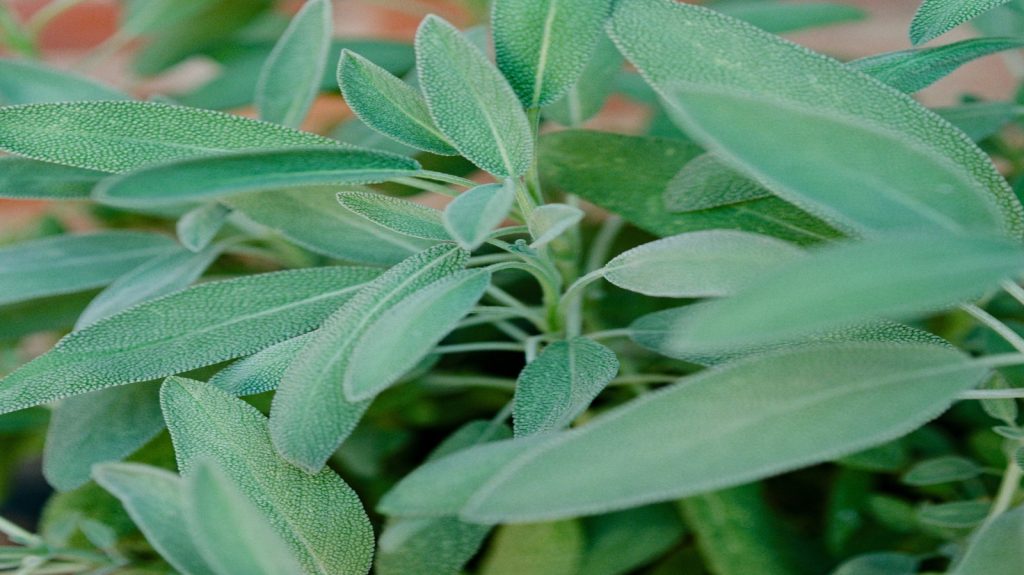
Are you dreaming of a garden filled with the soothing aroma and vibrant beauty of sage? Imagine stepping outside and harvesting fresh leaves for your culinary and medicinal needs.
Planting sage can transform your garden into a haven of flavor and wellness. But where should you plant this versatile herb to ensure it thrives? Knowing the perfect spot is key to unlocking its full potential. We will guide you on where to plant sage in your garden, helping you make the most of this aromatic plant.
Stick with us to discover the secrets of optimal sage placement, so your garden can flourish like never before.

Credit: www.epicgardening.com
Benefits Of Planting Sage
Choosing the right spot for sage enhances its benefits in the garden. Plant sage in well-drained soil with full sun exposure. This placement helps the herb thrive, providing culinary and medicinal advantages.
Planting sage in your garden offers numerous benefits. Sage is a versatile herb that enhances your garden’s beauty and utility. Its advantages span culinary uses, medicinal properties, and aesthetic appeal. Let’s explore these benefits in detail.Culinary Uses
Sage is a staple in the kitchen. It adds rich flavor to dishes. Use it in soups, stews, and sauces. Its earthy taste complements meats like chicken and pork. Fresh sage leaves can be fried for a crispy garnish. It pairs well with other herbs like rosemary and thyme. Sage is also used in stuffing recipes for poultry. This herb enhances the flavor profile of many meals.Medicinal Properties
Sage has been used in traditional medicine. It is known for its healing properties. Sage tea can soothe sore throats. It may help with digestion issues. This herb is believed to have anti-inflammatory effects. Sage may improve memory and cognitive function. It contains antioxidants that support overall health. Some use sage for its calming effects. It can be a natural remedy for stress.Aesthetic Appeal
Sage plants add beauty to gardens. Their soft, green leaves are visually appealing. Sage produces purple or blue flowers. These blooms attract pollinators like bees. Sage is a low-maintenance plant. It grows well in sunny spots and dry soil. Its aromatic leaves add a pleasant scent to the garden. Sage can be used in borders or containers. It complements other flowering plants beautifully.Understanding Sage’s Growing Conditions
Select a sunny spot with well-draining soil for planting sage in your garden. This herb thrives in full sunlight and prefers a slightly sandy or loamy texture. Ensure good air circulation around the plant to prevent mildew and other diseases.
Understanding Sage’s Growing Conditions Sage is a beloved herb in many gardens. It offers flavor, beauty, and hardiness. To thrive, sage needs the right conditions. Let’s dive into its ideal growing environment.Soil Requirements
Sage prefers well-drained soil. Sandy or loamy types work best. Ensure the soil is not too compact. It should allow air and water to reach the roots. A pH level between 6.0 and 7.0 is ideal. This slightly acidic range helps sage absorb nutrients efficiently. Adding organic matter can enhance soil quality.Sunlight Needs
Sage loves the sun. It thrives in full sunlight. Aim for at least six hours of direct light each day. Less sun can weaken the plant and affect its flavor. Choose a sunny spot in your garden. Avoid shaded areas from trees or buildings. Full sun ensures healthy growth and vibrant leaves.Watering Guidelines
Sage doesn’t need much water. Overwatering can harm it. Allow the soil to dry between watering sessions. Check the top inch of soil for moisture. If dry, it’s time to water. Ensure water drains well to prevent root rot. In hot climates, water more frequently. During cooler months, reduce watering. This helps maintain strong and healthy plants.Choosing The Right Location
Choosing a sunny spot with well-drained soil ensures sage thrives. Space plants 12-24 inches apart for optimal growth. Consider wind protection to keep leaves healthy.
Choosing the right location for planting sage is crucial for its growth. Sage thrives in specific conditions that enhance its flavor and aroma. Selecting the ideal spot in your garden can make all the difference.Full Sun Locations
Sage loves sunlight. It requires at least six hours of direct sun daily. Find a sunny spot in your garden. This ensures the plant develops strong, flavorful leaves. Sunlight helps sage maintain its rich green color. Avoid shaded areas, as they can hinder growth.Well-drained Areas
Good drainage is essential for sage. It prefers dry soil to prevent root rot. Check the soil before planting. Ensure it drains well after watering. Sandy or loamy soils are ideal for sage. Avoid clay-heavy soils which retain water. You can improve drainage with gravel or sand.Proximity To Other Herbs
Sage grows well near other herbs. It shares space effectively with rosemary and thyme. This proximity can enhance the garden’s aroma. Sage also repels harmful insects, benefiting nearby plants. Keep it a short distance from competing plants. This ensures each herb gets enough nutrients.
Credit: growingorganic.com
Common Mistakes To Avoid
Selecting the right spot for sage is essential. Ensure it gets full sun and well-drained soil. Avoid planting near thirsty plants that might steal its moisture.
Planting sage in your garden can be a rewarding experience, but it’s essential to avoid common pitfalls that can hinder its growth. Sage thrives in specific conditions, and overlooking these can lead to a less than bountiful harvest. Let’s dive into some frequent mistakes gardeners make and how you can steer clear of them.Overwatering Issues
Sage doesn’t like to sit in water. It’s a drought-tolerant plant, so too much water can lead to root rot. You may think you’re helping your sage by watering it frequently, but less is more in this case. Consider this: I once watered my sage daily, thinking it needed the same care as my thirsty tomatoes. The leaves turned yellow, and it struggled. Lesson learned—let the soil dry out between waterings.Poor Soil Drainage
Imagine planting sage in a heavy clay soil. The water doesn’t drain well, and your sage’s roots are constantly wet. This scenario spells trouble for your plant’s health. To avoid this, ensure your soil is well-draining. You can mix in sand or gravel to improve soil structure. A raised bed can also help keep the roots dry and healthy.Inadequate Sun Exposure
Sage loves the sun. Without enough sunlight, its growth will be stunted, and it won’t produce that aromatic punch it’s known for. Are you planting it in a shaded corner of your garden? Ensure your sage gets at least 6 to 8 hours of direct sunlight daily. If it’s not possible in your current setup, consider container gardening so you can move your sage to a sunnier spot. By avoiding these common mistakes, you can cultivate a thriving sage plant that enhances your garden and your culinary endeavors. Remember, a little attention to its needs can lead to a flourishing herb that rewards you in many ways.Companion Planting Strategies
Plant sage near tomatoes and carrots to enhance growth and deter pests. Keep it away from cucumbers to avoid growth hindrance. Sage thrives in well-drained soil with full sun exposure, ensuring a healthy garden environment.
Companion planting is a smart strategy to optimize your garden’s productivity and health. By thoughtfully placing certain plants together, you can enhance their growth, deter pests, and improve soil nutrients. Sage, with its aromatic leaves and versatile uses, is a great candidate for companion planting. But where should you plant it to maximize its benefits?Plants To Pair With Sage
Sage can thrive alongside a variety of plants, creating a symbiotic relationship that benefits all involved. Carrots and tomatoes are excellent companions for sage. Sage’s strong scent can deter pests that commonly attack these vegetables. Cabbage family plants, such as broccoli and cauliflower, also benefit from sage’s protective qualities. The aromatic oils in sage can repel cabbage moths, safeguarding your crops.Avoiding Competition
While sage is a team player, it doesn’t get along with every plant. Avoid planting sage near cucumbers. The growth habits of these two can lead to competition for resources, stunting their development. Sage prefers well-drained soil and full sun, so steer clear of pairing it with plants that require high moisture or shade. This ensures each plant has access to the necessary nutrients and sunlight.Enhancing Growth
To boost sage’s growth, consider the soil and spacing. Sage benefits from nutrient-rich soil, so add compost or aged manure to enhance its growth environment. Spacing is key. Leave about 18 to 24 inches between sage plants to allow their roots to spread and absorb nutrients efficiently. This spacing also improves air circulation, reducing the risk of disease. Have you tried experimenting with sage in your garden? The right companions could transform your gardening experience, leading to healthier plants and bountiful harvests.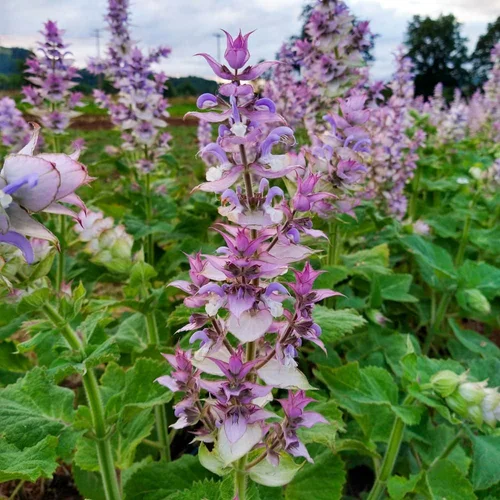
Credit: www.azurefarmlife.com
Seasonal Planting Tips
Planting sage in your garden can be a rewarding experience, but timing is everything. Understanding the best seasons for planting ensures your sage thrives, providing you with aromatic leaves and lovely foliage. Whether you’re planning to plant in spring or prepare your garden for winter, these tips will guide you in creating the ideal environment for your sage.
Spring Planting Advice
Spring is an ideal season to plant sage, as the soil begins to warm and the risk of frost diminishes. Choose a sunny spot in your garden where sage can bask in at least 6-8 hours of sunlight daily. Ensure the soil is well-draining to prevent root rot; sandy or loamy soil works best.
Start by loosening the soil with a garden fork, adding organic matter like compost to enrich it. You might be surprised to learn that sage prefers slightly alkaline soil, so adding a sprinkle of lime can benefit its growth. Plant sage seeds or seedlings after the last frost date in your area, spacing them about 18-24 inches apart to allow for ample growth.
Preparing For Winter
As winter approaches, it’s crucial to prepare your sage plants to withstand colder temperatures. Consider mulching around the base of the plant with straw or leaves to insulate the roots. This simple step can make a significant difference in protecting your sage from frost damage.
Prune your sage lightly in late fall to remove any dead or diseased branches, which can harbor pests and diseases over the winter. If you live in a region with harsh winters, you might even bring potted sage indoors, placing it on a sunny windowsill. Have you ever noticed how plants seem to perk up with even a little bit of care? Your sage will appreciate the attention and reward you with lush growth come spring.
Frequently Asked Questions
Where Should I Plant Sage In My Garden?
Sage thrives in sunny areas with well-drained soil. Choose a spot that receives at least six hours of sunlight daily. Avoid planting in overly wet areas, as sage prefers dry conditions. Ensuring good air circulation around the plant will prevent mildew and encourage healthy growth.
Can Sage Grow In Shade?
Sage prefers full sunlight but can tolerate partial shade. However, in shaded areas, growth may be slower and flavor less intense. For optimal growth and flavor, plant sage where it will receive direct sunlight for most of the day. Shade may also increase the risk of mildew.
What Type Of Soil Is Best For Sage?
Sage grows best in sandy or loamy soil with good drainage. Avoid heavy clay soils that retain water. If your garden soil is heavy, consider amending it with sand or organic matter. Sage prefers a neutral pH but can tolerate slightly acidic or alkaline conditions.
How Far Apart Should Sage Plants Be?
Space sage plants about 18 to 24 inches apart. This allows ample room for air circulation and growth. Proper spacing helps prevent disease and ensures each plant receives enough sunlight. Crowded plants may struggle to access nutrients and water effectively.
Conclusion
Planting sage in the right spot ensures healthy growth. Choose a sunny location. Well-drained soil is essential. Avoid overly wet areas. Sage loves warmth and dry conditions. Companion plants like rosemary can enhance growth. Regular pruning keeps sage bushy and productive.
Enjoy fresh sage in your kitchen all year. Remember, a little planning goes a long way. Start planting sage in your garden today. It’s a simple step towards a vibrant, herb-filled garden. Your garden will thank you for it. Sage adds flavor and beauty to any garden space.







