Imagine stepping outside your home into a serene garden that feels like a piece of the Pacific Northwest wilderness. The scent of fresh pine, the gentle rustle of native grasses, and the cheerful sights of local blooms create a soothing oasis right in your backyard.
Designing a natural Northwest garden isn’t just about planting trees and flowers; it’s about creating an environment that reflects the stunning beauty and tranquility of this unique region. You might be wondering how to bring this vision to life, especially with the diverse climate and landscape challenges.
Don’t worry; the magic lies in understanding the local ecosystem and choosing plants that thrive naturally in your area. This approach not only enhances the aesthetic appeal but also supports local wildlife, conserves water, and reduces maintenance. In this guide, you’ll discover essential tips and techniques to transform your outdoor space into a breathtaking Northwest garden. From selecting the right plants to incorporating natural elements, every step is designed to help you achieve a harmonious balance between nature and design. Dive in to unlock the secrets to a garden that captivates your senses and invites you to enjoy the outdoors all year round.
Choosing Native Plants
Choosing native plants is essential for a thriving Northwest garden. Native species are adapted to local climates, soils, and wildlife. They require less maintenance and are more resistant to pests. By selecting native plants, you support local ecosystems and contribute to biodiversity.
Benefits Of Native Species
Native plants are resilient and adapted to local conditions. They require less water and fertilizers. This makes them cost-effective and sustainable. Native species attract local pollinators and birds. This creates a lively and balanced garden environment. Using native plants can reduce the need for chemical pesticides. This keeps your garden healthier and safer.
Top Plant Selections
Consider these plants for your Northwest garden:
- Red-flowering Currant: A vibrant shrub with pink flowers.
- Sword Fern: A hardy fern with lush, green fronds.
- Western Trillium: Elegant white flowers that bloom in spring.
- Oregon Grape: Evergreen shrub with yellow blooms and blue berries.
- Pacific Bleeding Heart: Delicate pink flowers that attract hummingbirds.
These plants thrive in Northwest conditions. They add beauty and diversity to your garden. Native plants are an excellent choice for eco-friendly gardening.
Credit: www.theolympian.com
Soil Preparation
Soil preparation ensures a thriving natural Northwest garden. Begin by testing soil pH and nutrient levels. Incorporate organic matter like compost to enrich the soil and improve drainage.
Soil preparation is crucial for creating a thriving Northwest garden. The region’s unique climate demands careful attention to soil health. Proper soil preparation ensures plants receive necessary nutrients and grow robustly. Let’s delve into essential steps for optimal soil preparation.Testing And Amending Soil
Begin by testing your garden soil. Soil tests reveal pH levels and nutrient deficiencies. Purchase a simple test kit from a garden center. Follow instructions to gather soil samples and analyze results. Based on findings, determine amendments needed. Amending soil improves its fertility. Consider adding organic matter like compost or aged manure. These enrich the soil with nutrients. Adjust pH levels using lime or sulfur, depending on test results. Ensure amendments mix well into the soil.Composting Techniques
Composting is a natural way to enhance soil quality. Start a compost pile with kitchen scraps and yard waste. Include fruit peels, vegetable scraps, and grass clippings. Avoid meat and dairy products, as they attract pests. Turn the compost regularly. This aerates the pile and speeds decomposition. Keep the pile moist, but not soggy. A balanced compost pile results in nutrient-rich soil. Use finished compost as a top dressing or mix it into planting beds. Compost boosts soil structure and provides essential nutrients for plants. Regular composting maintains soil health in your Northwest garden.Watering Strategies
Exploring efficient watering strategies can help design a natural Northwest garden. Use rain barrels and native plants. These methods conserve water while ensuring healthy plant growth.
Water is the lifeblood of any garden, especially in the lush, green landscapes of the Northwest. How you water your garden can make a big difference in its health and sustainability. By adopting smart watering strategies, you not only ensure your plants thrive but also conserve valuable resources.Efficient Irrigation Systems
Efficient irrigation systems can save you time and reduce water waste. Drip irrigation is a great choice for the Northwest, delivering water directly to the plant roots. This minimizes evaporation and ensures every drop counts. Consider installing a smart irrigation controller. These devices adjust watering schedules based on weather forecasts and soil moisture levels. They help prevent overwatering and keep your garden in sync with nature. Regularly check your irrigation system for leaks or blockages. A small leak can waste a surprising amount of water over time. Keep the system well-maintained to ensure efficiency and longevity.Rainwater Harvesting
Rainwater harvesting is an eco-friendly way to supplement your garden’s water needs. Install rain barrels to collect water from your roof. This stored rainwater can be used during dry spells, reducing your reliance on municipal water. Position your barrels under downspouts for maximum collection. Ensure they have a secure lid to prevent mosquito breeding and debris accumulation. A simple overflow outlet can prevent spills during heavy rainfalls. Use the collected rainwater to nourish your plants, especially during the dry summer months. Your garden will benefit from the natural minerals in rainwater, and you’ll feel good about using a sustainable resource.
Credit: meadowlarkjournal.com
Incorporating Hardscapes
Incorporating hardscapes enhances a natural Northwest garden. Stone pathways and wooden benches blend with native plants. These elements create a harmonious outdoor space, inviting relaxation and enjoyment.
Designing a natural Northwest garden is more than just planting native species. It’s about creating a harmonious space where nature meets functionality. One of the key elements to achieving this balance is the thoughtful addition of hardscapes. Hardscapes, such as pathways, patios, stone, and wood elements, provide structure and contrast to the lush, green surroundings. They not only enhance the aesthetic appeal but also increase the usability of your garden space. The trick is to ensure these elements blend seamlessly with the natural environment, offering an inviting and cohesive look.Pathways And Patios
Pathways and patios are the backbone of a well-designed garden. They guide the flow of movement and create inviting spaces to pause and enjoy the surroundings. Consider using materials like gravel, flagstone, or pavers that complement the natural landscape. A winding path can offer a sense of mystery and exploration. You might even use pathways to highlight specific plantings or focal points. Imagine sipping your morning coffee on a rustic patio surrounded by the gentle hum of nature. The key is to design with intention, ensuring each path and patio adds value to your garden experience.Stone And Wood Elements
Stone and wood are quintessential materials for a natural Northwest garden. They evoke a sense of timelessness and authenticity. Large stones can be used as seating areas or as natural barriers to define garden sections. Smaller stones can be used to create borders or to line pathways, adding texture and interest. Wood elements, such as benches, pergolas, or trellises, can bring warmth and organic beauty. Using reclaimed or local wood not only supports sustainability but adds a story to your garden. Have you considered the tactile sensation of running your hand along a smooth wooden bench or the visual delight of a stone sculpture nestled among ferns? By thoughtfully incorporating these hardscape elements, you can transform your garden into a space that’s not only beautiful but also practical and inviting. What hardscape will you add to your garden to create your personal oasis?Wildlife-friendly Features
Incorporate native plants to attract local wildlife to your garden. Design habitats with diverse plant types to support birds and insects. Create water features like ponds for frogs and dragonflies, enhancing the ecosystem’s balance.
Incorporating wildlife-friendly features enhances the beauty of a natural Northwest garden. These features invite vibrant life and create a balanced ecosystem. From buzzing bees to fluttering butterflies, these elements bring joy and vitality.Attracting Pollinators
Pollinators are crucial for plant growth and reproduction. To attract them, plant a variety of native flowers. Choose blooms like lavender, sunflowers, and daisies. They provide nectar and pollen for bees and butterflies. Create color patches to draw attention. Pollinators are attracted to bright and diverse hues. Ensure continuous blooming from spring through fall. This provides a steady food supply. Avoid pesticides that harm pollinators. Organic methods protect these beneficial creatures. Consider adding water sources, like shallow dishes. Pollinators need water to thrive. A small birdbath can serve this purpose.Creating Habitats
Habitats offer shelter and breeding grounds for wildlife. Include shrubs and trees to provide cover. Dense foliage protects birds and small animals. Incorporate native grasses and wildflowers. They create nesting spots and food sources. Install birdhouses and bat boxes. These structures support nesting and roosting. Use logs and rocks to build natural shelters. They offer hiding places for insects and amphibians. Piles of leaves or brush can become havens for critters. Maintain a small pond or water feature. It attracts frogs and dragonflies. Water features support a diverse range of species. Ensure some areas remain undisturbed. Wildlife needs peace to thrive and reproduce. A quiet corner can become a wildlife sanctuary.Seasonal Maintenance
Seasonal maintenance in a natural Northwest garden involves trimming overgrown plants and removing fallen leaves. This helps in promoting healthy growth and maintaining the beauty of your garden. Regular care ensures plants thrive in the unique climate conditions of the region.
Seasonal maintenance is crucial for a thriving Northwest garden. It ensures your garden remains healthy through different seasons. With the right care, your garden can bloom beautifully year-round.Pruning And Deadheading
Pruning helps plants grow strong and healthy. Remove dead or diseased branches. Trim overgrown areas to shape the plant. This encourages better air circulation and sunlight exposure. Deadheading involves removing faded flowers. This process encourages new blooms. Use sharp, clean tools to avoid damage.Winterizing Your Garden
Prepare your garden for the cold months. Start by cleaning debris and fallen leaves. They can harbor pests. Mulch around the base of plants. It helps insulate roots from freezing temperatures. Protect tender plants with burlap or frost cloth. Consider moving potted plants indoors. This prevents them from freezing. Water your garden well before the ground freezes. Moist soil retains heat better than dry soil.Sustainable Practices
Designing a natural Northwest garden involves using native plants to create a sustainable ecosystem. Incorporate rain gardens and permeable paths for efficient water management. Embrace local wildlife by planting berry bushes and native flowers.
Designing a natural Northwest garden involves embracing sustainable practices that not only benefit the environment but also enhance the beauty and health of your garden. Adopting sustainable methods can help you maintain a thriving garden while conserving resources and minimizing your ecological footprint. Let’s explore some practical strategies you can implement to achieve a sustainable garden in the Pacific Northwest.Organic Pest Control
Avoid harsh chemicals by opting for organic pest control methods. Introducing beneficial insects like ladybugs and lacewings can naturally keep pest populations in check. You can also plant companion plants such as marigolds, which repel certain pests while attracting pollinators. Consider using homemade sprays made from natural ingredients like garlic or neem oil. These are effective in deterring pests without harming your plants or the environment. Are there certain pests that have been giving you trouble? Experiment with organic solutions to see what works best for your garden.Mulching And Weed Management
Mulching is an excellent way to conserve moisture, suppress weeds, and improve soil health. Use organic materials like wood chips, straw, or leaves to cover the soil around your plants. This not only reduces the need for watering but also adds nutrients to the soil as the mulch decomposes. Weed management doesn’t have to be a back-breaking task. Regularly checking for weeds and removing them early can prevent them from taking over. Have you tried using a hoe or a hand weeder? These tools make the job easier and more efficient, ensuring your garden stays neat and healthy. Incorporating these sustainable practices can lead to a thriving Northwest garden that supports both your plants and the local ecosystem. By making thoughtful choices, you can enjoy a beautiful, productive garden that aligns with nature’s principles. What sustainable practices have you tried in your garden?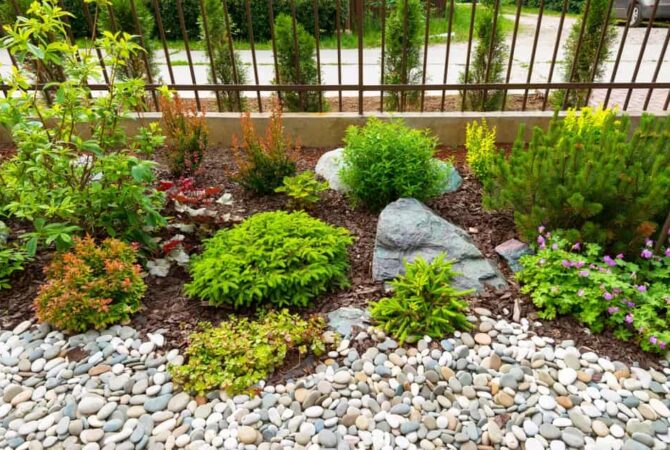
Credit: www.extraspace.com
Frequently Asked Questions
What Plants Thrive In A Northwest Garden?
In a Northwest garden, native plants like ferns, salal, and Oregon grape thrive. These plants are adapted to the region’s climate. They require less maintenance and water. Consider incorporating evergreen huckleberry and vine maple for additional color and texture. These choices support local wildlife and enhance garden sustainability.
How To Improve Soil For A Northwest Garden?
Improving soil involves adding organic matter like compost. This enhances soil structure and drainage. Regularly test soil pH and adjust with lime if necessary. Mulching helps retain moisture and suppress weeds. Choose native plants suited to existing soil conditions for a thriving garden.
What Are The Best Water Features For A Natural Garden?
Small ponds, birdbaths, and waterfalls work well in natural gardens. They attract wildlife and create tranquility. Use natural materials like stones to blend with the landscape. Ensure water features are eco-friendly and well-maintained. This enhances the garden’s aesthetics and supports the local ecosystem.
How To Maintain A Northwest Garden Year-round?
Year-round maintenance involves seasonal tasks like pruning and mulching. Remove dead plants and debris in fall. Protect plants from frost in winter. In spring, fertilize and check for pests. Summer requires regular watering and deadheading. Consistent care ensures a thriving and beautiful garden all year.
Conclusion
Creating a natural Northwest garden enhances your outdoor space beautifully. Focus on native plants that thrive in local soil. Choose trees, shrubs, and flowers that attract wildlife. Use rocks and wood to build paths and borders. Water wisely to keep plants healthy and conserve resources.
Mulch helps retain moisture and keeps weeds away. These simple steps create a garden that’s easy to maintain. Enjoy the beauty and tranquility of your new garden. Let nature inspire you every season. Your garden will be a peaceful retreat for years.
Embrace the charm of the Northwest landscape.