
Are your garden tools losing their edge and slowing you down? Imagine the satisfaction of slicing effortlessly through soil and branches, all because your tools are in top-notch condition.
You can achieve this with just a few simple steps. Keeping your garden tools sharp and clean not only boosts their performance but also extends their lifespan, saving you money in the long run. Plus, it’s a task you can easily manage with items you already have at home.
Ready to transform your gardening experience? Dive into this guide, and discover how a little maintenance can make a big difference in your garden’s health and your enjoyment.
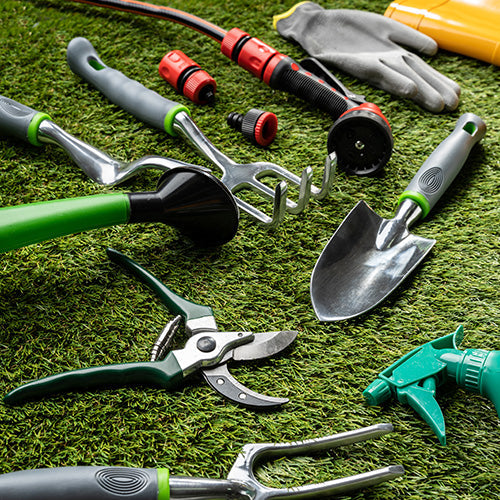
Credit: mr-fothergills.co.uk
Importance Of Sharp Tools
The importance of sharp garden tools cannot be overstated. Imagine trying to cut through a tough stem with a dull pair of shears—frustrating, right? Sharp tools are essential for making clean cuts that promote plant health and ensure your gardening tasks are efficient and enjoyable. But why exactly are sharp tools so vital?
Efficiency And Precision
Sharp tools help you work faster and with greater accuracy. When your pruners or shovels are well-maintained, you spend less time wrestling with each cut or dig. This means more time enjoying your garden and less time laboring in it.
Precision is key in gardening. A sharp tool allows you to make clean cuts, which are crucial for the health of your plants. Clean cuts minimize damage and reduce the risk of disease. Have you ever noticed how a clean snip heals faster than a ragged tear?
Safety Considerations
While it might seem counterintuitive, sharp tools are safer to use. A dull blade requires more force, increasing the chance of slips and accidents. A sharp tool, on the other hand, glides smoothly, reducing strain and the likelihood of injury.
Think about it: have you ever strained your wrist trying to force a blunt shovel through the soil? Keeping tools sharp can prevent such strains and help maintain your physical well-being.
Regular maintenance also ensures your tools are ready for use whenever you need them, minimizing unexpected mishaps. What steps can you take today to ensure your tools are at their best?

Credit: www.youtube.com
Essential Sharpening Tools
Essential Sharpening Tools Sharpening garden tools requires a few key items. Use a sharpening stone or file for precise edges. Clean tools with soapy water and a brush to remove dirt and rust. Regular maintenance ensures smooth gardening and prolongs tool life.
Garden tools need regular sharpening for effective use. Essential sharpening tools help maintain their cutting edge. They make gardening tasks easier and more efficient.Files And Stones
Files and stones are basic sharpening tools. Files are great for removing nicks and smoothing edges. They come in various shapes and sizes. Flat files work best for hoes and shovels. Round files suit curved blades. Sharpening stones refine the edges further. They provide a smoother finish. Water or oil stones are popular choices. Use them with water or oil for best results. Rub the stone along the blade’s edge. This process enhances sharpness.Sharpening Machines
Sharpening machines offer precision and speed. They are ideal for frequent use. Electric grinders and belt sharpeners are common types. Electric grinders quickly sharpen dull blades. They remove metal efficiently, restoring the edge. Belt sharpeners use rotating belts. They provide a consistent sharpening angle. These machines save time and effort. Adjust the settings for each tool type. Always follow the manufacturer’s instructions.Protective Gear
Safety is crucial during sharpening. Protective gear prevents accidents. Wear safety goggles to protect your eyes. Flying metal particles can cause injury. Use gloves to shield your hands. They offer grip and safety. Choose heavy-duty gloves for better protection. Aprons or long sleeves prevent cuts and scrapes. Ensure your workspace is well-lit. This reduces the risk of mistakes.Sharpening Techniques
Regular sharpening and cleaning keep garden tools effective. Use a file or sharpening stone for blades. Clean off dirt and rust with soapy water and a wire brush. Dry tools well to prevent rust. Store them in a dry place.
These steps ensure your tools last longer and work better.
Sharpening garden tools is crucial for maintaining their efficiency and longevity. Dull tools make gardening harder and can damage plants. Learning proper sharpening techniques ensures tools work smoothly. Sharpening tools is not complicated. With a little practice, anyone can do it. Let’s explore some specific sharpening techniques for common garden tools.Pruning Shears
Pruning shears are essential for cutting branches and stems. Begin by cleaning the blades with soapy water. Dry them thoroughly to prevent rust. Use a sharpening stone or file for this task. Hold the blade at a 10-20 degree angle. Move the stone across the blade in one direction. Repeat until the blade is sharp. Check the sharpness by cutting a piece of paper.Lawn Mower Blades
Lawn mower blades need sharpening for an even cut. First, disconnect the spark plug for safety. Remove the blade using a wrench. Clamp it securely in a vice. Use a file or grinder to sharpen the edge. Maintain the original angle of the blade. Balance the blade on a nail to ensure even weight. Reattach the blade carefully.Hoes And Spades
Hoes and spades require a sharp edge for effective soil work. Begin by cleaning off dirt and rust. Use a flat file for sharpening. Hold the hoe or spade at a consistent angle. File in one direction along the edge. Check for a smooth, sharp edge. Test by slicing through soil or weeds. Keep the blade clean and dry after use.Cleaning Garden Tools
Sharpening garden tools requires a file or sharpening stone. Clean blades with soapy water to remove dirt. Regular maintenance keeps tools efficient and extends their lifespan.
Cleaning garden tools is an essential task for any gardener. Proper maintenance extends the life of your tools. It also ensures they work efficiently. Dirty tools can spread diseases and damage plants. Regular cleaning prevents these problems. Let’s explore how to keep your tools in top shape.Removing Rust
Rust can weaken garden tools over time. To remove rust, use sandpaper or a wire brush. Gently scrub the rusty areas until the metal is shiny. For stubborn rust, soak tools in vinegar overnight. Then, scrub again. This method helps restore the tool’s original look.Disinfecting Blades
Clean blades prevent plant diseases. Use a mixture of water and bleach. Mix one part bleach with nine parts water. Dip a cloth in the solution and wipe the blades. Rinse with clean water. Dry thoroughly to prevent rust. Disinfecting regularly ensures healthy plant growth.Lubrication Tips
Lubrication keeps tools working smoothly. Use light machine oil or WD-40. Apply a small amount to moving parts. Wipe away any excess oil with a cloth. This reduces friction and prevents rust. Store tools in a dry place after lubricating. This practice enhances tool longevity.Maintenance Tips
Sharpen blades using a file or whetstone for clean cuts. Remove dirt and rust with a wire brush and soapy water. Dry thoroughly to prevent corrosion. Regular maintenance keeps tools effective and extends their lifespan.
Maintaining your garden tools is crucial for their longevity and effectiveness. A little attention goes a long way in ensuring they remain sharp and clean. Imagine your tools performing at their best every time you need them. Let’s dive into some essential maintenance tips that will keep your tools in top shape.Regular Inspection
Regular inspection is your first line of defense against wear and tear. Check your tools for rust, dents, or any other damage every time you use them. Look closely at the blades for sharpness and at the handles for cracks or splits. Set a routine to inspect your tools. Doing so once a month can save you from unexpected surprises. A stitch in time saves nine, as they say.Proper Storage
Proper storage is just as important as regular inspection. Store your tools in a dry, sheltered place to prevent rust and deterioration. Hanging them on a wall or placing them on a shelf keeps them organized and easy to find. Consider using a pegboard for easy access. It not only saves space but also keeps your tools visible. Have you ever spent hours looking for a misplaced tool? With proper storage, that’s a thing of the past. By focusing on these maintenance tips, you ensure your tools are always ready for action. Keep them clean, sharp, and well-stored, and they’ll reward you with years of reliable service.Common Mistakes
Sharpening and cleaning garden tools might seem straightforward, but there are common pitfalls that can compromise the effectiveness and longevity of your tools. Avoiding these mistakes ensures your gardening experience is both productive and enjoyable. Let’s explore some of these missteps and how to sidestep them.
Over-sharpening
One might think that the sharper the tool, the better it performs. However, over-sharpening can lead to a thinner blade edge, making it prone to chipping and breaking. Each pass with the sharpening stone should be intentional and measured.
Consider this: more frequent, lighter sharpening sessions are often more beneficial than aggressive grinding every few months. If you’ve ever had a blade snap during use, over-sharpening might be the culprit. Striking the right balance between sharpness and durability is key.
Neglecting Cleaning
It’s easy to overlook the importance of cleaning, especially when you’re in the midst of a busy gardening season. Dirty tools can harbor diseases that affect your plants, and rust can diminish a tool’s efficiency. Regular cleaning is not just about appearance; it’s about performance.
Imagine using a trowel with a rusty blade—every scoop becomes a chore. A simple routine of wiping down your tools after each use prevents buildup of soil and debris. Ask yourself: are your tools shining or shadowed by grime?
By recognizing these common mistakes, you can enhance the longevity and effectiveness of your garden tools, leading to a more rewarding gardening experience.
Expert Recommendations
Keeping your garden tools sharp and clean is essential for a flourishing garden. Expert recommendations can guide you in selecting the right tools and deciding when to seek professional help. These insights ensure your tools not only perform effectively but also last longer. Let’s dive into what the experts suggest.
Choosing Quality Tools
Investing in quality tools is the first step to maintaining your garden’s health. High-quality tools are made from durable materials that resist rust and wear. Look for stainless steel or carbon steel blades, as these retain sharpness longer. Ergonomic handles reduce strain on your hands, making gardening tasks less tiring.
Have you ever noticed how professional gardeners seem to glide through tasks effortlessly? Their secret lies in using well-crafted tools. When shopping, pay attention to customer reviews and brand reputation. Sometimes, spending a little more upfront can save you money and effort in the long run.
Professional Services
Even the best tools need expert care occasionally. If you find sharpening or cleaning beyond your skills, consider professional services. These experts can restore your tools to their original condition, often better than DIY attempts.
Think about the time and effort saved by letting professionals handle intricate maintenance. Their experience ensures precision, which might be hard to achieve on your own. What would you do with the extra time saved from not struggling with stubborn rust or dull blades?
Check local listings or ask fellow gardeners for recommendations on reliable services. Many offer maintenance packages that include sharpening, cleaning, and minor repairs, ensuring your tools are always in top shape. After all, well-maintained tools are a gardener’s best ally.

Credit: www.youtube.com
Frequently Asked Questions
How Often Should Garden Tools Be Sharpened?
Garden tools should be sharpened at least once a season. Regular sharpening maintains their efficiency and prolongs their lifespan. If used frequently, consider sharpening monthly. Dull tools can damage plants and increase your workload.
What Materials Are Needed To Clean Garden Tools?
To clean garden tools, you’ll need soap, water, and a stiff brush. For tougher grime, use a wire brush or sandpaper. After cleaning, dry thoroughly and apply oil to prevent rust.
Can Rusty Garden Tools Be Restored?
Yes, rusty garden tools can be restored. Use a wire brush to remove rust, then soak in vinegar for stubborn spots. Rinse, dry, and apply oil to prevent further rusting. Regular maintenance will keep them in good condition.
Why Is It Important To Sharpen Garden Tools?
Sharpening garden tools ensures clean cuts, promoting plant health. Sharp tools reduce strain on the user and improve efficiency. Dull tools can damage plant tissues and increase the risk of disease.
Conclusion
Caring for garden tools keeps them efficient and long-lasting. Regular sharpening ensures clean cuts. Clean tools prevent rust and infections in plants. Use a wire brush to remove dirt. Oil the metal parts to avoid corrosion. Store them in a dry place after use.
Proper maintenance saves money and extends tool life. Enjoy gardening with well-kept tools. A little effort goes a long way. Happy gardening!







