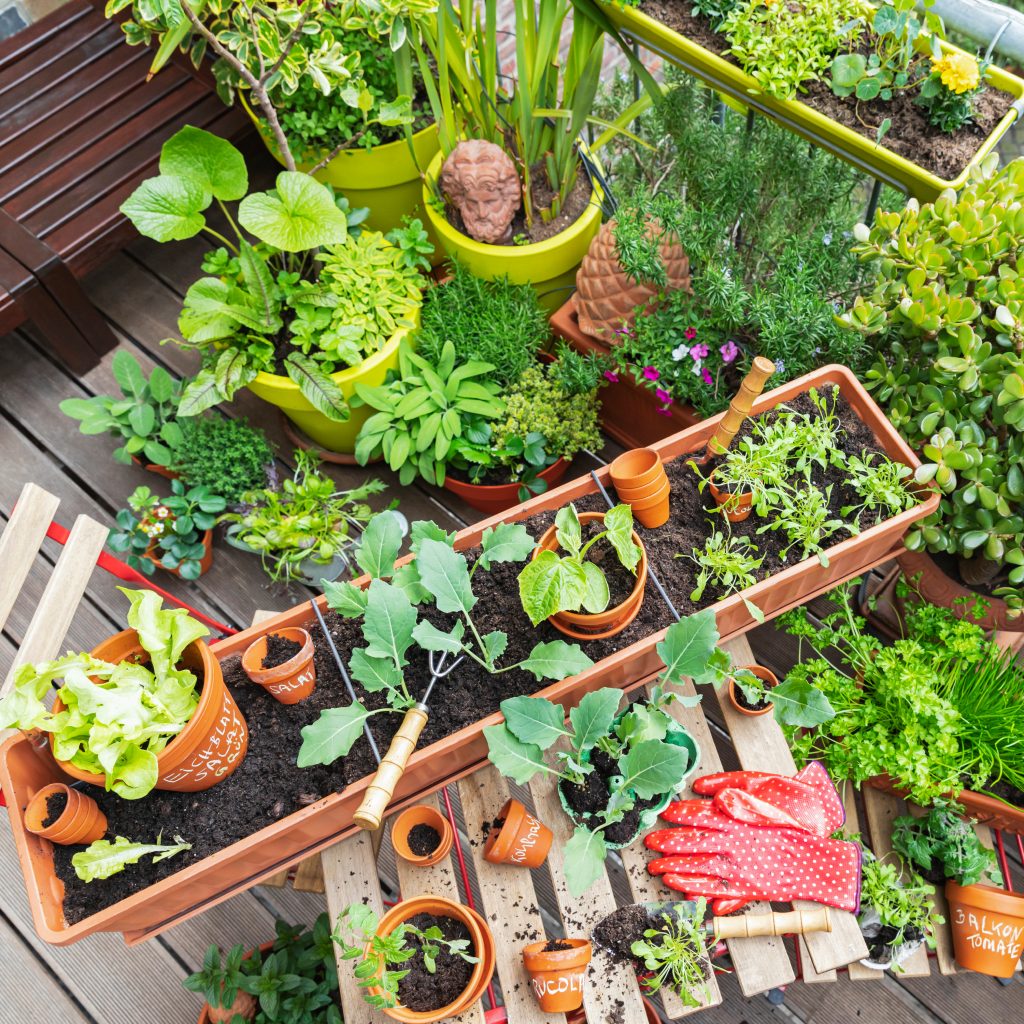
Imagine stepping into your home and instantly being enveloped by the fresh scent of herbs, the vibrant greens of leafy plants, and the satisfaction of knowing these are the fruits of your labor. Creating an indoor organic garden isn’t just a hobby; it’s a lifestyle choice that brings nature right into your living space.
You’re about to discover how this simple yet fulfilling endeavor can transform your home into a green oasis. Have you ever considered the joy of plucking fresh basil for your homemade pasta sauce or snipping mint for a refreshing tea, all from your own indoor garden?
The beauty of an indoor organic garden lies in its accessibility and the control it gives you over what you grow. It’s a step towards sustainability and health, reducing your carbon footprint while ensuring that your food is free from harmful chemicals. Whether you’re a seasoned gardener or a curious beginner, this guide will walk you through the easy steps to cultivate your own organic paradise indoors. By the end of this article, you’ll feel empowered and equipped to start your green adventure. Get ready to breathe life into your home!
Benefits Of Indoor Organic Gardening
How to Make an Indoor Organic Garden Enjoy fresh, pesticide-free produce year-round with an indoor organic garden. Enhance air quality and create a serene atmosphere in your home. Plus, growing your own herbs and vegetables saves money and reduces your carbon footprint.
Indoor organic gardening is more than just a hobby; it’s a lifestyle change that brings numerous benefits to your home and well-being. Imagine picking fresh herbs or vegetables for your dinner right from your living room. The satisfaction of growing your own food is unmatched. Beyond that, indoor organic gardening offers a wealth of advantages that can enrich your life in unexpected ways.Improved Air Quality
Plants naturally filter toxins and pollutants from the air. By adding an indoor garden, you enhance the air quality in your home. You breathe easier, and your space feels fresher.Access To Fresh Produce
Growing your own organic vegetables ensures you have fresh produce on hand. No more last-minute grocery runs for lettuce or tomatoes. Your meals become healthier and tastier with ingredients you nurtured yourself.Enhanced Mental Health
Gardening has been shown to reduce stress and anxiety. Tending to your plants can be a meditative practice. It offers a break from screens and daily worries, grounding you in the present moment.Cost Savings
Starting an indoor garden can lead to significant savings. You spend less on groceries by growing your own herbs and vegetables. Plus, you eliminate the cost of pesticides and fertilizers with organic practices.Educational Opportunities
Indoor gardening is a great way to learn about plant life cycles and sustainable practices. If you have children, involve them in the process. It’s an engaging way to teach them about responsibility and nature.Customization And Control
With an indoor garden, you have complete control over what you grow. Choose plants that suit your taste and lifestyle. Tailor your garden to fit your space and preferences.Year-round Gardening
No need to wait for spring to start planting. Indoor gardens thrive regardless of the season. Enjoy the benefits of fresh produce all year long. Indoor organic gardening is a rewarding endeavor with benefits that go beyond the obvious. What will you plant first in your indoor oasis?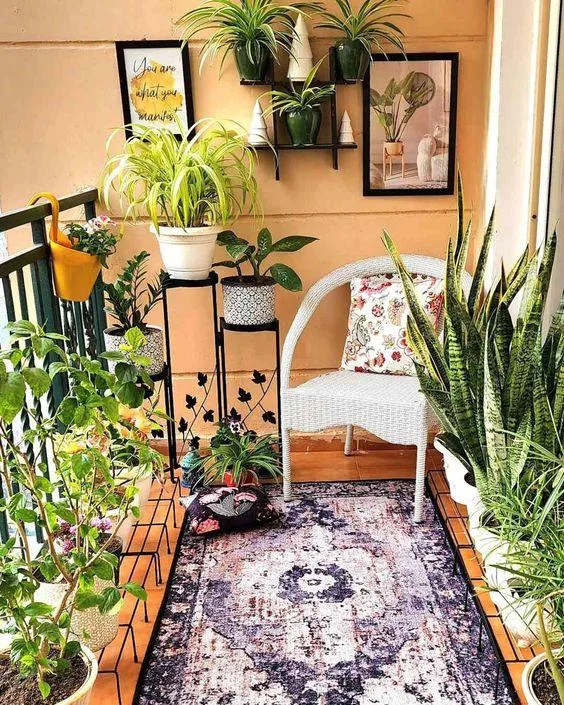
Credit: sanjaynursery.com
Choosing The Right Space
Creating an indoor organic garden is exciting and rewarding. Choosing the right space is crucial for your garden’s success. The area you select will affect plant growth and productivity. Consider factors like lighting, space, and accessibility. A well-chosen spot ensures your plants thrive indoors.
Lighting Considerations
Plants need light to grow, and indoor gardens are no exception. Natural light is the best option. Place your garden near a window with good sunlight. South-facing windows provide the most light. If natural light is limited, consider artificial grow lights. LED grow lights are energy-efficient and effective. Position lights close to plants for optimal growth. Adjust light duration according to plant needs.
Space Requirements
Space is key for a successful indoor garden. Choose a location with enough room for your plants. Consider the size of pots and planters. Ensure the area allows for plant growth and expansion. Vertical gardening can save space in smaller areas. Use shelves or wall planters to maximize space. Keep the area tidy and organized for easy maintenance.
Selecting Organic Plants
Choose robust, disease-resistant organic plants for your indoor garden. Opt for native species that thrive indoors. Prioritize plants that require minimal care and adapt well to limited sunlight.
Selecting the right organic plants is crucial for your indoor garden. Choose plants that thrive in limited space and indirect sunlight. Organic plants ensure a chemical-free environment, promoting healthier growth. Focus on plants suited for indoor conditions to maximize success.Herbs For Indoor Growing
Herbs are perfect for indoor gardens. They require little space and care. Basil, mint, and parsley flourish indoors. They add flavor to your meals and purify the air. Place them near a sunny window. Water regularly, but avoid overwatering.Vegetables Suitable For Indoors
Certain vegetables grow well indoors. Leafy greens like lettuce and spinach are great choices. They need moderate sunlight and consistent moisture. Use shallow pots for root development. Radishes and carrots also adapt to indoor conditions. Ensure they get adequate light and nutrients.Fruits For Indoor Gardens
Fruits can thrive indoors with proper care. Strawberries and dwarf citrus trees are excellent options. They need bright light and regular watering. Use containers with good drainage. Prune them to manage size and encourage fruit production. Enjoy fresh, organic fruits year-round.Preparing Organic Soil
Creating an indoor organic garden begins with preparing rich, nutrient-filled soil. Combine compost, peat, and perlite for ideal texture and moisture retention. Ensure the mix is free from chemicals for a healthy plant environment.
Creating the perfect soil for your indoor organic garden is like setting the foundation for a healthy, thriving ecosystem. It’s more than just dirt—it’s a dynamic mix that provides essential nutrients to your plants. By preparing organic soil thoughtfully, you ensure your garden’s success right from the start.Compost And Nutrient Mix
Crafting a nutrient-rich compost mix is crucial for your indoor garden’s health. Start by collecting organic materials like fruit peels, vegetable scraps, and coffee grounds. These ingredients decompose into a rich compost that boosts soil fertility. Add organic matter like aged manure or worm castings to enhance nutrient content. This mix not only feeds your plants but also improves soil structure. Remember, a good compost should feel slightly moist and crumbly, not too wet or dry. Have you ever thought about what goes into the soil when you buy it pre-packaged? By making your own compost, you control every ingredient, ensuring it’s organic and chemical-free. This hands-on approach gives you peace of mind and a deeper connection to your garden.Soil Testing Methods
Testing your soil might sound technical, but it’s an essential step. Simple home kits can help you determine pH levels and nutrient content. A balanced pH ensures your plants can absorb nutrients effectively. Regular testing allows you to make informed decisions about what your soil needs. If you find deficiencies, you can adjust by adding specific organic fertilizers. This proactive approach prevents problems before they start. Consider keeping a journal of your soil’s condition and changes over time. This personal record helps you spot patterns and make timely adjustments. Plus, it’s rewarding to see the direct impact of your care on your garden’s growth. Is your soil ready to support lush, vibrant growth? By taking the time to test and adjust, you give your plants the best chance to thrive.Watering Techniques
Watering your indoor organic garden requires more than just pouring water. It’s an art that involves understanding your plants’ needs. Proper hydration ensures healthy growth and vibrant plants. Let’s explore effective watering techniques.
Proper Hydration
Plants need the right amount of water to thrive. Overwatering can suffocate roots. Underwatering can stunt growth. Check the soil’s moisture level before watering. Stick your finger about an inch into the soil. If it feels dry, it’s time to water. Water slowly and evenly until it drips from the drainage holes. This ensures deep root hydration.
Self-watering Systems
Self-watering systems offer convenience for busy gardeners. These systems use a reservoir to deliver water directly to the roots. They maintain consistent moisture levels in the soil. Choose from wicking beds or capillary mats. Wicking beds have a water reservoir under the soil. Plants draw water as needed. Capillary mats sit under the pots, drawing water up through the base. Both systems reduce manual watering frequency and save time.

Credit: food52.com
Managing Pests Naturally
Creating an indoor organic garden offers a natural way to manage pests. Embrace companion planting to deter unwanted insects. Utilize natural remedies like neem oil for effective pest control.
Managing pests in an indoor organic garden can be challenging. Harsh chemicals can harm your plants and health. Natural methods are safer and eco-friendly. They keep your garden healthy and pest-free. Let’s explore effective ways to manage pests naturally.Natural Pest Control Methods
Use natural solutions to deter pests. For instance, introduce ladybugs to eat aphids. Neem oil is another option. It acts as a natural insecticide. Spray it on affected plants. Garlic spray can also repel insects. Mix crushed garlic with water and spray on leaves. Essential oils like peppermint can deter ants and spiders. Mix a few drops with water. Spray around plant bases. Diatomaceous earth is another natural option. Sprinkle it on the soil. It dehydrates and kills soft-bodied insects.Companion Planting Benefits
Companion planting can naturally repel pests. Certain plants protect each other. For example, basil repels flies and mosquitoes. Plant it near tomatoes for added protection. Marigolds can deter nematodes. Place them around vegetable beds. Lavender is another helpful plant. It keeps moths and fleas away. Pair it with herbs like rosemary. Nasturtiums can attract aphids away from other plants. They act as a trap plant. Grow them near your vegetables. These natural methods promote a healthier garden. They keep pests away without harming your plants. Enjoy a thriving indoor organic garden with these simple tips.Enhancing Growth With Organic Fertilizers
Creating an indoor organic garden brings nature inside your home. Organic fertilizers enrich soil, promoting healthier plant growth. Enjoy fresh herbs and vegetables year-round with simple techniques.
Enhancing Growth with Organic Fertilizers Growing an indoor organic garden is an exciting journey. Organic fertilizers are key to boosting plant health and enhancing growth. They enrich the soil naturally, offering a sustainable option that benefits both plants and the environment.Types Of Organic Fertilizers
Choosing the right organic fertilizer can feel overwhelming. However, understanding your options makes it easier. – Compost: A great way to recycle kitchen scraps while enriching your soil with nutrients. – Worm Castings: These offer a nutrient-rich boost, improving soil structure and water retention. – Fish Emulsion: A potent liquid fertilizer that provides quick nutrients to your plants, ideal for leafy greens. – Bone Meal: Rich in phosphorus, it helps in strong root development and flowering. Each type serves different needs, so consider what your plants require most.Application Techniques
Applying organic fertilizers correctly is crucial for effective results. Here are some simple techniques: – Top Dressing: Sprinkle the fertilizer over the soil surface, allowing nutrients to gradually seep in with watering. – Soil Mixing: Blend fertilizers like compost or worm castings directly into the soil before planting to give your plants a nutrient-rich start. – Liquid Feeding: Dilute liquid fertilizers like fish emulsion in water and apply directly to the soil or foliage for a quick nutrient uptake. Experiment with different methods to see what works best for your garden. Have you ever noticed how a slight change in technique can transform your plants’ growth? Paying attention to your plants’ response will guide you in refining your approach.Seasonal Considerations
Understanding how seasons affect your indoor organic garden is crucial. Adjust lighting and temperature to mimic natural conditions. Choose plants that thrive indoors year-round, ensuring a fruitful harvest regardless of the season outside.
Creating an indoor organic garden offers you the chance to grow fresh produce and vibrant plants all year round. However, understanding seasonal considerations is crucial to maintaining a thriving garden. Each season brings its own set of challenges and opportunities for indoor gardening. By being mindful of these variations, you can ensure your plants receive the care they need to flourish.Adapting To Climate Change
Climate change is a game-changer for gardening, even indoors. Weather patterns are becoming more unpredictable, impacting how and when you should plant. Consider setting up a flexible gardening schedule that allows for adjustments based on weather changes. Monitor local weather forecasts and adjust your watering and lighting accordingly. If you notice a trend towards warmer winters or cooler summers, you might need to tweak your plant selection. Some plants are more resilient to temperature fluctuations, making them a safer choice. Have you noticed any changes in your local climate? Documenting these changes can help you make informed decisions for future planting.Indoor Temperature Management
Indoor temperature plays a pivotal role in plant health. Most plants thrive in temperatures between 60-75°F (15-24°C). However, certain species may require a more specific range. Use a digital thermometer to keep track of your indoor climate. If your home tends to be drafty or overheated, consider investing in a space heater or fan to maintain a stable environment. Pay attention to where you place your plants. Windows can be sources of cold drafts in winter and intense heat in summer. Adjust plant locations to avoid these extremes. Is your indoor space too hot or too cold for your garden? Experiment with different spots in your home to find the perfect balance for your plants. Remember, a successful indoor organic garden requires not just passion, but also a keen eye on the environment inside and outside your home.Maintaining Your Indoor Garden
Creating an indoor organic garden brings nature inside your home. Use organic soil, natural light, and regular watering. Choose plants suited for indoor conditions to thrive.
Maintaining your indoor garden is crucial for thriving plants. Regular care ensures your plants stay healthy and vibrant. Indoor gardens need attention, just like outdoor ones. The right maintenance keeps your plants growing strong.Pruning And Trimming
Pruning helps plants grow better. It removes dead leaves and branches. Trim your plants often for neatness. Use clean, sharp scissors or pruning shears. Make small cuts, and avoid cutting too much. Proper trimming encourages new growth. It also prevents diseases.Monitoring Plant Health
Keep an eye on your plants’ health. Check leaves for spots or discoloration. Look for any signs of pests or disease. Healthy plants have bright, firm leaves. Water them regularly, but not too much. Feel the soil to check moisture levels. Adjust watering as needed. Ensure proper light exposure. Rotate plants occasionally for even light distribution.Common Challenges And Solutions
Creating an indoor organic garden poses challenges like limited sunlight and space. Solutions include using grow lights and vertical planting techniques. Proper soil selection and regular watering ensure healthy plant growth indoors.
Creating an indoor organic garden is an exciting endeavor, but it comes with its set of challenges. Understanding these hurdles and how to overcome them can make your gardening journey rewarding. Let’s dive into some common challenges and practical solutions that can help you flourish in your indoor gardening quest.Dealing With Limited Space
Many of us live in apartments or homes with limited space. You might wonder how to fit a garden in your living room. The key is to think vertically. Consider using shelves or wall-mounted planters. These can transform any blank wall into a lush green space. Another option is hanging baskets, which can add greenery without taking up floor space. You’d be surprised how much you can grow upwards!Overcoming Light Limitations
Natural light can be scarce in indoor settings, but plants need light to thrive. How do you ensure they get enough? Think about investing in LED grow lights. They’re energy-efficient and mimic the sun’s spectrum, providing essential light for your plants. Position your garden near windows, if possible. Even a few hours of direct sunlight can make a difference. Have you tried rotating your plants? This ensures each one gets its fair share of light, preventing uneven growth. What creative solutions have you tried to tackle these challenges in your indoor garden?
Credit: www.yates.com.au
Frequently Asked Questions
How To Start An Organic Indoor Garden?
Starting an organic indoor garden involves choosing organic seeds, preparing soil, and ensuring proper lighting. Use containers with drainage and maintain a regular watering schedule. Select plants suitable for indoor environments. Monitor for pests and diseases using organic methods. This provides a sustainable and eco-friendly gardening experience.
What Are The Best Plants For Indoor Gardening?
The best plants for indoor gardening include herbs like basil, mint, and rosemary. Leafy greens such as spinach and lettuce thrive indoors. Small fruit plants, like strawberries, are also ideal. Choose plants that adapt well to indoor conditions and require minimal sunlight.
This ensures a successful and productive garden.
Can I Use Regular Soil For Indoor Gardening?
Using regular soil for indoor gardening is not recommended. It’s often too dense and lacks nutrients for indoor plants. Opt for organic potting mix designed for indoor use. It provides better aeration and moisture retention. Ensure the mix is free from chemicals to maintain organic integrity.
How Much Light Do Indoor Plants Need?
Indoor plants typically need six to eight hours of light daily. Use grow lights for optimal results, especially in low-light areas. Consider the specific light needs of each plant type. Adjust light exposure based on seasonal changes. Proper lighting ensures healthy growth and maximizes yield.
Conclusion
Creating an indoor organic garden is simple and rewarding. You enjoy fresh herbs and vegetables year-round. Start small and expand as you learn. Pay attention to light and watering needs. Choose organic seeds and soil for best results. Regularly check for pests and keep the area clean.
Experiment with different plants to find what grows best. Gardening indoors brings nature into your home. It also provides a calming and productive hobby. With patience and care, your indoor garden will thrive. Enjoy the fruits of your labor!







