
Imagine stepping into your vegetable garden, the sun warming your face, and the fresh scent of earth filling the air. You’re excited to plant something new this season.
But then a thought strikes you: can you plant strawberries in a vegetable garden? The idea of harvesting sweet, juicy strawberries alongside your favorite vegetables might seem too good to be true. Yet, what if it’s not only possible but beneficial for your garden?
We’ll explore how strawberries can fit perfectly into your vegetable garden setup. You’ll discover why these vibrant fruits aren’t just a delicious addition but also a strategic one. Get ready to transform your garden into a haven of flavor and productivity. Continue reading to uncover the surprising benefits and the simple steps you can take to make your garden flourish with strawberries.
Benefits Of Planting Strawberries
Planting strawberries in a vegetable garden offers numerous benefits. They act as ground cover, reducing weed growth and retaining soil moisture. Their sweet fruit attracts pollinators, enhancing the overall productivity of the garden.
Planting strawberries in your vegetable garden can offer a multitude of benefits that extend beyond the simple joy of harvesting juicy red berries. These little fruits can enhance your garden’s nutritional profile, improve its visual appeal, and even foster beneficial relationships with other plants. Let’s explore why strawberries deserve a spot in your garden.Nutritional Value
Strawberries are a powerhouse of nutrients. Packed with vitamin C, antioxidants, and fiber, they can significantly boost the health quotient of your garden harvest. Adding strawberries to your diet can help support your immune system and improve digestion. Imagine picking fresh strawberries right from your garden to add to your breakfast or dessert—pure delight!Garden Aesthetics
Beyond their nutritional prowess, strawberries can elevate the beauty of your vegetable garden. Their lush green leaves and vibrant red berries create a striking contrast against typical garden greens. Picture your garden adorned with strawberries, attracting not just your attention but also that of curious neighbors and friendly pollinators.Companion Planting Advantages
Strawberries can be excellent companions in the garden, helping other plants thrive. They have a knack for deterring pests and can improve soil health. Consider planting strawberries alongside vegetables like spinach or lettuce; they can enhance the growth of these plants while keeping pesky insects at bay. How cool is it that your garden can be a self-sustaining ecosystem? As you plan your garden layout, think about how strawberries can fit into the mix. Their diverse benefits can transform your garden into a vibrant and productive space, making every gardening effort worthwhile. Are you ready to embrace the strawberry advantage in your vegetable garden?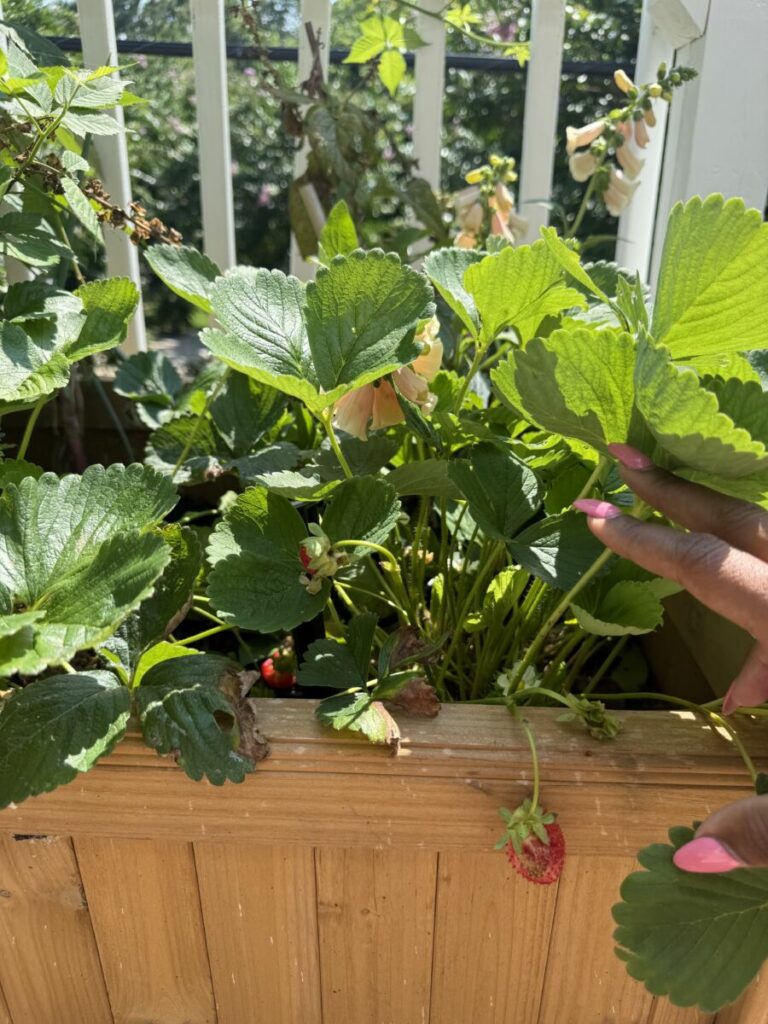
Credit: shadesofpinck.com
Ideal Conditions For Strawberries
Strawberries thrive in a vegetable garden with full sun, well-drained soil, and regular watering. They prefer slightly acidic soil, rich in organic matter. Proper spacing ensures healthy growth and fruit production.
Ideal Conditions for Strawberries Strawberries thrive with the right conditions. They need specific soil, sunlight, and watering. Understanding these needs ensures healthy, fruitful plants.Soil Requirements
Strawberries grow best in well-drained soil. Sandy loam is ideal. The soil should be rich in organic matter. Maintain a pH between 5.5 and 6.8 for optimal growth. Use compost to improve soil quality. Avoid clay-heavy or waterlogged areas.Sunlight Needs
Strawberries require full sun for at least six hours daily. This promotes healthy growth and sweet fruit. Plant them in a sunny spot. Ensure they are not shaded by taller plants. Inadequate sunlight results in fewer berries.Watering Guidelines
Water strawberries regularly, but avoid overwatering. Keep soil consistently moist, especially during fruiting. Use drip irrigation or soaker hoses for best results. Water early in the day to reduce disease risk. Ensure good drainage to prevent root rot.Choosing The Right Strawberry Varieties
Planting strawberries in your vegetable garden can be an exciting venture. But to ensure your strawberry plants flourish, choosing the right varieties is crucial. Strawberries are diverse, and each variety offers unique growth patterns and fruit production schedules. By selecting the right ones, you can enjoy a bountiful harvest throughout the growing season.
June-bearing Varieties
June-bearing strawberries are the classic choice for many gardeners. These varieties produce a single, large crop in late spring or early summer. If you’re aiming for a big harvest for making jams or freezing, June-bearing is your go-to. They require a bit more space, as they spread quickly, ensuring a substantial yield. Imagine having a basket full of fresh strawberries to share with friends or family.
Ever-bearing Varieties
Ever-bearing strawberries are perfect if you prefer a steady supply of berries. They produce two main crops—one in early summer and another in late summer or fall. This variety is ideal for those who enjoy fresh strawberries in salads or desserts over an extended period. Their adaptability makes them a favorite for gardeners who want to enjoy strawberries across seasons.
Day-neutral Varieties
Day-neutral strawberries are your best bet if you want continuous fruiting. Unlike the others, these varieties don’t depend on day length to produce fruit. This means you can enjoy strawberries from spring to fall. They are smaller in size but incredibly flavorful. Picture yourself snacking on strawberries while tending to your garden—it’s a delightful experience.
Preparing Your Vegetable Garden
Planting strawberries in a vegetable garden is possible and beneficial. They thrive alongside many vegetables, offering sweet rewards. Ensure they have enough sunlight and well-drained soil for best growth.
Preparing your vegetable garden for strawberries is an exciting task. Strawberries add color and flavor, making them a favorite among gardeners. Proper preparation ensures healthy growth and abundant yield. Here’s how you can set up your garden to welcome strawberries.Space Considerations
Strawberries need ample space to thrive. Each plant requires about a square foot. Consider pathways for easy access. This helps with maintenance and harvesting. Avoid crowding other plants. Strawberries spread through runners, so extra space is beneficial. Plan your garden layout carefully. This prevents competition for nutrients and sunlight.Soil Preparation Techniques
Start with testing your soil. Strawberries prefer slightly acidic soil, pH 5.5 to 6.8. Add organic matter like compost to enrich the soil. This improves drainage and nutrient content. Remove weeds and debris. They compete for resources. Mix in a balanced fertilizer. This supports strong root development. Ensure the soil is loose. Strawberries struggle in compact soil.Creating Raised Beds
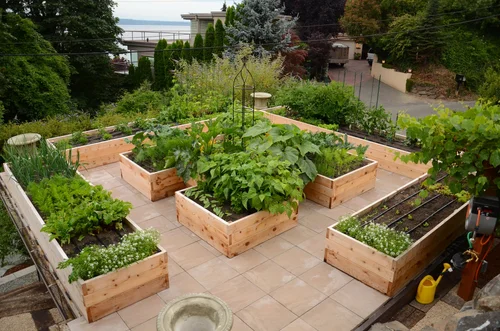
Raised beds provide excellent drainage. They keep roots healthy and prevent rot. Build beds about 12 inches high. This height is ideal for strawberries. Use untreated wood or bricks. They offer stability and longevity. Fill with quality soil mix. Include compost for added nutrients. Raised beds also protect plants from pests. They are easier to maintain.Planting Techniques For Strawberries
Strawberries add vibrancy and flavor to any vegetable garden. Proper planting techniques ensure healthy growth and a bountiful harvest. Understanding spacing, mulching, and fertilization is essential for successful strawberry cultivation.
Spacing And Arrangement
Space strawberry plants about 18 inches apart. This allows ample room for growth and air circulation. Align them in rows, keeping each row 2 feet apart. This setup helps prevent disease and facilitates easier maintenance.
Mulching Methods
Mulch helps retain moisture and suppress weeds. Use organic materials like straw or pine needles. Apply a layer about 2-3 inches thick around the base of each plant. Ensure the mulch does not touch the stems to avoid rot.
Fertilization Practices
Use balanced fertilizers for optimum growth. Apply a 10-10-10 fertilizer before planting. Reapply during the growing season for sustained nutrition. Avoid over-fertilizing, which can harm the plants.
Credit: www.seattleurbanfarmco.com
Caring For Strawberry Plants
Strawberries can thrive in a vegetable garden, offering a sweet addition to your harvest. Ensure they get plenty of sunlight and water for healthy growth. Companion planting with vegetables like spinach and lettuce can boost their yield and deter pests.
Caring for strawberry plants in your vegetable garden involves several key practices. Ensuring healthy growth requires attention to pest management, disease prevention, and regular pruning. Each of these steps can help your strawberries thrive and produce delicious fruit.Pest Management
Strawberry plants attract pests like slugs, aphids, and spider mites. Regularly inspect leaves and stems for signs of infestation. Remove pests manually or use natural repellents. Garlic spray or neem oil can deter unwanted visitors. Encourage beneficial insects, like ladybugs, to keep pest populations in check.Disease Prevention
Diseases such as powdery mildew and root rot affect strawberries. Ensure good air circulation by spacing plants appropriately. Avoid overhead watering to minimize leaf moisture. Implement crop rotation to reduce disease risk. Clean tools and plant debris to prevent contamination.Pruning And Maintenance
Pruning enhances strawberry plant health and fruit yield. Remove dead leaves and runners to focus energy on fruit production. Trim plants after harvest to promote new growth. Mulching helps retain soil moisture and suppress weeds. Apply a balanced fertilizer to encourage robust development.Harvesting Strawberries
Strawberries thrive alongside vegetables, providing beauty and flavor. Their shallow roots fit well in garden beds. With proper care, they flourish and complement your vegetable garden. Regular watering and sunlight ensure a bountiful harvest.
Harvesting strawberries from your vegetable garden is an exciting time. These juicy red gems add vibrant color and flavor to any dish. Knowing the right time to pick them is crucial for the best taste.Identifying Ripeness
Ripe strawberries are bright red all over. Check for a glossy sheen on the surface. The berries should easily detach from the stem. Avoid berries with green tips or white patches.Best Harvesting Practices
Use clean, sharp scissors or garden shears. Cut the stem slightly above the berry. This prevents damage to the plant. Harvest in the morning when the berries are cool. Be gentle to avoid bruising.Storing And Using Your Harvest
Store strawberries in the refrigerator. Place them in a single layer on a paper towel. Use airtight containers to keep them fresh. For longer storage, consider freezing. Wash and hull the berries before freezing. Use your harvest in smoothies, desserts, or salads. Enjoy the sweet taste of your hard work!Common Mistakes To Avoid
Planting strawberries in a vegetable garden can lead to overcrowding. Ensure each plant has enough space to grow. Mixing strawberries with certain vegetables may attract pests. Choose compatible plants to avoid this issue.
Planting strawberries in a vegetable garden is a delightful way to add some sweetness to your homegrown produce. However, it’s easy to make mistakes that could cost you your strawberry yield. Being aware of these pitfalls can ensure that your garden thrives.Overcrowding Plants
One common mistake is squeezing too many strawberry plants into a small space. Each plant needs room to breathe, grow, and produce fruit. When plants are overcrowded, they compete for nutrients, resulting in smaller berries and increased susceptibility to disease. Consider spacing your plants at least 12 to 18 inches apart. This ensures each strawberry plant has ample room to flourish. Visualize your garden as a dance floor—each plant needs its space to sway and thrive.Ignoring Soil Quality
Strawberries are picky about their soil. Planting them in poor soil can significantly reduce your yield. They prefer well-drained, loamy soil rich in organic matter. Before planting, test your garden soil’s pH and nutrient levels. Aim for a pH between 5.5 and 6.8. If your soil needs a boost, add compost or well-rotted manure to enhance its fertility.Neglecting Pest Control
Pests can quickly become your strawberries’ worst enemies if ignored. Common pests like slugs, birds, and aphids can damage your crop. Implement an integrated pest management system. Use natural predators, barriers, or organic sprays to keep pests at bay. Regularly check your plants for signs of infestation and act promptly to prevent a full-blown problem. Strawberry gardening can be immensely rewarding if you sidestep these common mistakes. With the right care, your garden can become a berry paradise. Are you ready to see your vegetable garden flourish with juicy strawberries?
Credit: www.haxnicks.co.uk
Frequently Asked Questions
Can Strawberries Thrive In A Vegetable Garden?
Yes, strawberries can thrive in a vegetable garden. They require well-drained soil and sunlight. Plant them alongside compatible vegetables like lettuce or spinach. Ensure proper spacing for air circulation. Regular watering and mulching will help maintain their health.
What Vegetables Grow Well With Strawberries?
Strawberries grow well with vegetables like lettuce, spinach, and onions. These plants have similar water and sunlight needs. Avoid planting strawberries near brassicas, as they can hinder growth. Companion planting with suitable vegetables maximizes space and resources.
How Do Strawberries Affect Vegetable Garden Soil?
Strawberries improve soil health by adding organic matter. Their shallow roots help prevent soil erosion. They don’t deplete soil nutrients significantly. Regular crop rotation and soil amendments maintain soil fertility. It’s important to monitor soil quality for optimal plant growth.
Are Strawberries Easy To Grow With Vegetables?
Yes, strawberries are easy to grow with vegetables. They require similar care, like watering and sunlight. Companion planting with compatible vegetables enhances growth. Regular maintenance, including weeding and mulching, ensures healthy plants. Strawberries are adaptable and versatile in mixed gardens.
Conclusion
Planting strawberries in your vegetable garden is a smart choice. These fruits fit well with most garden layouts. Strawberries are easy to grow and care for. They enhance the garden’s beauty with vibrant red berries. Plus, they provide a tasty harvest for your kitchen.
Mixing strawberries with vegetables can improve soil health. This combination can also help with pest control. Enjoy fresh strawberries from your garden each season. Give your garden a boost with these delightful plants. Embrace the benefits of growing strawberries among your vegetables.
It’s simple and rewarding. Happy gardening!







