Imagine stepping into a garden that feels like a personal oasis, perfectly reflecting your taste and style. Designing a garden is much more than just placing a few plants in the ground.
It’s about creating a space that brings you joy and tranquility. As you transform your outdoor area, you can experience the satisfaction of crafting a living masterpiece. But how do you start? And how do you ensure the end result feels just right for you?
You’ll discover practical steps and creative tips to design a garden that not only looks stunning but also feels like home. Whether you’re a seasoned gardener or a beginner, you’ll find inspiration and guidance to help you get your hands dirty with confidence. Ready to unlock the secrets to your dream garden? Let’s dig in!
Choosing The Right Plants
Choosing the right plants transforms your garden design. Consider climate, soil, and sunlight for thriving greenery. Mix colors and textures for visual appeal.
Choosing the right plants for your garden can transform it into a vibrant oasis. The selection process involves understanding your local environment and the specific conditions of your garden. Picking plants that will thrive in your soil and climate is essential for a successful garden.Native Plant Selection
Native plants are adapted to local conditions. They require less maintenance and water. Their natural resilience makes them perfect for sustainable gardening. Look for plants that naturally grow in your area. These plants often attract local wildlife, enhancing biodiversity. Local nurseries can provide valuable insights into which native plants work best.Seasonal Blooms
Seasonal blooms ensure color throughout the year. Choose plants that flower in different seasons. Spring bulbs like tulips and daffodils bring early color. Summer perennials such as daylilies keep the garden vibrant. Fall flowers like asters and chrysanthemums extend the blooming season. Winter blooms like hellebores add interest during colder months. Plan your garden layout to accommodate these seasonal changes. This approach keeps your garden lively and engaging year-round.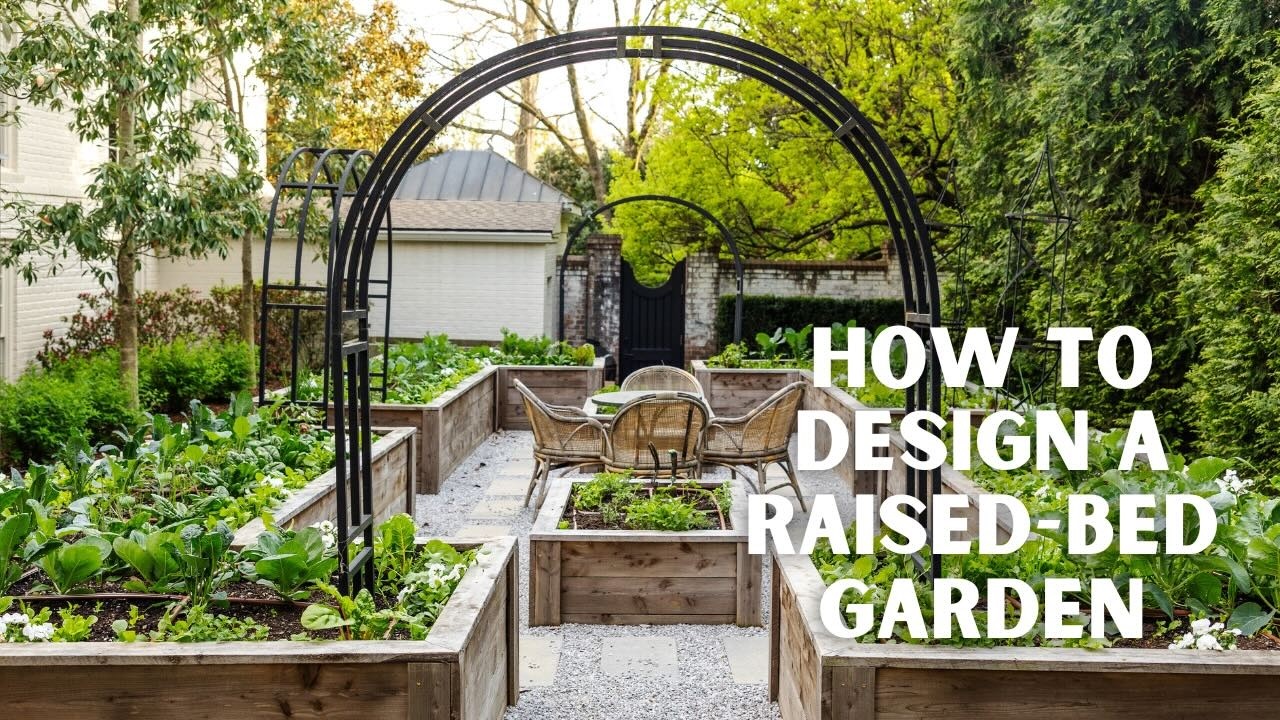
Credit: www.youtube.com
Creating A Layout Plan
Creating a layout plan for a garden involves assessing space, sunlight, and soil conditions. Choose plants that thrive in your area, and organize them for optimal growth. Consider pathways and focal points to enhance the garden’s aesthetics and functionality.
Creating a layout plan for your garden is like setting the foundation for a dream home. It’s where you map out how you want your space to function and feel. This is your chance to think creatively and practically about every square foot of your green oasis.Space Utilization
Maximizing space is crucial, especially in smaller gardens. Identify areas that can serve multiple purposes. For instance, a corner could host a cozy seating area and a vertical herb garden. Consider the sun’s path throughout the day. Plant sun-loving plants in areas that receive ample sunlight and reserve shadier spots for delicate foliage. This ensures every plant thrives in its designated space.Pathways And Borders
Pathways guide you through your garden, so choose materials that complement your overall design. Gravel paths offer a rustic charm, while stone or brick provides a more formal look. Borders define and protect your beds. Use them creatively to add texture and color. Low hedges, wooden beams, or even vibrant flowers can enhance the visual appeal. What kind of pathways would invite you to wander through your garden? Consider your style and how you want to feel as you stroll. This is where practical design meets personal expression.Incorporating Water Features
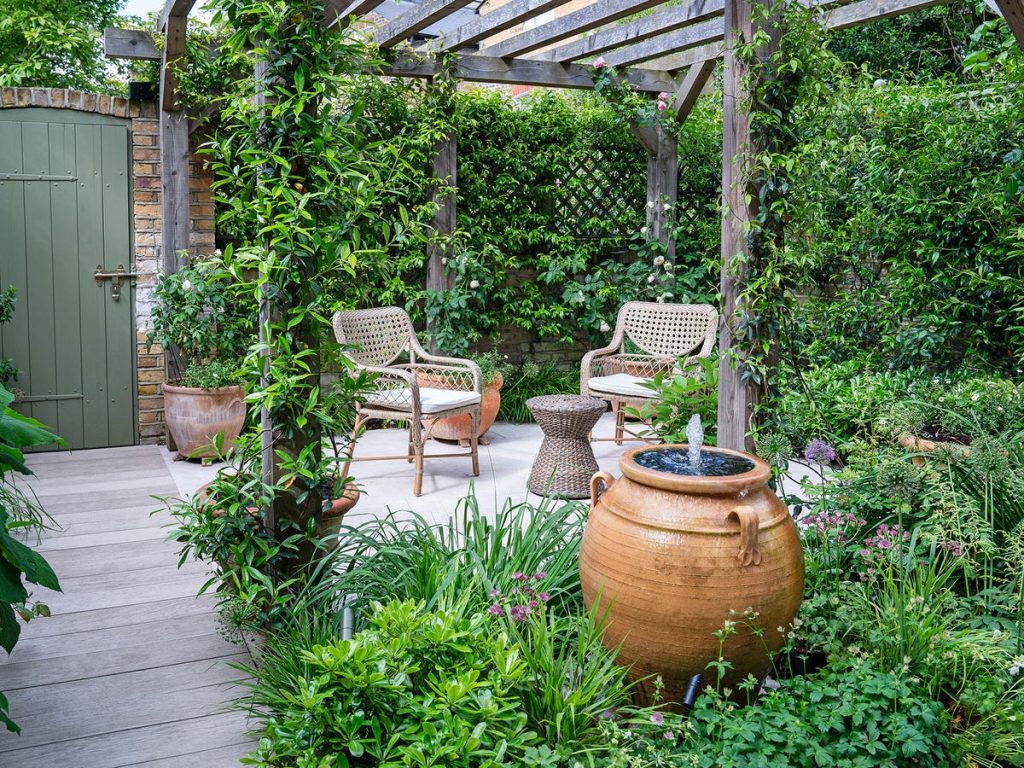
Incorporating water features in garden design adds beauty and tranquility. They attract wildlife and create a soothing atmosphere. Consider fountains, ponds, or small waterfalls for a peaceful retreat.
Incorporating water features in a garden transforms it into a peaceful retreat. The gentle sound of flowing water calms the mind and adds beauty. Water features also attract wildlife, creating a vibrant ecosystem. Gardens become lively as birds and butterflies visit. These features enhance the garden’s overall aesthetic and offer relaxation.Fountains And Ponds
Fountains and ponds bring elegance and tranquility. Fountains provide a soothing sound of water cascading. They can be a focal point, drawing attention to their intricate designs. Ponds, on the other hand, introduce life with fish and aquatic plants. They create a serene atmosphere, perfect for reflection and relaxation. Both elements add texture and movement to the landscape.Maintenance Tips
Proper maintenance ensures water features stay beautiful. Regularly clean fountains to prevent algae buildup. Use a brush or specialized cleaner for stubborn spots. For ponds, control algae by introducing pond plants. They absorb excess nutrients and maintain balance. Check pumps and filters to ensure they function well. Remove debris to keep water clear and fresh. These practices prolong the life and beauty of your water features.Lighting For Ambiance
Designing a garden with thoughtful lighting creates a peaceful ambiance. Use soft lights to highlight plants and paths. Choose warm bulbs to foster a cozy atmosphere, transforming outdoor spaces into inviting retreats.
Lighting for Ambiance Creating the right ambiance in your garden can transform it. The right lighting enhances beauty and functionality. It makes spaces inviting and sets the mood for relaxation. Choosing the right type of lighting is crucial. This can include solar or electric lights. Highlighting key areas is important for maximizing impact.Solar Vs Electric Lights
Solar lights are eco-friendly and easy to install. They use sunlight, which is free. Maintenance is low, but they depend on sun exposure. Electric lights offer more reliability. They provide consistent brightness. Installation may require professional help. Costs can be higher due to energy use.Highlighting Key Areas
Focus on areas that draw attention. Paths and walkways need gentle lighting for safety. Trees and plants benefit from uplighting. This creates dramatic effects. Seating areas should have soft lighting. It invites relaxation and conversation. Water features shine with underwater lights. They enhance the calming water sounds.Furniture And Decor
Designing a garden involves blending furniture and decor to create a peaceful outdoor space. Select durable and stylish pieces that complement natural surroundings. Use colors and textures that enhance the garden’s beauty and invite relaxation.
Creating a beautiful and functional garden involves more than just selecting the right plants and flowers. The furniture and decor you choose can transform your outdoor space into a personal oasis. Thoughtful choices in these areas can enhance both the aesthetics and usability of your garden, making it a place where you love to relax and entertain.Choosing Durable Materials
Selecting furniture that can withstand the elements is crucial. Outdoor furniture is exposed to sun, rain, and sometimes snow, so materials like teak, wrought iron, and powder-coated steel are excellent choices. They not only endure harsh weather but also maintain their appearance over time. Consider the maintenance each material requires. For example, teak naturally resists water and insects, but it may need occasional oiling to maintain its color. Always check if the furniture comes with weather-resistant cushions or if you need to purchase them separately.Enhancing Comfort And Style
Comfort is key when it comes to outdoor furniture. Opt for pieces that invite you to linger, like cushioned chairs or a hammock. Adjustable furniture, such as recliners, can cater to different relaxation preferences, providing both comfort and flexibility. Style should not be overlooked. Your garden decor should reflect your personal taste and complement the natural surroundings. Whether you prefer a rustic, modern, or eclectic look, choose decor pieces like lanterns, plant stands, or garden statues that enhance the overall theme. Ask yourself how each piece contributes to the ambiance. Does that bright cushion echo the vibrant blooms in your flower bed? Does the sleek design of your table set a contemporary tone? Making these connections can elevate your garden’s aesthetic harmony.
Credit: www.veranda.com
Sustainable Gardening Practices
Designing a sustainable garden involves choosing native plants that thrive with minimal water and care. Incorporate composting to enrich soil naturally and reduce waste. Implementing rainwater collection systems supports eco-friendly watering practices, ensuring a thriving garden with minimal environmental impact.
Sustainable gardening practices are more than a trend; they’re a necessity for a healthier planet. As you design your garden, incorporating eco-friendly techniques can save resources, enhance the environment, and make your outdoor space thrive. Imagine reducing waste, conserving water, and still having a lush, vibrant garden. Let’s dive into these practical approaches that can transform your gardening routine.Composting And Mulching
Composting is a fantastic way to reduce waste and enrich your soil. By turning kitchen scraps and garden waste into nutrient-rich compost, you create a natural fertilizer that helps plants grow stronger. Start by collecting vegetable peels, coffee grounds, and leaves in a compost bin. Mulching complements composting by retaining soil moisture and suppressing weeds. Apply a layer of organic mulch, like wood chips or straw, around your plants. This not only feeds the soil as it breaks down but also keeps your garden looking neat and tidy.Water Conservation Methods
Water conservation is crucial, especially in areas prone to drought. Consider using drip irrigation systems, which deliver water directly to plant roots, reducing wastage. Installing rain barrels is another effective way to collect and reuse rainwater for your garden. Think about grouping plants with similar water needs together. This makes watering more efficient and reduces the risk of over-watering. Have you ever noticed how much water is wasted with traditional sprinklers? Switching to more targeted methods can make a significant difference.Color And Texture In Design
Designing a garden involves careful selection of colors and textures. Bright flowers can create vibrant spaces, while varied textures add depth. Combining these elements thoughtfully enhances the visual appeal and mood of outdoor areas.
Color and texture are two critical elements in garden design that can transform your outdoor space into a vibrant and inviting oasis. By carefully selecting and combining these elements, you can create a garden that not only pleases the eye but also evokes emotion and adds depth. Think about the way different hues make you feel and how various textures invite touch and engagement.Using Contrasting Colors
When you use contrasting colors, your garden can become a lively and dynamic space. Pairing colors like purple and yellow or red and green can make certain plants pop, drawing attention to specific areas. Have you ever noticed how a burst of bright flowers can instantly lift your mood? Incorporating such contrasts can create a visually stimulating environment that captivates visitors. Consider using a color wheel to help you choose complementary colors that enhance one another. This tool can guide you in creating harmonious yet striking combinations. Always remember that too many contrasting colors can be overwhelming, so aim for balance to maintain a cohesive look.Integrating Different Textures
Texture in your garden design adds another layer of interest and complexity. Mixing smooth leaves with rough bark or delicate petals with coarse grasses can create a rich tapestry. Imagine walking through a garden where every step offers a new tactile experience—it’s like a feast for the senses. You can start by assessing your current garden layout and identifying areas where texture could be improved. Incorporate plants with different leaf shapes and surface textures, such as ferns with their lacy fronds next to bold, leathery hostas. How do these textures make you feel? Often, they can evoke a sense of wonder and curiosity, inviting you to explore further. By paying close attention to color and texture in your garden design, you can craft an outdoor space that is both beautiful and engaging. Whether you’re starting from scratch or enhancing an existing garden, these elements will help you create a sanctuary that reflects your personal style.Enhancing Privacy
Designing a garden with tall hedges and dense shrubs enhances privacy effectively. Natural barriers reduce visibility and create peaceful spaces. Select plants strategically to block unwanted views while maintaining aesthetic appeal.
Enhancing privacy in your garden creates a personal sanctuary. A well-designed space offers solitude and peace. It shields you from prying eyes. This guide explores ways to boost privacy using natural elements.Natural Screens
Natural screens are effective for privacy. Tall hedges serve as green walls. They block views and reduce noise. Bamboo grows quickly and forms dense barriers. Tall grasses sway gently, adding beauty and cover. Natural screens blend with the landscape. They provide shelter for birds and butterflies.Strategic Planting
Strategic planting enhances garden privacy. Layered planting adds depth and cover. Use tall plants at the back. Place medium ones in the middle. Short plants go in front. This arrangement blocks views effectively. Evergreen trees provide year-round coverage. Deciduous trees offer seasonal change. Mix textures and colors for interest. Select plants that match your climate. This ensures healthy growth and coverage.
Credit: awaytogarden.com
Frequently Asked Questions
How To Start Designing A Garden?
Begin by assessing your space and climate conditions. Determine your style preferences and make a list of desired plants. Create a rough layout considering sun exposure and soil type. Start small and expand gradually. Use online resources for inspiration and tips on plant combinations.
What Are Essential Elements In Garden Design?
Essential elements include pathways, focal points, and plant variety. Incorporate seating areas for relaxation and consider lighting for evening ambiance. Ensure a balance of colors and textures. Water features can enhance tranquility. Consider the maintenance level suited for your lifestyle.
How To Choose Plants For My Garden?
Choose plants based on your climate and soil type. Consider sun exposure and water requirements. Prioritize native species for sustainability. Mix perennials and annuals for year-round interest. Group plants with similar care needs together. Research growth habits to plan for mature sizes.
What Is The Importance Of Garden Layout?
A well-planned garden layout enhances functionality and aesthetics. It guides movement and creates harmony. Proper layout optimizes space and light exposure for plant health. It helps in organizing elements like pathways and seating. A thoughtful layout ensures a cohesive design.
Conclusion
Creating a garden design blends art and nature seamlessly. Embrace your creativity with plants, colors, and textures. A well-designed garden offers peace and beauty. Plan thoughtfully for each season. Choose plants that thrive in your environment. Don’t overlook the importance of paths and seating areas.
These spaces invite relaxation and enjoyment. Remember, gardens evolve over time. Patience rewards with lasting beauty. Take joy in nurturing your garden’s growth. Let it reflect your personal style. A garden becomes an extension of your home. With time and care, it flourishes, providing endless satisfaction.
Start today and watch your vision come to life.