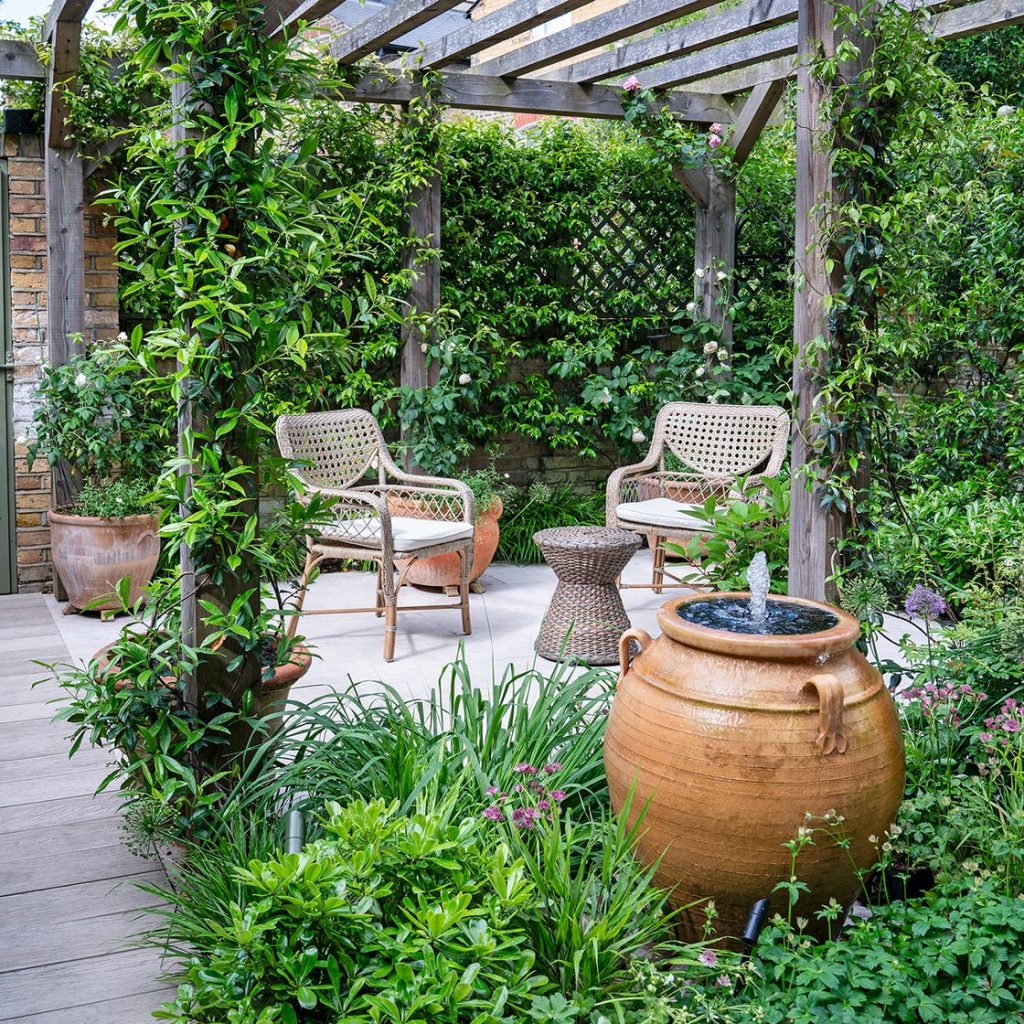
Imagine stepping into your backyard and being greeted by a lush, thriving garden that doesn’t require you to dig up the ground. Sounds perfect, right?
Designing a garden above ground is not only a practical solution for those with limited space or poor soil but also a creative outlet to express your style. Whether you’re a seasoned gardener or a complete beginner, you can transform a simple patch of grass or a concrete patio into a vibrant oasis.
In this guide, you’ll discover the simple steps to craft your own above-ground garden, tailored to fit your space and lifestyle. Get ready to unlock the potential of your outdoor area and enjoy the soothing benefits of greenery right at your fingertips. Keep reading to find out how easy and rewarding it can be to design your dream garden above ground.
Choosing The Right Location
Choosing the right location for your above-ground garden is crucial. The location affects plant health and growth. It should balance sunlight and accessibility. Below are key considerations for selecting the perfect spot.
Assessing Sunlight Exposure
Sunlight is vital for plants to thrive. Observe the sunlight patterns in your yard. Choose a spot with adequate sunlight throughout the day. Most plants need at least six hours of sun daily. Consider any structures that may cast shadows.
Considering Accessibility
Accessibility is important for maintaining your garden. Ensure the garden is easy to reach from your home. This helps in regular watering and care. Think about pathways and space for tools. It should be convenient for daily visits.

Credit: www.goodhousekeeping.com
Selecting Suitable Containers
Choosing the right containers elevates your garden design. Select sturdy, weather-resistant pots to ensure durability. Opt for sizes that suit your plants, allowing room to grow.
Selecting the right containers is crucial for a successful above-ground garden. Containers determine how well your plants grow. They affect soil, water, and root space. Consider materials, size, and shape for the best results.Materials For Durability
Choose containers made from strong materials. They should withstand weather changes. Some common options include:- Plastic: Lightweight and affordable. Retains moisture well.
- Ceramic: Aesthetic and sturdy. Offers good insulation.
- Wood: Natural look. Requires regular maintenance.
- Metal: Durable and stylish. May heat up in the sun.
- Fiberglass: Lightweight and long-lasting. Resists cracking.
Size And Shape Considerations
Container size affects plant growth. Larger containers offer more soil and root space. Small containers are good for herbs and small plants. Ensure containers have enough depth for roots. Shapes can also impact your garden’s look. Round containers suit single plants. Rectangular ones fit multiple plants. Vertical containers save space in small areas. Pick shapes that match your garden style. Ensure containers have drainage holes. This prevents waterlogging and root rot. Proper drainage is key for healthy plants.Soil And Drainage
Ensure proper soil depth and quality for healthy plants. Effective drainage prevents waterlogging in above-ground gardens.
Designing a garden above ground involves many factors, with soil and drainage being crucial. The right soil mix and drainage system ensure healthy plant growth. Without these, plants struggle to thrive. Let’s explore how to choose the right soil mix and ensure proper drainage.Choosing The Right Soil Mix
Select a soil mix that suits your plants. Most above-ground gardens need lightweight, well-draining soil. A good mix includes peat moss, vermiculite, and compost. These components provide nutrients and retain moisture. Avoid heavy garden soil; it may compact and restrict roots. Consider adding perlite for better aeration. This helps roots breathe and grow freely.Ensuring Proper Drainage
Proper drainage prevents waterlogging and root rot. Ensure your garden containers have drainage holes. This allows excess water to escape. For larger gardens, create a drainage layer. Use gravel or small stones at the bottom. This helps direct water away from roots. Elevate your garden slightly to improve drainage. Use bricks or wooden blocks for support. This ensures water flows out efficiently. Regularly check drainage systems to prevent clogs. Clean and maintain them for optimal performance.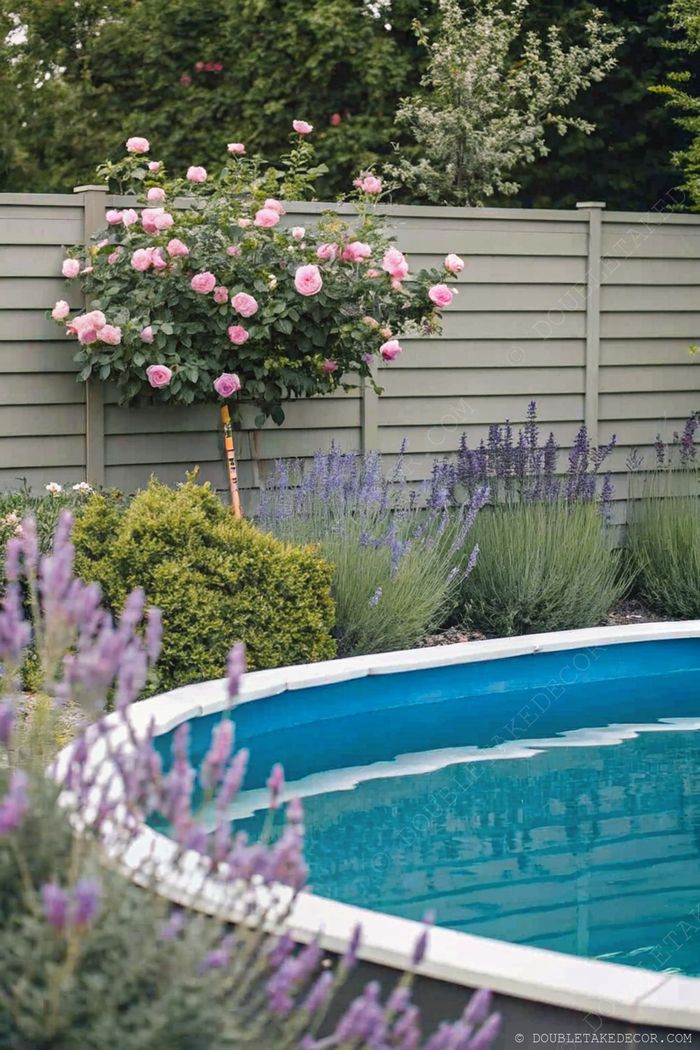
Credit: doubletakedecor.com
Plant Selection
Select plants suited to your climate for a thriving above-ground garden. Consider sunlight, space, and soil needs. Mix colors and textures for visual appeal.
Selecting the right plants for your above-ground garden is crucial to ensuring it thrives. Whether you’re a novice gardener or an experienced one, understanding the needs of your chosen plants can make all the difference. Let’s delve into some key considerations for plant selection that will set your garden up for success.Understanding Climate Compatibility
Your garden’s location plays a pivotal role in plant selection. Are you in a region with harsh winters or sweltering summers? Choose plants that can endure the local climate conditions. Think about the sunlight exposure your garden will receive. Some plants flourish in full sun, while others prefer shade. It’s essential to match plant preferences with your garden’s light conditions. Consider local flora to minimize environmental impact. Native plants are naturally adapted to your area’s climate, making them a sustainable choice.Choosing Low-maintenance Options
Busy life? You might want plants that demand less attention. Opt for species that require minimal watering and pruning. These plants free up your time without compromising garden beauty. Perennials are a great choice for low-maintenance gardening. They bloom year after year, reducing the need for yearly replanting. Don’t overlook ground covers. They suppress weeds and retain moisture, cutting down on garden upkeep. Wouldn’t it be nice to spend more time enjoying your garden than tending to it? Selecting the right plants isn’t just about aesthetics; it’s about creating a sustainable and manageable garden. By considering climate compatibility and choosing low-maintenance options, you can ensure your garden flourishes with minimal effort.Designing For Aesthetics
Creating an above-ground garden involves choosing containers that complement the landscape. Ensure the selection of plants suits the climate and soil. Arrange elements thoughtfully to achieve visual harmony and balance.
Designing for Aesthetics Creating a beautiful above-ground garden is not just about planting flowers and shrubs; it’s about crafting a visual story that captivates the senses. Your garden should be a reflection of your taste, a space where colors, shapes, and textures come together in harmony. Let’s explore how you can achieve this by focusing on color schemes and visual balance.Incorporating Color Schemes
Choosing the right color scheme can transform your garden from ordinary to extraordinary. Consider the mood you want to evoke. Do you want a calming sanctuary with cool blues and greens, or a vibrant oasis with reds and yellows? Think about how colors will look throughout the seasons. A garden rich in evergreens can maintain its charm even in winter, while a mix of annuals and perennials offers a dynamic palette year-round. Experiment with complementary colors for a striking contrast or analogous colors for a more cohesive look. Use a color wheel to guide your decisions and don’t be afraid to try something bold.Creating Visual Balance
Balance is key to a pleasing garden design. It’s about arranging elements so that no single part overwhelms the others. Consider the size, shape, and placement of plants and ornaments. Symmetrical gardens have a formal look, with mirrored planting on either side, while asymmetrical designs feel more natural and relaxed. Which style resonates with you? Add vertical interest with tall plants or trellises to draw the eye upwards. This creates a sense of depth and makes the space feel larger than it is. Think about the texture and density of your plants. Mix fine-textured foliage with bold, broad leaves to keep the eye moving across your garden. Do you have a favorite plant or ornament? Use it as a focal point to anchor the space and give your garden a unique identity. Remember, the best gardens are those that reflect your personality and make you feel at home. How will you bring your vision to life?Maintenance Tips
Designing an above-ground garden requires thoughtful planning and regular care. Ensure soil depth is adequate for plant roots to thrive. Choose containers that offer good drainage to prevent waterlogging.
Designing a garden above ground brings an array of benefits, from easy accessibility to enhanced control over soil conditions. However, maintaining such a garden requires a thoughtful approach to ensure its thriving success. Let’s delve into some essential maintenance tips that will keep your above-ground garden lush and vibrant all season long.Watering Strategies
Effective watering is crucial for an above-ground garden. The raised nature of the garden can lead to quicker soil drying. Consider using a drip irrigation system for consistent moisture without over-saturating the soil. If you prefer a more hands-on approach, water early in the morning or late in the afternoon to minimize evaporation. Always check the soil moisture by sticking your finger about an inch deep. If it feels dry, it’s time to water.Pest And Disease Management
Keeping pests and diseases at bay is vital for a healthy garden. Start by choosing disease-resistant plant varieties. Regularly inspect plants for any signs of trouble, like discolored leaves or unusual spots. Encourage beneficial insects like ladybugs, which naturally control pests. If you spot an infestation, consider organic solutions like neem oil or insecticidal soap, which are effective yet gentle on plants. Rotate crops each season to disrupt pest life cycles and reduce disease risk. Maintaining your above-ground garden doesn’t have to be overwhelming. By implementing these strategies, you can ensure a flourishing garden that brings joy and satisfaction throughout the year. What steps will you take today to enhance your garden’s health?Sustainable Practices
Elevate your garden with sustainable techniques. Use recycled materials for raised beds to reduce waste. Plant native species that thrive naturally and need less water.
Designing a garden above ground offers many opportunities for sustainable practices. Embracing these methods supports the environment and your garden’s health. Sustainable gardening involves using resources wisely and minimizing waste. It ensures the garden thrives for years to come.Utilizing Organic Methods
Organic gardening enhances soil health and plant vitality. Use natural compost to enrich the soil. This reduces the need for chemical fertilizers. Organic pest control methods protect plants without harming beneficial insects. Companion planting is another effective strategy. Pairing certain plants together can naturally repel pests.Implementing Water Conservation
Water conservation is crucial in sustainable gardening. Install rain barrels to collect rainwater. Use this water for irrigation. Drip irrigation systems deliver water directly to plant roots. This reduces evaporation and water waste. Mulching around plants helps retain soil moisture. It also regulates soil temperature, benefiting plant health.Enhancing Functionality
Enhancing the functionality of your above-ground garden not only maximizes space but also adds layers of enjoyment and usability. Creating a garden that serves multiple purposes can transform your outdoor area into a true oasis. Imagine a garden that not only pleases the eyes but also provides comfort and practicality.
Adding Seating Areas
Seating areas in your garden invite you to relax and enjoy the fruits of your labor. Consider placing benches or chairs where you can unwind while surrounded by nature. Think about the best spots for morning sun or afternoon shade, depending on your preference.
Using weather-resistant materials ensures your seating withstands the elements and stays beautiful. Try mixing seating styles, such as combining a rustic wooden bench with sleek modern chairs. This adds visual interest and caters to different comfort needs.
Incorporating Vertical Elements
Vertical elements can significantly enhance the functionality of your garden, especially in smaller spaces. Adding trellises, wall planters, or vertical gardens helps you make the most of vertical space. This is particularly useful if you have limited ground area but still want to grow a variety of plants.
Consider what plants thrive in vertical setups. Climbing plants like peas or beans can add both beauty and bounty to your garden. Don’t forget about decorative options, like hanging baskets filled with flowers, which can bring color and vibrancy to higher levels.
What’s your creative solution for adding height and dimension to your garden? Think about how vertical elements can transform your space, making it both functional and stunning.

Credit: www.pinterest.com
Frequently Asked Questions
What Is The Best Soil For Raised Gardens?
The best soil for raised gardens is a mix of topsoil, compost, and organic matter. This combination ensures good drainage, nutrient availability, and supports healthy plant growth. Aim for a balanced pH level to suit the specific plants you choose.
How Much Sun Do Raised Gardens Need?
Raised gardens typically need at least six hours of sunlight daily. This is crucial for photosynthesis and healthy growth. Choose a location that receives adequate sun exposure throughout the day for optimal results.
Can I Use Containers For A Raised Garden?
Yes, containers are ideal for raised gardens. They offer flexibility in design and placement. Ensure containers have proper drainage and are filled with nutrient-rich soil for plant health. Consider the size based on the plants you wish to grow.
How Do I Prevent Pests In A Raised Garden?
Prevent pests by using natural deterrents like neem oil or garlic spray. Regularly inspect plants for signs of infestation. Companion planting can also help deter common garden pests. Keep the garden clean and remove any debris.
Conclusion
Creating a garden above ground is a joyful task. It brings nature closer to home. With thoughtful planning, you can design a vibrant space. Choose plants that thrive in your climate. Arrange them for beauty and easy care. Use containers that suit your style.
This method offers flexibility and less soil hassle. Enjoy experimenting with layouts and colors. Your garden can become a peaceful retreat. A place to relax and unwind. Embrace the process and watch your garden flourish. Gardening above ground is both rewarding and fun.
Share your garden’s story with friends and family.







