Imagine stepping into your backyard and seeing rows of vibrant vegetables and flowers flourishing under the sun. It’s not just a dream; it’s something you can achieve with a bit of guidance.
Creating rows for planting a garden might seem daunting at first, but it’s simpler than you think. With the right techniques, you can maximize space, enhance growth, and make your gardening experience more enjoyable. In this guide, you’ll learn how to make rows that cater to your plants’ needs while optimizing your garden layout.
Whether you’re a beginner or a seasoned gardener, understanding how to organize your garden can make a world of difference. Ready to transform your garden into a paradise of lush rows? Let’s dive into the steps and tips you need to get started.
Credit: savvygardening.com
Choosing The Right Location
Choosing the Right Location Selecting a sunny spot is crucial for garden success. Ensure good drainage to prevent waterlogging. Consider proximity to a water source for easy watering.
Choosing the right location for your garden rows is crucial. A well-chosen spot ensures healthy plant growth and a bountiful harvest. The location affects sunlight exposure and soil quality, both vital for successful gardening. Here’s how to make an informed decision.Assessing Sunlight Needs
Plants need sunlight to thrive. Observe your yard to find areas that receive sunlight. Most vegetables require at least six hours of sunlight daily. Watch for shadows from trees, buildings, or fences. Morning sunlight is ideal as it helps dry dew quickly. Ensure your chosen location gets ample light throughout the day.Considering Soil Quality
The soil’s condition influences plant health. Check the soil texture in your garden area. Good soil is loose, dark, and crumbly. Avoid locations with compacted or rocky soil. Test the soil to determine its pH level. Most plants prefer neutral to slightly acidic soil. Enrich poor soil by adding organic matter like compost or manure. This improves nutrient content and drainage, essential for plant roots.Planning Your Garden Layout
Planning your garden layout is a crucial first step in creating a productive and beautiful garden. It involves thoughtful consideration of the space, sunlight, and type of plants you want to grow. A well-planned layout not only maximizes your yield but also makes maintenance more manageable.
Determining Row Orientation
Start by considering the direction your garden rows will face. Aligning your rows north to south allows for even sun exposure throughout the day. This orientation helps plants grow evenly and reduces competition for sunlight.
If your garden is on a slope, orient rows perpendicular to the slope to minimize soil erosion. Think about how the wind moves through your garden, as rows facing prevailing winds may need windbreaks. Observing these natural elements can save you from headaches later on.
Spacing Considerations
Spacing between rows is vital for plant health and maintenance convenience. For most vegetables, a spacing of 18 to 36 inches between rows is optimal. This allows enough room for airflow and access for weeding and harvesting.
Consider the mature size of your plants. Tomatoes and corn need wider spacing compared to lettuce or radishes. Ask yourself: will a wheelbarrow fit between these rows? Having enough space can make gardening tasks much easier.
Remember, your garden is unique. Experiment with spacing that fits your specific needs. Each season brings new insights, so take notes and adjust as needed.
Preparing The Soil
Preparing the soil involves clearing debris and loosening dirt for better root growth. Use a hoe or shovel to form straight rows, ensuring ample space between them for plant growth and easier watering. This groundwork fosters a healthy garden environment.
Preparing the soil is crucial for a healthy garden. It sets the foundation for plant growth and ensures nutrients are readily available. Well-prepared soil boosts plant health and productivity. It also helps with water drainage and root development. Here’s how you can prepare your soil for planting rows effectively.Clearing And Tilling
Start by removing rocks, weeds, and debris from the planting area. These can hinder plant growth and should be cleared away. Use a shovel or rake to gather and dispose of them. Next, till the soil to break it up. This process aerates the soil and improves its texture. A rototiller can make this task easier. If you don’t have one, a garden fork works well. Turn the soil over to a depth of at least 12 inches.Adding Organic Matter
Organic matter enriches soil with nutrients. It improves water retention and drainage. Spread compost, aged manure, or peat moss over the tilled soil. Aim for a layer about two inches thick. Use a rake to mix it into the topsoil. This helps integrate the nutrients throughout the soil. Organic matter also promotes beneficial microbial activity. It creates a fertile environment for seeds and plants.Building Rows
Creating rows for a garden involves spacing them evenly and aligning them straight. Use a garden string or stick to mark the path, ensuring consistent depth and width for each row. This method helps plants grow well and makes maintenance easier.
Building rows in your garden is a crucial step that sets the foundation for a thriving plant life. It’s not just about digging in the dirt; it’s about creating a structured environment that maximizes growth potential. Whether you’re nurturing tomatoes or cultivating carrots, well-built rows can make all the difference. Let’s dive into the practical aspects of measuring and marking, and crafting raised rows that will boost your garden’s productivity.Measuring And Marking
Precision is key when it comes to measuring and marking your garden rows. Begin by deciding the width and length of your rows, keeping in mind the space requirements of your chosen plants. A simple tape measure will do wonders in ensuring your rows are evenly spaced. To ensure straight lines, use stakes and string as guides. Place stakes at each end of the row and stretch a string between them. This guide helps you keep everything aligned, making planting easier and more organized. Think about the sunlight. Are your rows positioned to get the most out of the day? Remember, the alignment can affect how much sun each plant gets.Creating Raised Rows
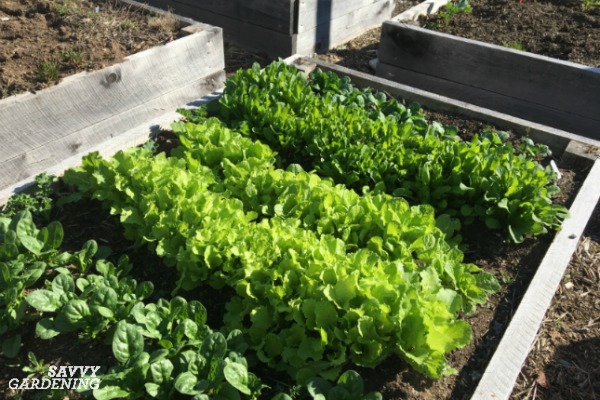
Raised rows offer several benefits, such as improved drainage and easier weed management. To build them, start by loosening the soil with a garden fork or tiller. This makes it easier to form the raised structure. Once the soil is loose, shape it into rows about six inches high. Use a rake to smooth the tops, making sure they’re level. This height helps water run off, preventing root rot and maintaining healthy plants. Consider adding compost or organic matter on top of your rows. This enriches the soil and gives your plants a nutrient boost right from the start. Plus, it’s a sustainable way to recycle kitchen scraps! What’s your favorite memory of building garden rows? Does the satisfaction of seeing neat, organized rows make the effort worthwhile? Share your thoughts and connect with fellow gardeners who have found joy in the rhythm of row creation.Watering And Drainage
Watering and drainage are vital for healthy garden rows. Plants need water to grow, but too much can harm them. Good drainage ensures plants don’t sit in water. This section explores irrigation and drainage solutions for your garden.
Installing Irrigation Systems
Irrigation systems help water your plants efficiently. Drip irrigation delivers water directly to roots. This method saves water and reduces waste. For larger gardens, consider a sprinkler system. Sprinklers cover more ground and are easy to install. Automatic timers can simplify watering schedules. They ensure plants get water consistently.
Ensuring Proper Drainage
Proper drainage prevents water from pooling in your garden. Raised beds are a great option for better drainage. They elevate soil and allow water to flow away. Adding organic matter like compost improves soil structure. It helps water move through the soil easily. Ensure your garden rows are slightly sloped. This slope directs water away from plant roots.

Credit: www.epicgardening.com
Maintaining Row Health
Creating healthy rows is essential for a thriving garden. Start by marking straight lines using stakes and string. Ensure equal spacing between rows for optimal sunlight exposure and easy maintenance.
Maintaining row health is crucial for a thriving garden. Healthy rows ensure your plants receive optimal nutrients and moisture. Regular care keeps your garden productive and beautiful.Mulching Techniques
Mulching protects the soil from erosion and retains moisture. Organic mulches like straw or wood chips enrich the soil. Spread mulch evenly over rows to prevent weeds. A layer of mulch keeps soil temperature stable. It helps roots grow strong and deep. Replenish mulch as it breaks down to maintain coverage.Managing Weeds
Weeds compete with plants for nutrients and sunlight. Regular weeding prevents them from overtaking your garden. Use a hoe or hand tools to remove weeds. Pull them out by the roots to stop regrowth. Consider using landscape fabric to block weed growth. It covers the soil, preventing weed seeds from sprouting. Regularly inspect rows for new weeds and act promptly.Planting Considerations
Planting a garden is more than just digging holes and placing seeds. It requires careful thought about your plant choices and techniques. These considerations can impact your garden’s success and your satisfaction with the results.
Selecting Suitable Plants
Choosing the right plants is crucial for a thriving garden. Consider your local climate and soil type. Research plants that thrive in your area’s conditions. Think about the sunlight in your garden. Some plants love full sun, while others prefer shade. Your garden’s location can guide your choices. Use diversity to your advantage. Mixing different plants can enhance growth and deter pests. A varied garden is not only more resilient but also more visually appealing.
Planting Techniques
Techniques matter as much as plant choice. Ensure proper spacing to prevent overcrowding. This allows each plant access to nutrients and sunlight. Depth is key when planting seeds or seedlings. Follow instructions on seed packets for best results. Too deep or too shallow can hinder growth. Consider companion planting. Some plants benefit from being close to each other. For example, planting basil near tomatoes can improve growth and flavor. Are you pairing your plants wisely?
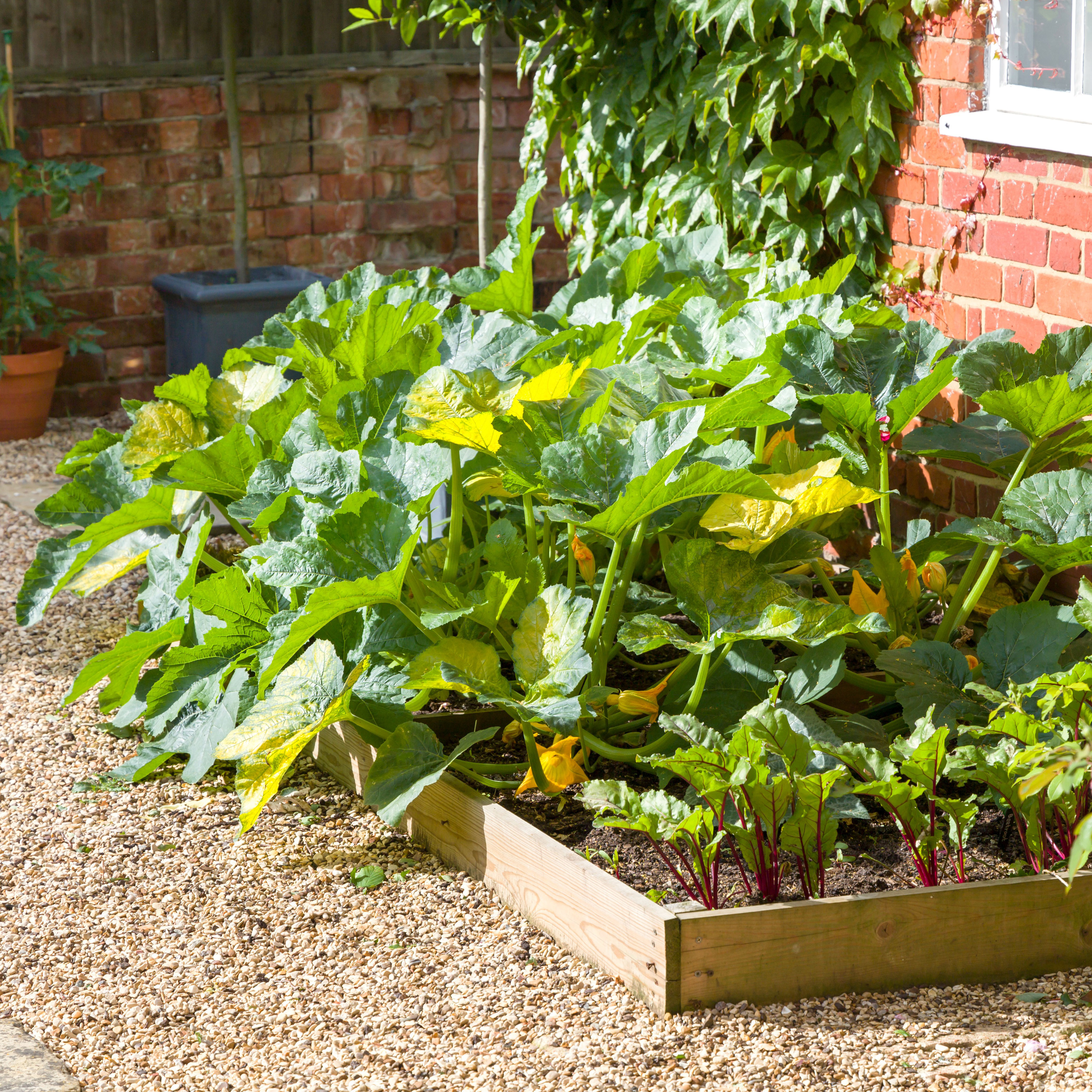
Credit: www.gardeningknowhow.com
Expert Tips For Success
Prepare the soil by removing weeds and rocks. Use a string to mark straight lines. Space rows evenly for optimal plant growth.
Creating perfectly aligned rows for your garden can be both an art and a science. It’s not just about aesthetics; the way you plant your rows can impact the health and yield of your garden. With the right approach, you can maximize your garden’s productivity and efficiency. Here are some expert tips to help you get those rows just right.Seasonal Adjustments
Every season brings its own set of challenges and opportunities for gardening. In spring, the soil may still be wet and compacted from winter, so consider waiting until it dries out a bit before you start forming rows. You can perform a simple test by squeezing a handful of soil. If it crumbles easily, it’s ready. Summer heat can cause soil to dry out quickly. You might need to water the soil before planting to make it easier to work with. This will help you form neat, well-defined rows. In autumn, falling temperatures mean you’ll need to work quickly. Use a spade to turn the soil and create rows before it gets too cold and hard.Common Mistakes To Avoid
Even seasoned gardeners can make a few missteps when planting rows. A common mistake is making rows too close together. Plants need space to grow, so ensure there’s enough room for air circulation and sunlight. Crowded plants are more susceptible to diseases. Another pitfall is neglecting to account for the slope of your garden. Planting rows perpendicular to the slope can lead to erosion. Instead, align rows with the natural contour of the land. Lastly, don’t overlook the importance of soil preparation. Skipping soil testing or ignoring soil amendments can lead to poor plant growth. Always test your soil’s pH and nutrient levels before planting. These tips are designed to help you create the perfect garden rows. With a little planning and attention to detail, your garden can thrive. What challenges have you faced when making rows, and how did you overcome them? Share your experiences in the comments below!Frequently Asked Questions
What Tools Are Needed For Garden Rows?
To make garden rows, you’ll need basic tools like a shovel, hoe, and rake. A measuring tape ensures even spacing. Use stakes and string for straight lines. These tools help prepare soil, mark rows, and maintain order, making planting efficient and organized.
How Deep Should Garden Rows Be?
Garden rows should generally be 6-12 inches deep. Depth depends on plant type and soil quality. Shallow rows suit small seeds; deeper ones accommodate larger plants. Proper depth ensures good root development and water drainage, promoting healthy plant growth.
How Far Apart Should Rows Be Spaced?
Row spacing varies with plant type, typically 12-36 inches apart. Wider spacing suits larger plants, while smaller ones need less. Adequate spacing ensures good air circulation and sunlight access, reducing disease risk and optimizing growth conditions.
What Is The Best Time To Make Rows?
Spring is ideal for making garden rows. Soil is easier to work with after winter thaw. Early preparation ensures timely planting. Avoid wet conditions to prevent soil compaction. Proper timing leads to successful germination and healthy plant growth.
Conclusion
Creating rows for planting a garden is easy. Start with planning your layout. Then, measure the space carefully. Use string to guide straight lines. Dig the soil with a hoe or shovel. Keep the rows even and spaced. This allows plants to grow well.
Remember to adjust row size based on plant type. Some need more space. Others less. Proper rows help water reach roots. They also make harvesting easier. Enjoy your garden’s growth and beauty. With care, it will flourish. Happy gardening!