Are you dreaming of a vibrant, colorful garden that thrives year after year? Designing a Zone 7 perennial garden could be your answer.
Imagine walking into your backyard and being greeted by a symphony of blossoms that require minimal upkeep. Sounds perfect, right? Zone 7 offers a unique climate, with its moderate winters and warm summers, that allows for a diverse range of perennials to flourish.
Whether you’re a seasoned gardener or just starting out, creating a perennial garden in this zone can transform your outdoor space into a haven of beauty and tranquility. This guide will walk you through the essentials of designing a stunning Zone 7 perennial garden, ensuring every plant you choose will not only survive but thrive. Let’s turn your gardening dreams into a reality, one perennial at a time!
Choosing The Right Plants
Designing a Zone 7 perennial garden is an exciting opportunity to blend beauty and sustainability. Choosing the right plants is crucial to ensure your garden thrives all year long. It’s not just about aesthetics; it’s about selecting plants that harmonize with the local climate and soil conditions. Let’s dive into the specifics of plant selection to make your garden flourish.
Native Plant Selection
Native plants are your best friends when designing a Zone 7 garden. They naturally thrive in local conditions and require less maintenance. Consider adding Black-eyed Susanor Eastern Red Columbineto your mix. These plants will attract local wildlife, such as birds and butterflies, making your garden a lively ecosystem.
Have you noticed how native plants seem to know the rhythm of your garden? They bloom and grow in perfect harmony with the seasons. By choosing native plants, you’re not just planting; you’re creating a space that resonates with nature.
Drought-tolerant Varieties
Zone 7 gardens can face dry spells, so drought-tolerant plants are essential. Think about including varieties like Lavenderand Russian Sage. These plants are resilient and can withstand periods without water, reducing your need for constant irrigation.
Imagine a garden that looks lush and vibrant, even during the hottest days. Drought-tolerant plants make that possible. They save water and effort, allowing you to enjoy your garden without constant upkeep. Isn’t it fascinating how some plants can handle the heat with grace?
By choosing the right plants, you’re not just filling your garden with beauty; you’re ensuring it thrives with minimal effort. What plants will you choose to create your perfect Zone 7 oasis?
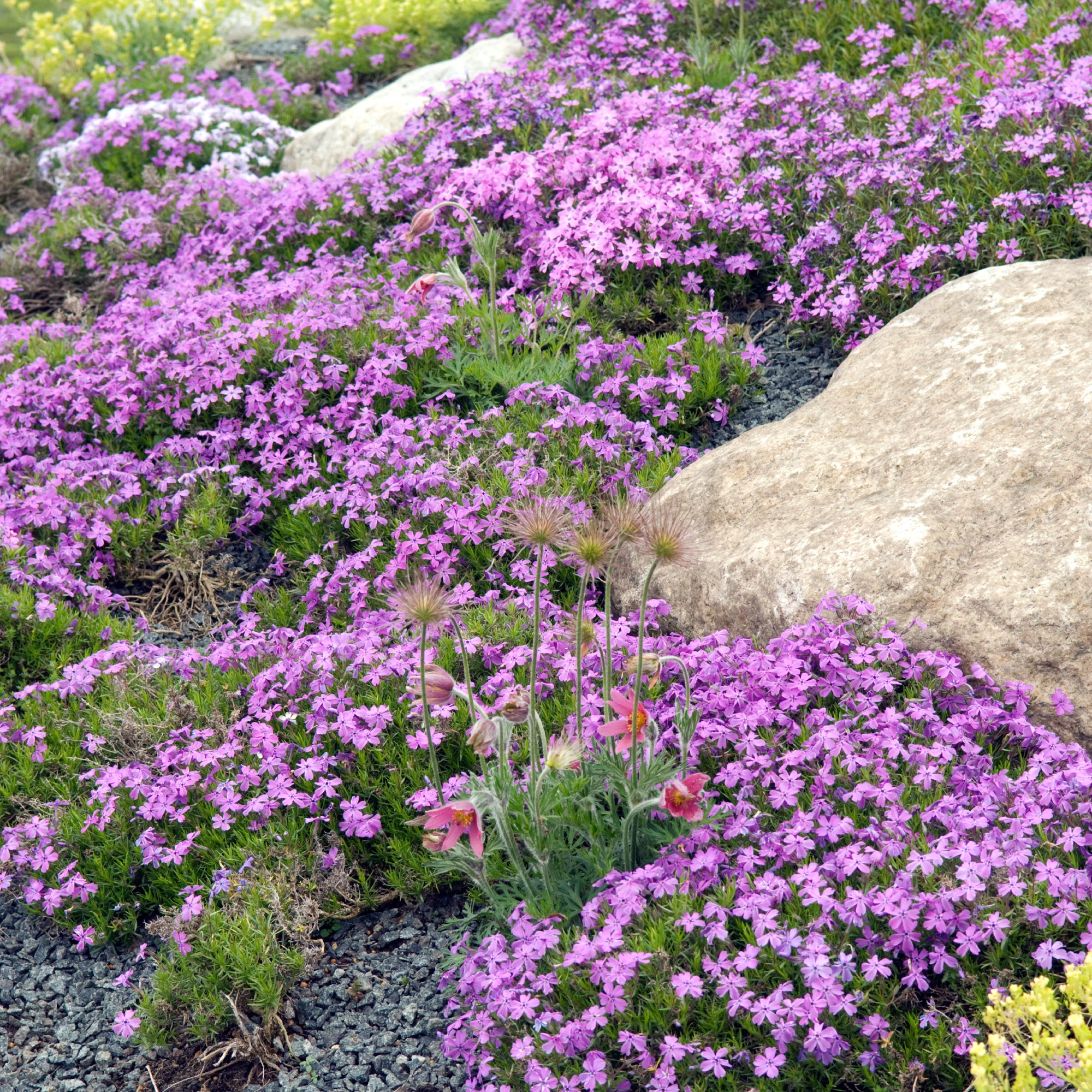
Credit: www.gardeningknowhow.com
Understanding Zone 7 Climate
Designing a Zone 7 perennial garden requires understanding its climate. Zone 7 offers a unique blend of warm and cool seasons. This climate supports a diverse range of plants. Knowing the climatic conditions helps in choosing the right perennials.
Temperature And Weather Patterns
Zone 7 experiences mild winters and warm summers. Winter temperatures range from 0°F to 10°F. Summers are generally hot, reaching up to 90°F. Rainfall is evenly distributed throughout the year. This balance of heat and moisture supports many plants.
Seasonal Changes
Seasonal transitions are distinct in Zone 7. Spring brings mild warmth and frequent showers. Summer maintains consistent heat, ideal for sun-loving plants. Fall cools the air, with leaves turning vibrant colors. Winters are mild, with rare snowfalls. These changes create a dynamic garden environment.
Soil Preparation Techniques
Preparing soil for Zone 7 perennial gardens involves testing soil pH and nutrients. Adding organic matter helps improve soil texture. Ensure proper drainage to prevent waterlogging.
Soil preparation is key to a thriving Zone 7 perennial garden. Proper soil preparation ensures plants get the nutrients they need. It also aids in drainage and root development.Testing Soil Quality
Begin by testing your soil quality. This helps in understanding the soil’s pH and nutrient levels. Use a simple soil test kit available at garden centers. Follow the instructions on the kit for accurate results. Check for pH levels; ideal is between 6.0 and 7.0 for most perennials. Note any deficiencies in nitrogen, phosphorus, or potassium. This information is vital for the next step.Amending Soil For Perennials
Amend the soil based on test results. Add lime if the soil is too acidic, sulfur if it’s too alkaline. Incorporate compost to enhance soil texture and nutrient content. Use organic matter like aged manure or leaf mold. These improve drainage and add essential nutrients. For clay-heavy soils, add sand or gypsum to improve texture. Sandy soils benefit from adding peat moss to retain moisture. Mix amendments into the top 12 inches of soil. This depth ensures roots access nutrients easily. Use a spade or rototiller for even distribution. Proper soil preparation sets the foundation for a healthy, vibrant garden.Garden Layout And Design
Designing a Zone 7 perennial garden involves choosing plants that thrive in mild winters and warm summers. Consider layout balance, color schemes, and plant heights to create a visually appealing space. Optimize sunlight exposure and soil conditions to ensure healthy growth and vibrant blooms year-round.
Designing a Zone 7 perennial garden can be an exciting journey. The key is in creating a layout that not only meets the climatic needs but also enhances the beauty of your outdoor space. With thoughtful garden layout and design, you can transform a simple yard into a vibrant landscape that thrives year after year.Creating Focal Points
Establishing focal points in your garden gives the eye a place to rest. Consider adding a unique sculpture, a birdbath, or a stunning plant variety. This draws attention and adds personality to your garden. Think about what you want to highlight. Is it a vibrant cluster of flowers, a small water feature, or a bench under a tree? Choose elements that reflect your style and invite curiosity. A personal tip: I added a brightly colored bench to my garden. It became a favorite spot not just for sitting, but also for capturing family photos.Spacing And Layering
Proper spacing and layering are crucial for a thriving garden. Ensure each plant has enough room to grow without overcrowding others. This promotes healthy growth and reduces competition for resources. Layering adds depth and dimension to your garden. Plant taller perennials at the back and shorter ones at the front. This creates a tiered effect, giving each plant a chance to shine. Consider the sunlight needs of each plant when layering. Place sun-loving plants in more exposed areas and shade-lovers where they’ll be protected. How do you envision your garden evolving as plants mature? Planning now can prevent headaches later. Gardening is a blend of creativity and practicality. These layout strategies can transform your Zone 7 garden into a perennial paradise. What will your garden say about you?Watering Strategies
Effective watering strategies ensure a thriving Zone 7 perennial garden. Group plants with similar water needs together. Use mulch to retain moisture and reduce evaporation.
Designing a Zone 7 perennial garden requires thoughtful watering strategies to ensure plants thrive through variable climates. A successful approach balances efficient water use with maintaining the health of your garden. By implementing smart techniques, you can reduce water waste while keeping your garden lush and vibrant.Efficient Irrigation Systems
Invest in a drip irrigation system to target the roots directly. This minimizes evaporation and ensures each plant receives the right amount of water. Consider using a timer to schedule watering early in the morning or late in the evening when evaporation rates are lower. Sprinkler systems with adjustable heads can cover larger areas effectively. Choose sprinklers that provide even distribution to avoid overwatering certain spots. Remember, water deeply but infrequently to encourage deep root growth.Rainwater Harvesting
Collect rainwater to reduce reliance on municipal water sources. Install rain barrels under your downspouts to capture runoff during storms. Use this collected water during dry periods to sustain your garden without increasing your water bill. Think about positioning your rain barrels in convenient locations for easy access. By using rainwater, you not only save money but also make an environmentally friendly choice. Plus, plants often prefer rainwater as it lacks the chemicals found in treated water supplies. Incorporating these watering strategies can transform your Zone 7 garden into a sustainable and flourishing oasis. Have you tried any of these methods? How did they impact your garden’s health and water usage?
Credit: www.youtube.com
Maintaining Plant Health
Designing a Zone 7 perennial garden requires selecting plants that thrive in moderate climates. Consider soil type, sunlight, and water needs. Planting native species helps maintain plant health and supports local wildlife.
Maintaining Plant Health A thriving Zone 7 perennial garden is a blend of art and science, where the health of your plants plays a pivotal role. Ensuring that your garden remains vibrant and disease-free requires a bit of knowledge and consistent care. By focusing on essential aspects like fertilization and pest management, you can cultivate a lush garden that’s the envy of your neighborhood.Fertilization Tips
Proper fertilization is crucial for the health of your perennials. Each plant has unique nutrient needs, and understanding these can make all the difference. A soil test can be a game-changer, revealing what your garden soil lacks and helping you choose the right fertilizer. Consider using a balanced, slow-release fertilizer to provide consistent nutrients over time. Organic options like compost and well-rotted manure can improve soil structure and fertility naturally. Remember, over-fertilizing can be as harmful as not fertilizing at all, leading to weak growth and increased susceptibility to pests.Pest And Disease Management
Pests and diseases are inevitable, but they don’t have to wreak havoc on your garden. Regularly inspect your plants for signs of trouble, such as discolored leaves or unusual spots. Early detection allows for more effective intervention before problems escalate. Encourage beneficial insects like ladybugs and lacewings, which naturally control pest populations. Consider planting pest-repellent companions such as marigolds or lavender around your perennials. If chemical intervention becomes necessary, opt for eco-friendly options that target specific pests without harming the environment. Keeping your Zone 7 perennial garden healthy requires diligence and the right strategies. Are you prepared to take the steps needed to nurture your garden into a flourishing sanctuary?Seasonal Care Practices
Seasonal care practices are essential to ensure your Zone 7 perennial garden thrives all year round. Each season brings its unique challenges and opportunities, from vibrant growth in spring to protective measures in winter. By understanding and adapting to these changes, you can maintain a beautiful, flourishing garden that rewards you with color and life.
Spring And Summer Maintenance
As the chill of winter recedes, spring invites fresh growth and renewal in your garden. It’s time to clear away any debris and dead leaves that have accumulated. This cleanup not only enhances the garden’s appearance but also prevents diseases.
Consider adding a layer of mulch to retain moisture and suppress weeds. Mulch acts as a protective blanket, keeping roots cool during the hot summer months.
Regular watering is crucial, especially during dry spells. Aim to water deeply but less frequently, encouraging roots to grow deeper and stronger. Have you thought about setting up a drip irrigation system for efficiency?
Fall And Winter Preparations
As autumn rolls in, it’s vital to prepare your garden for the colder months. Start by pruning back dead stems and spent flowers. This not only tidies up the garden but also helps prevent pests and diseases.
Adding compost in the fall enriches the soil, providing essential nutrients for the dormant period. It’s like giving your garden a nourishing meal to carry it through winter.
Don’t forget to protect sensitive plants by covering them with burlap or frost cloth. This simple act can be the difference between survival and damage. What protective measures have worked best for your garden?
Incorporating Wildlife-friendly Features
Include native plants to attract bees and butterflies. Add birdbaths and feeders to support local wildlife. Create rock piles for shelter and pathways.
Creating a Zone 7 perennial garden that invites wildlife is not only rewarding but also essential for maintaining ecological balance. By thoughtfully adding wildlife-friendly features, you can transform your garden into a haven for pollinators and birds. Imagine the joy of seeing butterflies fluttering around or hearing birds chirping as you sip your morning coffee. Incorporating these elements not only enhances biodiversity but also enriches your gardening experience. Let’s delve into some practical ideas that can help you design a wildlife-friendly garden.Pollinator-friendly Plants
Start by selecting plants that attract bees, butterflies, and other pollinators. Choose native perennials like coneflowers, black-eyed Susans, and milkweed. These plants are not only resilient but also provide essential nectar and pollen. Consider planting in clusters to make it easier for pollinators to find them. A variety of colors will lure different types of insects, making your garden a buzzing hub of activity. Don’t forget to stagger blooming times. This ensures a continuous food supply for pollinators throughout the growing season.Bird Baths And Feeders
Adding a bird bath is a simple yet effective way to attract birds. Ensure it’s shallow with varying water depths to accommodate different species. Clean it regularly to prevent algae buildup and disease. Hang feeders to provide birds with additional nourishment, especially during colder months. Choose feeders that suit the types of birds you want to attract. For instance, tube feeders are great for finches, while platform feeders attract larger birds. Would you enjoy watching birds splash around as you relax in your garden? Consider placing the bird bath and feeders near a window for optimal viewing.
Credit: extension.colostate.edu
Frequently Asked Questions
What Plants Thrive In Zone 7 Gardens?
Zone 7 gardens are ideal for perennials like daylilies, peonies, and hostas. These plants thrive in moderate climates and offer vibrant blooms. Consider also planting lavender, coneflowers, and black-eyed Susans for added color and texture. Proper soil preparation and watering will ensure healthy growth.
How Do I Prepare Soil For Zone 7 Perennials?
Start by testing your soil’s pH level to ensure it’s neutral. Add organic matter like compost to improve soil structure. Ensure proper drainage to prevent root rot. Mulching helps retain moisture and suppress weeds. Regularly check and adjust soil conditions for optimal plant health.
When Is The Best Time To Plant Perennials In Zone 7?
The ideal time to plant perennials in Zone 7 is spring or fall. These seasons offer moderate temperatures and ample rainfall. Spring planting allows roots to establish before summer heat. Fall planting gives plants a head start for spring growth.
Avoid planting during extreme temperatures.
How Often Should Zone 7 Gardens Be Watered?
Water Zone 7 gardens deeply once or twice a week. Adjust based on rainfall and temperature. Avoid overwatering to prevent root diseases. Morning watering is best to minimize evaporation. Check soil moisture regularly to ensure plants receive adequate hydration without drowning.
Conclusion
Creating a Zone 7 perennial garden is rewarding. Choose plants wisely for vibrant blooms. Consider soil, sunlight, and water needs. Arrange plants for color and texture. Plan paths for easy access and visual interest. Use mulch to retain moisture. Regular maintenance keeps your garden thriving.
Prune and deadhead to encourage growth. Enjoy seasonal changes and wildlife visits. Gardening brings peace and joy. Your Zone 7 garden can be a sanctuary. A place to relax and unwind. With patience and care, your garden will flourish year after year.
Happy gardening!