Imagine stepping into your backyard and feeling an immediate sense of peace and joy. Picture a space that perfectly reflects your personal style and meets your unique needs.
Designing your own garden can make this dream a reality. You don’t need to be a professional landscaper to create a stunning outdoor oasis. With just a bit of creativity and some practical tips, you can transform your garden into a beautiful retreat.
Do you want to learn how to transform your garden without breaking the bank? Are you excited to create a space that feels like an extension of your home? This guide will show you how to bring your vision to life, ensuring every plant and feature reflects your personal taste. Uncover the secrets to a well-planned garden design that not only looks incredible but also enhances your lifestyle. Get ready to dig in and discover the joy of designing your own garden paradise.
Planning Your Garden
Planning your garden is a delightful journey. It involves creativity and practicality. A well-planned garden offers beauty and tranquility. It also enhances the value of your home. To start, you need a clear plan.
Assessing Your Space
Begin by evaluating your garden space. Consider the size and shape. Observe sun and shade patterns. Check soil quality and drainage. Identify existing trees and structures. Understanding your space helps in effective planning.
Defining Your Goals
Clarify what you want from your garden. Do you need a relaxing retreat? Or a vibrant space for entertaining? Maybe a children’s play area? List your priorities. This will guide your design choices.
Choosing A Style
Select a style that suits your taste. Consider formal, cottage, or modern designs. Look at garden magazines and online galleries. Think about colors and themes. A cohesive style ties your garden together.

Credit: www.youtube.com
Design Principles
Crafting your garden design involves understanding space, balance, and color. Consider plant heights and textures to create harmony. Focus on pathways and focal points to guide the eye naturally.
Designing your own garden can be a rewarding experience that reflects your unique taste and lifestyle. The secret to a stunning garden lies in understanding basic design principles. These principles act as the foundation for creating a harmonious and visually pleasing outdoor space. Let’s dive into some key design principles that can transform your garden into a breathtaking oasis.Balance And Harmony
Balance and harmony in garden design are about creating a sense of unity and cohesion. Imagine walking through a garden where every element feels like it belongs. This is achieved by evenly distributing visual weight, which can be symmetrical or asymmetrical. In symmetrical balance, both sides of the garden mirror each other. This can be seen in formal gardens where order and structure are key. On the other hand, asymmetrical balance is more relaxed, using different elements that still complement each other. Think of a garden where tall grasses on one side are balanced by a cluster of low bushes on the other.Color And Texture
Color and texture breathe life into your garden, setting the mood and atmosphere. The right color palette can evoke feelings of calmness or excitement. Warm colors like reds and oranges are energizing, while cool blues and greens create a serene environment. Texture adds another layer of interest, inviting people to touch and explore. Contrast smooth leaves with rough bark, or mix delicate petals with spiky foliage. Consider how different plants will look throughout the seasons. Will the vibrant colors of summer fade gracefully into autumn?Scale And Proportion
Scale and proportion ensure that every element in your garden feels appropriately sized. This principle is crucial for maintaining a natural flow and avoiding overwhelming or underwhelming designs. Think about how a towering tree might overshadow smaller shrubs, creating a sense of imbalance. Alternatively, a petite water feature might get lost in a large garden space. It’s about finding the right fit. Ask yourself if each element complements the others in size and scale. By understanding and applying these design principles, you can craft a garden that not only looks beautiful but also feels harmonious and inviting. What story will your garden tell?Selecting Plants
Choosing the right plants is essential for creating a beautiful garden design. Consider factors like climate, soil type, and available sunlight to ensure your plants thrive. Mix colors and textures for an appealing look.
Designing your own garden can be an exhilarating experience. One of the most crucial parts of this process is selecting the right plants. The plants you choose will not only dictate the aesthetic of your garden but also influence its sustainability and maintenance. It’s not just about picking what looks good; it’s about understanding what will thrive in your unique space. Let’s dive into the essentials of selecting plants to ensure your garden is a thriving oasis.Climate Considerations
Understanding your local climate is key. The plants you select must be suited to the temperature and humidity levels of your region. Research native plants as they are naturally adapted to your climate and require less water and care. Ask yourself: does your area experience harsh winters or scorching summers? This will help you decide between hardy perennials and tropical plants. Visit local gardens or nurseries to see which plants flourish in your area.Maintenance Levels
How much time are you willing to spend on your garden? Some plants require daily attention, while others thrive on neglect. Consider your lifestyle when choosing between high and low-maintenance plants. Busy with work? Opt for succulents or evergreens that need minimal care. If gardening is your passion, embrace more demanding species like roses or orchids.Seasonal Interest
Think about how your garden will look throughout the year. Choose plants that offer visual interest in different seasons. This could mean selecting flowering plants for spring, vibrant foliage for autumn, or berries for winter. Mixing evergreens with seasonal bloomers can ensure your garden remains lively year-round. Consider how colors and textures can change with the seasons to keep your garden dynamic and engaging. By thoughtfully selecting plants, you not only enhance the beauty of your garden but also create a sustainable and enjoyable outdoor space. What plants will you choose to tell the story of your garden?
Credit: www.youtube.com
Creating Layouts
Creating layouts for a garden design involves planning the space with creativity and functionality. Use tools like sketches or software to visualize plant placement and pathways. Consider sunlight, soil, and climate to select suitable plants for your garden’s unique environment.
Creating a garden layout can feel like a blank canvas waiting for your creative touch. It’s where your dreams start to take shape, transforming ideas into tangible spaces. Thoughtful planning at this stage will save you time and effort later. Imagine wandering through a garden that reflects your personality and meets your practical needs. Let’s dive into the essential elements to consider when creating your garden layout.Mapping Your Design
Begin by sketching a rough map of your garden space. Use graph paper for precision or try digital tools if you prefer. Identify existing features like trees, sheds, or patios that need to be incorporated into your design. Think about sun exposure, shade, and wind patterns which can affect plant growth and comfort in seating areas. A friend once drew her garden layout on a large sheet of paper and realized she’d overlooked a sunny spot perfect for her vegetable patch. Reviewing your map can reveal opportunities you might miss otherwise.Pathways And Borders
Paths guide movement and can lead to focal points or secret spots. Choose materials like gravel, wood chips, or paving stones that complement your garden’s style. Borders define spaces and create visual interest. Consider plants, stones, or wooden edges to outline your flower beds or pathways. Reflect on how you move through your garden. Are your paths practical and inviting? A well-placed pathway can transform how you interact with your garden.Seating And Entertainment Areas
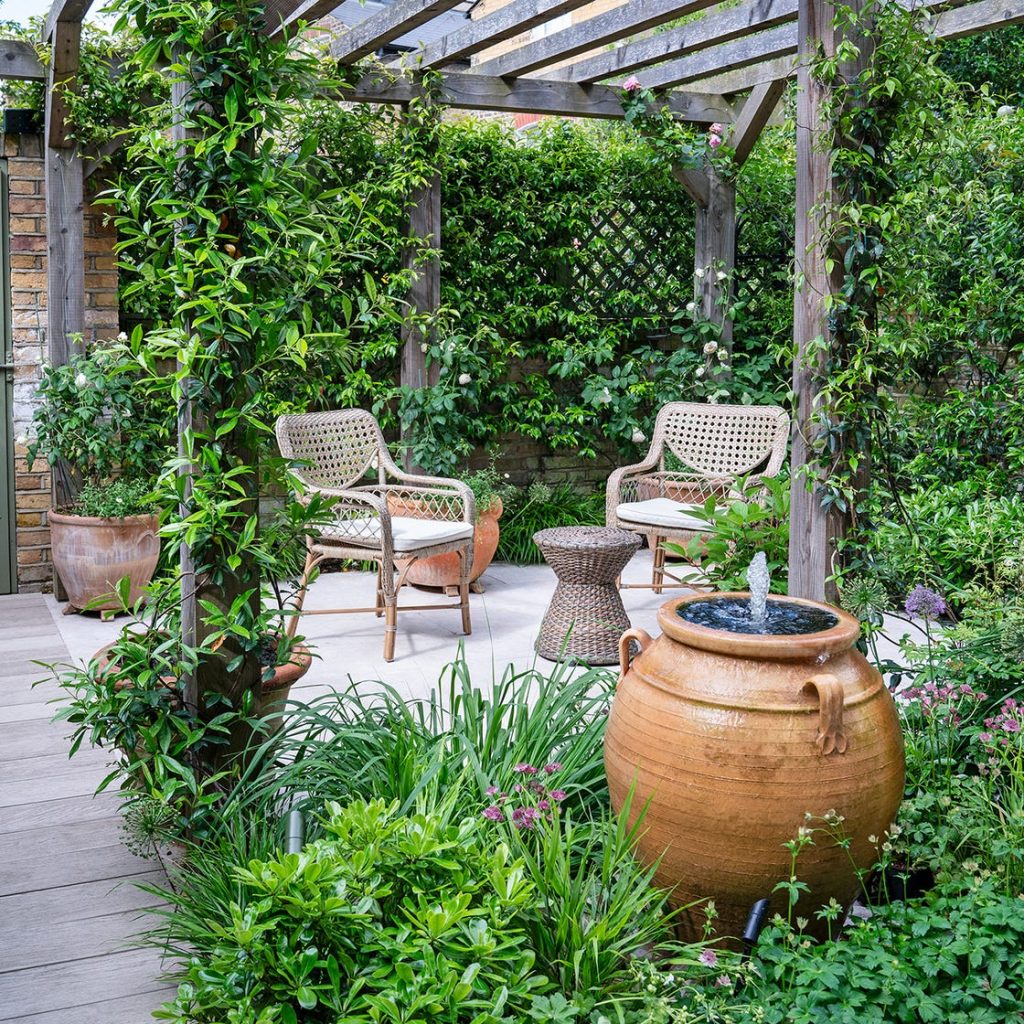
Decide where you want to relax or entertain guests. Think about comfort, views, and accessibility. Incorporate versatile seating options, such as benches, chairs, or hammocks. You might even add a small table for drinks or snacks. How about a fire pit or a barbecue area for those summer nights? Creating spaces that suit your lifestyle will enhance your garden’s usability. Designing a garden layout is more than just placing plants—it’s about crafting an experience. What will your garden say about you?Incorporating Features
Incorporate features like paths, seating, and lighting to create a functional garden. These elements add charm and usability. Consider the flow and style to match your personal taste.
Incorporating features into your garden design can elevate your outdoor space from ordinary to extraordinary. These elements add personality and depth, turning a simple garden into a vibrant haven. Thoughtful planning can help you create a garden that reflects your style and meets your needs.Water Elements
Adding water elements can transform your garden into a tranquil retreat. A small fountain or pond not only provides soothing sounds but also attracts wildlife like birds and butterflies. If space is limited, a simple birdbath can be a charming addition. Consider the maintenance involved. A self-contained water feature might be easier to manage than a large pond. Choose a style that complements your garden’s theme—modern, rustic, or classic.Lighting Options
Lighting plays a crucial role in setting the mood in your garden. Solar-powered lights are eco-friendly and easy to install along pathways or around patios. String lights can create a cozy, inviting atmosphere for evening gatherings. Think about how lighting affects safety. Properly lit walkways prevent accidents and highlight beautiful features of your garden. Experiment with different types of lights to see what works best for your space.Art And Sculptures
Adding art and sculptures can give your garden a unique identity. A well-placed sculpture can act as a focal point and spark conversation among guests. Choose pieces that resonate with your personal taste. Consider the materials used. Weather-resistant options like metal or stone will endure the elements better. Keep scale in mind; a large sculpture can dominate a small garden, whereas smaller pieces might get lost in a larger space. Incorporating these features thoughtfully can make your garden not just a space to admire, but a place to live, relax, and enjoy. What elements will you add to make your garden truly yours?Sustainability Practices
Creating a garden design that embraces sustainability is not only beneficial for the environment but can also make your gardening experience more rewarding. Sustainable practices ensure that your garden thrives without harming the planet. They can save you time and resources while promoting biodiversity and resilience. Let’s delve into how you can weave sustainability into your garden design through water conservation, native planting, and composting solutions.
Water Conservation
Water is a precious resource, and conserving it in your garden can lead to significant benefits. Consider installing a rainwater harvesting system to collect and store rainwater for irrigation. This can reduce your dependence on municipal water supplies and lower your bills. Another effective method is using drip irrigation, which delivers water directly to plant roots, minimizing wastage.
Mulching is another technique to retain soil moisture. By covering the soil with organic or inorganic materials, you can reduce evaporation and keep the soil cool. Have you ever noticed how much healthier your plants look after a good rain? You can mimic this effect by using these water-saving techniques.
Native Planting
Native plants are naturally adapted to your local climate and soil conditions, making them a sustainable choice for your garden. They require less water and maintenance, as they are already accustomed to the environment. Think about the last time you struggled with a non-native plant that just wouldn’t thrive despite your best efforts.
By choosing native plants, you also support local wildlife. Birds, bees, and butterflies are drawn to native species, ensuring a vibrant ecosystem. Do some research to identify plants that are native to your area and incorporate them into your garden design. Imagine the satisfaction of watching your garden flourish with minimal effort.
Composting Solutions
Composting is a powerful way to reduce waste while nourishing your garden. Turn kitchen scraps and yard waste into rich compost that improves soil health and fertility. Setting up a compost bin is simple and can be done in a small space. Have you ever noticed how much waste you generate daily? Composting can significantly cut this down.
Consider worm composting for a more efficient breakdown of organic materials. Worms can speed up the composting process and produce nutrient-rich vermicompost. Your plants will thank you with lush growth and vibrant blooms. Isn’t it amazing how nature can recycle waste into something so beneficial?
Incorporating these sustainable practices into your garden design not only helps the environment but can enhance your gardening experience. What sustainable practices are you excited to try in your garden?
Maintenance Strategies
Explore the vibrant world of garden design by creating your own outdoor oasis. Begin by sketching a layout that suits your space and lifestyle. Choose plants and materials that complement each other, ensuring harmony and balance in your garden.
Maintaining a garden is crucial for its longevity and beauty. Effective maintenance ensures your garden remains vibrant and healthy. Implementing the right strategies makes this task manageable and enjoyable. Focus on seasonal care, pest management, and tool selection for optimal results.Seasonal Care
Each season brings unique challenges and opportunities for your garden. Spring demands planting new seeds and nurturing young plants. Summer requires watering and protecting plants from heat. Autumn involves pruning and preparing for winter. In winter, focus on protecting plants from frost and maintaining soil health. Tailor your care routine to each season for thriving plants.Pest Management
Pests can disrupt your garden’s harmony. Identify common garden pests early. Use natural methods like neem oil or insecticidal soap. Introduce beneficial insects like ladybugs to control harmful pests. Regular inspection of plants helps detect early signs of infestation. A proactive approach keeps pests under control.Tool Selection
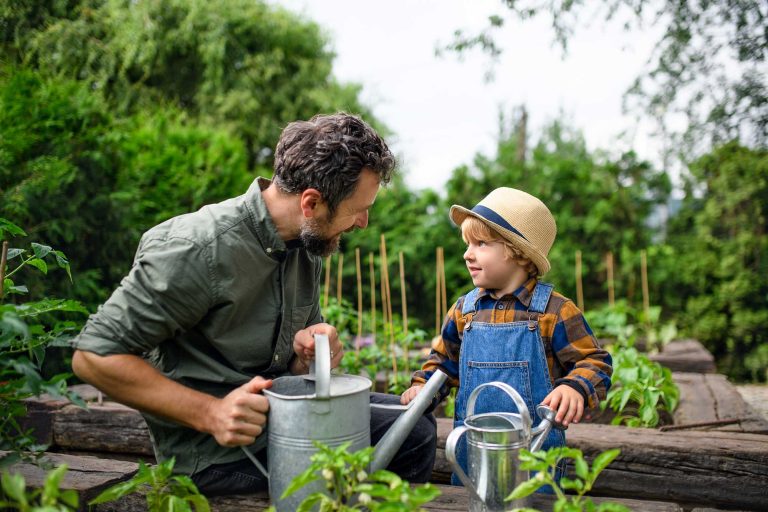
The right tools make garden maintenance easier. Choose tools that suit your garden’s size and type. Essential tools include pruning shears, a garden fork, and a watering can. Invest in quality tools for durability and efficiency. Proper maintenance of tools ensures they last longer. Clean and store them safely after use. A well-equipped toolkit simplifies your gardening tasks.
Credit: www.veranda.com
Frequently Asked Questions
What Tools Do I Need For Garden Design?
To design your garden, you’ll need basic tools like a shovel, rake, and measuring tape. Add pruners for trimming plants and a hose for watering. Consider design tools such as graph paper or garden design software for planning layouts and visualizing your space effectively.
How Do I Choose Plants For My Garden?
Choose plants based on your garden’s climate, soil type, and sunlight exposure. Research which plants thrive in your local area. Consider color schemes and bloom times for year-round interest. Native plants often require less maintenance and are environmentally friendly, making them a great choice.
Can I Design A Garden On A Budget?
Yes, designing a garden on a budget is possible. Start with small projects and prioritize essential items. Use recycled materials for garden structures and grow plants from seeds. Focus on native plants that require less maintenance and cost. Planning effectively can reduce unnecessary expenses.
How Do I Create A Garden Layout?
Start by assessing your space and measuring dimensions. Use graph paper or software to sketch your layout. Arrange plants based on sun exposure, height, and color. Include pathways for easy access and consider focal points like trees or sculptures. Adjust your design as needed for functionality.
Conclusion
Creating your own garden design can be simple. Start with a clear vision. Use basic shapes and colors that appeal to you. Consider the space and sunlight. Choose plants that thrive in your area. Plan paths and seating areas for relaxation.
Don’t forget about water features for charm. Adjust the design as your garden grows. Enjoy the process and watch your garden come alive. Every garden reflects personal taste. Your creativity makes it unique. Keep experimenting and have fun with it! Gardening is a journey, not a race.
Take your time and enjoy each step.