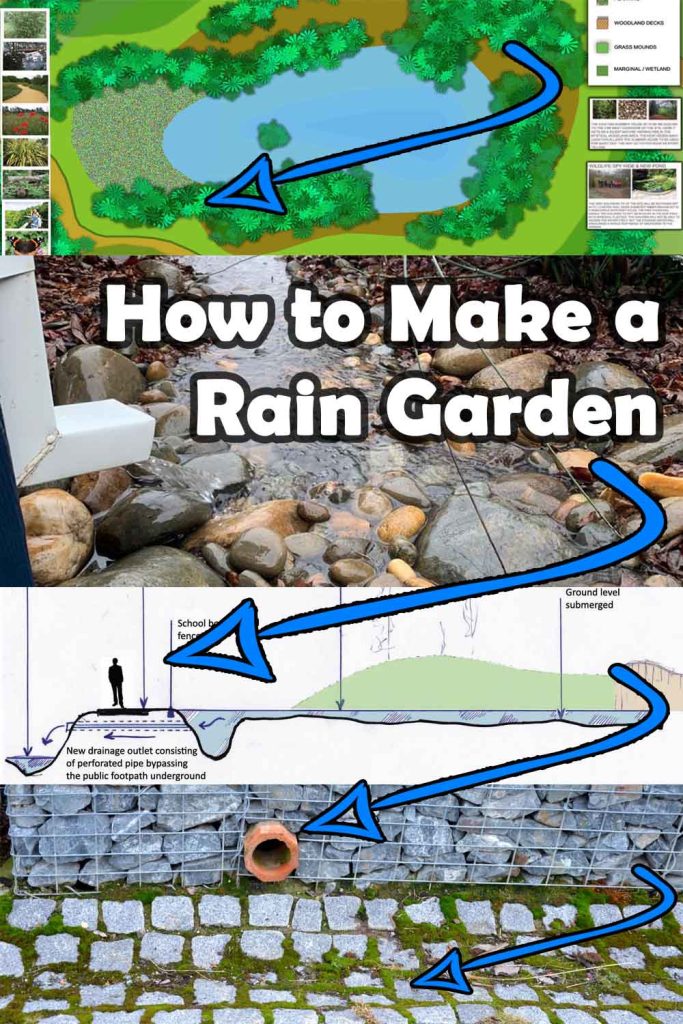
Imagine transforming a patch of your yard into a beautiful oasis that not only enhances your home’s curb appeal but also plays a crucial role in protecting the environment. This isn’t just a dream; it’s entirely possible with a rain garden.
You might be wondering, what exactly is a rain garden and how can you create one? By the end of this article, you’ll have all the knowledge you need to design and build your very own rain garden. Rain gardens are an eco-friendly landscaping solution that help manage stormwater, reduce runoff, and support local ecosystems.
They are a smart and sustainable way to improve water quality and prevent flooding. More importantly, they offer you a chance to make a positive impact on the environment right from your backyard. Doesn’t the idea of contributing to cleaner water and a healthier ecosystem excite you? Keep reading to discover how simple it is to create this natural, low-maintenance garden that will not only beautify your home but also give you the satisfaction of making a difference.

Credit: www.thisoldhouse.com
Benefits Of Rain Gardens
Rain gardens help manage stormwater runoff, reduce flooding, and improve water quality. Designing and building a rain garden involves selecting native plants, ensuring proper drainage, and creating a basin to collect rainwater.
Rain gardens offer a multitude of advantages for both the environment and homeowners. They are designed to capture and filter rainwater, reducing the risk of flooding and pollution. These gardens not only enhance the beauty of a landscape but also provide numerous ecological benefits. Let’s explore how rain gardens can positively impact your surroundings.Environmental Protection
Rain gardens play a crucial role in environmental conservation. They help filter pollutants from stormwater before it reaches natural water bodies. This process improves water quality by reducing contaminants and sediments. By absorbing rainwater, these gardens lessen the burden on local drainage systems.Flood Mitigation
Rain gardens are effective in preventing urban flooding. They absorb excess rainwater, decreasing runoff and the potential for waterlogging. This helps protect homes and infrastructure from flood damage. A well-designed rain garden can significantly reduce the risk of flooding in your area.Wildlife Habitat Creation
A rain garden can serve as a haven for local wildlife. It provides a habitat for birds, butterflies, and beneficial insects. The diverse plant life attracts various species, promoting biodiversity. This creates a vibrant and thriving ecosystem right in your backyard.Water Conservation
Rain gardens contribute to water conservation efforts. By capturing rainwater, they reduce the need for supplemental irrigation. This helps conserve water resources and lower utility bills. Rain gardens are an efficient way to use natural rainfall for landscape nourishment.Aesthetic Appeal
A rain garden enhances the visual appeal of a property. With a variety of plants and flowers, it adds color and texture to any landscape. Its design can be tailored to complement existing garden features. A rain garden becomes a beautiful focal point in any outdoor space.Educational Opportunities
Rain gardens offer educational benefits to communities. They provide a platform for learning about sustainable practices. Schools and organizations can use them to teach about ecology and environmental stewardship. A rain garden serves as a practical example of green infrastructure.
Credit: www.instagram.com
Site Selection
Choosing the right location is crucial for a rain garden. It should be away from building foundations and in a spot that collects rainwater naturally. Ensure the area gets at least partial sunlight for optimal plant growth.
Site selection is crucial for a successful rain garden. The right spot ensures it absorbs stormwater efficiently and nurtures plant life. Understanding your landscape’s unique needs is essential. This section guides you through choosing and assessing the best location for your rain garden.Choosing The Right Location
Select a spot near a water source like downspouts or driveways. This helps redirect runoff into the garden. Avoid areas with large tree roots. They can interfere with water flow and plant growth. Ensure the location is at least 10 feet from your house. This prevents water damage to your foundation. Pick a site with full or partial sun. Most rain garden plants thrive with ample sunlight.Assessing Drainage And Soil
Check the drainage of your chosen location. Dig a small hole about 6 inches deep. Fill it with water and see how long it takes to drain. If it takes more than 24 hours, drainage might be an issue. Assess the soil type in your garden area. Sandy or loamy soils are ideal for rain gardens. They absorb water quickly and allow deep root growth. Avoid clay soils as they hold water and might cause flooding. If needed, amend soil with compost to improve drainage.Design Principles
Creating a rain garden involves more than just digging a hole and planting. Thoughtful design principles ensure your garden thrives and functions effectively. These principles guide you in choosing the best size, shape, and plants.
Size And Shape Considerations
The size of your rain garden depends on the area available. Consider the water runoff you need to manage. A larger garden can handle more runoff. Shape is also important. Curved edges often look natural and blend well with landscapes. Keep your garden’s depth between 6 to 12 inches. This depth is ideal for water absorption.
Plant Selection
Choose native plants that thrive in your climate. Native plants are adapted to local conditions and require less maintenance. Select a mix of grasses, flowers, and shrubs. This variety supports diverse wildlife. Consider plants that can handle both wet and dry conditions. These plants will thrive in the changing moisture levels of a rain garden.
Materials And Tools
Quality materials and essential tools ensure a successful rain garden project. Use native plants, soil mix, and mulch. Essential tools include a shovel, rake, and level. These help shape and maintain the garden’s design, ensuring proper water absorption and flow.
Designing and building a rain garden requires careful planning and the right materials and tools. Using the correct equipment ensures your rain garden functions well. It also helps in managing stormwater and supporting plant growth. Below are some essential equipment and recommended materials to guide you through the process.Essential Equipment
- Shovel:For digging and shaping the garden bed.
- Rake:To level the soil and remove debris.
- Tape Measure:For accurate garden dimensions.
- Wheelbarrow:To transport soil and plants.
- Garden Hose:For watering and testing drainage.
- Gloves:To protect your hands while working.
- Level:Ensures the garden slopes correctly for water flow.
Recommended Materials
- Native Plants:Choose species that thrive in your climate.
- Compost:Enhances soil fertility and drainage.
- Mulch:Helps retain moisture and reduce weeds.
- Gravel or Sand:Assists with drainage and prevents erosion.
- Edging Materials:Keeps the garden boundaries defined.
- Topsoil:Provides a nutrient-rich base for plants.
Construction Process
Designing and building a rain garden involves selecting a suitable location, understanding soil drainage, and choosing native plants. It’s essential to plan for proper water flow and ensure the garden efficiently absorbs rainwater. A well-designed rain garden improves landscape aesthetics while managing stormwater runoff effectively.
Designing and building a rain garden involves several essential steps. The construction process is crucial to ensure the garden functions well. It includes careful planning and execution. This section will guide you through two key aspects: excavation and layering for drainage.Excavation Techniques
Begin by marking the garden area. Use stakes and string to outline the shape. Excavate the soil to the desired depth. Typically, a depth of 18 to 24 inches is ideal. Make sure the bottom is flat and level. This prevents water from pooling unevenly. Remove any debris or rocks. They can obstruct water flow. Use a shovel or small backhoe for larger areas. Ensure you have a slight slope. This directs water towards the garden. Check the slope with a level. Adjust as necessary. This step ensures water drains effectively.Layering For Drainage
Good drainage is vital for a rain garden. Start with a layer of gravel. Spread it evenly across the bottom. This layer should be about 4 inches thick. It aids in water filtration. Next, add a layer of sand. This should be about 2 inches thick. Sand improves drainage further. It also helps in breaking up clay soil. Finally, add a mix of topsoil and compost. This layer should be 10 to 12 inches thick. It provides nutrients for plants. It also improves soil structure. Mix the compost thoroughly with the soil. Test the drainage by pouring water. It should drain within 24 hours. If not, adjust the layers. Ensure water seeps through effectively. Proper layering ensures your rain garden thrives.Planting And Maintenance
Designing a rain garden begins with choosing the right location. Consider areas that collect water naturally. Select native plants that thrive in wet conditions for low maintenance. Dig a shallow basin and fill it with compost and soil. Proper care ensures your rain garden flourishes.
Designing and building a rain garden is a wonderful way to enhance your landscape while supporting the environment. Once you’ve got the structure in place, the next crucial steps are planting and maintaining your rain garden. This involves selecting the right plants, using effective planting techniques, and ensuring ongoing care to keep your garden thriving. Let’s dive into the details that will help you create a beautiful, low-maintenance rain garden.Planting Techniques
Choose native plants that are well-suited to your local climate and soil conditions. Native plants often require less water and are more resilient to pests. Arrange plants in layers with taller species at the back or center and shorter ones at the front. This creates visual interest and ensures even water distribution. When planting, dig holes twice the width of the root ball but no deeper. This encourages roots to spread and stabilize the plant. Use mulch around the plants to retain moisture, suppress weeds, and add nutrients to the soil. Aim for a 2-3 inch layer for optimal results.Ongoing Care
Regularly inspect your rain garden for weeds, which can compete with your plants for nutrients and water. Removing them by hand is often the best method. Monitor the moisture levels, especially during dry spells. While rain gardens are designed to capture rainfall, supplemental watering might be necessary initially. Prune plants as needed to maintain their shape and remove any dead or damaged growth. This encourages healthy development and enhances your garden’s appearance. Keep an eye out for pests and diseases. Early detection allows for easier management without resorting to harsh chemicals. Consider how your rain garden can evolve over time. Are there opportunities to add more biodiversity or introduce new native species? By focusing on these planting and maintenance strategies, your rain garden will not only look stunning but will also function effectively as a sustainable feature in your landscape.Troubleshooting Tips
Choosing the right location is key when designing a rain garden. Ensure it’s away from building foundations. Test soil drainage by digging a hole and filling it with water. Consider native plants that thrive in wet conditions. Regular maintenance, like removing debris and checking water flow, keeps your garden effective.
Designing and building a rain garden can be a rewarding project, but like any venture, it comes with its own set of challenges. Sometimes, despite your best efforts, things don’t go as planned. This is where troubleshooting becomes essential.Common Issues
Rain gardens can face a variety of common issues that may hinder their effectiveness. Water may not drain properly, leaving the garden waterlogged. You might notice plants struggling or even dying. Weeds can also become a persistent problem.Solutions And Adjustments
Addressing these issues often requires a bit of detective work and flexibility. If water isn’t draining well, check the soil composition. You might need to amend it with sand or compost to improve drainage. Consider re-evaluating the slope of your garden to ensure water flows correctly. For struggling plants, ensure they are suited for your climate and soil conditions. Sometimes, moving them to a different spot with more or less sunlight can make a difference. Don’t hesitate to consult a local nursery for plant recommendations specific to your area. Weeds are best managed with a proactive approach. Regularly remove them by hand before they become established. Applying a layer of mulch can also suppress weed growth while retaining moisture for your plants. Have you encountered these challenges in your rain garden? What solutions have worked for you? Tinkering with these adjustments can lead to a thriving, beautiful rain garden that benefits both you and the environment.Environmental Impact
Designing and building a rain garden can reduce runoff and improve water quality. It helps preserve the environment by absorbing rainwater and preventing erosion. Native plants in the garden attract beneficial insects and birds, enhancing biodiversity.
Designing and building a rain garden can significantly impact the environment in positive ways. By integrating such a feature into your landscape, you contribute to water conservation, enhance biodiversity, and foster a healthier ecosystem. It’s not just about aesthetic appeal; rain gardens serve a functional purpose, transforming your space into an eco-friendly haven. But how exactly does this translate into tangible benefits?Water Conservation
Rain gardens are natural water savers. They capture and absorb rainwater runoff from roofs, driveways, and other surfaces, reducing water waste. Imagine the difference you can make by redirecting rainwater into a garden instead of down the storm drain. This process replenishes groundwater supplies, crucial for maintaining local water tables. Moreover, consider the impact on your water bill. By reducing runoff, you decrease the demand on municipal water systems, potentially lowering costs. Isn’t it intriguing how a simple garden design can make such a substantial difference?Biodiversity Enhancement
A rain garden isn’t just a garden; it’s a thriving ecosystem. By planting native species, you create a habitat for birds, butterflies, and beneficial insects. This biodiversity boost can transform your yard into a lively sanctuary. Have you ever noticed how certain plants attract specific wildlife? By choosing a diverse mix of flora, you provide food and shelter for various creatures. Furthermore, this biodiversity doesn’t only benefit animals; it also strengthens your garden’s resilience. A mix of species can prevent disease spread and pest infestation, ensuring that your garden remains vibrant and healthy. What will you include in your rain garden to support local wildlife?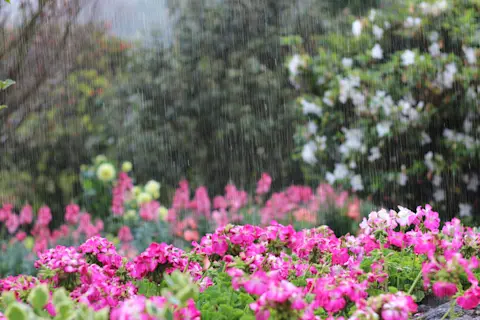
Credit: www.discovermagazine.com
Frequently Asked Questions
What Is A Rain Garden?
A rain garden is a landscaped area that absorbs rainwater runoff. It prevents stormwater from reaching sewers and promotes groundwater recharge. Rain gardens are planted with native plants that tolerate wet conditions. They help reduce pollution and flooding, offering an eco-friendly solution to stormwater management.
How To Choose Plants For A Rain Garden?
Select native plants that thrive in wet and dry conditions. Native species adapt well to local climates and require less maintenance. Focus on plants with deep roots to maximize water absorption. Consider the sunlight and soil type to ensure plant compatibility and garden success.
How Does A Rain Garden Prevent Flooding?
Rain gardens absorb excess rainwater, reducing runoff and flooding risks. They slow down water flow, allowing soil to filter pollutants before reaching waterways. By soaking up water, rain gardens reduce pressure on storm drains and minimize urban flooding, providing an effective sustainable solution.
Are Rain Gardens Cost-effective?
Yes, rain gardens are cost-effective long-term investments. They reduce stormwater management costs and improve property value. Initial setup can be budget-friendly using native plants. They require minimal maintenance and enhance the landscape, making them an economical choice for homeowners and communities alike.
Conclusion
Creating a rain garden benefits your home and the environment. It helps manage stormwater naturally. Plants in the garden filter pollutants. They also attract wildlife like birds and butterflies. Building a rain garden can be fun and rewarding. Start small and learn as you go.
Choose native plants for easy care. They thrive in local conditions. Remember, each garden is unique. Tailor it to your space and needs. Enjoy the beauty and function of your rain garden. Feel proud of your eco-friendly choice. Your garden will flourish with time and care.