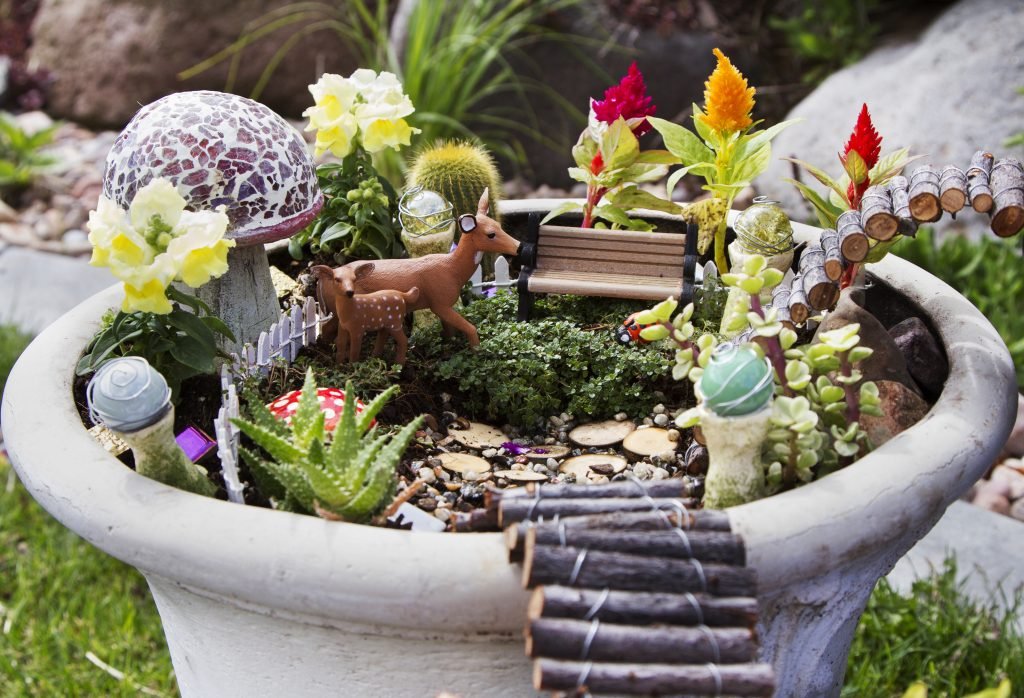
Imagine stepping into a miniature world filled with whimsy, magic, and the beauty of nature, all created by your own hands. A fairy garden can be your personal escape, a tiny sanctuary that sparks joy and creativity.
Whether you’re looking to enhance your outdoor space or bring a touch of enchantment indoors, crafting a fairy garden offers endless possibilities for fun and relaxation. You don’t need a green thumb or a sprawling garden to begin; just a few simple materials and a dash of imagination.
Curious about how to start? This guide will walk you through the enchanting process of creating your own fairy garden, indoors or out, ensuring your space becomes a delightful haven for both you and any visiting fairies. Stay with us as we unveil the secrets to crafting this magical retreat.
Choosing The Perfect Location
Creating a fairy garden is a delightful way to bring a touch of magic into your home or yard. To ensure your miniature paradise thrives, selecting the right location is crucial. Whether you choose to nurture your fairy realm indoors or outdoors, each space offers unique opportunities and challenges. Let’s explore how you can make the best choice for your whimsical world.
Indoor Spaces
Indoor fairy gardens can transform any room into a whimsical retreat. Consider areas with natural light, like windowsills or sunrooms, where your plants can bask in sunlight. If your chosen spot lacks light, think about adding grow lights to support your greenery.
Small tables or shelves can make perfect homes for your indoor fairy garden. They allow you to create tiers, adding depth and dimension to your setup. Imagine your fairies peeking through the leaves of cascading ferns or resting under tiny bonsai trees.
What about the bathroom or kitchen? These rooms often have higher humidity levels, which can be beneficial for certain plant types. You can create a fairy oasis that thrives with moisture-loving plants like mosses and ferns.
Outdoor Spaces
Outdoor fairy gardens offer the thrill of connecting your miniature world with nature. Think about choosing a spot that gets adequate sunlight, but isn’t exposed to harsh weather conditions. Areas under trees or near bushes can offer natural protection.
Consider garden beds, patios, or even a secluded corner of your yard. These spaces can provide the perfect backdrop for your fairy landscape, allowing you to incorporate larger elements like stones or miniature water features. Imagine your fairies playing near a tiny pond or resting on a rock.
Why not use containers? They offer flexibility as you can move your fairy garden around, ensuring it gets the right balance of sunlight and shade throughout the year. Containers also allow you to experiment with different themes and designs easily.
Have you thought about the impact of your fairy garden on local wildlife? Outdoor gardens can attract beneficial insects like butterflies and bees, adding life and movement to your magical space. Plus, it’s a wonderful way to contribute to biodiversity right in your backyard.

Credit: gluesticksblog.com
Designing Your Fairy Garden
Creating a fairy garden, indoors or outdoors, transforms any space into a whimsical retreat. Gather miniature plants, tiny figurines, and charming accessories to craft your magical landscape. Let your imagination guide you in arranging enchanting scenes that invite fairies to visit and bring delight.
Designing a fairy garden is a delightful journey into creativity and imagination. Whether indoors or out, crafting your enchanted oasis involves thoughtful planning. You will want to consider how each element harmonizes with the whole, creating a magical scene that captivates both the heart and the eyes. Dive into the details of theme selection and layout planning to make your fairy garden truly enchanting.Theme Selection
Choosing the right theme is the cornerstone of your fairy garden. Do you envision a woodland retreat or a mystical meadow? Reflect on the mood you wish to evoke. A woodland theme might include miniature tree stumps and tiny mushrooms, while a meadow could be filled with colorful wildflowers and a small pond. Consider your personal interests. If you love the sea, a beach-inspired fairy garden with sand and shells could be perfect. Or, perhaps a whimsical fairy tale theme with tiny castles and unicorn figurines resonates with you.Layout Planning
Once you’ve settled on a theme, layout planning becomes your next focus. Start with a sketch to visualize where each element will go. Will you have winding paths or a central focal point? Sketching helps to flesh out ideas before you dive into planting and placement. Use layers to add depth. Arrange taller plants and structures towards the back, allowing smaller ones to nestle in front. This creates a sense of dimension and realism, drawing viewers into the miniature world. Think about accessibility. Ensure that all parts of your garden are easy to reach, especially if you plan to make changes over time. A well-thought-out layout allows for easy maintenance and is more enjoyable to expand upon.Essential Materials And Tools
Creating a fairy garden indoors or outdoors requires essential materials and tools. Gather miniature plants, tiny fairy figurines, and colorful pebbles. Use small gardening tools like trowels and shears for easy setup and maintenance.
Creating a fairy garden is a delightful way to bring whimsy into your space. Whether indoors or outdoors, the right materials and tools are key to crafting a magical scene. Understanding the essentials will help you embark on this enchanting project with confidence and creativity.Miniature Plants
Choosing the right plants is crucial for a fairy garden. Opt for small, slow-growing varieties that mimic the lush landscapes fairies adore. Consider miniature ferns, baby tears, and small succulents. These plants require minimal space and can thrive in various conditions. Ensure they are suitable for your garden’s environment, whether inside or outside.Decorative Accessories
Accessories bring your fairy garden to life. Add tiny furniture, fairy figurines, and charming little houses. Create pathways with pebbles or colored sand. Incorporate natural elements like twigs and moss to enhance the fairy tale ambiance. These accessories should complement your garden’s theme and scale.Tools For Crafting
Crafting tools make assembling your fairy garden easier. Use small trowels for planting and scissors for trimming. Tweezers help in positioning delicate accessories. A glue gun is useful for securing items in place. Having these tools at hand ensures a smooth and enjoyable crafting experience.Crafting Miniature Structures
Creating a fairy garden can transform any space into a magical retreat. Choose miniature plants, colorful pebbles, and tiny accessories to design your enchanting landscape. Whether indoors or outdoors, a fairy garden brings joy and sparks imagination.
Crafting miniature structures for a fairy garden adds charm and magic. These tiny creations serve as homes and pathways for your fairy inhabitants. Whether indoors or outdoors, they can transform a simple garden into a whimsical wonderland.Diy Fairy Houses
Creating fairy houses is a delightful task. Use materials like twigs, stones, and bark. Glue them together to form small cottages or castles. Old teacups can be repurposed into fairy homes. Decorate with moss and tiny flowers to add a natural touch. Paint pebbles for doors and windows. Personalize each house with unique designs.Creating Tiny Pathways
Tiny pathways lead fairies through the garden. Use sand, pebbles, or tiny shells. Arrange them in winding patterns for a mystical effect. Create stepping stones with flat rocks or buttons. Add miniature bridges over imaginary streams. Use twigs to outline paths. These pathways enhance the fairy garden’s enchanting look.Adding Magical Elements
Bring enchantment to your space by adding magical elements to your fairy garden. Use miniature houses, tiny figurines, and twinkling lights. Create a whimsical atmosphere indoors or outdoors effortlessly.
Adding magical elements to your fairy garden can transform it into a whimsical haven. These elements captivate the imagination and evoke a sense of wonder. The right touches make your garden enchanting, whether indoors or out. Let’s explore some ideas to infuse magic into your fairy garden.Lighting Ideas
Lighting breathes life into a fairy garden, especially during twilight. String lights can add a twinkling effect. Wrap them around miniature trees or fairy houses. Solar-powered lights are eco-friendly and easy to maintain. Place them strategically for a soft glow. Lanterns with LED candles provide a charming, old-world feel. Choose small lanterns to blend seamlessly with garden elements. Consider using glowing pebbles. They absorb sunlight and emit a subtle glow at night.Water Features
Water adds tranquility and magic to a fairy garden. A miniature pond can serve as a focal point. Use a shallow dish or container to create one. Add pebbles and aquatic plants for realism. A small fountain introduces soothing sounds. Battery-operated fountains are ideal for indoor gardens. They require minimal space and maintenance. Consider a tiny waterfall cascading over rocks. It enhances the garden’s ambiance with gentle splashes.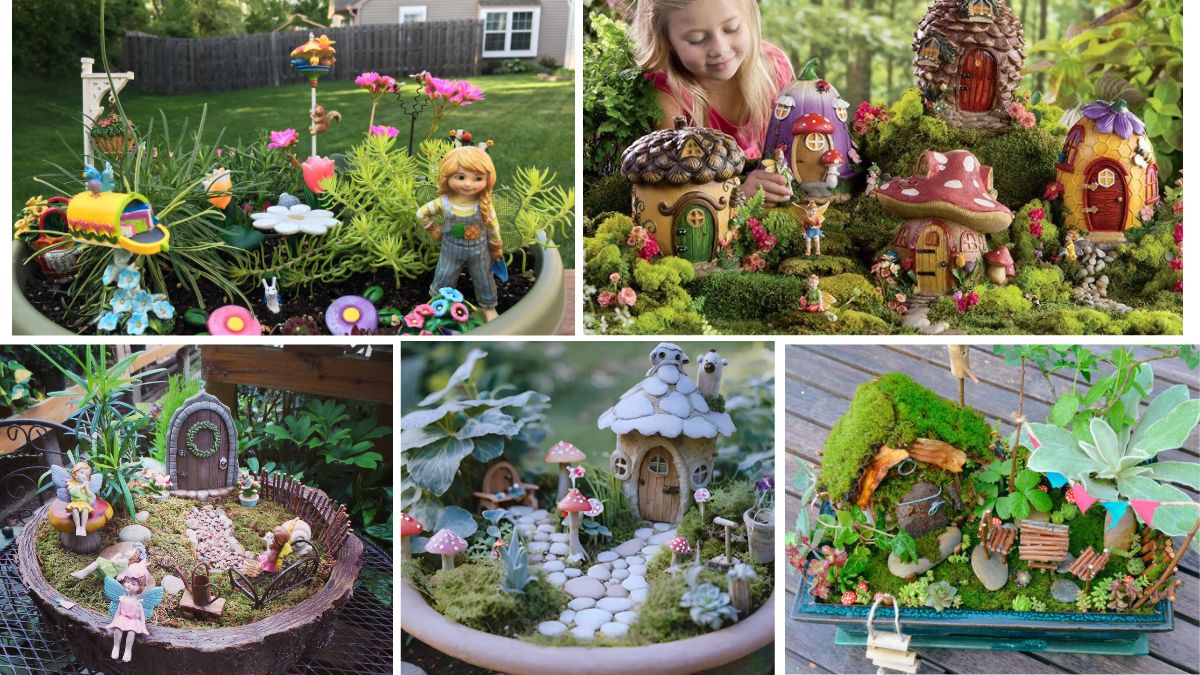
Credit: lodhigarden.com
Maintaining Your Fairy Garden
Crafting a fairy garden can be a delightful indoor or outdoor project. Select miniature plants and whimsical accessories to design your enchanted space. Regular care and creativity keep your magical garden thriving.
Maintaining your fairy garden is crucial to keeping it thriving and magical, whether you have nestled it inside your living room or placed it in your backyard. A well-maintained fairy garden not only enhances its visual appeal but also ensures the health of the plants and the charm of your miniatures. Let’s delve into the essentials of caring for your enchanted creation.Plant Care
Ensuring your plants receive the right amount of water is key. Too much water can drown your plants, while too little can leave them parched. Check the soil moisture regularly by inserting your finger about an inch deep. If it feels dry, it’s time to water. Light is another important factor. Some plants thrive in direct sunlight, while others prefer shade. Observe your plants’ growth and adjust their placement as needed. A plant thriving in sunlight may start wilting if moved to a shaded spot. Fertilize sparingly. Over-fertilizing can do more harm than good. A balanced, diluted liquid fertilizer every month should suffice. This keeps your plants healthy and vibrant without overwhelming them.Seasonal Adjustments
Each season brings its own set of challenges and opportunities for your fairy garden. In spring, consider introducing new plants or rearranging existing ones to give your garden a fresh look. Summer might require more frequent watering due to increased temperatures. Keep an eye on the soil moisture and adjust accordingly. As autumn approaches, you might need to bring your outdoor fairy garden inside to protect it from frost. Consider using miniature evergreen plants to maintain greenery throughout the colder months. Winter is a time of rest. If your garden is indoors, ensure it receives enough light by placing it near a south-facing window. Remember, too much heat from indoor heating can dry out the plants, so monitor them closely. How do you adapt your fairy garden to thrive through the changing seasons? Keeping a simple seasonal checklist can be a game-changer for maintaining its charm year-round.Inspiring Ideas And Examples
Create an enchanting fairy garden with miniature plants and whimsical accessories. Choose vibrant flowers, tiny furniture, and sparkling lights. Transform any indoor or outdoor space into a magical retreat.
Creating a fairy garden is a delightful project that brings a touch of whimsy and magic to your space, whether indoors or outdoors. The beauty of fairy gardens lies in their endless customization options, allowing you to express your creativity and personal style. Here, we explore some inspiring ideas and examples to spark your imagination and guide you in crafting your own enchanting miniature world.Creative Indoor Designs
Transform a terrarium into a mystical fairy haven by using moss, miniature plants, and tiny figurines. A glass container allows you to create a self-contained ecosystem that thrives indoors. Consider using household items like teacups or small wooden crates to serve as the base for your indoor fairy garden. This not only adds charm but also repurposes items you may already have. Add small elements such as pebbles, twigs, and miniature furniture to give your indoor fairy garden a lived-in feel. These details make the scene more captivating and inviting.Captivating Outdoor Displays
Utilize tree stumps or hollow logs as natural containers for your outdoor fairy garden. These rustic bases blend seamlessly with nature, creating an organic look. Incorporate pathways using tiny stones or gravel to lead visitors through your fairy landscape. Pathways create a sense of journey and adventure in your garden. Think about adding a water feature like a small fountain or pond. The sound of trickling water enhances the magical atmosphere and attracts real-life butterflies and birds. Creating a fairy garden is all about letting your imagination run wild. What story will your garden tell?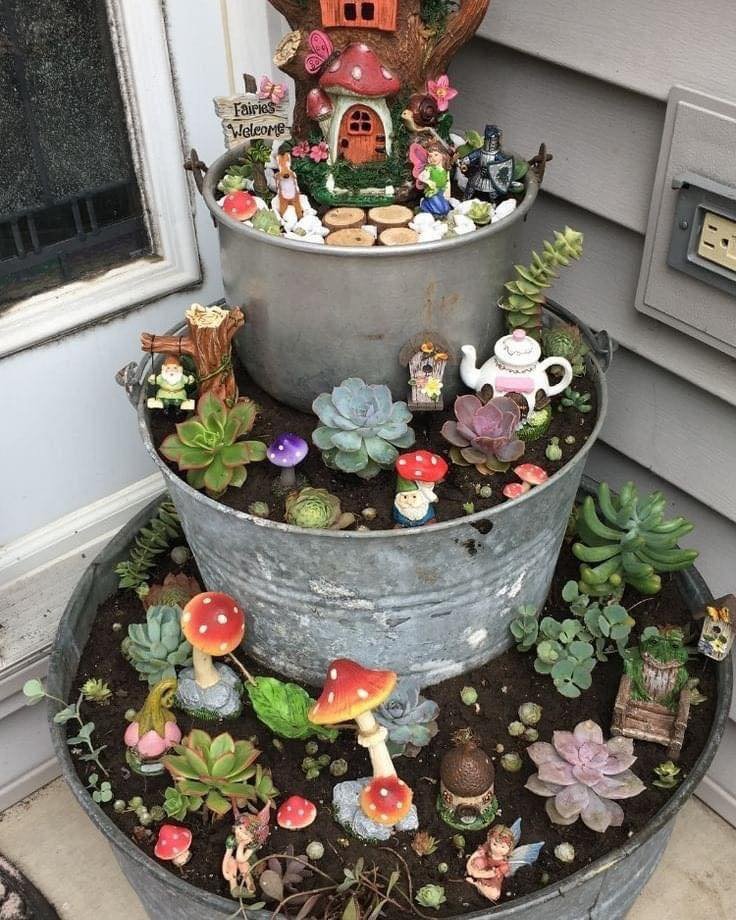
Credit: www.facebook.com
Frequently Asked Questions
What Materials Are Needed For A Fairy Garden?
To create a fairy garden, you’ll need a container, soil, small plants, decorative items, and fairy figurines. Choose a container that suits your space, and use well-draining soil. Add miniature plants like moss or succulents. Decorate with pebbles, tiny furniture, and figurines to create a magical scene.
Can Fairy Gardens Be Made Indoors?
Yes, fairy gardens can be created indoors. Choose a suitable container and ensure it has proper drainage. Select plants that thrive indoors, like ferns or succulents. Place your garden near a window for natural light. Use small decorative items to add charm and whimsy to your indoor fairy garden.
How Do I Care For A Fairy Garden?
Caring for a fairy garden involves regular watering, pruning, and ensuring adequate sunlight. Keep the soil moist but not soggy. Trim plants to maintain their size. Provide sunlight based on plant needs. Rotate the garden for even growth. Refresh decorations periodically to keep the garden enchanting.
What Plants Are Best For Fairy Gardens?
The best plants for fairy gardens are moss, succulents, ferns, and small flowering plants. Choose plants based on your garden’s location, whether indoors or outdoors. Ensure they have similar light and water requirements. Miniature versions of regular plants also work well, adding charm and realism.
Conclusion
Creating a fairy garden brings magic to any space. Indoors or outdoors, it invites creativity. Choose small plants for a whimsical touch. Miniature furniture adds charm. Arrange elements with care to tell a story. Ensure fairies have cozy homes. Water gently and provide sunlight.
Fairy gardens are delightful projects for all ages. They nurture imagination and offer a peaceful retreat. Start small and expand as you wish. Enjoy the enchanting world you create. It’s not just a garden; it’s a magical escape. Let your fairy garden flourish and inspire joy in your home.