Imagine stepping into your kitchen and being greeted by the fresh scent of basil, mint, or rosemary. This could be your reality with an indoor herb garden.
Growing herbs indoors is a rewarding experience, offering you fresh ingredients and a touch of greenery right in your home. However, keeping those herbs thriving requires more than just sunlight and love; it demands the right amount of water. Are you confident you’re watering your indoor herb garden correctly?
Too little water, and your herbs might wilt; too much, and they could drown. Striking the perfect balance is essential, and that’s exactly what this guide will help you achieve. You’re about to discover the secrets to watering your indoor herb garden effectively, ensuring your plants remain lush and vibrant. Dive in to learn these simple yet vital tips that will transform your gardening experience and keep your herbs flourishing all year round.

Credit: www.almanac.com
Choosing The Right Water
Choosing the right water for your indoor herb garden is crucial to ensure the health and growth of your plants. The quality of water can directly impact the flavor and vitality of your herbs. Let’s explore the differences between tap water and filtered water, and why water quality is so important.
Tap Water Vs. Filtered Water
Have you ever wondered about the impact of using tap water for your herbs? Tap water is readily available and convenient, but it often contains chemicals like chlorine and fluoride that can affect plant health. These chemicals can accumulate in the soil, potentially harming your herbs over time.
On the other hand, filtered water offers a cleaner alternative. It removes impurities and chemicals, providing a safer environment for your herbs. Using filtered water can lead to healthier plants with richer flavors. If you’re aiming for a vibrant herb garden, consider investing in a simple water filter.
Importance Of Water Quality
Why does water quality matter so much for your indoor herb garden? High-quality water promotes strong root development and nutrient absorption. Poor water quality can stunt growth and diminish the taste of your herbs.
Think about the last time you used fresh herbs in your cooking. Did you notice a difference in flavor? The quality of water could be the reason. Ensuring good water quality not only benefits the plants but also enhances your culinary experience.
Could changing your water source improve your garden’s productivity? Give it a try and observe the difference in your herbs’ growth and taste. Your plants—and your taste buds—may thank you!
Frequency Of Watering
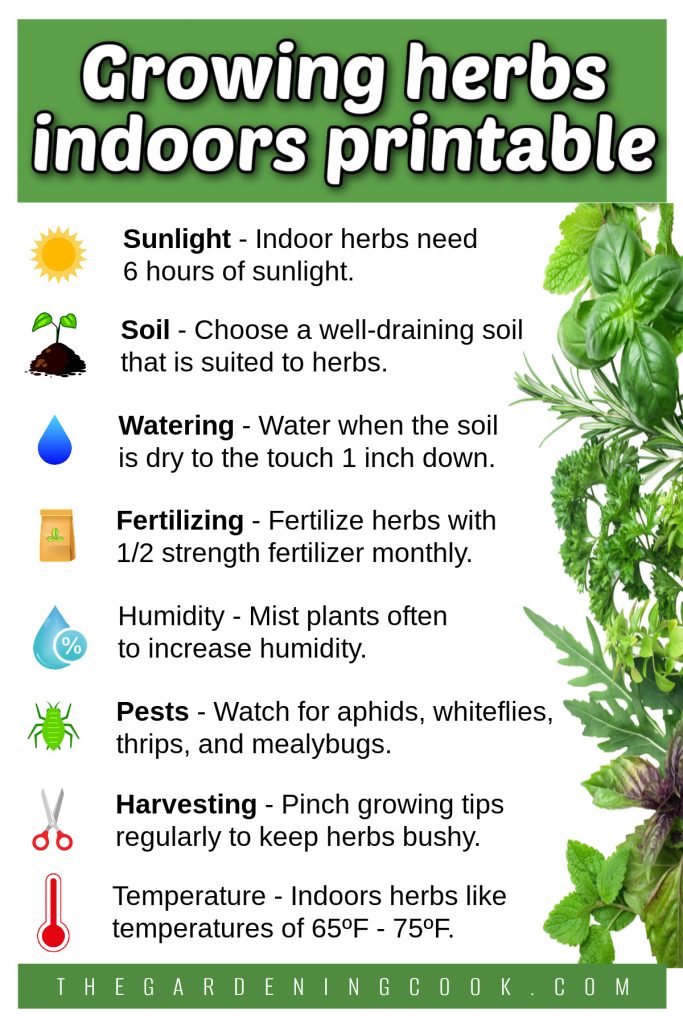
Water indoor herb gardens based on soil moisture. Check soil by touching; water when dry about an inch deep. Avoid overwatering, which leads to root rot.
Watering your indoor herb garden might seem straightforward, but getting the frequency just right is crucial for keeping your herbs healthy and thriving. Over-watering can lead to root rot, while under-watering can leave your plants wilted and weak. So, how often should you water your indoor herb garden? Let’s dig into the details to ensure your herbs flourish all year round.Factors Affecting Water Needs
The frequency of watering your indoor herb garden largely depends on several factors. Pot size is a crucial determinant; smaller pots tend to dry out faster than larger ones. Herb type also plays a role; for instance, basil typically requires more water compared to rosemary, which prefers drier soil conditions. Humidity levels in your home can affect how quickly soil loses moisture. In a dry environment, your herbs may need more frequent watering. Assessing these factors helps you tailor your watering schedule to meet the specific needs of each plant.Seasonal Watering Adjustments
As seasons change, so should your watering routine. During warmer months, indoor herbs are likely to require more frequent watering due to increased evaporation and plant growth. In contrast, during winter, growth slows down, and your herbs might need less water. Consider placing your herbs in a spot where they can receive adequate sunlight, especially in the winter. This helps prevent over-watering, as sunlight aids in drying out the soil faster. Have you ever noticed your herbs looking a little droopy during summer afternoons? It might be time to adjust your watering schedule to keep them perky. Remember, the best way to check if your herbs need water is the old finger test. Stick your finger about an inch into the soil; if it feels dry, it’s time to water. This hands-on approach ensures you’re meeting the ever-changing water needs of your indoor herb garden.Signs Of Overwatering
Yellowing leaves and wilting stems can indicate overwatering. Check for damp soil and moldy roots. Adjust watering to prevent root rot.
Understanding the signs of overwatering is crucial for maintaining a healthy indoor herb garden. While it’s tempting to give your plants plenty of love through watering, too much can do more harm than good. Overwatering can lead to root rot and other issues that can stunt your herbs’ growth.Common Symptoms
Overwatered herbs often display yellowing leaves. This is a clear indication that the roots are struggling to breathe. If you notice wilting, despite the soil being wet, it’s a red flag. Another symptom is the presence of mold on the soil’s surface. You might also notice a musty smell, which is a sure sign that your herbs are sitting in too much moisture. Don’t ignore these signs; act promptly to save your plants.Preventing Waterlogging
To avoid waterlogging, ensure your pots have proper drainage. Use containers with holes at the bottom to allow excess water to escape. Adding a layer of small stones at the base can also enhance drainage. Consider the type of soil you use. A well-draining potting mix is vital for preventing water retention. Check the soil moisture before watering; if the top inch is dry, it’s time to water. Think about the environment your herbs are in. Is the room humid, or do you have a fan running nearby? Adjust your watering routine based on these conditions to maintain the perfect balance. Remember, it’s better to err on the side of underwatering than overwatering. Your herbs will recover from a dry spell faster than from drowning. Are you ready to give your indoor herb garden the care it deserves?Signs Of Underwatering
Wilting leaves and dry soil are clear signs of underwatering. Herb plants may look droopy or faded in color. Regularly check soil moisture to ensure healthy growth.
Signs of Underwatering An indoor herb garden can bring a touch of nature into your home, but keeping it healthy requires attention to detail, especially when it comes to watering. Underwatering is a common issue that can lead to weak, wilting plants. Recognizing the signs early can save your herbs and keep your garden thriving.Detecting Dry Soil
Feeling the soil is your first line of defense. Dry soil is a clear sign of underwatering. Press your finger into the soil up to the first knuckle. If it feels dry and crumbly, your herbs are likely thirsty. Another trick is to lift the pot slightly; if it’s lightweight, the soil might be too dry. Consistency is key, so make it a habit to check the soil every few days.Reviving Thirsty Herbs
Once you’ve detected dry soil, it’s time to act. Start by giving your herbs a thorough drink. Pour water slowly until it drains from the bottom of the pot. This ensures that the roots receive the moisture they need. You might notice the leaves perking up within a few hours. Consider using a moisture meter to prevent future underwatering, as it provides a precise reading of soil moisture levels. Have you ever walked into a room and instantly felt refreshed by the scent of herbs? Your indoor garden can achieve that, but only if you pay attention to their needs. What other signs of underwatering have you noticed in your garden?Best Watering Techniques
Watering indoor herbs correctly is crucial for their health and growth. Using the best techniques ensures your herbs remain vibrant and productive. Understanding different watering methods can help prevent overwatering or underwatering. Let’s explore some effective techniques to keep your indoor herb garden thriving.
Use Of Watering Cans
Watering cans are a traditional tool for indoor gardening. They offer control over the water flow. Choose a can with a narrow spout. This helps in directing water precisely to the soil. Avoid wetting the leaves, as this can lead to mold. Fill the can with room temperature water. Cold water can shock the herbs. Pour slowly to allow the soil to absorb the moisture. Check the drainage holes to ensure excess water escapes. This prevents root rot and keeps plants healthy.
Self-watering Planters
Self-watering planters simplify the watering process. These containers have a reservoir at the bottom. They provide consistent moisture to the roots. Fill the reservoir according to the plant’s needs. This reduces the frequency of watering. It also minimizes the risk of overwatering. Self-watering planters are ideal for busy gardeners. They ensure plants receive adequate hydration even if you forget. Check the water level in the reservoir regularly. Refill it when necessary to keep your herbs flourishing.
Credit: pune-okayamafriendshipgarden.com
Time Of Day For Watering
Choosing the right time of day to water your indoor herb garden can make a big difference. It affects how well your herbs grow and stay healthy. Timing is crucial for indoor plants, as it can influence their hydration and growth patterns.
Morning Vs. Evening Watering
Morning watering allows plants to absorb moisture before the sun heats up. This helps prevent evaporation and keeps plants hydrated. Herbs benefit from the cooler morning air, reducing stress from heat. Watering in the morning minimizes the risk of fungal diseases.
Evening watering might seem convenient, but it poses risks. Water left on leaves overnight can lead to mold or mildew. Cooler evening temperatures slow down evaporation, causing dampness. This can affect herb health negatively. If you choose evening watering, ensure soil is not overly saturated.
Impact On Herb Growth
Morning watering boosts herb growth by providing consistent moisture. It supports nutrient absorption efficiently. Herbs flourish with regular morning hydration. They grow stronger and produce better yields.
Evening watering can hinder growth due to excess moisture. Risk of root diseases increases with damp soil. Growth may slow down if herbs are too wet overnight. Proper timing ensures thriving, healthy herbs.
Monitoring Soil Moisture
Monitoring soil moisture in your indoor herb garden is crucial for ensuring your plants thrive. If you’ve ever wondered why your herbs seem less vibrant, the answer might be lying in the moisture levels of your soil. Properly gauging soil moisture helps prevent overwatering or underwatering, which can lead to wilting or root rot. So, how can you effectively monitor soil moisture? Let’s dive into two practical techniques.
Using Moisture Meters
Moisture meters are like the secret weapon for any indoor gardener. These handy devices take the guesswork out of watering by giving you precise readings. Simply insert the probe into the soil, and it displays the moisture level. It’s a straightforward and reliable method, especially useful if you’re juggling multiple plants.
Consider investing in a quality moisture meter that suits your budget. They range from basic models to advanced versions with digital displays. If you’re serious about maintaining a healthy herb garden, this tool can be a game changer.
But here’s a tip: always check readings from different sections of the pot. Soil moisture can vary within the same container, so a single reading might not give you the full picture.
Checking With Fingers
Sometimes, technology can be swapped for a more tactile approach. Checking soil moisture with your fingers is simple and effective. Just press your finger a couple of inches into the soil. If it feels dry, it’s time to water. If it’s moist, hold off.
This method not only keeps you engaged with your plants but also helps build a connection. Feeling the soil gives you immediate feedback and helps you understand your plants better. It’s a technique passed down through generations and remains popular for a reason.
Have you noticed how your herbs react after watering based on finger checks? Observing these changes can sharpen your gardening skills and make you more attuned to your plants’ needs.
So, which method will you choose to monitor your indoor herb garden? Each offers unique insights and can be adapted based on your personal gardening style.
Adapting To Herb Types
Adapting to different herb types is essential for a thriving indoor garden. Each herb has its own water needs. Understanding these needs helps you provide the right care. This section explores how to cater to various herbs. Learn to tailor your watering techniques for each type.
Understanding Individual Needs
Herbs like basil and mint love moist soil. They need frequent watering. In contrast, rosemary and thyme prefer drier conditions. Water them less often. Recognize your herb’s origin. Mediterranean herbs usually require less water. Tropical herbs demand more moisture. This knowledge helps prevent overwatering or underwatering.
Customizing Watering Schedules
Adjust your watering based on each herb’s preference. Create a schedule fitting your plant’s needs. Use a calendar or reminder app. Mark watering days for each herb. Check the soil before watering. Stick your finger an inch into the soil. If it feels dry, it’s time to water. If moist, wait a day or two. Observe your plants. Wilted leaves might mean thirst. Yellowing could signal excess water.
Role Of Humidity
Humidity plays a pivotal role in the health of your indoor herb garden. It affects how your plants absorb water and nutrients, impacting their growth and vitality. Understanding the role of humidity can help you optimize your watering routine for thriving herbs.
Maintaining Indoor Humidity
Indoor environments can often be drier than the outdoors, especially if you rely on air conditioning or heating systems. This dryness can lead to your herbs needing more frequent watering. Try using a humidifier or placing a shallow dish of water near your plants to help maintain adequate humidity levels. You can also mist your plants lightly, but be mindful not to overdo it. Finding the right balance is key.
Have you ever wondered why some days your herbs look happier than others? It could be the humidity. Check the humidity levels using a hygrometer to ensure they are within the ideal range of 40-50%. This simple tool can make a significant difference in your gardening success.
Effects On Watering Frequency
Humidity directly influences how often you need to water your indoor herb garden. In higher humidity, your plants might not need as much water since they absorb moisture from the air. On drier days, they might demand more frequent watering to stay healthy.
Consider how your watering schedule might change with the seasons. During winter, indoor air tends to be drier, potentially requiring more attention to your herbs’ watering needs. Conversely, summer may bring higher humidity, reducing the need for frequent watering.
Have you noticed your herbs wilting between waterings? This can be a sign of low humidity. Adjust your watering frequency based on the humidity levels and watch your herbs thrive. Observing your plants closely can give you hints on when to adjust their care routine.

Credit: www.facebook.com
Frequently Asked Questions
How Often Should I Water My Indoor Herb Garden?
Watering frequency depends on the herb type and environment. Generally, water your indoor herb garden every 3-5 days. Ensure the soil remains moist but not waterlogged. Check the soil by inserting your finger; water when the top inch feels dry.
Overwatering can lead to root rot, so monitor carefully.
Can Tap Water Harm My Indoor Herbs?
Tap water is usually safe for most indoor herbs. However, some herbs might be sensitive to chlorine or fluoride. If you notice leaf discoloration, try using filtered or distilled water. Letting tap water sit overnight can also help by allowing chemicals to evaporate.
Always ensure water is at room temperature.
Is Misting Beneficial For Indoor Herbs?
Misting can benefit indoor herbs by maintaining humidity levels, especially in dry environments. It helps prevent leaf drying and boosts overall plant health. However, mist sparingly to avoid fungal issues. Focus on herbs like basil or cilantro, which thrive with higher humidity, and avoid misting during cooler months.
What Signs Show Underwatered Indoor Herbs?
Underwatered herbs often show wilting, yellow leaves, or dry soil. If the plant appears droopy, it’s a clear sign of insufficient water. Check the soil moisture regularly and adjust your watering schedule. Revive underwatered herbs by thoroughly watering and ensuring excess water drains properly.
Conclusion
Properly watering your indoor herb garden keeps plants healthy. Monitor soil moisture and adjust watering based on plant needs. Use well-draining pots to prevent root rot. Water in the morning for best results. Allow soil to dry slightly between watering sessions.
This encourages strong root growth. Simple practices lead to thriving herbs. Enjoy fresh flavors and aromas in your dishes. Herbal success is within reach. Just follow these easy tips. Keep experimenting and learning. Your indoor herb garden will flourish with care and attention.
Happy gardening, and may your herbs grow lush and bountiful.