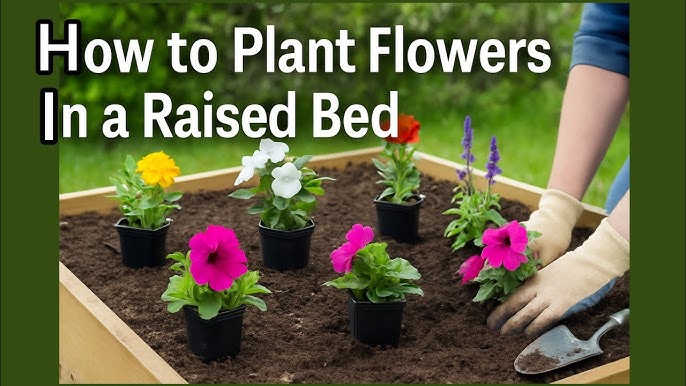
Imagine stepping outside and seeing a burst of colors in your garden, each flower reflecting your personality and passion for nature. But before you dive into planting, a question arises: can you plant flowers in garden soil?
This question might seem simple, yet it holds the key to your garden’s success. You might be wondering if your garden soil is truly the right home for your floral dreams. With so many factors to consider, it’s easy to feel overwhelmed.
However, understanding your soil can transform your gardening experience from frustrating to fulfilling. We’ll uncover the secrets of garden soil and its compatibility with flowers. By the end, you’ll have the confidence to make your garden bloom beautifully. So, are you ready to unlock the potential of your garden soil? Let’s dig deeper!
Choosing The Right Garden Soil
Planting flowers in your garden can bring vibrant colors and life to your outdoor space, but choosing the right garden soil is crucial for their growth. Understanding the types of soil and knowing how to test and improve soil quality can make all the difference in your garden’s success. Let’s explore the essentials of selecting the perfect soil for your flowering plants.
Types Of Soil
Soil comes in different types, each with unique characteristics. Sandy soil drains quickly but doesn’t hold nutrients well. Clay soil retains water and nutrients but can become compacted. Loamy soil is often considered ideal as it balances drainage and nutrient retention. When I started gardening, I discovered my soil was too sandy, which required regular watering and fertilizing. What type of soil do you have?
Soil Testing Methods
Testing your soil is the first step to understanding its composition. You can purchase a soil testing kit from a garden center or use a DIY method by observing how water drains after heavy rain. You might be surprised by what you find. I once discovered my soil had a high pH level, which affected the growth of my azaleas. Are you ready to test your soil and uncover its secrets?
Improving Soil Quality
Improving soil quality doesn’t have to be complicated. Adding organic matter like compost can enhance nutrient content and texture. If your soil is heavy clay, mixing in some sand can improve drainage. I remember the transformation in my garden after adding compost; my roses bloomed like never before. What improvements will you make to your garden soil for flourishing flowers?

Credit: www.facebook.com
Selecting Suitable Flowers
Can You Plant Flowers in Garden Soil Garden soil is perfect for many flowers. It provides essential nutrients and drainage. Choose flowers that thrive in your soil type. This ensures vibrant blooms and healthy growth.
Selecting suitable flowers for your garden is an exciting journey that can transform your outdoor space into a vibrant oasis. The right choice not only enhances beauty but also ensures your plants thrive in the existing garden soil. Let’s dive into some important considerations for picking the perfect flowers.Annuals Vs Perennials
When planning your garden, it’s crucial to understand the difference between annuals and perennials. Annuals complete their life cycle in one growing season. They offer a burst of color but need to be replanted each year. Perennials, on the other hand, return year after year. They may not bloom as profusely as annuals, but they offer long-term beauty and require less maintenance. Consider what kind of commitment you want to make to your garden.Climate Considerations
Your local climate plays a significant role in flower selection. Some flowers thrive in hot, dry conditions, while others prefer cooler, moist environments. For instance, sunflowers love the sun, while hostas thrive in shade. Research your area’s climate and choose flowers that are naturally suited to those conditions. This will increase their chances of flourishing and reduce the need for constant care.Flower Compatibility
Not all flowers get along well in the same soil or environment. Compatibility is key to ensuring that your garden is harmonious and healthy. Consider factors like soil type, water needs, and sunlight exposure. Mixing flowers with similar needs simplifies care and promotes mutual growth. Try planting marigolds with tomatoes; they complement each other and deter pests. Choosing the right flowers involves more than just picking your favorites. Think about the longevity, climate, and compatibility of your choices to create a thriving garden. What combination will work best for your space?Preparing The Garden Soil
Planting flowers in garden soil is possible with proper preparation. Ensure the soil is well-drained and nutrient-rich. Adding organic matter like compost improves its quality, promoting healthy flower growth.
Preparing the garden soil is crucial for healthy flower growth. Quality soil provides the necessary foundation for plants to thrive. Follow these steps to ensure your garden soil is ready for planting beautiful blooms.Clearing The Area
Start by removing any debris from the garden. This includes rocks, weeds, and old roots. Clear space allows flowers to grow without obstruction. Use a rake to gather and dispose of unwanted items. Ensure the surface is smooth and ready for the next steps.Tilling And Aeration
Tilling loosens the soil, making it easier for roots to spread. Use a garden fork or tiller to break up compacted soil. This process improves water drainage and root penetration. Aeration ensures soil breathes, fostering a healthy environment. Make sure the soil is not too wet when tilling.Adding Nutrients
Nutrients are essential for flower growth. Incorporate organic matter like compost or manure into the soil. This enriches the soil, providing needed minerals for plants. Mix the nutrients evenly throughout the garden area. Check the soil pH and adjust if necessary. Balanced soil supports vibrant and resilient flowers.
Credit: www.sentinelassam.com
Planting Techniques
Planting flowers in garden soil requires proper techniques for healthy growth. Understanding spacing, depth, watering, and mulching can make a difference. These methods ensure your garden thrives and blooms beautifully.
Spacing And Depth
Proper spacing helps flowers grow without competition. Ensure each plant has enough room. This prevents overcrowding and allows for better air circulation. Depth is crucial for root stability. Plant at a depth suitable for the flower type. Too shallow or deep can hinder growth.
Watering Protocols
Watering is key to healthy flowers. Regularly check soil moisture. Water deeply to reach the roots. Avoid over-watering, which can lead to root rot. Early morning or late afternoon watering is best.
Mulching Benefits
Mulching retains soil moisture and controls weeds. Organic mulch enriches the soil as it breaks down. Spread mulch evenly around the flowers. This also protects roots from temperature changes. A layer of mulch offers multiple benefits to your garden.
Maintaining Garden Flowers
Planting flowers in garden soil is possible with the right conditions. Choose soil rich in nutrients and ensure proper drainage. Regular watering and sunlight help flowers thrive beautifully.
Maintaining Garden Flowers Gardening is a rewarding hobby. Keeping garden flowers healthy needs some effort. Proper maintenance ensures vibrant blooms and lush growth. Let’s explore key practices to maintain your garden flowers.Pest And Disease Control
Garden pests can harm your flowers. Regularly inspect plants for signs of pests. Use natural remedies like neem oil. Encourage beneficial insects such as ladybugs. They help control harmful pests. Remove diseased leaves to prevent spread. Keep the garden clean and debris-free.Seasonal Care Tips
Seasonal changes affect flower growth. In spring, prepare the soil with compost. Water deeply during dry spells. Mulch helps retain moisture in summer. In autumn, cut back perennials. Protect sensitive plants from winter frost. Use blankets or covers for insulation.Pruning And Deadheading
Pruning keeps flowers healthy and tidy. Remove dead or damaged stems regularly. It encourages new growth. Deadheading spent blooms promotes more flowers. Use clean, sharp tools for precise cuts. This reduces plant stress. Pruning also shapes plants, enhancing garden aesthetics.
Credit: joradahl.de
Common Challenges
Planting flowers in garden soil can be tricky due to varying soil quality. Poor drainage and low nutrients often hinder growth. Adjusting the soil with compost or other amendments can help improve conditions for healthy blooms.
Planting flowers in garden soil can be a delightful experience, but it comes with its fair share of challenges. Gardeners often face issues that can hinder the growth and beauty of their flowers. Understanding these common challenges will help you tackle them effectively and enjoy a flourishing garden.Soil Erosion Issues
Soil erosion can be a significant hurdle when planting flowers. Water and wind can wash away the topsoil, which is rich in nutrients necessary for flower growth. To combat this, consider planting ground cover plants that help hold the soil together. You can also use mulch to protect the soil surface. It acts as a barrier against erosion while retaining moisture. Have you ever noticed how bare soil erodes faster? Covering it can make a real difference.Dealing With Weeds
Weeds are the uninvited guests in your garden that compete with your flowers for nutrients. Regularly check your garden for weeds and remove them by hand or with a hoe. This task might seem tedious, but it’s essential for healthy flower growth. Consider laying down a weed barrier fabric before planting. It can significantly reduce the number of weeds that sprout up. Have you tried using organic mulch? It not only suppresses weeds but also enriches the soil as it decomposes.Flower Growth Problems
Not all flowers thrive in every type of garden soil. Some may struggle due to poor soil drainage or lack of nutrients. Conduct a simple soil test to determine the pH and nutrient content of your garden soil. Amend the soil with compost or fertilizer based on the test results to address deficiencies. Ever wondered why some of your flowers bloom while others don’t? It could be the soil quality. Making small adjustments can lead to big changes in flower growth.Frequently Asked Questions
Can Garden Soil Support Flower Growth?
Yes, garden soil can support flower growth if it’s well-prepared. Ensure it’s nutrient-rich and has good drainage. Adding organic matter like compost can improve soil structure and fertility. Test the soil pH and adjust if needed. Proper sunlight and regular watering are essential for healthy flowers.
What Flowers Thrive In Garden Soil?
Many flowers thrive in garden soil, including marigolds, daisies, and sunflowers. Consider the climate and soil conditions when choosing flowers. Native plants often adapt well to local soil types. Always check the flower’s specific needs, such as sunlight and water requirements, for optimal growth.
How To Improve Garden Soil For Flowers?
Improve garden soil by adding organic compost or well-rotted manure. This enhances soil fertility and structure. Ensure adequate drainage by mixing in sand or perlite if necessary. Test and adjust the soil pH to suit the flowers you’re planting. Regularly aerate the soil for better root development.
Is Garden Soil Better Than Potting Mix?
Garden soil is natural and can be nutrient-rich, but potting mix offers better aeration and drainage. For containers, potting mix is often preferred. In garden beds, soil can be improved for optimal flower growth. Consider the specific needs of your plants when choosing between the two.
Conclusion
Planting flowers in garden soil can be rewarding. Soil type impacts growth. Choose the right flowers for your soil. Prepare the soil before planting. Add compost for nutrients. Ensure proper drainage. Water regularly. Keep an eye on pests. Simple steps lead to a vibrant garden.
Enjoy the colors and beauty. With care, your garden flourishes. Let nature’s beauty surround you. Start today and watch your garden grow. Happy planting!







