Are you dreaming of a lush, colorful garden but unsure how many plants you should actually plant? You’re not alone.
Many budding gardeners face this dilemma. Too few plants might make your garden look sparse, while too many could lead to overcrowding and unhealthy growth. The secret to a thriving garden lies in finding the perfect balance. Imagine stepping into your garden, greeted by a harmonious blend of colors and aromas, each plant perfectly spaced and thriving.
Sounds wonderful, right? We’ll guide you through the decision-making process, ensuring your garden becomes the vibrant oasis you’ve always desired. Keep reading to discover the key to planting success and transform your outdoor space into a living masterpiece.

Credit: medium.com
Choosing The Right Number
Choosing the right number of plants depends on garden size and your time for care. Consider plant spacing needs and growth habits for a healthy garden.
Choosing the Right Number Finding the perfect number of plants for your garden can feel like solving a puzzle. You want enough to create a lush, thriving space, but not so many that they compete for resources. Balance is key, and understanding how to achieve it can transform your garden into a haven for you and your plants.Assessing Garden Space
Start by measuring your garden area. Knowing your space’s dimensions helps you visualize the layout and decide how many plants it can accommodate. Consider the sunlight each section of your garden receives. Some plants need full sun, while others thrive in shade. This affects how many of each type you can plant. Think about accessibility. You should be able to reach all your plants for watering, pruning, and harvesting.Understanding Plant Needs
Research the requirements of the plants you’re interested in. Some need more water or nutrients and thus require extra space. Look into the mature size of each plant. This will help you avoid overcrowding and ensure each plant has room to grow. Consider companion planting. Certain plants grow better together, and understanding these dynamics can help you choose the right number.Considering Growth Patterns
Observe how fast each plant grows. Rapid growers might need more space than slow-growing varieties, affecting how many you can plant. Think about seasonal growth. Some plants might dominate the garden in one season but shrink back in another, influencing your planting decisions. Consider vertical growth. Tall plants can be paired with shorter ones, maximizing space and allowing for more variety in your garden. How do you balance your garden’s needs with your vision for it?
Credit: www.texasnative.com
Garden Goals
Planning the number of plants for your garden depends on space, light, and maintenance needs. Consider plant size and growth patterns to avoid overcrowding. Ensure each plant has enough room to thrive and access to sunlight for optimal growth.
Setting garden goals is an exciting part of planning how many plants to include in your garden. Whether you want a lush oasis, a sustainable haven, or a bountiful edible garden, your objectives will guide your planting decisions. Let’s dive into how different goals can shape the number and types of plants you choose.Aesthetic Appeal
If you’re aiming for a visually stunning garden, consider the design elements that appeal to you. Think about color schemes, plant heights, and textures to create a harmonious look. You might choose a mix of flowering plants, shrubs, and ornamental grasses to achieve a dynamic and eye-catching display. Reflect on the space you have. Larger gardens can accommodate more variety, while smaller areas might benefit from fewer, carefully selected plants. Use odd numbers when grouping plants to create a more natural and pleasing aesthetic.Sustainable Gardening
For those interested in sustainable gardening, focus on native plants that thrive in your local climate. These plants often require less water and maintenance, making them a smart choice for eco-friendly gardening. Consider implementing companion planting, where plants support each other’s growth and health. This practice can reduce pests and improve soil quality, allowing you to plant more efficiently. Think about your resources. How much time and effort can you dedicate to maintaining your garden sustainably? This will help you decide how many plants you can manage effectively.Edible Gardening
Growing your own food is incredibly rewarding, but it requires careful planning. Start by determining the types of fruits, vegetables, and herbs you enjoy eating. This will guide your planting choices, ensuring you only grow what you’ll actually use. Consider the space requirements for each plant. Some vegetables need more room to spread out, while others, like herbs, can be planted more densely. Assess your culinary preferences and storage capabilities. If you love fresh tomatoes but have limited storage, plant just enough to enjoy during the growing season. This approach helps prevent waste and keeps your garden manageable. By aligning your plant choices with your garden goals, you can create a space that’s not only beautiful but also functional and sustainable. What vision do you have for your garden, and how will you bring it to life?Climate Considerations
Deciding how many plants to grow depends on your climate. Climate affects growth and survival. Knowing local conditions helps make better choices. This ensures healthy plants and a fruitful garden.
Adapting To Local Conditions
Understanding your local climate is crucial. Research average temperatures and rainfall. This guides plant selection and care. Choose plants that thrive in your region. Consider sunlight and shade needs. Check soil type and drainage. Adapt gardening practices to fit local weather patterns.
Seasonal Planting Guide
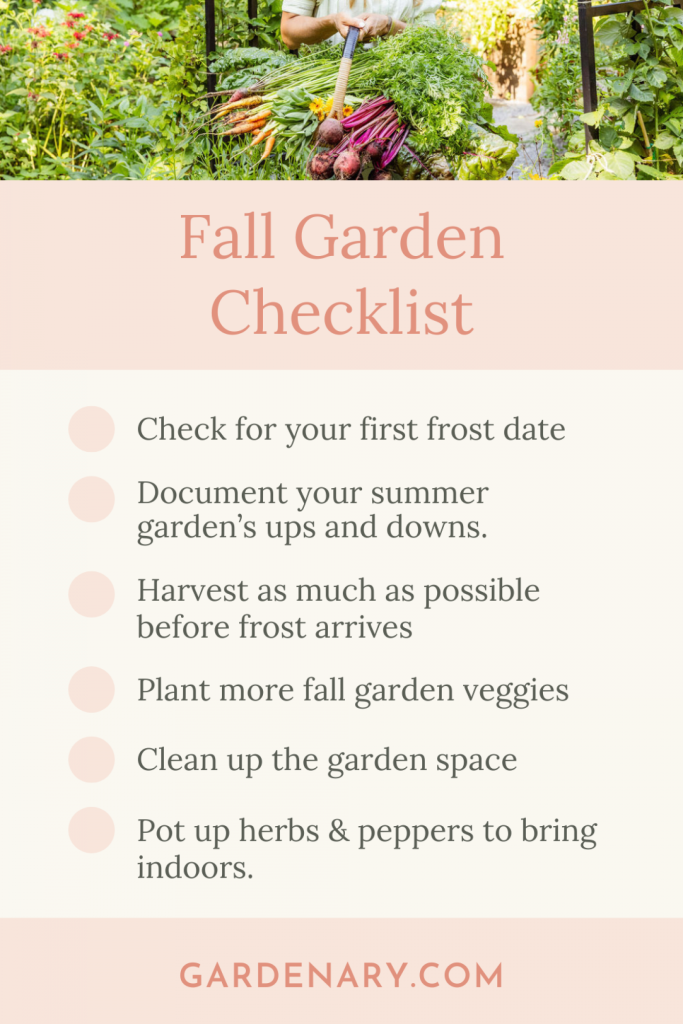
Plan your garden around seasons. Warm months suit sun-loving plants. Cool months favor hardy vegetables. Use a calendar for planting times. This maximizes growth and harvest. Consider frost dates in your area. Protect sensitive plants with covers or mulch. Rotate crops for soil health.
Balancing Diversity
Balancing diversity in your garden enhances both beauty and health. Planting a mix of different species can create a vibrant ecosystem. Consider space, sunlight, and climate to determine the right number of plants.
Creating a flourishing garden is like painting with nature’s palette. Balancing diversity in your garden not only brings beauty but also enhances plant health and productivity. A diverse array of plants can help your garden thrive by promoting a healthy ecosystem. But how do you choose the right balance? A personal experience taught me that too many varieties can overwhelm, yet too few can limit growth. Finding the sweet spot is essential for a vibrant garden. So, let’s dive into the elements of balancing diversity.Mixing Plant Varieties
Mixing different plant varieties can be as simple as choosing a mix of colors, textures, and heights. A good mix adds visual interest and helps manage pests naturally by confusing them with a variety of scents and appearances. Consider adding both annuals and perennials to your garden. Annuals provide quick color, while perennials return year after year, offering consistency. Experiment with different types of plants, such as vegetables, herbs, and flowers. This variety can lead to improved soil health and a more resilient garden.Companion Planting Benefits
Companion planting is a strategic way to balance diversity. It involves pairing plants that benefit each other when grown together. For instance, planting basil near tomatoes can enhance their growth and flavor. Similarly, marigolds can deter pests and protect your vegetables. Think of your garden as a community where each plant has a role. By understanding how plants interact, you can boost growth and reduce the need for chemical interventions. Consider your garden’s layout and climate to choose the best companions. What combinations have worked for you in the past? This could be your opportunity to experiment and discover new favorites. Balancing diversity is about making informed choices and understanding the natural relationships between plants. Let your garden be a reflection of your creativity and knowledge.Maintenance Factors
Consider garden size and plant needs to decide how many plants to plant. Space, sunlight, and water requirements are crucial. Proper spacing ensures healthy growth and reduces maintenance efforts.
When deciding how many plants to include in your garden, consider maintenance factors. Each plant has unique needs that can impact your gardening routine. Balancing these requirements ensures a healthy and thriving garden.Watering Requirements
Watering is crucial for plant health. Some plants need daily watering. Others thrive with less frequent watering. Consider the climate of your area. Dry regions may require more watering. Plants with deep roots usually need less water. Group plants with similar watering needs together. This makes the task easier and more efficient. Always check the soil moisture before watering. Overwatering can harm plants as much as underwatering.Pruning And Care
Pruning keeps plants healthy and encourages growth. Some plants need regular pruning. Others require minimal attention. Know the specific care needs of each plant. This helps maintain their shape and health. Dead or diseased branches should be removed promptly. Use clean, sharp tools for pruning. This prevents damage and disease. Consider the time you can dedicate to pruning. Choose plants that fit your schedule and skill level. Regular care ensures a flourishing and beautiful garden.
Credit: www.holokahome.com
Expert Recommendations
Choosing the right number of plants for your garden can be tricky. Experts offer valuable insights to help you decide. Their advice ensures you have a thriving and balanced garden. Let’s explore their recommendations.
Tips From Professional Gardeners
Gardeners suggest starting small to manage your garden easily. Begin with a few plants and increase gradually. Consider the space each plant needs to grow properly. Crowded plants may struggle to thrive.
Professional gardeners advise considering the mature size of plants. Check plant labels or ask at nurseries for guidance. This helps in planning your garden layout effectively.
Common Mistakes To Avoid
Overplanting is a common mistake among new gardeners. Too many plants compete for resources. This leads to poor growth and health issues.
Avoid planting without a plan. Random planting can lead to a cluttered garden. Thoughtful arrangement improves aesthetics and plant health.
Ignoring plant compatibility is another error. Some plants require similar conditions to thrive together. Research plant needs to ensure harmony in your garden.
Frequently Asked Questions
How Do I Decide How Many Plants To Grow?
To decide how many plants to grow, consider your garden size and plant spacing. Research each plant’s spacing requirements to optimize growth. Factor in sunlight, soil, and water availability. This ensures a healthy garden without overcrowding, promoting better air circulation and reducing disease risks.
What Factors Influence Plant Quantity In A Garden?
Factors influencing plant quantity include garden size, plant type, and growth habits. Consider sunlight and soil conditions, ensuring space for each plant’s mature size. Balance aesthetics and functionality, allowing room for maintenance. These factors help create a thriving, manageable garden environment.
How Does Plant Spacing Affect Garden Health?
Proper plant spacing affects garden health by ensuring each plant receives adequate sunlight, water, and nutrients. It prevents overcrowding, reducing disease risk and improving air circulation. Adequate space allows plants to grow to their full potential, contributing to a healthy and productive garden.
Can I Plant Too Many Plants In My Garden?
Yes, planting too many plants can lead to overcrowding, limiting growth and increasing disease risk. Overcrowded gardens struggle with poor air circulation and nutrient competition. This can result in weaker plants. Carefully plan spacing to avoid these issues and create a thriving garden environment.
Conclusion
Choosing the right number of plants makes gardening a joy. Start small, enjoy the process. Consider space, sunlight, and time for each plant. Experiment with different varieties to find what you love. Pay attention to their needs and watch them flourish.
Gardening is about patience and learning. Enjoy the growth and beauty you create. Adjust and adapt as you gain experience. Happy planting! With each season, your garden will tell its own story. Let nature guide you, and your garden will thrive.
Gardening brings peace and satisfaction, one plant at a time.







