Imagine stepping into your garden, ready to tackle those overgrown hedges or unruly weeds, but your trusty garden tools just aren’t cutting it—literally. Dull tools can turn a simple gardening task into a frustrating ordeal, sapping your time and energy.
But what if there was a straightforward way to bring back their sharpness, making your gardening tasks easier and more enjoyable? That’s exactly what we’re diving into today. By the time you finish reading, you’ll have the skills to ensure your garden tools are always in top condition, ready to help you create the garden of your dreams.
So grab a seat, because the secret to sharper, more efficient gardening is just a few scrolls away.
Essential Tools For Sharpening
Sharpening garden tools is crucial for their effectiveness. Dull tools can make gardening harder and less enjoyable. To keep your tools in top shape, you need the right equipment. Here are some essential tools for sharpening garden tools.
Sharpening Stones
Sharpening stones are versatile for various blades. They come in different grits, from coarse to fine. Coarse stones are great for removing nicks and reshaping edges. Fine stones polish and refine the blade. Wet the stone before use for smoother sharpening. This reduces friction and prevents heat damage.
Files And Rasps
Files and rasps are ideal for rough sharpening. They’re useful for larger tools like hoes and shovels. A file has teeth that cut metal quickly. Use a rasp for fast removal of material. Always file in one direction to avoid damaging the tool. Secure the tool in a vice for stability during sharpening.
Electric Grinders
Electric grinders speed up the sharpening process. They’re perfect for heavily worn blades. Grinders remove rust and reshape edges quickly. Use a light touch to avoid overheating the blade. Wear protective gear to safeguard against flying sparks and debris. Ensure the grinder’s wheel matches the tool’s material for optimal results.

Credit: www.instagram.com
Preparing Your Garden Tools
Sharpening garden tools enhances efficiency and ease of use. Use a file or sharpening stone for best results. Regular maintenance prevents rust and prolongs tool life.
Preparing your garden tools is essential for their longevity. Sharp, clean tools make gardening easier and more effective. Begin with a thorough preparation process. This sets the stage for sharp, efficient tools.Cleaning Techniques
Start by removing dirt and debris from your tools. Use a stiff brush to scrub off the soil. For stubborn dirt, soak tools in soapy water for a few minutes. Dry them thoroughly to prevent rust. Clean tools perform better and last longer.Inspecting For Damage
Check your tools for any signs of damage. Look for cracks, loose parts, or rust. Handle any issues immediately. Tighten loose screws and replace broken parts. This ensures your tools are safe to use. Regular inspections prevent bigger problems.Sharpening Techniques
Maintaining sharp garden tools ensures efficient cutting and pruning. Use a file or sharpening stone to restore the edge. Regular sharpening reduces the effort needed for gardening tasks.
Sharpening garden tools is crucial for efficient gardening. Dull tools can damage plants and slow down work. Proper sharpening extends the life of your tools. It also improves their performance. Here, we explore effective sharpening techniques.Manual Sharpening Methods
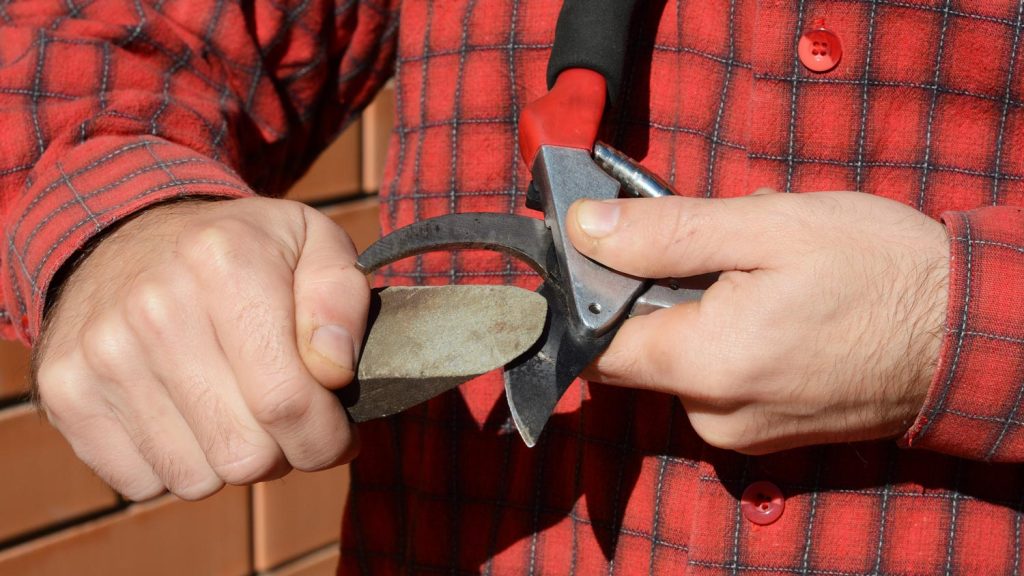
Manual sharpening is a popular choice for many gardeners. It offers precision and control. Use a whetstone or a sharpening file. Hold the tool firmly. Position the stone or file at the correct angle. Move it along the blade’s edge. Repeat until the blade is sharp. Check sharpness by slicing a piece of paper. If it cuts smoothly, you’re done.Using Electric Grinders
Electric grinders make sharpening quick and easy. They are perfect for heavily worn tools. Secure the tool in a vice. Use the grinder carefully. Maintain a consistent angle. Move the grinder evenly along the blade. Be cautious to avoid overheating the metal. A sharp blade should reflect light evenly.
Credit: www.youtube.com
Safety Measures
Wearing protective gloves and goggles ensures safety while sharpening garden tools. Secure tools firmly to prevent slips. Keep your work area well-lit and free of clutter to avoid accidents.
Sharpening your garden tools is a practical skill that extends the life of your tools and enhances your gardening experience. However, before you grab that whetstone or file, it’s crucial to prioritize safety. By implementing a few safety measures, you can prevent accidents and keep your sharpening process smooth and stress-free.Protective Gear
Wearing the right protective gear is your first line of defense. Start with a pair of sturdy gloves to protect your hands from accidental cuts and scrapes. Eye protection is equally important—small metal filings can cause severe damage to your eyes. Consider a dust mask if you’ll be working with power tools, as they can produce fine particles that are harmful when inhaled. Ensuring you’re equipped with proper gear reduces risks and allows you to focus on the task at hand.Safe Handling Practices
Always handle your tools with care. Secure the tool in a vise or clamp to prevent it from moving during sharpening. This not only provides stability but also prevents mishaps caused by slipping tools. Be mindful of the direction you sharpen in; always sharpen away from your body. This simple practice can prevent injuries and make the process more efficient. Ask yourself, is your work area well-lit and free from clutter? A clear workspace minimizes distractions and accidents, making your sharpening session more productive.Maintaining Sharpness
Maintaining sharpness in garden tools is essential for efficient gardening. Sharp tools cut cleanly and reduce strain on your hands. Regular upkeep ensures they stay effective, saving time and effort. A few simple practices can keep your tools sharp and ready for use.
Regular Maintenance Tips
Regular care keeps your garden tools in top condition. Clean tools after each use to remove dirt and sap. This prevents rust and dullness. Sharpen blades using a file or sharpening stone. Do this every few months or as needed. For precise sharpening, follow the tool’s original angle. Oil moving parts to prevent rust and ensure smooth operation.
- Clean tools after each use.
- Sharpen blades regularly.
- Oil moving parts to prevent rust.
Storage Suggestions
Proper storage extends the life of your garden tools. Keep them in a dry place to avoid moisture. Moisture causes rust, damaging the blades. Use tool racks or hangers to store tools off the ground. This protects them from dirt and damage. Store smaller tools in a toolbox to keep them organized.
- Store tools in a dry area.
- Use tool racks or hangers.
- Organize smaller tools in a toolbox.

Credit: www.youtube.com
Common Mistakes To Avoid
Keeping garden tools in top shape involves avoiding common sharpening mistakes. Using the wrong angle can damage blades, while neglecting safety gear poses risks. Regularly clean and dry tools to prevent rust.
Sharpening your garden tools is essential for maintaining their efficiency and extending their lifespan. However, many people make common mistakes that can lead to damaging the tools rather than preserving them. By understanding these pitfalls, you can ensure your tools remain in top condition.Over-sharpening Risks
A common mistake is believing that sharper is always better. While a sharp edge is crucial, over-sharpening can actually weaken the blade. It can make your tools more prone to chipping and breakage. Consider the example of a garden hoe. If you over-sharpen the blade, it may become too thin and fragile, making it less effective for heavy-duty digging. Aim for a balanced edge—sharp enough to cut smoothly but sturdy enough to withstand regular use.Neglecting Tool Inspection
Before you start sharpening, take a moment to inspect your tools. This step is often neglected, but it’s vital for identifying any underlying issues. Look for signs of rust, pitting, or cracks. For instance, if you find rust on your pruning shears, sharpening them without addressing the rust first can lead to further deterioration. Cleaning and repairing any damage before sharpening ensures you’re not just putting a shiny edge on a compromised tool. Skipping this inspection can lead to surprises during use, such as a sudden break or a tool that simply doesn’t perform as expected. Wouldn’t it be frustrating to put in the effort only to find your tools still underperform? Prioritize inspection to save time and effort in the long run.Frequently Asked Questions
How Often Should I Sharpen Garden Tools?
Garden tools should be sharpened regularly to maintain their efficiency. Sharpen them after every 10 hours of use. Frequent sharpening ensures precise cuts and extends the tool’s lifespan. Regular maintenance helps avoid rust and damage, keeping them in optimal condition for gardening tasks.
Can I Use A File To Sharpen Tools?
Yes, a metal file is excellent for sharpening garden tools. It effectively smooths and sharpens blade edges. Use a file on hoes, shears, and shovels for improved performance. Ensure to use a file suited for the tool’s metal type to avoid damage.
What Safety Measures Should I Take?
Always wear gloves and eye protection when sharpening tools. Secure the tool properly to prevent movement. Use controlled, steady strokes to avoid injuries. Keep the sharpening area clean and organized. Follow manufacturer’s instructions for specific tools for added safety.
Are Electric Sharpeners Useful For Garden Tools?
Electric sharpeners offer quick and efficient sharpening for garden tools. They save time and effort compared to manual methods. Choose a model suitable for your tool types. Electric sharpeners are especially useful for frequent gardeners needing sharp tools regularly.
Conclusion
Sharpening garden tools keeps them effective and easy to use. Dull blades make gardening harder and less fun. Regular sharpening improves performance and extends tool life. Use files or sharpening stones for best results. Clean tools after each use to prevent rust.
Inspect for damage before sharpening. Proper maintenance saves time and effort. It ensures tools work well every season. Stay consistent with care routines. Happy gardening comes from sharp, reliable tools. Keep them ready for any task ahead. Your plants will thank you for well-maintained tools.
Enjoy smoother gardening and healthier plants.