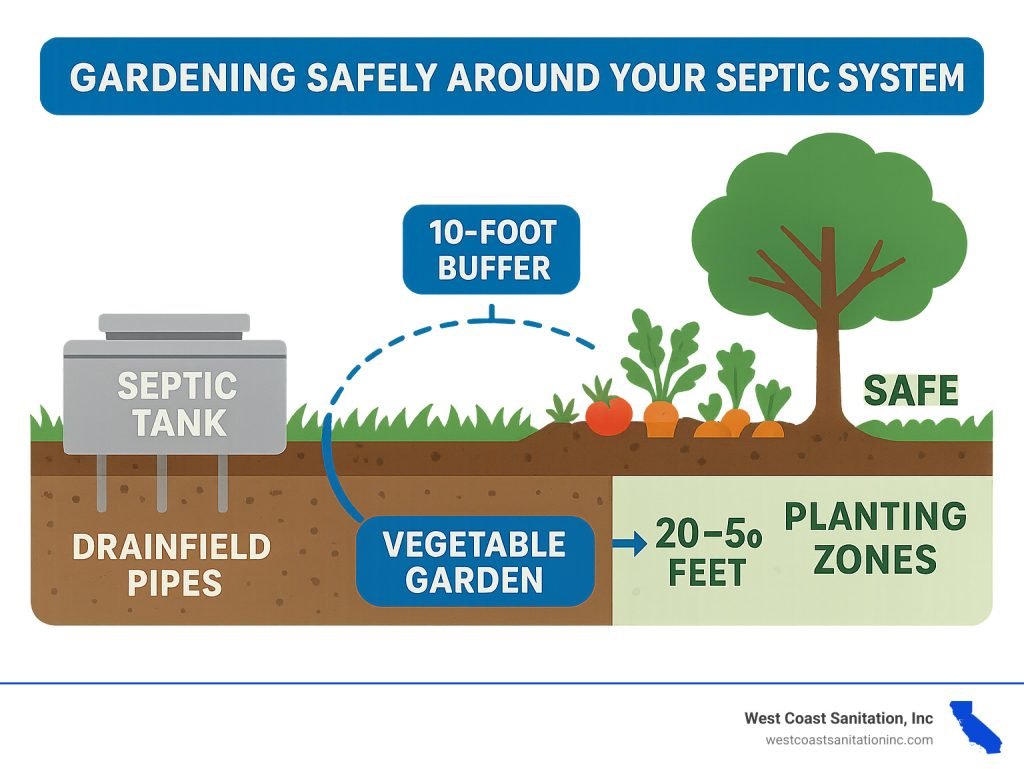
Thinking about starting a vegetable garden? You might wonder if you can plant it over a leach field.
This idea might seem convenient and space-saving, but it raises some important questions. Are you curious about how this might impact your garden’s health or the safety of the vegetables you grow? You’re not alone. Many gardeners face this dilemma, and understanding the implications can save you time, money, and potential health issues.
Imagine biting into a fresh, homegrown tomato, knowing exactly where it came from. But what if its roots tapped into something unexpected? The thought alone might give you pause. Your concern is valid, and you deserve the peace of mind that comes from knowing your garden is both safe and fruitful. Dive into this article to uncover the pros and cons of planting over a leach field, and make an informed decision that benefits both you and your garden.
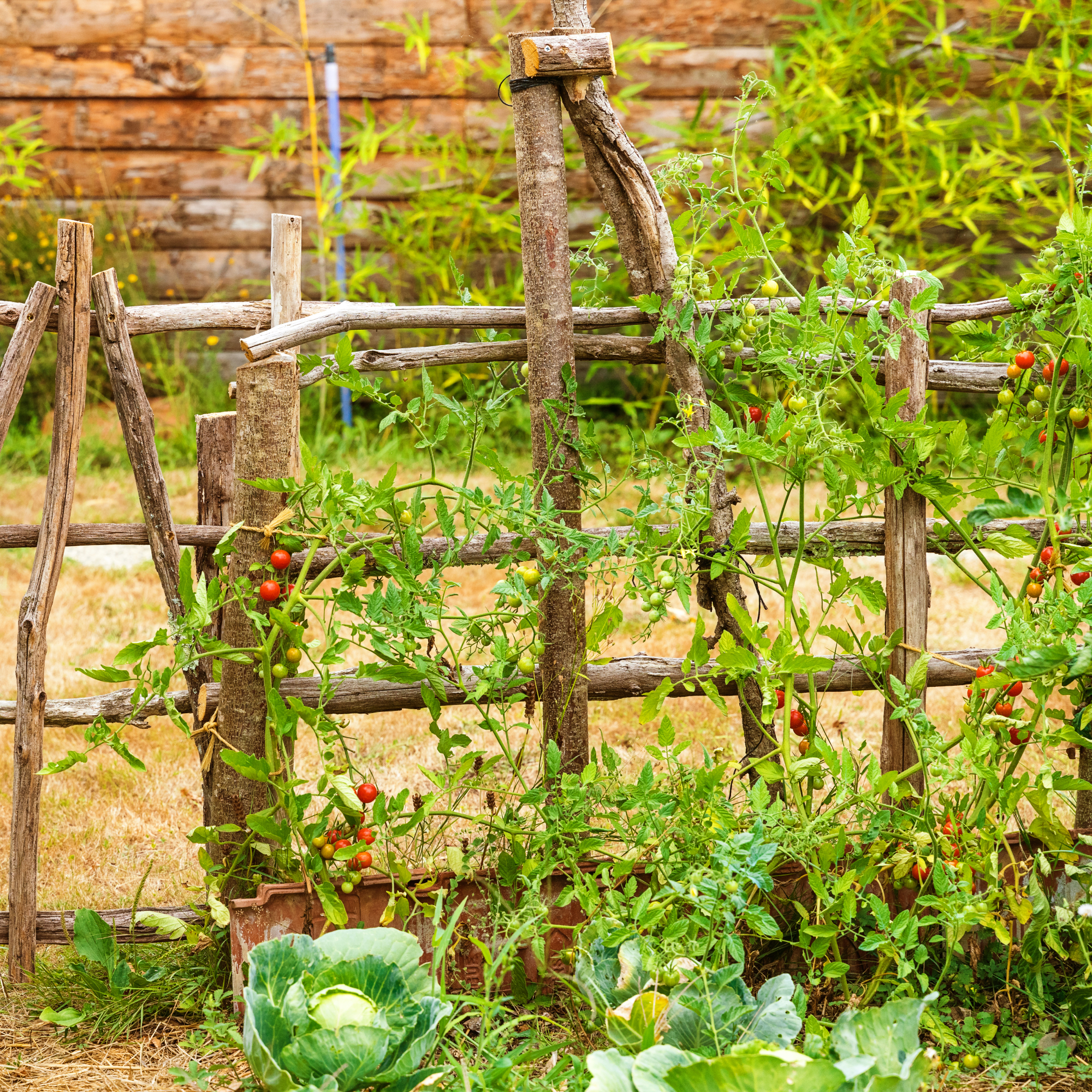
Credit: www.gardeningknowhow.com
Leach Field Basics
Understanding the basics of leach fields is crucial for gardeners. A leach field plays a key role in wastewater treatment. It is part of a septic system, helping to process household waste. Knowing how it works helps you decide whether planting a garden nearby is safe.
Understanding Leach Fields
Leach fields are underground systems. They distribute liquid waste from the septic tank into the soil. This process removes impurities from the wastewater. The soil acts as a natural filter, cleaning the water. The main aim is to keep the environment safe and clean.
Components And Functionality
Leach fields consist of several parts. Key components include pipes, trenches, and gravel. Pipes carry the wastewater from the septic tank. Trenches are dug into the ground to hold the pipes. Gravel surrounds the pipes, allowing water to flow freely.
The system functions efficiently. Wastewater moves through pipes and enters trenches. Gravel helps distribute the water evenly. The soil absorbs and filters the water. This process ensures clean water re-enters the ecosystem.
Vegetable Gardening Essentials
Planting a vegetable garden over a leach field can be challenging. Soil disturbance might damage the septic system. Prioritize root-friendly vegetables like lettuce and herbs for minimal disruption.
Planting a vegetable garden is a rewarding experience that not only fills your plate with fresh produce but also connects you with nature. However, when considering planting over a leach field, there are specific essentials to keep in mind. Understanding the requirements and choosing the right vegetables can lead to a successful and sustainable garden.Requirements For Healthy Growth
To ensure your vegetables thrive, they need access to the right conditions. This includes sunlight, water, and nutrient-rich soil. While planting over a leach field, it’s crucial to be cautious about soil quality as it can affect the health of your plants. Consider using raised beds to create a barrier between the vegetables and the leach field. This not only protects your plants but also gives you more control over soil composition. Regular testing of soil pH and nutrient levels can help maintain optimal growth conditions.Common Vegetables For Home Gardens
Selecting the right vegetables is key to a fruitful garden. Leafy greens like lettuce and spinach are popular choices due to their fast growth and high yield. Root vegetables, such as carrots and radishes, are also commonly grown, but take care with their proximity to the leach field. Tomatoes and peppers are favorites for many gardeners because of their versatility in the kitchen. Consider their space requirements and support needs, especially in small garden areas. Are there vegetables you’ve always wanted to try growing? Experimenting with different varieties can make gardening even more exciting and rewarding.Safety Concerns
Planting a vegetable garden over a leach field raises safety concerns. Contaminants from the leach field may affect the plants. Soil quality could also be compromised, impacting the health of the vegetables.
Safety concerns arise when considering planting a vegetable garden over a leach field. This method might seem practical, but it carries potential risks. Understanding these risks helps gardeners make informed decisions. Investigating soil and water quality is crucial for health and safety.Potential Risks Of Planting Over Leach Fields
Leach fields are part of septic systems. They disperse wastewater into the soil. Planting over them might disturb this process. Roots can infiltrate pipes, causing blockages. This may lead to system failure. Vegetables grown here might absorb harmful bacteria. Consuming these can pose health risks.Impact On Soil And Water Quality
Leach fields can affect soil composition. Wastewater changes soil pH and nutrient levels. This might impact plant growth negatively. Water quality is a bigger concern. Contaminants from wastewater can seep into groundwater. This affects drinking water quality. Testing soil and water is essential before planting. Ensuring safe levels of contaminants protects health.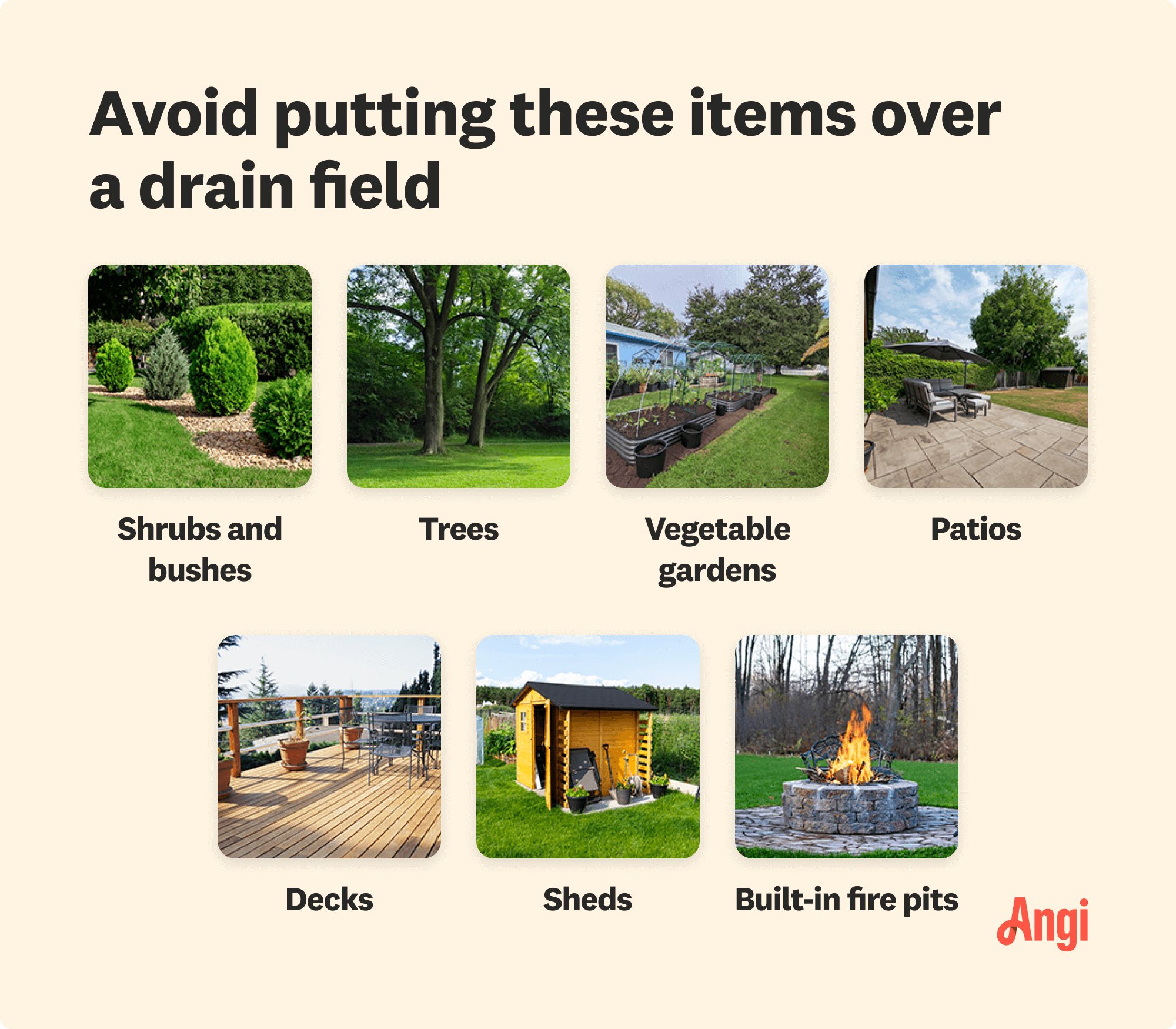
Credit: www.angi.com
Benefits Of Planting
Planting a vegetable garden over a leach field can enhance soil health. Vegetables absorb nutrients from wastewater, reducing pollution. Proper planning ensures safe and productive gardening, contributing to sustainable practices and healthy crops.
The benefits of planting a vegetable garden over a leach field can be numerous. Gardens offer practical and ecological advantages, especially when space is limited. They utilize available land effectively and contribute to environmental health.Advantages Of Using Available Space
Leach fields occupy large areas that often remain unused. Planting a vegetable garden maximizes this space. It turns a seemingly barren area into a productive one. This practice can be especially beneficial in urban settings. Space is scarce, and every inch counts. Gardens provide fresh vegetables and enhance the aesthetics of the landscape. They transform dull patches into vibrant, useful spaces.Enhancing Soil Fertility
Planting over a leach field can enrich soil fertility. The process helps in breaking down organic matter. Vegetables growing here benefit from nutrients in the soil. They can thrive without excessive artificial fertilizers. The soil’s health improves, supporting sustainable gardening practices. Healthy soil means better crops and a stronger ecosystem.Planting Techniques
Planting a vegetable garden over a leach field requires caution. It’s possible, but ensure proper soil depth and avoid root vegetables. Use raised beds to protect the leach field while enjoying fresh produce.
Planting a vegetable garden over a leach field can be a rewarding and sustainable endeavor if done correctly. To ensure success, you need to adopt specific planting techniques that protect both your crops and the septic system. By understanding how to manage the soil and select the right plants, you can enjoy fresh vegetables without compromising the functionality of your leach field.Raised Beds And Container Gardens
Using raised beds and container gardens offers an excellent solution for gardening over a leach field. These methods help minimize soil disturbance and prevent root intrusion into the septic system. Raised beds can be constructed using wood, bricks, or recycled materials, providing a controlled environment for your vegetables. They also improve drainage, which is essential for plant health, especially in areas with heavy rainfall. Container gardens give you even more control over the growing conditions. You can easily move containers to optimize sunlight exposure and manage water distribution. This flexibility ensures that your plants thrive while maintaining the integrity of the leach field.Choosing The Right Plants
Selecting the appropriate plants is crucial when gardening over a leach field. Focus on shallow-rooted vegetables that are less likely to interfere with the septic system. Lettuce, spinach, and herbs like basil and parsley make excellent choices. These plants not only grow quickly but also provide fresh ingredients for your kitchen. Avoid deep-rooted or aggressive plants, such as tomatoes or corn, that might invade and damage the leach field. By choosing wisely, you ensure a bountiful harvest without risking the health of your septic system. Have you ever considered the environmental impact of your gardening choices? By planting responsibly, you contribute to a sustainable ecosystem while enjoying the fruits of your labor.Maintenance Tips
Planting a vegetable garden over a leach field requires careful planning. Ensure soil health by avoiding heavy tilling to protect pipes. Choose shallow-rooted plants to minimize interference with the field’s function.
Planting a vegetable garden over a leach field requires careful maintenance. Proper care ensures plant health and environmental safety. Here are essential maintenance tips to guide your gardening efforts.Watering And Drainage Management
Regularly check soil moisture levels. Overwatering can harm plants and the leach field. Use a soaker hose to provide gentle watering. This helps avoid water pooling. Ensure water drains well. Poor drainage may cause root rot. Create raised beds for better drainage. It helps water move away from plant roots. Avoid using heavy mulch, which can trap moisture. Keep the area around plants clear to improve airflow.Monitoring Plant Health
Inspect plants weekly for signs of stress. Look for yellowing leaves or wilting. These may indicate poor soil conditions. Check for pests that can damage plants. Use natural pest control methods. Companion planting can help deter pests naturally. Prune plants to encourage healthy growth. Remove dead or diseased leaves promptly. This prevents disease spread. Keep an eye on plant size. Large plants may interfere with the leach field. Adjust your planting strategy as needed.Legal And Environmental Considerations
Planting a vegetable garden over a leach field poses legal and environmental challenges. Local regulations may prohibit altering septic systems. Soil contamination from wastewater could harm plant health and safety.
Planting a vegetable garden over a leach field is an intriguing idea, but it comes with important legal and environmental considerations. It’s essential to understand the rules and potential impacts before getting started. Careful planning can ensure your garden is both safe and sustainable.Local Regulations And Permits
Before you plant, check your local regulations regarding leach fields. Many areas have specific rules that you must follow to avoid legal trouble. You might need a permit, so it’s best to contact your local health or environmental department for guidance. Getting firsthand information can save you time and headaches. Once, I learned the hard way when my neighbor had to dig up her garden because she overlooked a permit requirement. Don’t let that happen to you.Environmental Impact And Sustainability
Consider the environmental impact of planting over a leach field. The roots of your plants might interfere with the system, leading to costly repairs. On the flip side, a well-planned garden can enhance soil health and biodiversity. Think about sustainability. Are there plants that require less water or are more resilient in your area? These choices can reduce strain on your leach field and promote a healthier ecosystem. What are your priorities for your garden? Balancing productivity with environmental responsibility can lead to a more rewarding gardening experience.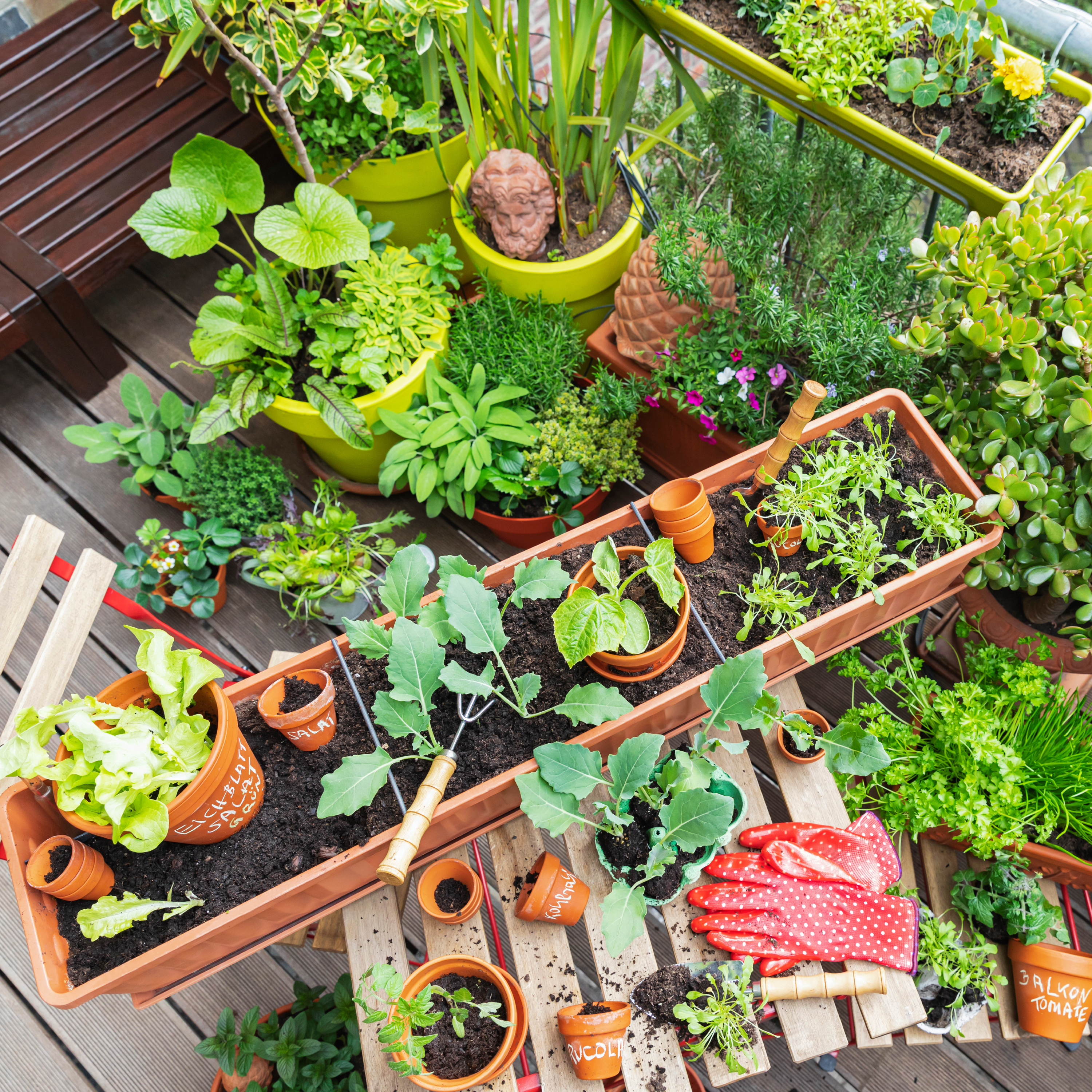
Credit: www.gardeningknowhow.com
Frequently Asked Questions
Is It Safe To Plant Vegetables Over Leach Fields?
Planting vegetables over leach fields isn’t recommended. Leach fields can harbor harmful bacteria and chemicals. These contaminants may transfer to the vegetables, posing health risks. It’s better to grow non-edible plants like grasses or flowers. They help in absorbing excess moisture without the risk of contamination.
Can Leach Fields Affect Vegetable Growth?
Leach fields can negatively impact vegetable growth. The soil over a leach field may be compacted and nutrient-poor. Vegetables require fertile soil for optimal growth. Additionally, excess moisture from the leach field can lead to root rot. It’s advisable to plant elsewhere for healthy vegetable growth.
What Plants Are Suitable For Leach Fields?
Certain plants thrive over leach fields. Grass, flowers, and shallow-rooted plants are ideal choices. These plants help absorb excess moisture and prevent erosion. They also minimize the risk of root intrusion into the leach field system. Avoid deep-rooted plants which can damage the leach field.
Why Avoid Vegetable Gardens On Leach Fields?
Vegetable gardens on leach fields should be avoided due to contamination risks. Harmful bacteria and chemicals can leach into the soil. This poses health risks if vegetables are consumed. Leach fields are designed for waste management, not food production. Consider alternative locations for vegetable gardening.
Conclusion
Planting a vegetable garden over a leach field requires careful thought. Soil conditions and drainage are crucial for healthy growth. Vegetables can benefit from the nutrients in the leach field. But choose plants wisely. Shallow-rooted vegetables are safest. Avoid deep-rooted plants.
Regular checks are essential. Keep an eye on soil health and plant growth. It’s possible to have a thriving garden. Just balance your choices with care. Always prioritize safety and plant health. With the right approach, you can enjoy fresh vegetables from your unique garden space.
Happy gardening!







