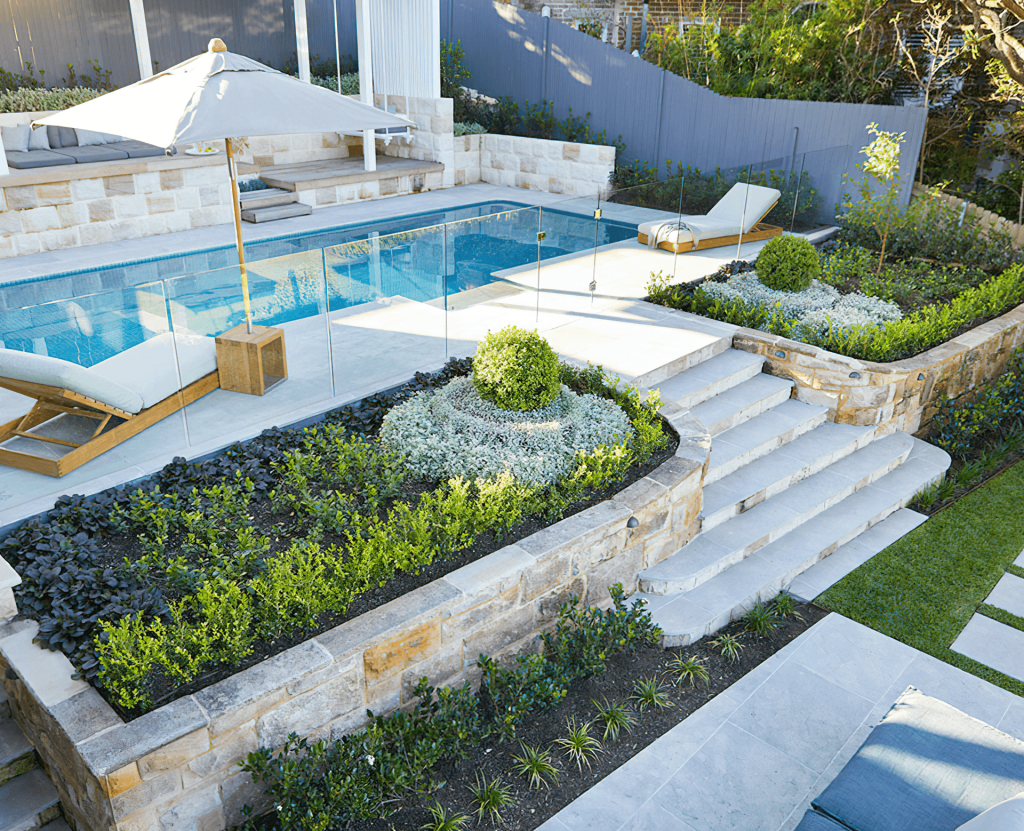
Imagine stepping into your garden and feeling like you’ve entered a peaceful oasis, right in your own backyard. Designing your garden in Australia can transform your outdoor space into a personal paradise that reflects your style and meets your needs.
Whether you have a sprawling lawn or a compact balcony, the right design can make all the difference. You’re about to discover tips and tricks that can turn your vision into reality, without overwhelming complexity. This guide will break down the essentials, helping you make informed choices that lead to stunning results.
Curious about how to create a garden that not only looks beautiful but also thrives in the Australian climate? Keep reading to unlock the secrets of a garden design that you’ll love year-round.
Garden Planning
Design your garden in Australia by choosing native plants that thrive in the local climate. Plan paths and seating areas for easy access and comfort. Consider water-efficient designs to conserve resources while maintaining beauty.
Planning your garden is a rewarding process that transforms your outdoor space into a personal oasis. Whether you have a sprawling backyard or a compact urban patio, thoughtful planning is key to creating a garden that fits your needs and style. Dive into the essentials of garden planning to turn your vision into reality.Assessing Space And Layout
Begin by examining the available space. Take note of the sunlight patterns, soil condition, and existing structures. Is there a tree casting shade that could affect where you plant sun-loving flowers? Sketch a rough layout of your garden to visualize different areas. Consider pathways, seating, and plant beds. This helps you see how each element interacts with one another. Use this time to measure dimensions. Knowing the exact size of your space prevents future headaches, like realizing a plant bed is too big or a pathway is too narrow.Setting Goals And Themes
Decide on the primary purpose of your garden. Do you want a peaceful retreat, a space for entertaining, or a productive vegetable patch? This will guide your design choices. Choose a theme that reflects your personality. Whether it’s a tropical paradise or a minimalist Zen garden, having a theme helps maintain a cohesive look. Consider the climate and native flora. Incorporating plants that thrive in your local environment reduces maintenance and supports local wildlife. With these goals in mind, you’re well on your way to creating a beautiful and functional garden that fits seamlessly into your lifestyle.Choosing Plants
Choosing plants wisely can transform your Australian garden. Consider native species for sustainability and low maintenance. Think about the climate and soil type to ensure your plants thrive.
Designing your garden in Australia can be a rewarding experience, especially when it comes to choosing the right plants. Selecting the perfect blend of flora not only enhances the beauty of your outdoor space but also supports local ecosystems and ensures your garden thrives year-round. But how do you make the best choices for your garden? It all starts with understanding your environment and knowing what plants will flourish in your specific conditions.Native Plants Selection
Opting for native plants is a smart choice for any Australian garden. These plants are naturally adapted to the local climate and soil, making them low maintenance and more resilient to pests and diseases. Consider the stunning banksia or the versatile kangaroo paw, which add unique textures and colors to your garden. Native plants often require less water, which is a significant advantage in Australia’s diverse climate. Imagine stepping into your garden and seeing a vibrant display that effortlessly thrives with minimal intervention.Seasonal Planting Strategies
Understanding seasonal variations is crucial in planning a flourishing garden. In Australia, the climate can vary significantly from one region to another. To keep your garden vibrant throughout the year, select plants that bloom in different seasons. This ensures that something is always in flower or fruiting. For instance, plant grevilleas in spring for a burst of color, while wattles can bring life to your garden in the cooler months. Are you planning to enjoy the fruits of your labor? Consider adding seasonal vegetables and herbs to your garden plan. Their growth cycles will guide you on when to plant and harvest, ensuring a continuous supply of fresh produce.Soil And Climate Considerations
Designing a garden in Australia involves understanding the unique soil and climate. These factors play a crucial role in the success of your garden. Knowing your soil type and climate adaptation techniques can make your garden thrive. Let’s explore how to address these considerations effectively.
Understanding Soil Types
Australia offers diverse soil types across its regions. Identifying your soil type is essential for plant selection. Sandy soils drain quickly, needing frequent watering. Clay soils retain moisture but may require improved drainage. Loamy soils are ideal, offering balanced fertility and drainage. Conduct a soil test to determine pH levels and nutrient content. This guides amendments for optimal plant growth.
Climate Adaptation Techniques
Australia’s climate varies from tropical to temperate. Adapt your garden to suit local conditions. In hot regions, choose drought-resistant plants. Mulch helps retain soil moisture and cools roots. In colder areas, select frost-tolerant species. Windbreaks protect delicate plants from strong winds. Consider the sun’s position for shade and light needs. Regional climate knowledge ensures plant survival and health.
Watering Solutions
Designing a garden in Australia requires efficient watering solutions. Consider climate-friendly irrigation systems for sustainable plant growth. Drip irrigation and rainwater harvesting are excellent options.
Designing your garden in Australia demands thoughtful watering solutions. The climate varies greatly, affecting plant hydration needs. Efficient watering systems save time and conserve water. They also ensure your garden thrives in the harsh Australian climate. Here, we explore key methods for effective garden hydration.Efficient Irrigation Systems
An efficient irrigation system is vital for a healthy garden. Drip irrigation provides a direct water supply to plant roots. It minimizes water wastage and keeps plants hydrated. Sprinkler systems cover larger areas with consistent watering. They suit lawns and expansive garden beds well. Automated timers help in scheduling watering times. This ensures plants get water even when you’re busy. Consider local weather patterns when setting schedules.Water Conservation Methods
Water conservation is crucial in an Australian garden. Rainwater harvesting captures rain for future use. Install a rain barrel to collect water from gutters. This reduces reliance on municipal water supplies. Mulching retains soil moisture and reduces evaporation. Use organic materials like bark or straw for mulch. Plant drought-tolerant species that need less water. Native plants adapt well to local conditions and require minimal watering. Regular soil checks help maintain optimal moisture levels. Adjust your watering practices based on these observations.Garden Structures
Designing your garden in Australia involves selecting structures that complement the natural beauty. Choose pergolas, gazebos, or arbours to enhance outdoor spaces. Consider materials like timber or steel for durability and aesthetic appeal.
Designing your garden in Australia is more than just about choosing plants and flowers; it’s about creating a harmonious space where every element complements the other. Garden structures play a pivotal role in shaping this outdoor experience. They provide functionality, aesthetic appeal, and often serve as the backbone of your garden’s design. Whether it’s the winding paths, a cozy patio, or the defining borders, each structure adds its unique charm and utility.Paths And Patios
Paths and patios are essential for guiding the flow of your garden. They invite exploration and offer a place to pause and enjoy the surroundings. When designing paths, consider using natural materials like stone or gravel, which blend beautifully with the Australian landscape. A patio serves as a perfect spot for gatherings or solitary relaxation. Think about the size and shape that will best suit your needs. Do you envision a small, intimate nook or a larger space for entertaining? Your choices will impact not just the look but also the functionality of your garden.Fencing And Borders
Fencing and borders can define the boundaries of your garden while adding a touch of personality. They offer privacy and protection, framing your garden like a picture-perfect postcard. Choose materials that resonate with your style—wooden fences for a rustic feel, or metal for something more contemporary. Borders aren’t just about separation; they’re about creating visual interest. Use plants, stones, or even recycled materials to create borders that are both functional and beautiful. Think creatively—how can these elements enhance the natural beauty of your garden?
Credit: mosslandscapedesign.com.au
Sustainable Practices
Embrace native plants to conserve water and attract local wildlife. Compost kitchen scraps to enrich soil naturally. Use recycled materials for garden structures to minimize environmental impact.
Designing a sustainable garden in Australia is not just about growing plants; it’s about creating a harmonious ecosystem that nurtures both the environment and your lifestyle. By adopting sustainable practices, you can make a positive impact on the planet while enjoying a thriving garden. Sustainability ensures that your garden remains healthy and productive for years to come. Let’s explore some effective sustainable practices you can adopt in your garden.Organic Gardening
Organic gardening is a cornerstone of sustainable practices. It involves using natural methods to grow plants without synthetic fertilizers or pesticides. This approach not only protects the environment but also ensures that your produce is healthier and tastier. Imagine biting into a tomato plucked right off the vine, knowing it’s free from harmful chemicals. Start by choosing seeds and plants that are native to your region. Native plants are adapted to the local climate and soil, reducing the need for artificial interventions. Additionally, companion planting is a great organic strategy. Pairing certain plants together can naturally repel pests and encourage growth.Composting And Waste Management
Composting is a powerful tool for transforming waste into garden gold. By composting kitchen scraps and yard waste, you create nutrient-rich soil that enhances plant growth. It’s a simple process: collect organic waste, layer it in a compost bin, and let nature do the rest. The end result is a rich, dark soil amendment that your plants will love. Proper waste management in the garden goes beyond composting. It involves reusing materials whenever possible. For instance, old bricks can become garden paths, and empty bottles can be turned into plant markers. This approach minimizes waste and reduces the need for new resources. Have you ever considered how much waste a single garden can produce? By being mindful of what you throw away, you can significantly reduce your garden’s environmental footprint. Embrace the idea that every scrap can serve a purpose, either in the compost pile or as an innovative garden tool.Enhancing Biodiversity
Designing your garden in Australia to enhance biodiversity involves selecting native plants. They attract local wildlife and support the ecosystem. Incorporating varied plant species creates a balanced habitat, fostering a thriving garden environment.
Enhancing Biodiversity in your garden boosts its health and beauty. Biodiverse gardens support various plants, insects, and animals. This balance creates a thriving ecosystem. In Australia, designing a garden with biodiversity in mind can lead to vibrant, lively spaces.Attracting Wildlife
Invite wildlife by planting native flora. Native plants attract local birds, bees, and butterflies. They provide food and shelter. Choose a mix of flowering plants and shrubs. Variety ensures year-round interest. Install birdbaths or ponds to attract birds and frogs. These water sources are vital in dry climates.Creating Habitats
Create habitats by using diverse plant layers. Include ground covers, shrubs, and trees. Each layer offers shelter for different creatures. Use logs and rocks as natural shelters. These elements support insects and small animals. Consider adding a bug hotel for beneficial insects. A simple stack of bricks or wood can suffice. Gardens designed for biodiversity are lively and self-sustaining. They require less maintenance and offer endless fascination.
Credit: www.instagram.com
Maintenance Tips
Regular watering keeps Australian gardens vibrant. Trim plants to encourage growth and remove weeds for a neat appearance. Use mulch to retain moisture and enrich soil.
Maintaining a garden in Australia can be both rewarding and challenging, given the unique climate and diverse plant life. To keep your garden thriving, regular maintenance is essential. Whether you’re a seasoned gardener or a beginner, these maintenance tips will help ensure that your garden remains a vibrant and inviting space.Regular Pruning And Care
Regular pruning is crucial to the health and appearance of your plants. It encourages new growth and helps shape the plant. When you prune, focus on removing dead or diseased branches first. This not only improves the plant’s appearance but also prevents the spread of disease. Think of pruning as a way to communicate with your plants. By observing their growth patterns, you can understand their needs better. Make it a habit to check your plants weekly, and don’t be afraid to snip away overgrown sections. Your plants will thank you with lush foliage.Pest Control Solutions
Pests can be a gardener’s worst nightmare, but you can manage them effectively with the right strategies. Start by identifying the pests that are common in your area. In Australia, you might encounter aphids, whiteflies, or caterpillars. Consider using natural pest control solutions like neem oil or insecticidal soap. These options are eco-friendly and safe for your plants. Additionally, attracting beneficial insects like ladybugs can help keep pest populations under control. Have you thought about creating a habitat for these beneficial insects? By planting a variety of flowers and shrubs, you can invite these garden helpers to settle in. This not only assists in pest control but also enhances the biodiversity of your garden.Garden Design Trends
Discover how to design your garden in Australia by incorporating native plants and sustainable practices. Embrace outdoor living spaces and create a personal oasis with water features and vibrant greenery.
Designing your garden in Australia can be an exciting journey, especially when you tap into the latest garden design trends. Whether you’re aiming for a modern aesthetic or looking to incorporate the newest technology, these trends can elevate your outdoor space into a stunning sanctuary. From sleek lines to smart garden gadgets, there’s a world of possibilities to explore. Let’s dive into some of the most captivating trends that are shaping Australian gardens today.Modern Aesthetic Ideas
Embracing a modern aesthetic in your garden involves clean lines and a minimalist approach. Think about using materials like steel, glass, and concrete for a contemporary feel. Consider adding geometric shapes in your plant arrangements to create visual interest. Succulents and native grasses are popular choices that require minimal maintenance while offering a sleek look. Outdoor furniture with a simple design can further enhance this aesthetic. Imagine a cozy corner with a minimalist bench or a sleek outdoor table setting for entertaining guests.Incorporating Technology
The integration of technology in garden design is rapidly gaining momentum. Imagine controlling your garden’s irrigation system with a tap on your smartphone. Smart lighting can add a magical touch to your garden, making it come alive at night. Solar-powered lights are not only eco-friendly but also cost-effective and easy to install. Automated lawn mowers and robotic assistants can save you time and effort. They allow you to focus more on enjoying your garden rather than maintaining it. As you design your garden, think about how these trends can fit into your lifestyle. What technology would make your garden more enjoyable? How can modern aesthetics reflect your personal taste? The answers might just transform your outdoor space into a true extension of your home.
Credit: www.instagram.com
Frequently Asked Questions
What Are Essential Garden Design Elements?
Garden design in Australia requires careful planning. Consider elements like plant selection, layout, and sustainability. Native plants are ideal for a low-maintenance garden. Paths and seating areas enhance functionality. Use water features for tranquility. Incorporate local materials for a natural feel.
How Do I Choose Plants For My Garden?
Choosing plants involves understanding your climate and soil conditions. Opt for native Australian plants for easy maintenance. Consider the sunlight and water needs of each plant. Group similar plants together for better growth. Plan for seasonal changes to ensure year-round beauty.
How Can I Create A Sustainable Garden?
Sustainable gardens focus on eco-friendly practices. Use native plants that require minimal water. Incorporate rainwater harvesting systems. Mulch to retain soil moisture. Compost kitchen waste for nutrient-rich soil. Choose permeable paving to reduce runoff. Encourage biodiversity with varied plant species.
What Are Some Garden Layout Ideas?
Garden layouts should balance aesthetics and function. Use curved paths for a natural look. Create zones for different activities like relaxation and play. Incorporate raised beds for easy gardening. Use vertical structures for climbing plants. Include seating areas to enjoy the view.
Conclusion
Crafting your garden in Australia is a rewarding journey. Each step brings you closer to a personal oasis. Start with planning your space wisely. Choose native plants for easy care. Use local materials for a sustainable touch. Consider water features to enhance tranquility.
Paths guide visitors through your creation. Lighting adds magic to evening strolls. Regular upkeep ensures lasting beauty. Your garden reflects your personality and passion. Embrace the joy of nature right at home. Enjoy watching your garden grow and evolve. Share it with friends and family.
Celebrate the harmony between nature and design.







