Are you dreaming of transforming your small garden into a lush, green oasis? You might think that limited space means limited options, but that’s far from the truth.
With a little creativity and smart planning, you can arrange plants in a way that maximizes your garden’s potential. Imagine stepping into your outdoor sanctuary, where every plant is perfectly placed, creating a harmonious and inviting environment. Whether you’re a seasoned gardener or just starting out, you’ll discover practical tips and innovative ideas in this guide.
Ready to turn your small garden into a breathtaking retreat? Keep reading to unlock the secrets of expert plant arrangement in compact spaces!

Credit: www.goodhousekeeping.com
Choosing The Right Plants
Arrange plants creatively in a small garden by using vertical space and choosing compact varieties. Consider the plant’s sun and water needs to ensure a thriving setup. Mix different heights and colors for visual interest and balance.
Choosing the Right Plants Creating a small garden space that bursts with life and color starts with selecting the right plants. The key is to ensure your choices align with your garden’s unique environment and your lifestyle. You don’t need a green thumb to make thoughtful selections; you just need a bit of knowledge and creativity.Understanding Plant Needs
Each plant has its own set of requirements. Some thrive in full sunlight, while others prefer the shade. Consider the light conditions in your garden. Is it mostly sunny or does it have shady corners? Understanding these needs will help you avoid the disappointment of plants struggling to survive. Look at your garden and identify the spots that get sunlight throughout the day and those that stay in the shade. Also, think about your climate. Is your area prone to drought or heavy rains? Opt for plants that can withstand these conditions.Selecting Low-maintenance Varieties
Choosing low-maintenance plants can save you time and effort. Look for varieties that don’t demand constant care. This can be a game-changer if gardening isn’t your full-time hobby. Consider hardy perennials like lavender or daylilies. They offer beauty without much fuss and can thrive with minimal attention. Succulents and cacti are also excellent choices. They require little water and can add a unique aesthetic to your garden. Ask yourself: Do you prefer a garden that evolves with the seasons or one that remains consistent year-round? This decision will guide your selection of plants that suit your commitment level.Maximizing Space
Arrange plants vertically to save ground space and create visual interest. Utilize hanging pots or wall planters for an efficient layout. Mix tall and short plants for variety and optimal sunlight exposure.
Maximizing space in a small garden can be challenging. With a few smart strategies, you can create a lush haven. Transform your tiny garden into a vibrant oasis. Use every inch wisely.Vertical Gardening Techniques
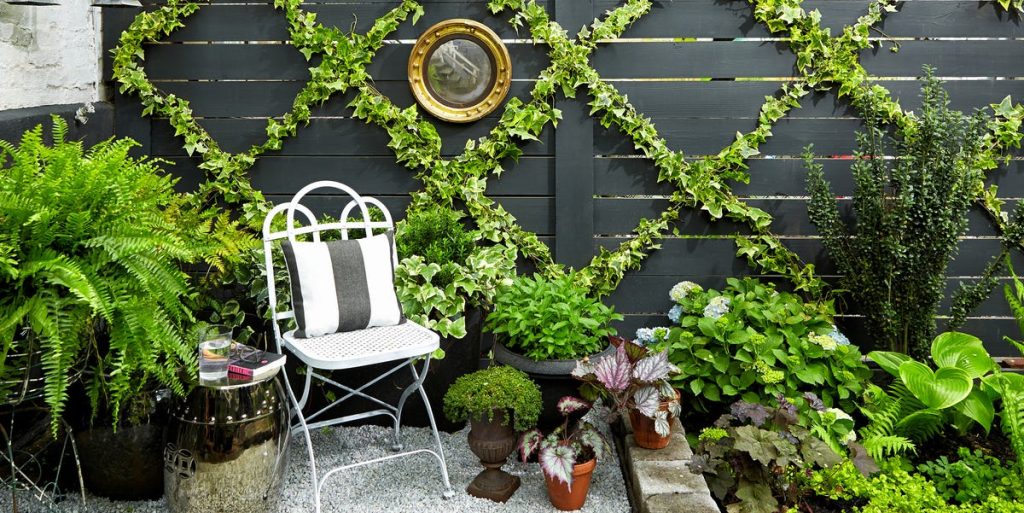
Vertical gardening saves ground space. Train plants to grow upwards. Use trellises, wall planters, and hanging pots. Opt for climbers like ivy or sweet peas. These plants love to climb. Attach them to a support structure. Even small spaces can host large plants. Install a simple trellis or netting against a wall. Grow beans or tomatoes vertically. They thrive with minimal horizontal room. Wall planters are great for herbs. Basil, mint, and parsley fit perfectly. Hang them at eye level for easy access.Container Gardening Ideas
Containers fit anywhere. Use pots, tubs, or old buckets. Choose plants that suit container life. Dwarf varieties work best. Think mini roses, lavender, or small ferns. Containers offer flexibility. Move them around to catch the sun. Group pots in clusters for impact. Mix tall, medium, and trailing plants. Create a mini-ecosystem with variety. Elevate pots on stands for height. This adds dimension and makes watering easier. Use lightweight materials like fiberglass. Add a splash of color with painted pots. Bright containers can be focal points. A small garden need not be boring. With creativity, it can be a sanctuary.Creating Visual Interest
Create visual interest in a small garden by mixing plant heights and colors. Place taller plants at the back and shorter ones in front. Use pots of different shapes and sizes for added texture.
Creating a small garden doesn’t mean you have to compromise on style or interest. By focusing on visual elements, you can transform even the tiniest of spaces into a lush, captivating oasis. The secret lies in the thoughtful arrangement of plants that catch the eye and invite exploration. But how do you create such a dynamic space?Color And Texture Combinations
Playing with color and texture is crucial in creating visual interest. Mix vibrant flowers with foliage that has unique textures. For example, pair the bold red of geraniums with the soft, silvery leaves of lamb’s ear. Consider the seasons when selecting plants. Choose varieties that bloom at different times to maintain visual interest year-round. What colors or textures do you find appealing in other gardens?Layering And Height Variations
Layering plants by height adds depth to your garden. Place taller plants like sunflowers at the back, medium-height plants like salvias in the middle, and shorter ground covers like creeping thyme at the front. This creates a natural flow and draws the eye upwards. Think about how you can use containers or vertical spaces to add height. Hanging pots or tiered planters can maximize your space and add intrigue. Have you ever noticed how a simple change in height can dramatically alter a garden’s appeal? Create a small garden that bursts with visual interest by using color, texture, and height to your advantage. With these simple strategies, your garden will not only be beautiful but also a reflection of your personal style.Optimizing Sunlight And Shade
Arranging plants in a small garden requires thoughtful planning. Sunlight and shade play crucial roles in a plant’s health and growth. Understanding how to optimize both ensures your garden flourishes. Balance is key. Let’s explore how to make the most of sunlight and shade in your garden.
Sunlight Requirements For Plants
Plants have different sunlight needs. Some thrive in full sun, while others prefer shade. Knowing these requirements helps you choose the right spot for each plant. Full-sun plants need six hours of sunlight daily. Partial-sun plants do well with three to six hours. Shade-loving plants need less than three hours.
Observe your garden throughout the day. Note areas with consistent sunlight. Use this information to position plants accordingly. This ensures they receive the right amount of sun.
Strategic Shade Placement
Shade is not just about protection from the sun. It creates a cooler environment for plants that need it. Use taller plants or structures to create shaded areas. Trees, shrubs, and pergolas provide natural shade. This keeps sensitive plants from overheating.
Consider using garden screens or shade cloth. These offer adjustable shade solutions. They are especially useful in small gardens. They allow you to control sunlight exposure as needed.
Maintaining Plant Health
Arranging plants in a small garden requires smart placement for optimal growth. Consider varying heights and spacing to allow sunlight and airflow. Group plants with similar water needs to simplify care and ensure healthy development.
Maintaining plant health in a small garden is crucial for vibrant growth. Healthy plants brighten your space and ensure longevity. Consistent care and attention to detail lead to flourishing greenery.Watering And Fertilizing Tips
Proper watering keeps plants hydrated and prevents wilting. Use a watering can with a narrow spout for precise watering. Water early in the morning or late afternoon to reduce evaporation. Check soil moisture by touching the top layer. If dry, it’s time to water. Fertilizing provides essential nutrients for growth. Use organic fertilizers for a natural boost. Apply fertilizers every few weeks during the growing season. Follow package instructions for the right amount. Over-fertilizing can damage plants.Pest And Disease Control
Pests and diseases can harm your garden. Inspect plants regularly for signs of damage. Look for holes in leaves or discolored spots. Use natural insect repellents like neem oil to deter pests. Introduce beneficial insects like ladybugs to control harmful bugs. Remove infected leaves to prevent disease spread. Ensure good air circulation by spacing plants properly. This reduces humidity and disease risk. Keep your garden clean by removing debris and fallen leaves. Clean tools after use to avoid transferring diseases.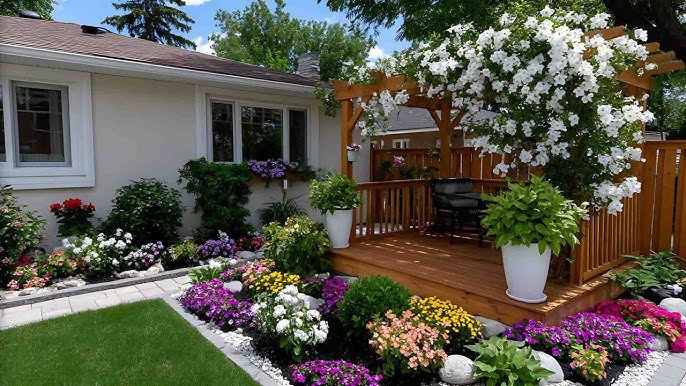
Credit: www.youtube.com

Credit: www.youtube.com
Frequently Asked Questions
How Do I Choose Plants For Small Garden?
Select plants that thrive in limited space and sunlight. Opt for dwarf varieties, compact shrubs, and vertical growers. Consider the garden’s climate and soil conditions. Mixing colors and textures adds visual interest. Ensure plants have similar water and light needs for easier care and maintenance.
What Are The Best Vertical Gardening Ideas?
Use trellises, wall planters, or hanging pots for vertical gardening. Choose climbing plants like ivy or clematis. Install tiered shelves for pots. Vertical gardens save space and add layers. Consider hydroponic systems for efficient growth. Use vertical structures to create privacy and shade.
How To Create Zones In A Small Garden?
Divide the garden into functional areas using paths or edging. Use different plants or materials for each zone. Designate areas for seating, planting, and decor. Zones help organize the space and enhance usability. Consider using height variations to define zones and create depth.
Can I Grow Vegetables In A Small Garden?
Yes, grow compact or dwarf vegetable varieties in containers or raised beds. Use vertical spaces for climbing vegetables. Ensure adequate sunlight and water. Rotate crops for soil health. Maximize space by interplanting vegetables with flowers. Small gardens can yield a productive vegetable harvest.
Conclusion
Creating a small garden with plants can be rewarding. Every plant adds charm and life to the space. Think about how each plant fits and grows. Use vertical space wisely to save room. Mix colors and textures for a lively look.
Arrange plants for easy access and care. Keep paths clear for movement. Remember to choose plants that thrive in your climate. It’s all about balance and beauty. Enjoy the process of designing your garden. The joy of seeing it bloom is worth the effort.
Your small garden can be a peaceful retreat. A place to relax and enjoy nature.







