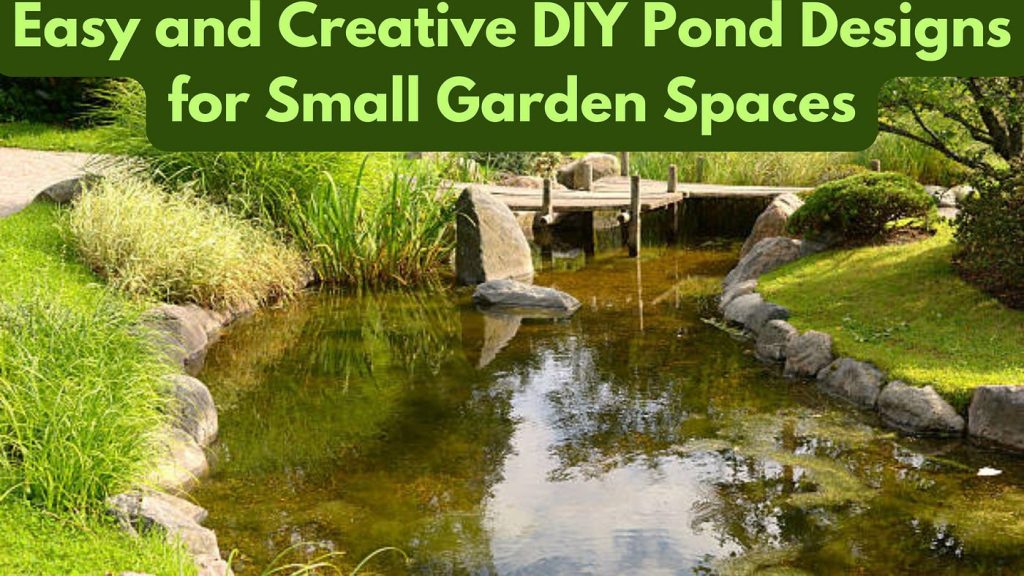
Imagine stepping into your backyard and being greeted by the serene sight of a beautiful garden pond. The gentle ripples of water, the vibrant colors of floating lilies, and the soft hum of nature instantly transport you to a peaceful haven.
Creating such a tranquil space might seem daunting, but it’s more achievable than you think. This guide will walk you through the steps to design a garden pond that suits your space and style. You’ll discover how to turn your backyard into a personal oasis where you can unwind and recharge.
Stick with us to learn the secrets of crafting a pond that brings joy, beauty, and a touch of nature right to your doorstep. Your dream garden pond is just a read away.
Choosing The Right Location
Selecting the right spot ensures your garden pond thrives. Consider sunlight, shade, and proximity to water sources. A balance between sun and shade keeps water temperature suitable for aquatic life.
Choosing the right location for your garden pond is crucial. The perfect spot can enhance the beauty and health of your pond. A well-chosen area contributes to a thriving ecosystem. It also ensures your pond becomes a peaceful oasis. Here are essential factors to consider.Assessing Sunlight And Shade
Sunlight is vital for pond plants to flourish. Choose a spot with 4 to 6 hours of sunlight. This helps in maintaining the right temperature for aquatic life. Ensure that part of the pond has shade. Shade prevents water from getting too warm. It protects fish and reduces algae growth.Proximity To Trees And Structures
Trees can affect your pond’s health. Falling leaves can lead to debris accumulation. This can disrupt the water balance. Place your pond away from large trees. Consider nearby structures too. Structures may cast shadows. They might block needed sunlight. Ensure they don’t interfere with your pond’s ecosystem.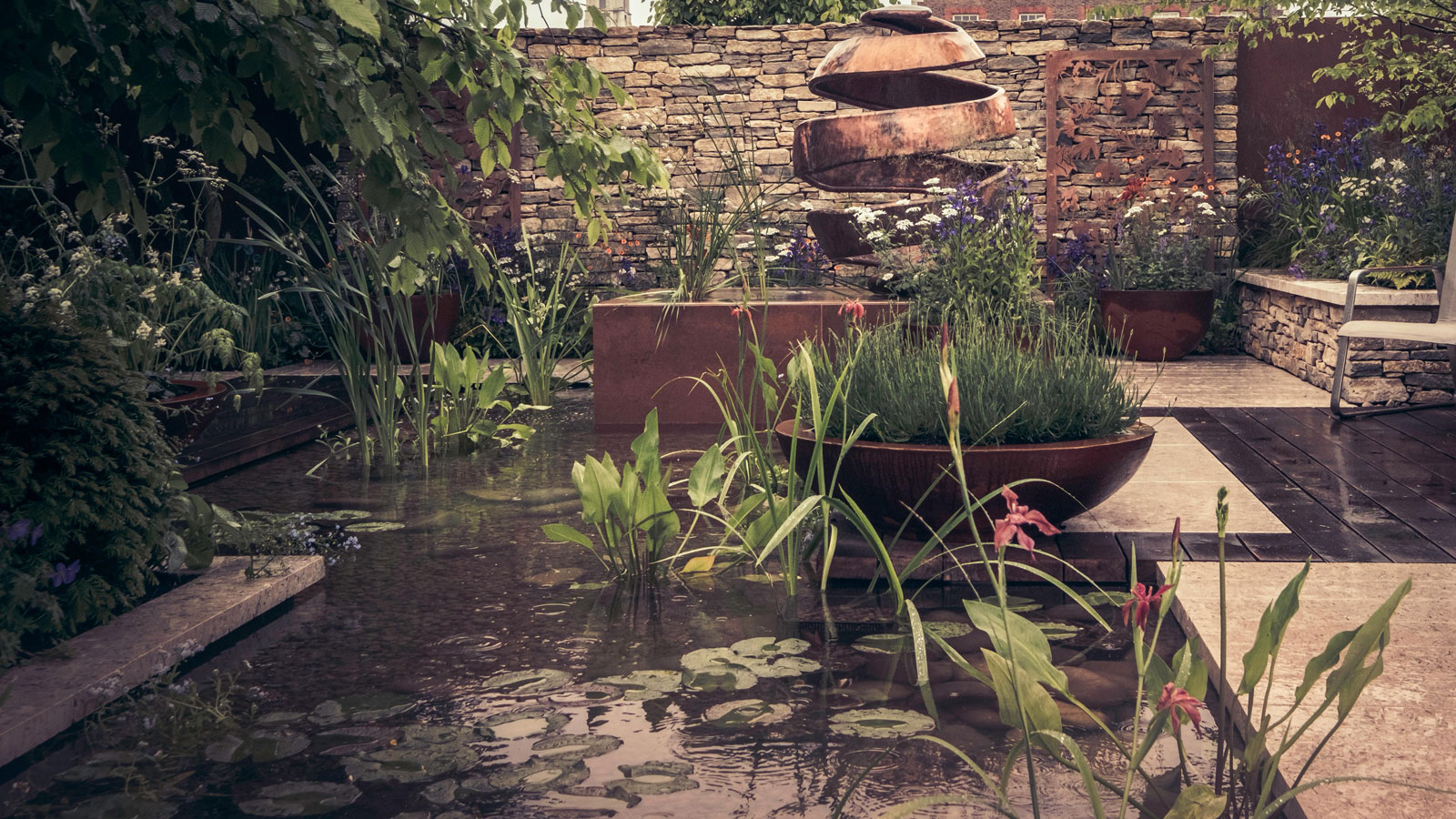
Credit: www.homebuilding.co.uk
Selecting Pond Materials
Choosing the right materials is key in creating a stunning garden pond. Natural stones add a timeless look. Durable liners ensure water retention, while aquatic plants enhance the pond’s beauty and ecosystem.
Selecting the right materials for your garden pond is crucial. It affects both the pond’s look and its durability. Whether creating a small or large pond, choosing suitable materials enhances its beauty and longevity. In this section, we’ll explore various material options, helping you make informed decisions.Natural Vs. Synthetic Liners
Choosing between natural and synthetic liners is vital. Natural liners, like clay, provide a rustic look. They blend seamlessly with the garden environment. However, they can be more challenging to install and maintain. Synthetic liners, like PVC and EPDM, offer ease of installation. They are flexible, durable, and widely available. Synthetic liners require less maintenance and can last for years. They also come in various thicknesses, catering to different needs.Rock And Stone Options
Rock and stone bring a natural charm to pond designs. Various options exist, each with unique aesthetics. Granite offers a sturdy and classic appearance. It withstands weather changes and is long-lasting. Limestone is versatile and easy to shape. It adds a soft, earthy tone to the pond. Sandstone, known for its warm colors, creates a cozy atmosphere. Ensure the chosen stones complement your garden’s theme. Arrange them creatively for an eye-catching design. Use flat stones for edging to create a natural border. Selecting the right pond materials enhances the beauty and function of your garden pond. Make thoughtful choices to create a serene and lasting water feature.Incorporating Water Features
Creating a garden pond adds charm and tranquility to outdoor spaces. Choose a suitable location with ample sunlight. Use a variety of plants and rocks for a natural look.
Creating a garden pond is a delightful way to bring a slice of nature into your backyard. Water features can elevate the tranquility and aesthetic of your pond, making it a focal point of serenity and beauty. Imagine the gentle sound of water cascading over rocks or the visual allure of a bubbling fountain—these elements transform your garden into a peaceful retreat.Fountains And Waterfalls
Fountains and waterfalls are popular choices for garden ponds. They add a dynamic element to the water, catching light and creating soothing sounds. You can opt for a simple tiered fountain, or a more elaborate waterfall cascading over strategically placed rocks. When choosing a fountain, consider the size and style of your pond. A small pond might be overwhelmed by a large fountain, while a subtle bubbler could be just the right touch. For waterfalls, think about the height and flow of water. A higher drop creates a more pronounced sound, which can be a lovely feature if you enjoy the music of moving water.Stream Additions
Adding a stream can create a natural, flowing landscape in your garden. Streams connect different parts of your garden, drawing the eye along their path. They can meander gently or rush with purpose, depending on the effect you wish to achieve. Consider the slope of your garden; a natural incline can make it easier to construct a stream. If your garden is flat, a small pump can help circulate the water. You might want to add small stepping stones or a bridge to invite interaction with the stream. Imagine the joy of watching water trickle underfoot or the playful sight of leaves floating down the current. These features are not just about aesthetics; they can also support local wildlife. Frogs, birds, and insects are drawn to water, adding life and vibrancy to your garden. Would you enjoy watching nature flourish right in your backyard?Designing With Plants
Create a serene garden pond by selecting native plants that thrive in water. Use rocks to shape the pond’s edges and add depth. Balance plant colors and textures to enhance the natural look.
Creating a garden pond is like painting a masterpiece, where each element adds its unique touch. Designing with plants is a crucial part of this artistic endeavor. Plants not only enhance the aesthetic appeal but also contribute to the ecosystem, providing oxygen and shelter for aquatic life. Imagine walking by your pond and being greeted by a symphony of colors and textures. Choosing the right plants can transform your pond into a lively oasis. It’s all about balance, variety, and understanding what works best for your space.Aquatic Plant Varieties
When selecting aquatic plants, think about the depth and sunlight exposure of your pond. Some plants thrive in full sun, while others prefer shaded corners. Consider floating plants like water lilies which are a classic choice, offering stunning blooms and shade for fish. Submerged plants such as hornwort can help keep the water clear by absorbing excess nutrients. Make sure to mix different types to create a diverse underwater landscape.Marginal Plant Choices
Marginal plants grow at the edges of ponds, often bridging the gap between land and water. These plants not only beautify the perimeter but also provide shelter for small creatures. Think about adding irises or marsh marigolds for vibrant colors along the pond’s edge. Grasses like sweet flag can add height and texture, creating a natural border. What plants make your heart sing when you see them swaying in the breeze? Consider experimenting with various species to see which ones thrive in your garden’s unique microclimate.Enhancing With Lighting
Illuminate your garden pond with strategic lighting designs. Enhance evening views by placing lights around the water’s edge. Create a tranquil ambiance with underwater lights and soft glows.
Enhancing with lighting can transform your garden pond into a mesmerizing nighttime spectacle. Thoughtfully positioned lights not only highlight the beauty of your pond but also add a sense of tranquility and enchantment. Whether you’re hosting an evening gathering or enjoying a peaceful night outdoors, the right lighting can make your pond the centerpiece of your garden.Solar-powered Lights
Solar-powered lights are an eco-friendly and cost-effective way to illuminate your garden pond. They harness sunlight during the day and automatically light up at dusk. This means you won’t have to worry about electricity costs or complicated wiring. Consider placing solar lights around the perimeter of your pond. This can create a soft, inviting glow. It’s an easy DIY project that can have an immediate impact on your garden’s ambiance.Underwater Illumination
Underwater illumination can give your pond a magical, ethereal look. Submersible LED lights are perfect for this purpose. You can position them at the bottom of the pond to highlight fish and aquatic plants. Experiment with different colors and angles to create a unique visual effect. Underwater lights can also enhance the reflection of the pond’s surface, adding depth and dimension. Think about how the lights will look from different angles in your garden. This can help you achieve a balanced and harmonious lighting design.
Credit: www.thecoolist.com
Adding Wildlife Elements
Adding wildlife elements to garden pond designs attracts diverse creatures. Frogs, dragonflies, and birds enhance the pond’s natural beauty. Native plants and gentle water features create a thriving habitat.
Adding wildlife elements to your garden pond can transform it into a lively ecosystem. It’s not just about beautifying your space; it’s about creating a thriving habitat. Imagine your pond bustling with activity—fish darting playfully, birds swooping in for a drink, and butterflies fluttering by. Each addition brings unique benefits and charm to your pond environment. Let’s delve into how you can enrich your pond with wildlife.Fish Selection
When choosing fish for your pond, consider species that are both beautiful and beneficial. Goldfish and Koi are popular choices due to their vibrant colors and adaptability. They not only add visual appeal but also help control mosquito populations. You might also explore native species like minnows or shubunkins. These fish are hardy and require minimal care. Think about the balance between aesthetics and maintenance. How much time are you willing to invest in keeping your fish healthy?Attracting Birds And Butterflies
Birds and butterflies bring movement and color to your garden. To attract them, consider planting native flowers and shrubs around your pond. These plants provide nectar and shelter, essential for sustaining wildlife. Install feeders and bird baths nearby. They offer birds a place to rest and refresh, encouraging them to stay longer. Do you have a spot that could use a splash of color or activity? Adding wildlife elements might be the answer. Butterflies are particularly drawn to bright, fragrant flowers. Consider adding plants like milkweed or lavender to your garden. These not only attract butterflies but also enhance the beauty of your landscape. By thoughtfully selecting fish and creating a welcoming environment for birds and butterflies, you turn your pond into a vibrant oasis. How will you personalize your pond to support wildlife and make it uniquely yours?Maintaining Pond Health
Designing a garden pond involves thoughtful planning to ensure a balanced ecosystem. Incorporate natural elements like rocks and plants to promote pond health. Proper filtration and regular maintenance keep the water clear and the aquatic life thriving.
Maintaining a healthy garden pond is crucial for its beauty and longevity. A well-maintained pond supports aquatic life and enhances your garden’s appeal. Regular care ensures clean water and a thriving ecosystem. Below, find practical tips on maintaining pond health.Filtration Systems
Filtration systems are vital for pond health. They keep water clear and free from debris. Choose a system that matches your pond’s size and needs. There are mechanical and biological filters available. Mechanical filters remove solid waste. Biological filters break down harmful substances. Ensure your filtration system runs continuously for best results.Regular Cleaning Tips
Regular cleaning prevents algae buildup and maintains water clarity. Skim the pond surface weekly to remove leaves. Use a pond vacuum to clean the bottom. Trim overhanging plants to reduce debris. Check for leaks and repair them promptly. Perform partial water changes monthly. Replace 10-15% of the water with fresh, dechlorinated water. This helps maintain a balanced ecosystem.Creative Design Themes
Garden pond designs blend nature and creativity, offering a tranquil retreat. Choose natural shapes and elements, like stones and plants, to enhance beauty. Consider adding features like fountains or waterfalls to create soothing sounds and visual appeal.
Creating a garden pond can be an enchanting addition to your outdoor space, offering a serene escape from daily life. To transform your pond into a unique focal point, consider adopting a creative design theme. Different themes can dramatically change the feel and function of your garden pond, making it a delightful experience tailored to your taste.Zen And Japanese Styles
Embrace tranquility with a Zen or Japanese-themed pond. These designs focus on simplicity and natural beauty. Imagine sitting by your pond, the gentle sound of water soothing your senses. Elements to consider: – Rocks and Pebbles: Use smooth stones to line the edges and create pathways. – Minimalist Plants: Incorporate bamboo, ferns, or Japanese maples for a touch of greenery. – Water Features: A small waterfall or bamboo fountain can enhance the calming atmosphere. A personal touch could be adding a wooden bridge or a stone lantern. Picture yourself crossing the bridge, feeling connected with nature. This style invites you to find peace and mindfulness right in your backyard.Rustic And Natural Concepts
For those who love the wild beauty of nature, a rustic and natural pond design might be the perfect choice. This theme embraces the untamed and organic, blending seamlessly with the landscape. Key components include: – Native Plants: Choose local flora to attract wildlife and blend with the surroundings. – Irregular Shapes: Let the pond take a natural form, avoiding symmetrical lines. – Wood and Stone: Use logs, branches, and boulders to create a rugged, earthy feel. Imagine sitting by your pond, watching dragonflies dance across the water. A rustic pond can become a thriving ecosystem, inviting birds and other creatures to visit. This design not only looks natural but also supports local biodiversity. Choosing the right theme for your garden pond means considering your personal style and the atmosphere you wish to create. Which theme speaks to you? Whether it’s the meditative calm of a Japanese garden or the raw beauty of a rustic pond, each offers a unique way to connect with nature.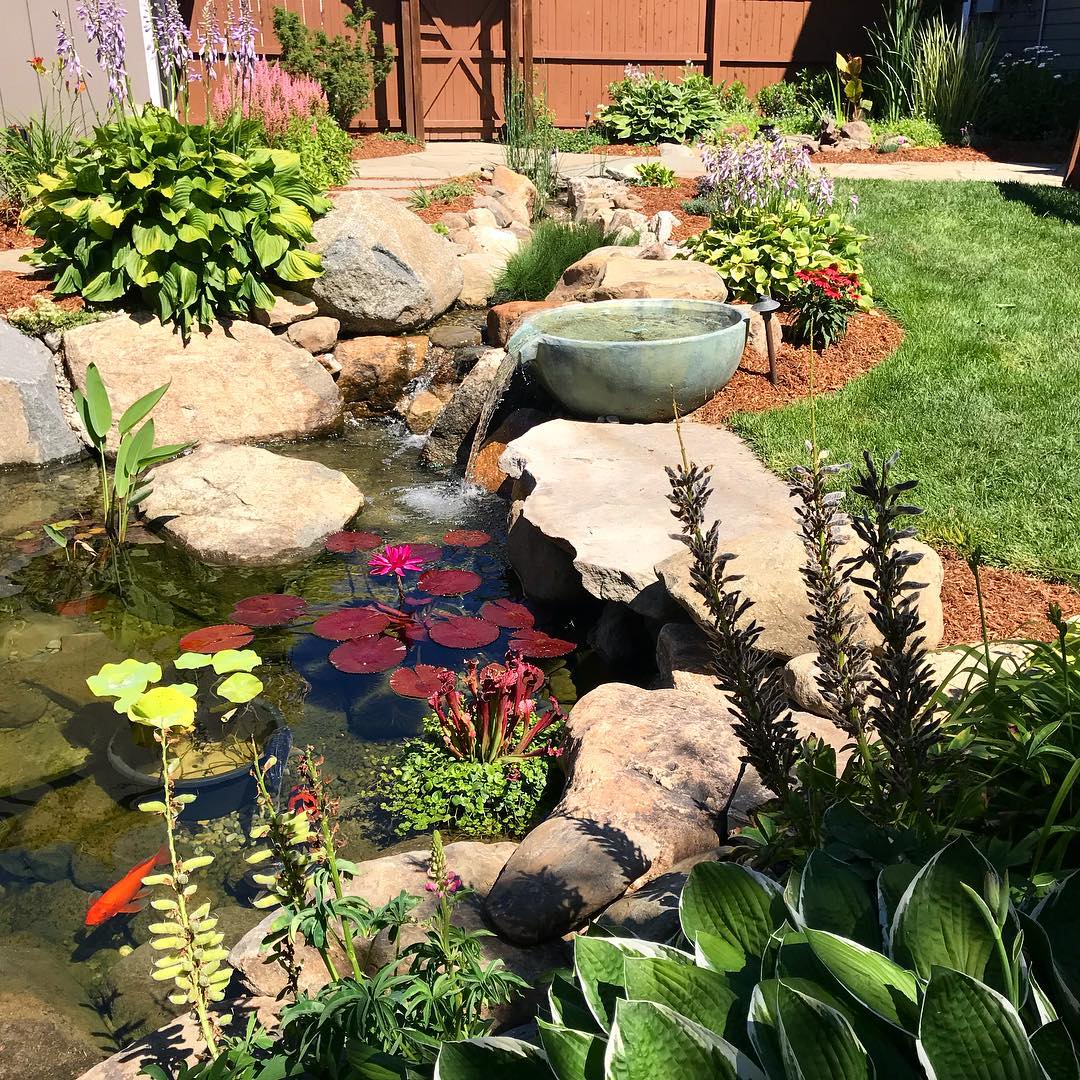
Credit: www.extraspace.com
Frequently Asked Questions
What Materials Are Best For Garden Ponds?
Choose durable materials like preformed liners or flexible liners for garden ponds. These provide a strong foundation and prevent leaks. Use natural stones for edging and decoration. Opt for aquatic-friendly materials to ensure a healthy ecosystem. Ensure compatibility with pond plants and wildlife.
How Do I Maintain A Garden Pond?
Regularly clean debris and leaves from your pond. Check water levels and quality frequently. Use a pond filter to maintain clarity. Control algae growth with natural remedies or pond treatments. Trim plants and monitor fish health. Regular maintenance ensures a vibrant pond ecosystem.
How Can I Prevent Leaks In My Pond Design?
Start with a sturdy liner to prevent leaks. Inspect for damage before installation. Seal any visible gaps with pond-safe sealant. Ensure edges are properly anchored. Regularly check for signs of wear or damage. Early detection and repair can save time and resources.
Can I Add Fish To My Garden Pond?
Yes, you can add fish to your garden pond. Ensure adequate space and water quality for fish health. Choose species that thrive in pond environments. Monitor water temperature and oxygen levels regularly. Fish can enhance the pond’s aesthetic and ecosystem.
Conclusion
Creating a garden pond design can be rewarding. It adds beauty to any space. Start small, dream big. Consider plants and fish for life and color. Choose a spot that gets sunlight. Think about pond size and shape. Include rocks and waterfalls for interest.
Regular maintenance keeps it clean and fresh. Enjoy the calming water sounds. Share the pond with family and friends. Embrace nature in your own backyard. Let your creativity flow. A garden pond creates a peaceful retreat. Dive into the world of water gardening.
Discover the joy it brings every day.







