Imagine having a lush garden right inside your home, where you can grow fresh herbs, vibrant vegetables, and even exotic plants, all without soil. Sounds intriguing, right?
This is the magic of an indoor hydroponic garden. You might think it’s complicated or requires a green thumb, but it’s actually easier than you think. By the end of this article, you’ll discover just how accessible and rewarding it is to cultivate your own hydroponic haven.
Not only will you enjoy fresher produce, but you’ll also gain a fulfilling hobby that brings nature closer to your everyday life. Ready to transform your space and lifestyle? Let’s dive into the world of indoor hydroponics and unleash your inner gardener.

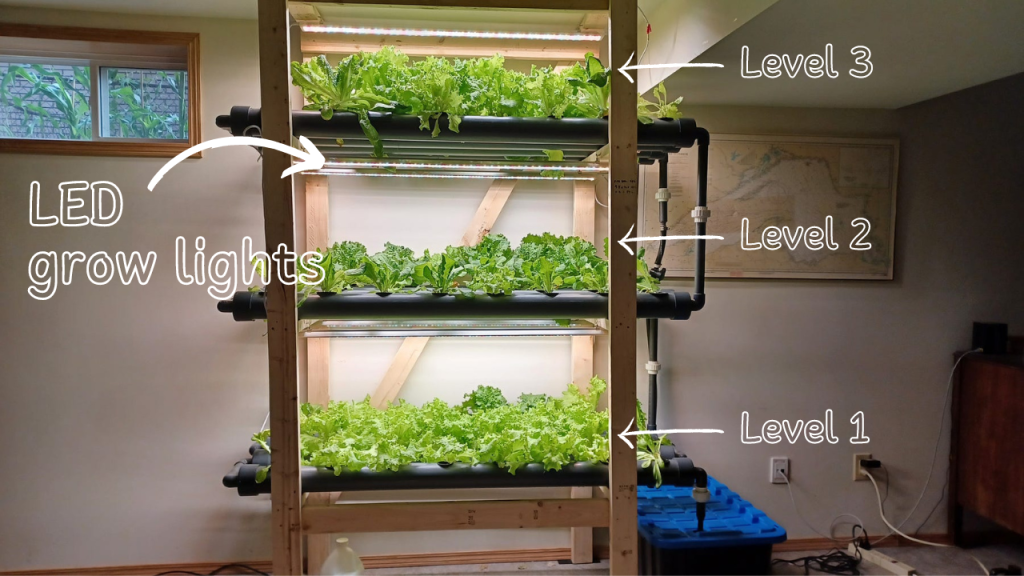
Credit: nosoilsolutions.com
Benefits Of Indoor Hydroponic Gardening
Indoor hydroponic gardening offers a sustainable way to grow plants without soil. It saves space and water, making it ideal for small apartments. Enjoy fresh produce year-round with minimal maintenance and efficient nutrient delivery.
Indoor hydroponic gardening offers a multitude of benefits that can transform the way you grow plants. Whether you’re a seasoned gardener or a beginner looking to start small, hydroponics could be the game-changer you need. Imagine growing fresh produce right in your home, year-round, without worrying about soil quality or outdoor conditions.Efficient Use Of Space
Hydroponic systems are perfect for small spaces. You can set them up in any room, from kitchens to basements. Vertical gardens or stacked systems make it possible to grow more plants in less area. This means even a tiny apartment can become a lush garden.Faster Growth And Higher Yield
Plants grown hydroponically often grow faster because they receive nutrients directly through water. This direct absorption means your lettuce or tomatoes might mature weeks earlier than in soil. Faster growth equals more harvests per year.Reduced Water Usage
Hydroponic systems use less water compared to traditional gardening. They recirculate water, minimizing waste. This is a huge advantage if you’re keen on conserving resources. Plus, your water bills will thank you!No Soil, No Mess
Without soil, you eliminate common gardening issues like pests and diseases. You won’t have to worry about soil-borne diseases or weeds. It’s a cleaner, more controlled environment.Environmentally Friendly
By growing indoors, you cut down on the need for pesticides and fertilizers. Hydroponics can be more sustainable, reducing your carbon footprint. You contribute positively to the environment while enjoying fresh produce.Year-round Gardening
Indoor hydroponics allows you to grow plants regardless of the season. Imagine fresh basil in the winter or strawberries in the fall. You control the climate, lighting, and nutrients, ensuring a constant supply of fresh greens.Customizable Nutrient Control
You have the power to tailor nutrient solutions to fit the needs of your plants. This means healthier plants and better yields. You’ll be surprised by how much control you have over the plant’s growth. Have you ever considered the impact of fresher produce on your cooking? Imagine the flavors of freshly picked herbs enhancing your dishes. Indoor hydroponic gardening not only transforms your home but also elevates your culinary experiences.Choosing The Right Space
Selecting an ideal spot for an indoor hydroponic garden is crucial. Ensure ample natural light and controlled temperature.
Choosing the right space for your indoor hydroponic garden is a crucial step to ensure your plants thrive. The location you select will significantly impact the health and growth rate of your plants. It’s important to consider several factors like light, temperature, and humidity, as these elements can make or break your gardening success.Assessing Light Conditions
Light is the lifeblood of your indoor hydroponic garden. Choose a space with ample natural sunlight, like a south-facing window. If natural light is limited, consider investing in LED grow lights which mimic sunlight and are energy-efficient. During my first indoor gardening attempt, I underestimated the importance of light. My plants grew leggy and weak. Don’t repeat my mistake. Evaluate the light situation in your chosen space before setting up.Considering Temperature And Humidity
Temperature and humidity are often overlooked but are vital for plant growth. Most plants thrive in temperatures between 65°F and 75°F. Avoid areas near heat sources like radiators or cooling vents which can fluctuate temperatures drastically. Humidity levels should be moderate, around 50-70%. Too much humidity can lead to mold, while too little can dry out the plants. Use a hygrometer to monitor these levels and make adjustments as needed. What’s the climate like in your selected area? This question can guide you in creating the ideal conditions for your hydroponic garden. Implement these insights to cultivate a thriving green space indoors.Selecting Hydroponic System
Choosing the right hydroponic system is key for a successful indoor garden. Consider space, budget, and plant types. Popular options include nutrient film technique, deep water culture, and wick systems.
Selecting the right hydroponic system is crucial for indoor gardening success. Each system offers unique benefits and challenges. Understanding these can help you make informed decisions.Deep Water Culture
Deep Water Culture (DWC) is a popular choice for beginners. It involves suspending plant roots in nutrient-rich water. This system requires an air pump to oxygenate the water. DWC is simple and cost-effective. It supports fast plant growth and high yields.Nutrient Film Technique
Nutrient Film Technique (NFT) is ideal for small plants like herbs. In this system, a thin film of nutrient solution flows over roots. The design allows easy access to nutrients and oxygen. NFT systems are efficient and use less water. They require precise monitoring of nutrient levels.Aeroponics
Aeroponics offers a modern approach to hydroponic gardening. This method suspends plants in air and mists roots with nutrients. It promotes rapid growth and is space-efficient. Aeroponics can be complex and needs careful maintenance. It’s perfect for those seeking high productivity.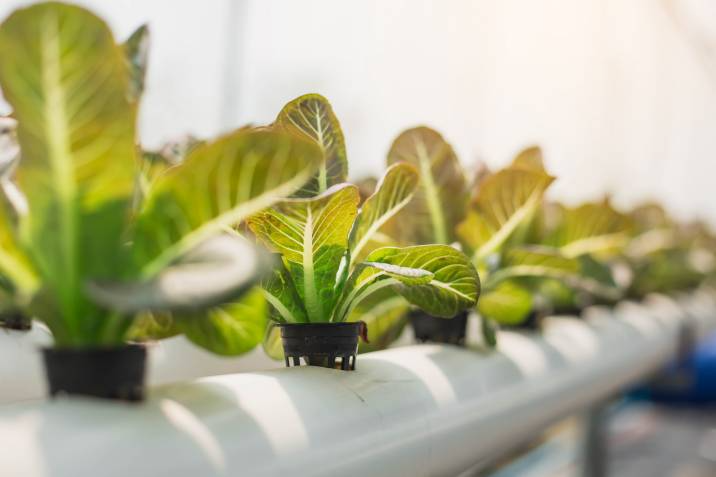
Credit: www.airtasker.com
Essential Equipment And Materials
Building an indoor hydroponic garden requires specific equipment and materials. These components ensure plants receive everything they need to grow. Each item plays a crucial role in maintaining a healthy environment. Below, explore the essential tools for your hydroponic setup.
Grow Lights
Grow lights are vital for indoor gardens. They provide the necessary light spectrum for plant growth. LED lights are energy-efficient and long-lasting. They mimic sunlight, helping plants photosynthesize. Choose lights based on plant needs and garden size.
Water Pumps And Reservoirs
Water pumps and reservoirs keep your system hydrated. Pumps circulate water, ensuring nutrient delivery to plants. Reservoirs store and supply water consistently. They help maintain a stable environment. Check pump capacity for your system’s size.
Nutrients And Growing Mediums
Nutrients are essential for plant health. They provide necessary minerals and elements. Liquid nutrients are easy to mix and use. Growing mediums support plant roots. Options include rockwool, clay pellets, and coconut coir. Choose based on plant type and system preference.
Setting Up Your Hydroponic Garden
Begin by choosing a suitable space with adequate light for your indoor hydroponic garden. Assemble necessary materials like trays, grow lights, and nutrient solutions. Ensure proper water circulation for healthy plant growth and monitor pH levels regularly.
Setting up your indoor hydroponic garden is an exciting journey. You create a self-sustaining ecosystem right at home. This process involves careful planning and execution. Let’s dive into the essentials of setting up your hydroponic garden.Installing The System
Choose a suitable space with enough light. Assemble your hydroponic system based on your chosen method. Popular systems include NFT, DWC, and Ebb and Flow. Ensure all parts are secure and leak-free. Proper installation ensures efficiency and plant health.Preparing The Growing Medium
Choose a growing medium that suits your plants. Common options include rockwool, coco coir, and perlite. Ensure the medium is clean and free from pests. Moisten it slightly before use. This step supports healthy root growth and nutrient absorption.Adding Plants And Nutrients
Select plants suited for hydroponics like lettuce, herbs, or tomatoes. Place seedlings gently into the growing medium. Add water to the system and check pH levels. Use balanced nutrient solutions to feed your plants. Follow a regular nutrient schedule for optimal growth.Maintaining Your Hydroponic Garden
Building an indoor hydroponic garden involves selecting the right system and plants. Regular monitoring of nutrient levels and pH ensures healthy growth. Proper lighting and temperature control are essential for optimal plant development.
Maintaining your indoor hydroponic garden is crucial for a thriving system. Consistent care leads to healthy plants and better yields. Monitoring, nutrient management, and water circulation are key. Let’s explore these essential tasks.Monitoring Plant Growth
Regularly check your plants for growth and health. Look for changes in leaf color or texture. These may indicate nutritional deficiencies or diseases. Prune dead leaves to promote healthy growth. Keep an eye on plant size to ensure they aren’t overcrowding.Managing Nutrient Levels
Nutrient management is vital in hydroponics. Test the nutrient solution weekly. Ensure the pH level stays between 5.5 and 6.5. Use a balanced nutrient mix for best results. Adjust the solution as plants grow and their needs change.Ensuring Proper Water Circulation
Water circulation keeps nutrients and oxygen flowing. Check pumps and hoses for any blockages. Ensure water is moving smoothly throughout the system. Replace water every two weeks to prevent algae growth. Proper circulation supports healthy roots and plant development.Troubleshooting Common Issues
Setting up an indoor hydroponic garden involves solving common issues. Ensure proper lighting and nutrient balance for plant health. Monitor water levels regularly to prevent root rot and ensure optimal growth.
Troubleshooting common issues in your indoor hydroponic garden can be tricky. Many growers face challenges that may hinder plant growth. Knowing how to manage these issues ensures a healthy garden. Let’s dive into some frequent problems.Dealing With Algae Growth
Algae can be a nuisance in hydroponic systems. It thrives in light and moisture. To prevent algae, cover your nutrient solution containers. Use opaque materials to block light. Regular cleaning also helps. Scrub surfaces to remove any residue. Monitor your plants closely. If algae appear, act quickly. Adjust light exposure and maintain cleanliness.Identifying And Solving Plant Diseases
Plant diseases can spread rapidly in hydroponics. Check leaves and stems for discoloration. Wilting and spots may indicate disease. Use fungicides to treat infected plants. Ensure proper ventilation in your setup. This reduces humidity levels. Remove affected plants promptly. This prevents further spread. Regular inspection is key to healthy plants.Adjusting Ph Levels
pH levels affect nutrient absorption in plants. Test the water regularly. Ideal pH for most plants is between 5.5 and 6.5. Use pH meters for accurate readings. Adjust with pH up or pH down solutions. Mix solutions carefully. Avoid sudden changes in levels. This can shock plants. Consistent monitoring keeps plants thriving.Expanding And Upgrading Your System
Indoor hydroponic gardens thrive with the right system upgrades. Begin by expanding space for plant growth. Upgrade lighting to ensure plants receive optimal light. Enhance nutrient delivery systems to boost plant health. Integrate automated controls for efficient monitoring and maintenance.
Expanding and upgrading your indoor hydroponic garden can be exciting. As your gardening skills grow, so can your system. Adding more plants, upgrading equipment, and exploring advanced techniques can enhance your setup. These steps can increase your garden’s productivity and efficiency.Adding More Plants
Consider adding more plants to your hydroponic system. Choose plants that thrive together. Ensure they have similar light and nutrient needs. This approach promotes healthy growth and maximizes space. Use vertical gardening techniques if space is limited. Hanging baskets or stacked systems work well. Keep an eye on plant spacing. Crowding can hinder growth and airflow.Upgrading Equipment
Upgrading your equipment can boost your garden’s performance. Invest in quality grow lights for better plant growth. LED lights are energy-efficient and last longer. Consider upgrading your pump for consistent water flow. A stronger pump supports more plants. Automated timers help manage light and water schedules. This ensures your plants receive regular care.Exploring Advanced Techniques
Advanced techniques can elevate your hydroponic garden. Try nutrient film technique (NFT) for efficient nutrient delivery. This method circulates a thin layer of nutrient solution over roots. Experiment with aeroponics for faster growth. This technique uses mist to deliver nutrients. Both methods require careful monitoring. They can significantly improve plant health and yield.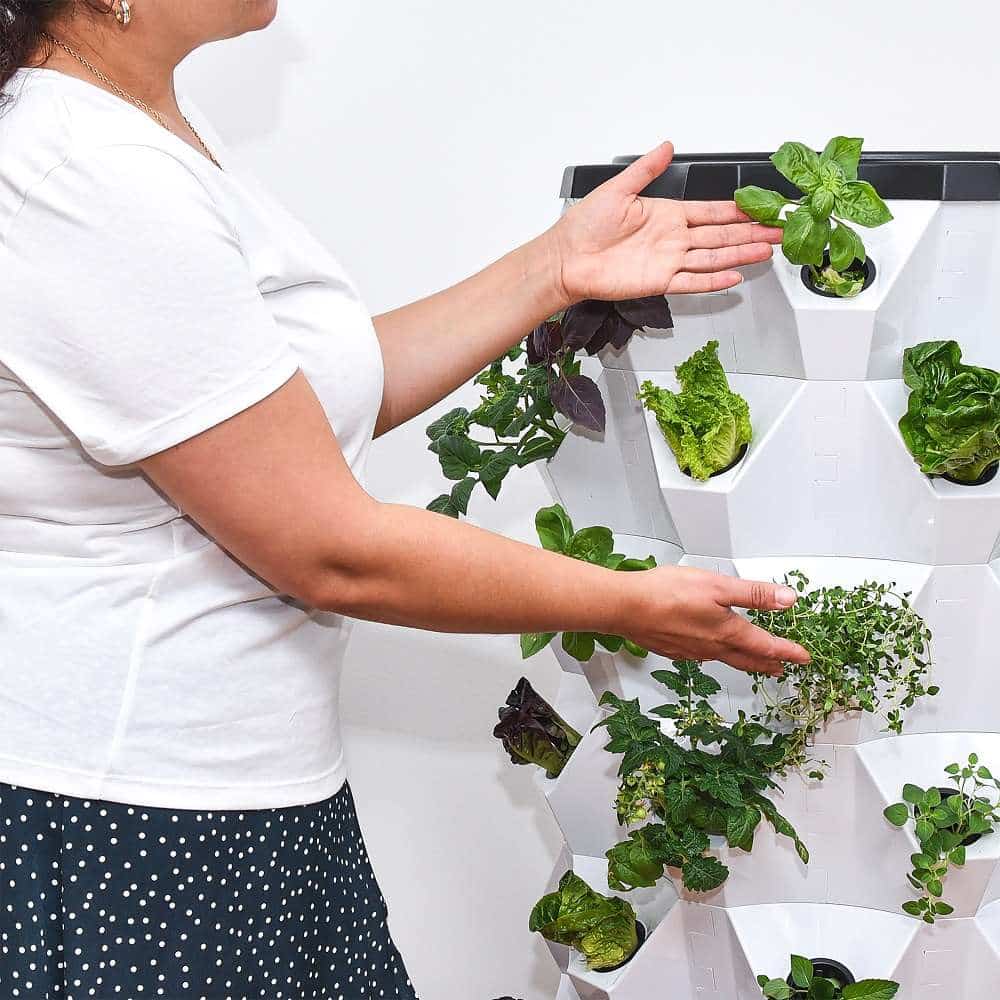
Credit: nutraponics.com
Frequently Asked Questions
What Is An Indoor Hydroponic Garden?
An indoor hydroponic garden is a method of growing plants without soil. Instead, it uses a nutrient-rich water solution. This allows plants to grow faster and healthier. It’s ideal for those with limited outdoor space, providing fresh produce year-round.
How Do You Start A Hydroponic Garden Indoors?
To start, choose a suitable space with adequate light. Invest in a hydroponic system and nutrient solutions. Select plants that thrive indoors, like lettuce or herbs. Regularly monitor water levels and plant health to ensure success.
What Are The Benefits Of Hydroponic Gardening?
Hydroponic gardening offers several benefits, including faster plant growth and higher yields. It requires less water than traditional gardening. Plus, it allows for gardening in limited spaces and produces fresher, pesticide-free produce.
What Plants Grow Well In Hydroponic Systems?
Many plants thrive in hydroponic systems, such as lettuce, spinach, and herbs. Tomatoes, cucumbers, and peppers are also popular choices. Choose plants suited for indoor environments for best results.
Conclusion
Creating an indoor hydroponic garden is simpler than it seems. Start small with easy plants. Lettuce and herbs are great choices. Ensure good lighting and proper nutrients. Regular maintenance keeps plants healthy. Monitor water levels and check for pests. Enjoy fresh produce all year round.
Share the joy of gardening indoors. Experiment with different plant types. Learn and grow with each planting. Hydroponics offers a rewarding experience. It’s a fun way to eat healthier. Happy gardening!







