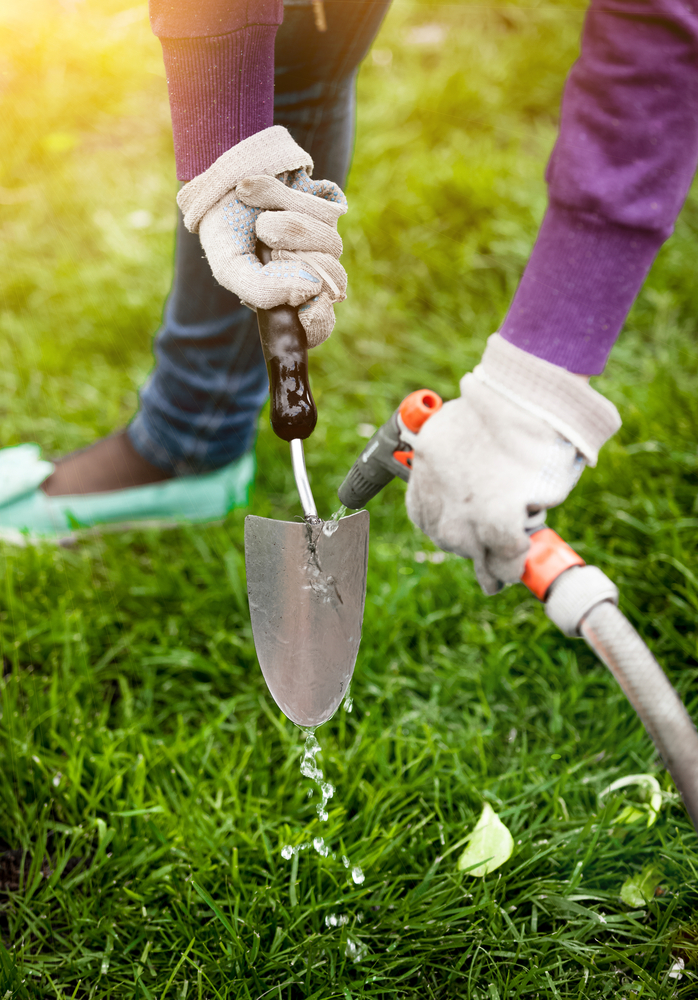
Imagine this: You’re savoring a sunny day in your garden, but lurking nearby is a sneaky adversary—poison ivy. This notorious plant can leave its mark not just on your skin, but also on your clothing, shoes, and garden tools.
You might think that once you’ve left the garden, you’re safe from its itchy grasp. However, remnants of poison ivy oils can cling to your gear, waiting to strike again. But don’t worry, there are simple and effective ways to banish poison ivy from your belongings and reclaim your peace of mind.
You’ll discover practical tips to thoroughly clean your clothes, shoes, and garden tools. Whether you’re a seasoned gardener or a weekend warrior, learning how to effectively manage poison ivy can protect you from its irritating consequences. Dive in and equip yourself with the know-how to keep your gear—and yourself—free from this troublesome plant!
Identifying Poison Ivy Contamination
Removing poison ivy from clothing, shoes, and tools requires thorough washing. Use hot water and strong detergent to break down the oils. Clean garden tools with rubbing alcohol or soapy water to prevent skin irritation.
Identifying Poison Ivy Contamination is crucial for avoiding unwanted reactions. Poison Ivy contains an oil called urushiol. This oil can cling to surfaces and cause skin irritation. Recognizing contamination helps in preventing rashes and discomfort. Knowing what signs to look for and which items are commonly affected is essential.Signs Of Poison Ivy Residue
Urushiol oil is invisible but potent. It can remain active for years. Look for areas that may have come into contact with the plant. Clothing, shoes, and tools used in outdoor activities are primary suspects. If you notice itching or redness after handling an item, it might be contaminated. Sometimes, a shiny or sticky residue can be seen on surfaces. This is a clear indicator of urushiol presence.Commonly Contaminated Items
Several items often carry poison ivy residue:- Clothing worn during gardening or hiking.
- Shoes used in wooded or grassy areas.
- Garden tools like shovels and rakes.
- Backpacks or bags placed on the ground.
- Gloves that touched poison ivy directly.
Safety Precautions
Dealing with poison ivy requires careful handling to avoid spreading the rash-causing oil, urushiol. Ensuring safety when cleaning clothing, shoes, and garden tools is crucial. This section provides guidance on safety precautions for this task. Follow these steps to protect yourself and others from exposure.
Protective Gear Recommendations
Wearing the right gear is essential. Use gloves made from vinyl or rubber. These materials prevent urushiol from reaching your skin. Long sleeves and pants are a must. Choose clothes you can wash immediately after use. Consider wearing goggles to protect your eyes. A mask can prevent inhaling particles if washing contaminated items outside.
Handling Contaminated Items Safely
Gather all contaminated items in a plastic bag. This prevents oil transfer to other surfaces. Avoid touching your face or skin during this process. Wash the items separately in hot water. Use a strong detergent to break down the oils. Clean the washing machine afterward to avoid contamination. Rinse garden tools with rubbing alcohol. Let shoes dry thoroughly in the sun before use.
Cleaning Clothing
Eliminate poison ivy oils from clothing, shoes, and garden tools by washing with hot water and strong detergent. Use a stiff brush to scrub tools, ensuring no oil remains. For shoes, wipe thoroughly with rubbing alcohol to neutralize the oils effectively.
Cleaning clothing contaminated with poison ivy requires care. Handling these clothes properly is important. The oil from poison ivy, called urushiol, sticks to fabrics. It can cause skin irritation. Proper washing removes this oil. Follow these steps to clean clothing effectively.Effective Washing Techniques
Wash clothes separately from other laundry. This prevents spreading the oil. Use hot water, as it helps break down the oil. Run the washing machine on the longest cycle. Double rinse for best results. Do not overload the machine. It ensures thorough cleaning. After washing, clean the machine. Wipe the drum with detergent.Recommended Detergents
Choose strong detergents that remove oils. Look for ones with heavy-duty formulas. Liquid detergents work best. They dissolve easily in water. Brands like Tide and Persil are effective. Avoid fabric softeners. They can lock in the oil. Always read the detergent label. Follow instructions for best outcomes.
Credit: savvygardening.com
Decontaminating Shoes
Decontaminating shoes and clothing to kill poison ivy requires thorough washing with hot water and detergent. Scrubbing garden tools with soapy water removes the oily residue. Drying items completely in the sun helps ensure all traces are eliminated.
Decontaminating shoes after exposure to poison ivy is crucial. Shoes can harbor the plant’s oil, which spreads the rash. Effective cleaning methods prevent re-exposure and protect skin. Different materials require specific cleaning techniques. It’s important to choose the right method for each type of shoe. Below are methods for cleaning leather and fabric shoes, followed by drying techniques.Cleaning Leather And Fabric
Leather shoes need gentle care. Use a cloth with warm, soapy water. Wipe the surfaces carefully. Avoid soaking leather; it can damage the material. For fabric shoes, a different approach works. Use a soft brush to scrub them. Mix mild detergent with warm water. Dip the brush in the solution. Scrub the shoe gently. Ensure all areas are covered. Rinse the shoes thoroughly with water.Proper Drying Methods
Drying shoes properly prevents damage. Leather shoes should air dry. Place them in a well-ventilated area. Avoid direct sunlight. It can cause cracks in the leather. For fabric shoes, remove excess water first. Use a towel to pat them dry. Then, stuff shoes with newspaper. This helps maintain their shape. Let them dry naturally in a shaded area. Proper drying ensures shoes are ready for next use.Sanitizing Tools
Sanitizing tools effectively removes poison ivy oils from clothing, shoes, and garden tools. Use soapy water to scrub surfaces and rinse thoroughly. Dry items in the sun to further neutralize irritants.
Sanitizing tools is crucial after handling poison ivy. The plant’s oil, urushiol, can linger on surfaces. This oil can cause rashes even after the plant is gone. Clean tools prevent future contact and irritation. Use the right methods to keep your tools safe and clean.Using Chemical Cleaners
Chemical cleaners are effective for removing urushiol from tools. Choose a product that contains bleach or detergent. Follow these steps:- Wear gloves to protect your skin.
- Apply the cleaner directly to the tools.
- Scrub with a brush to remove all traces of oil.
- Rinse tools with water and dry them thoroughly.
Alternative Natural Solutions
Natural solutions can also sanitize tools effectively. Vinegar and baking soda are common choices. Here’s how you can use them:- Mix vinegar and water in equal parts in a spray bottle.
- Spray the solution on the tools generously.
- Sprinkle baking soda on a scrub brush.
- Scrub the tools, focusing on crevices.
- Rinse with water and let them dry in the sun.

Credit: www.countryliving.com
Preventing Future Contamination
Preventing future contamination involves effectively removing poison ivy from clothing, shoes, and garden tools. Wash clothes and shoes separately in hot water. Clean tools with rubbing alcohol or soapy water to eliminate the oil.
Preventing future contamination of poison ivy oils on clothing, shoes, and garden tools is crucial for your health and safety. By taking proactive steps, you can minimize the risk of spreading these irritating oils to your skin or other surfaces. Let’s explore some effective strategies to keep your gear and yourself poison ivy-free.Protective Measures In High-risk Areas
When working in areas prone to poison ivy, protection is key. Wear long sleeves and pants made of thick fabric to create a barrier between your skin and the plant. Consider using disposable gloves and shoe covers. These can be discarded after use, reducing the chance of transferring oils to clean areas. Think about how you enter these areas. Can you create a designated pathway to minimize contact with poison ivy? Planning your route can make a significant difference.Regular Cleaning Habits
Incorporate a regular cleaning routine for your clothing, shoes, and tools. Immediately wash clothes in hot water with a strong detergent to break down the oils. For shoes and tools, use rubbing alcohol or a dedicated poison ivy cleaner. Scrub thoroughly, ensuring all surfaces are covered. Schedule routine checks and cleanings, especially during peak gardening seasons. Consistency is your best ally in preventing oil buildup. Establishing these habits can save you from unexpected rashes and discomfort. Are you ready to take control and safeguard your environment against poison ivy?
Credit: www.amazon.com
Frequently Asked Questions
How To Remove Poison Ivy From Clothing?
To remove poison ivy from clothing, wash with hot water and detergent immediately. Use gloves to handle contaminated clothes. Ensure the washing machine is clean after use. If needed, wash twice to completely remove the oil. Dry clothes in sunlight for extra precaution.
Can Poison Ivy Spread On Shoes?
Yes, poison ivy oils can stick to shoes. Clean shoes with soap and water or rubbing alcohol. Use a brush to scrub soles thoroughly. Always wear gloves while cleaning. Avoid touching your face. Regularly cleaning shoes prevents spreading the oil elsewhere.
What Tools Are Safe To Use On Poison Ivy?
Use tools like shovels, rakes, and pruning shears on poison ivy. Ensure tools are cleaned thoroughly after use. Use rubbing alcohol or soap to clean tools. Wear gloves when handling contaminated tools. Store tools separately to avoid cross-contamination.
How To Clean Garden Tools After Exposure?
Clean garden tools with soap and water or rubbing alcohol. Scrub thoroughly to remove any oils. Use gloves during cleaning. Rinse tools with water and dry completely. Regular maintenance helps prevent poison ivy spread and keeps tools safe for future use.
Conclusion
Removing poison ivy from clothes, shoes, and tools is crucial. Protect your skin by cleaning carefully. Use hot water and soap for clothing. Shoes need scrubbing with a brush and detergent. Garden tools benefit from thorough washing too. Regular maintenance prevents future problems.
Always wear gloves when handling poison ivy. This avoids skin irritation. Dispose of contaminated items safely. Follow these steps for safety. Be cautious. Stay protected from poison ivy’s effects. Your safety matters most. Simple actions make a big difference. Stay informed and take action.
Keep your surroundings clean and safe.







